Vending Machine Innovation: How Automated Retail Evolved Beyond Snack Machines
Vending machine innovation is not one dramatic leap from an old snack machine to a futuristic kiosk. It is the cumulative evolution of hardware, payments, software, and operator strategy across decades of automated retail. Each step solved a real operating problem: how to take more kinds of payment, how to see sales before the next site visit, how to merchandise more clearly, and how to use one machine platform across more venues and product categories.
That broader strategic view matters because innovation in vending is not just about adding a brighter screen. The useful question is whether a new feature changes the economics of the route, expands the addressable venue base, or makes the machine materially easier to shop and manage. If it does none of those things, it may simply be decorative modernity in a metal cabinet.
The first major shift was payment flexibility
Older machines were constrained by coins, bills, and the awkward limits of their original payment hardware. The industry changed when standards such as MDB made it easier to integrate peripherals in a more consistent way. That laid the groundwork for cashless acceptance, mobile wallets, and a buying experience that matched wider consumer habits instead of insisting everyone carry exact change like it was still a school canteen in 1997.
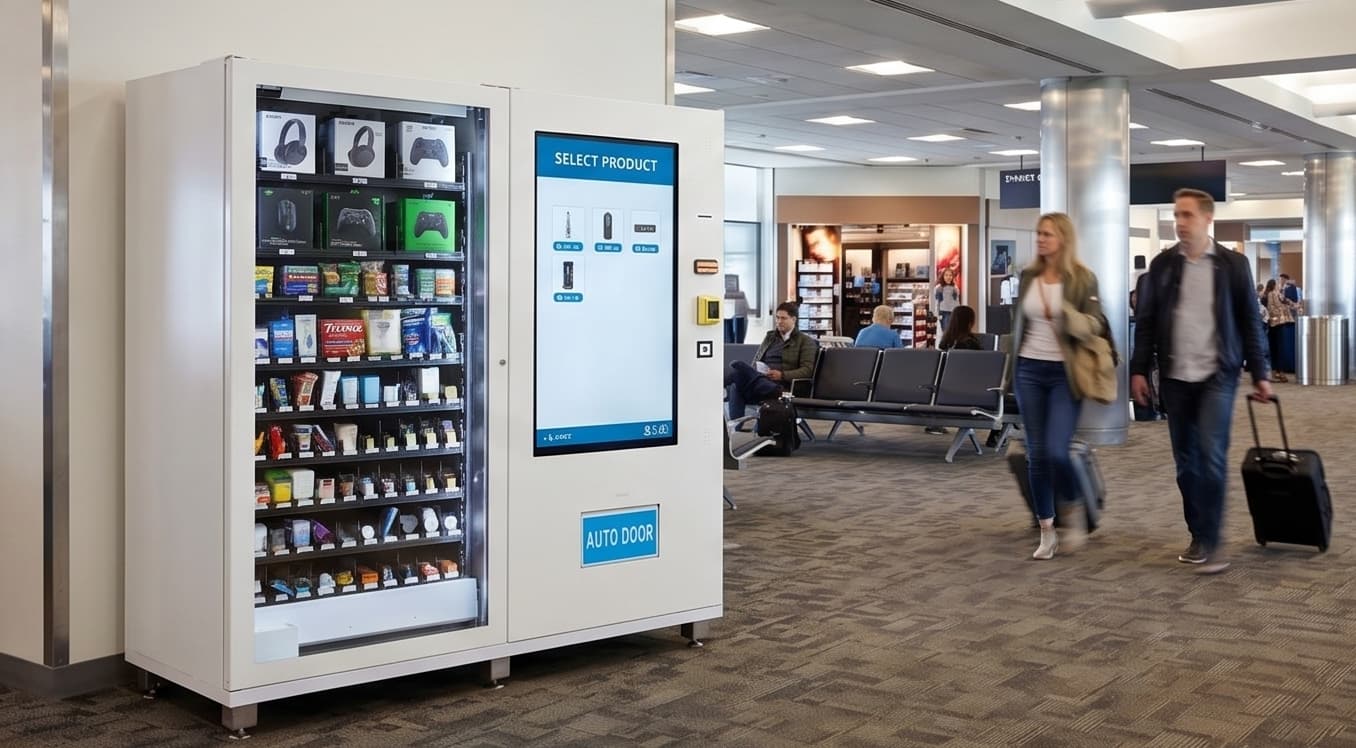
For operators, better payment support was not just a UX win. It removed friction at the point of sale and widened the environments where vending could perform well, especially in premium, travel, or higher-value retail settings where cash dependency quietly suppresses conversion.
The next shift was visibility and route control
Once machines could report more intelligently, vending became less dependent on guesswork. Telemetry, remote alerts, and audit reporting gave operators a clearer picture of stock levels, payment-terminal status, machine health, and sales trends. Standards such as DEX helped structure the reporting side, while cloud-connected platforms turned the route from a calendar exercise into a data-led operating model.
That changed the business more than many buyers realise. When the operator can see what is selling, what is failing, and which machine needs attention before a wasted truck roll, the value of the platform goes well beyond novelty. It becomes operational discipline.
The interface layer expanded the retail use case
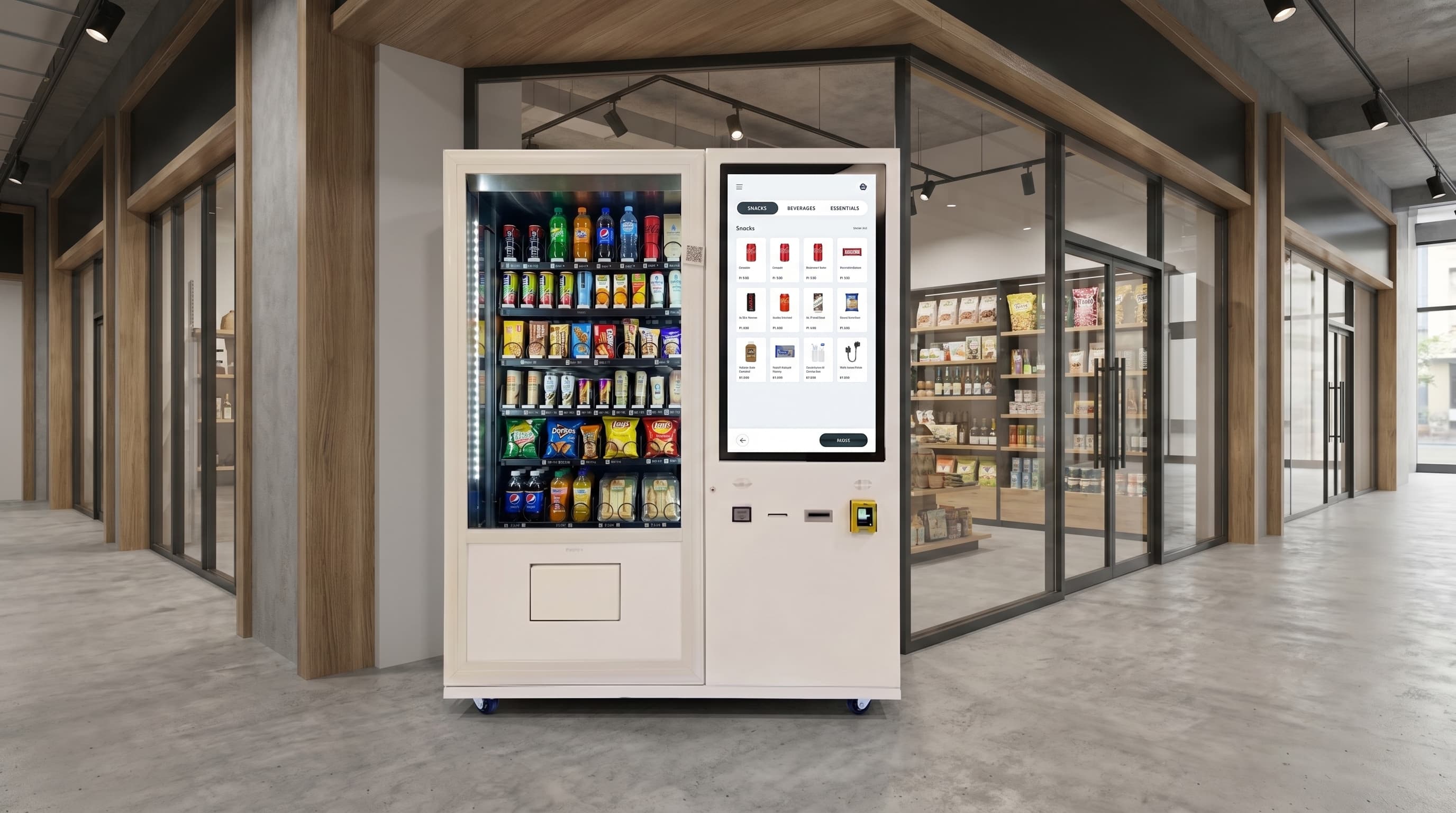
The evolution from mechanical buttons to digital interfaces changed what the machine could reasonably sell. Better product presentation, richer product detail, promotional content, and more flexible navigation opened the door to categories beyond basic snacks and drinks. Electronics, personal care, curated travel retail, branded programs, and more specialised unattended retail concepts all benefit from clearer digital merchandising.
This is where innovative vending overlaps with, but is not identical to, digital vending machines. The digital article focuses on what the interface and software stack are. The innovation story is broader: it explains how those interface improvements fit into the industry’s longer strategic evolution.
Innovation now means multi-format automated retail
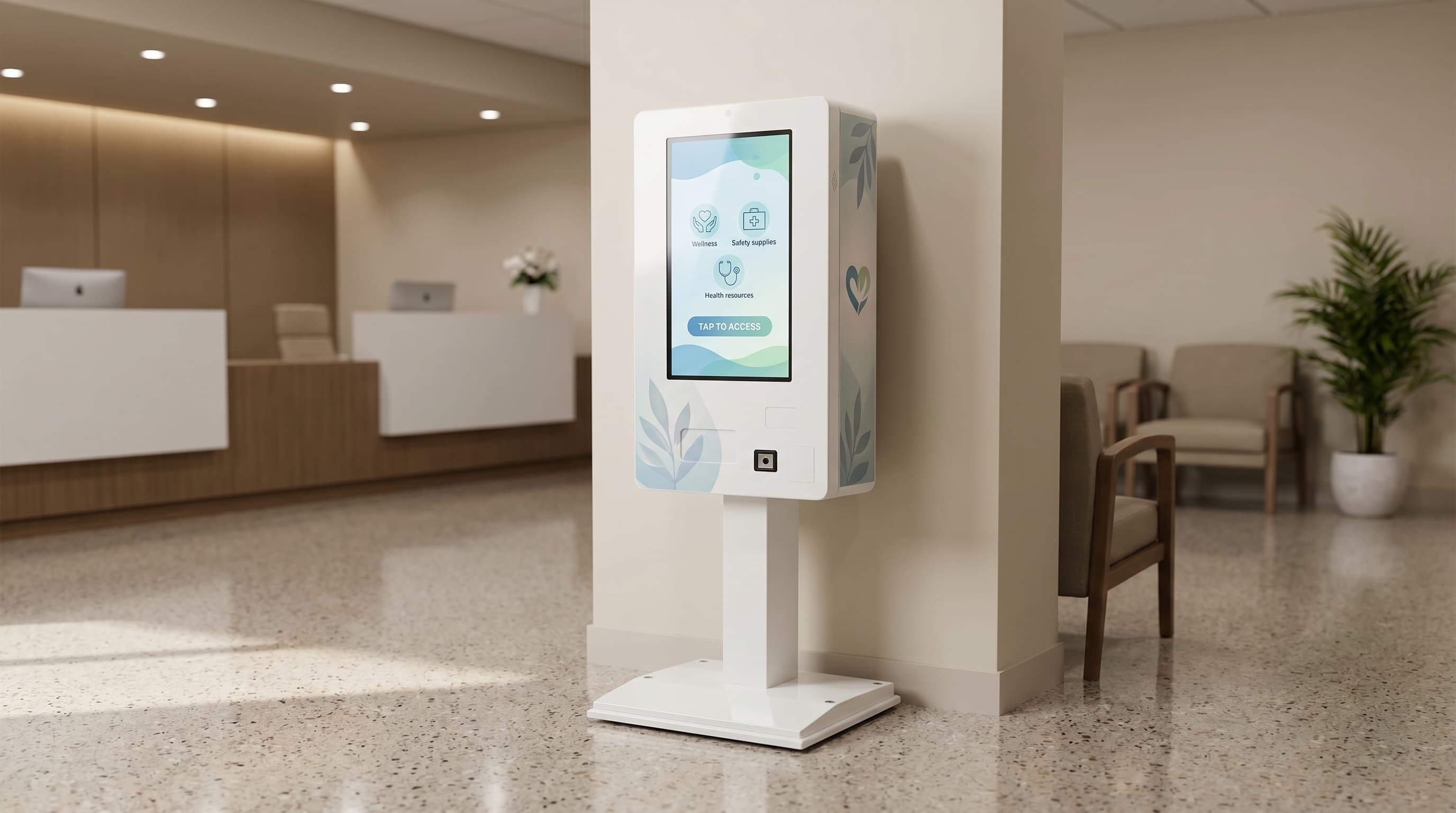
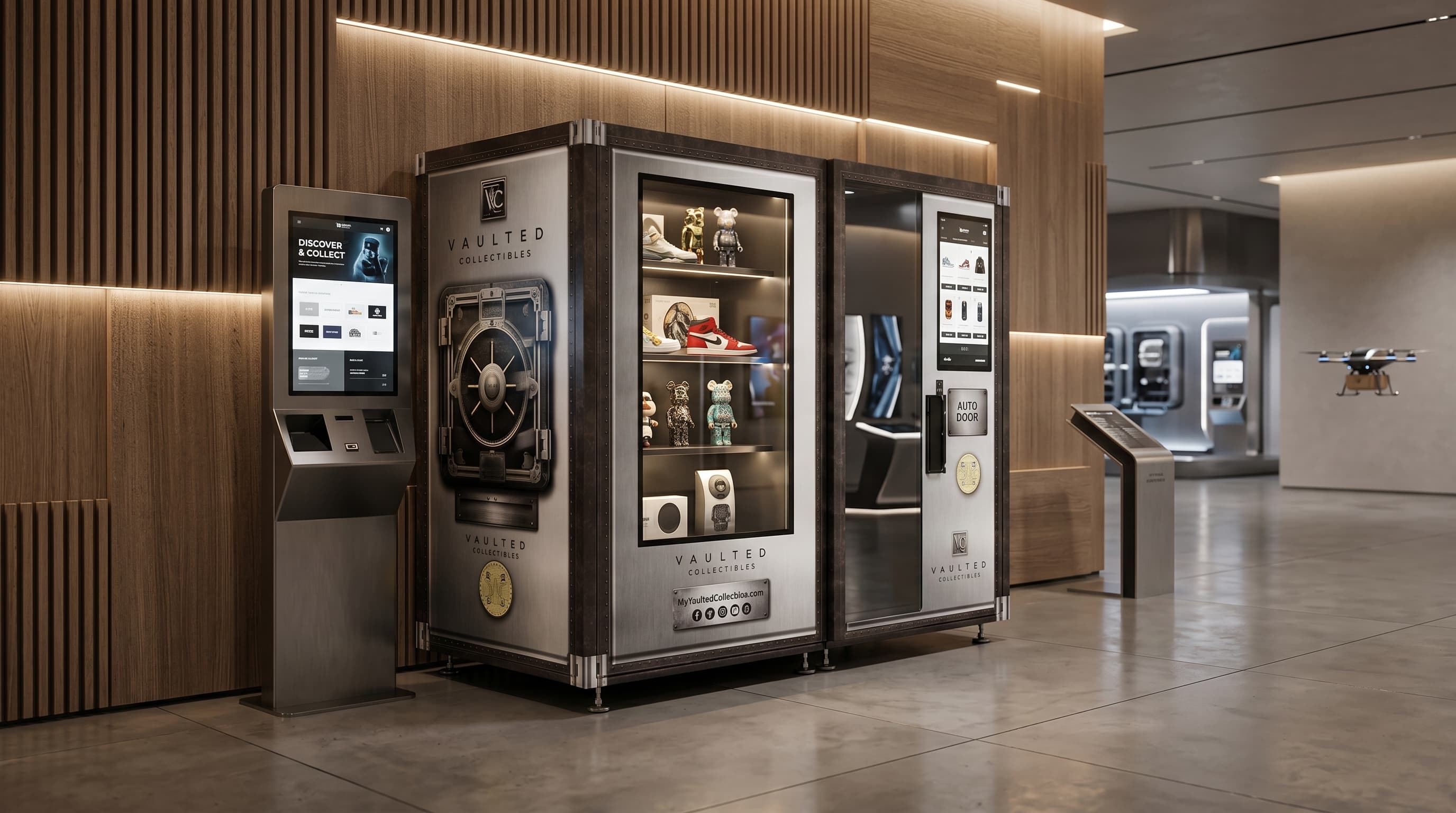
Today’s most interesting vending innovation is not confined to one cabinet. Operators increasingly think in terms of connected automated retail environments: touchscreen kiosks, lockers, refrigerated units, specialty machines, and autonomous convenience-store groupings that work together under one payment and reporting umbrella. In other words, the machine is no longer always the whole store. Sometimes it is one part of a broader unattended retail system.
That shift rewards operators who understand sequencing. A business that has not yet handled cashless, telemetry, and route visibility cleanly is unlikely to become magically excellent just because it installs a more ambitious format. Innovation stacks. It does not politely skip the plumbing.
What operators should learn from vending machine evolution
The clearest lesson is that good innovation compounds. Payment flexibility improves conversion. Telemetry improves route economics. Better interfaces improve merchandising. Grouped formats expand what unattended retail can do in a venue. Together, those changes make automated retail more commercially credible in places where legacy vending once felt too narrow or too clumsy.
Operators evaluating the next step should be asking which capability layer meaningfully changes the business from here: pricing control, interface quality, venue-specific hardware, or better analytics. That is why related topics such as dynamic pricing and vending machine business analytics sit naturally beside this discussion. They are not separate curiosities; they are part of the same evolution.
Vending machine innovation matters because automated retail keeps broadening its commercial range. The most successful operators are not the ones who merely buy new-looking machines. They are the ones who understand which innovations genuinely improve performance, which ones expand market fit, and which ones are mostly there to make a brochure feel exciting.
Planning an automated retail program built on the right innovation layers?
DMVI helps operators evaluate when better payments, telemetry, interface upgrades, specialty hardware, or broader unattended-retail formats will actually improve route economics and venue fit.