Perfume Vending Machines: Where Luxury Fragrance Automation Can Actually Work
A perfume vending machine is an automated retail unit configured to sell sealed fragrance products such as travel sprays, discovery kits, giftable sets, and in some cases carefully selected full-size bottles. The category is appealing because fragrance is giftable, premium, and often impulse-friendly in travel and hospitality environments. It is also a more fragile retail proposition than many people assume. Customers cannot smell a sealed product through glass, brands care deeply about presentation and authenticity, and the machine has to protect relatively high-value inventory from heat, light, and theft.
That is why perfume vending tends to work only when the product, venue, and buying journey all align. A luxury fragrance machine in the wrong environment is not sophisticated retail; it is an expensive misunderstanding with very nice packaging.
Where perfume vending can make commercial sense
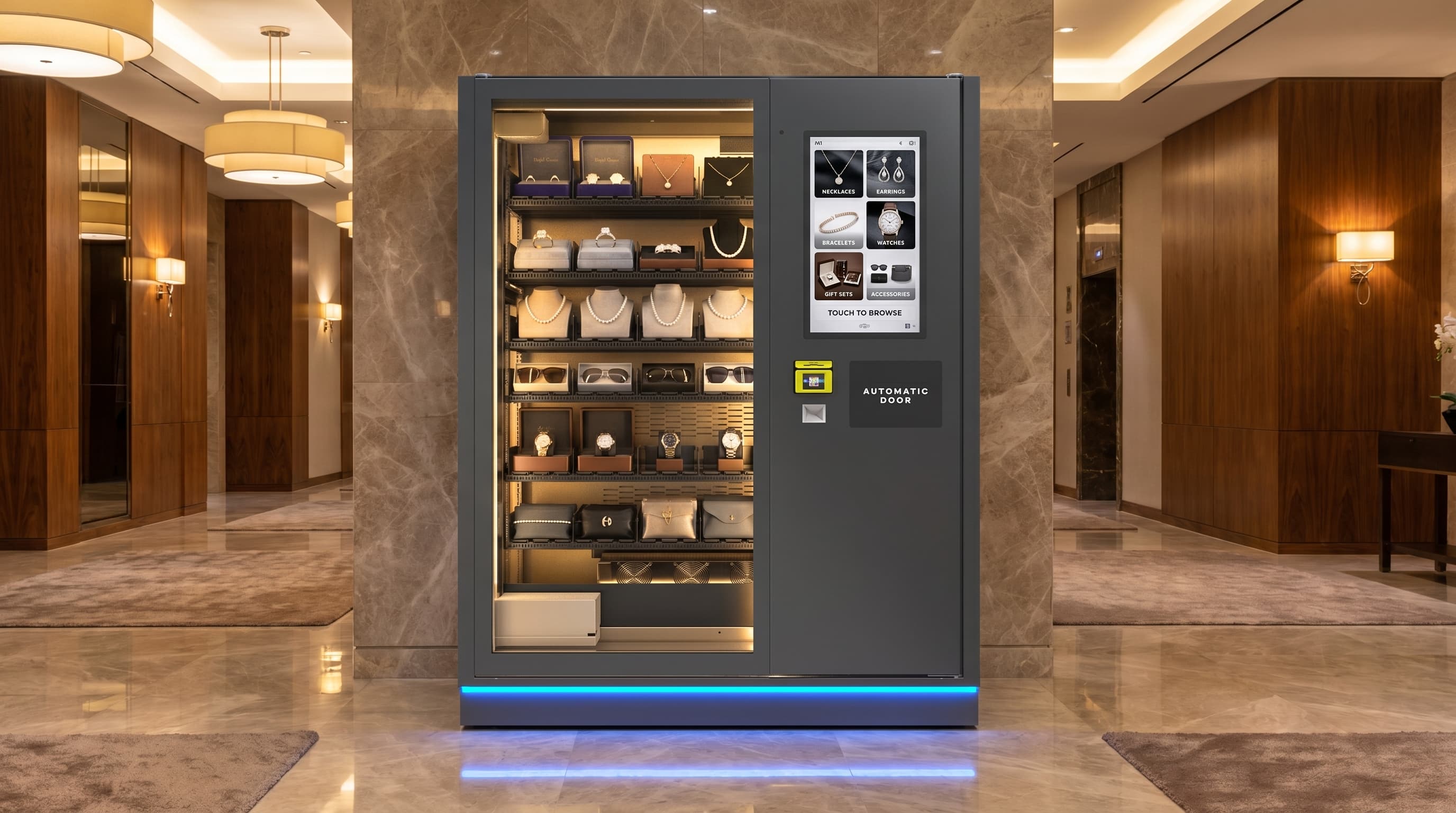
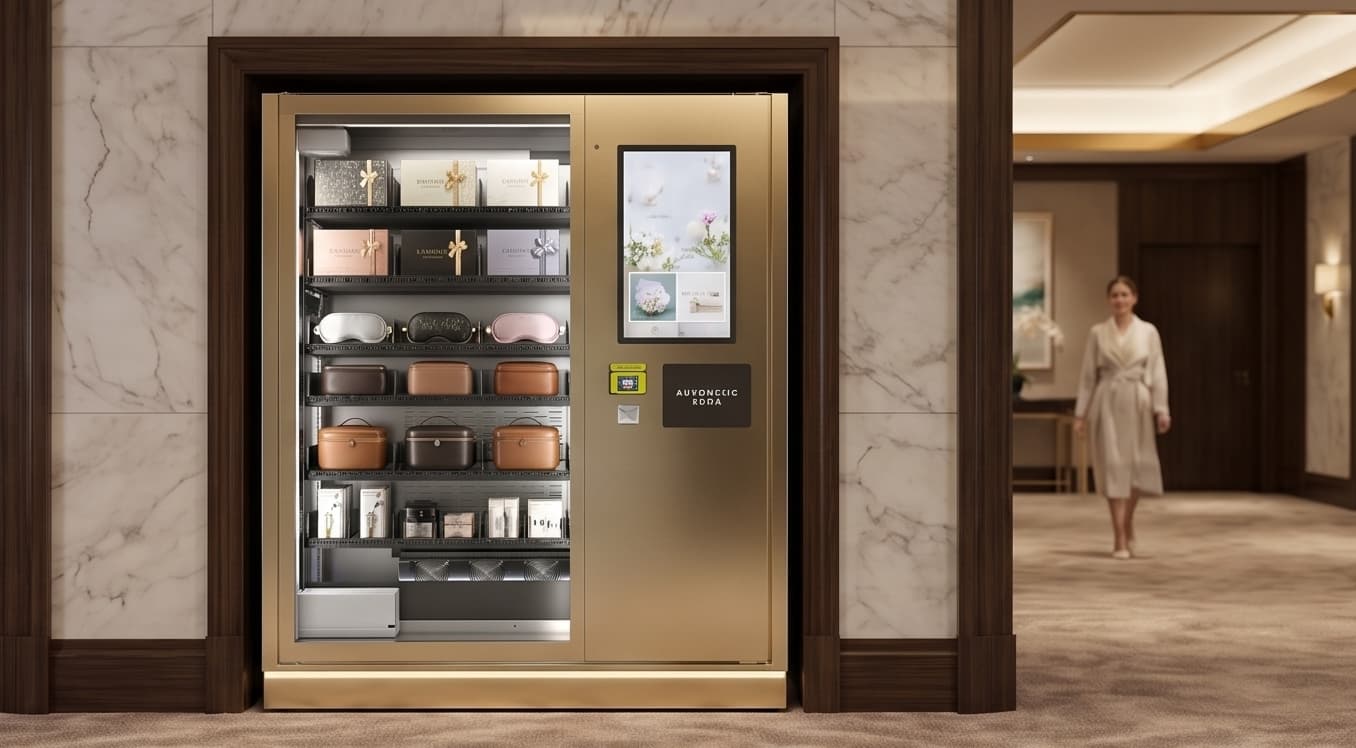
The strongest environments are usually airports and travel hubs, luxury hotels and resorts, premium department-store adjacencies, casinos, and selected nightlife or event venues. These are places where shoppers already expect gifting, replenishment, or convenience-led premium purchases. A traveler buying a last-minute fragrance gift or a hotel guest replacing a personal item makes far more sense than a random office worker being confronted by a designer perfume tower between a photocopier and the fire exit.
Venue logic matters because perfume is not a general-utility product. It needs a context where premium presentation and higher ticket values feel natural. Without that context, even a beautiful machine can look oddly misplaced.
Which fragrance formats fit vending best
Travel sprays, rollers, discovery kits, miniatures, and giftable boxed sets usually fit best. They are easier to merchandise, easier to protect, and often better aligned with impulse or convenience purchases than large flagship bottles. Smaller formats also lower the risk for shoppers who may know the brand family but not want to commit to a full-size bottle from a machine.
That matters because fragrance sampling is limited in unattended retail. If the operator cannot offer a practical in-person testing experience, the assortment should lean toward lower-risk purchase formats and products that are easier for the customer to understand without physically trying them first.
The sampling problem has to be handled honestly
The central weakness of perfume vending is obvious: customers cannot smell sealed fragrance through a machine door. That does not make the category impossible, but it does mean the user experience has to compensate. Strong touchscreen UX can present scent families, notes, brand cues, and clearly labeled format sizes. Some venues may also support paper test strips or adjacent sampling in a staffed luxury environment, but many will not.
The best perfume vending programs therefore work either with already-known fragrances, travel-friendly replenishment items, or curated discovery formats where the buying risk is lower. Pretending a machine can fully replace the sensory experience of a fragrance counter is one of those ideas that sounds bold right up until a real customer tries to use it.
Climate, packaging, and theft controls are not optional
Fragrance products are sensitive to heat, light, and rough handling. Operators should think about temperature stability, avoidance of direct sun exposure, protective packaging, and secure dispense design from the beginning. Premium fragrance units also need stronger anti-theft measures than ordinary snack vending, because per-item value is higher and shrink risk is correspondingly less charming.
That usually means reinforced glazing, controlled-access delivery, internal monitoring, and a cabinet design that preserves presentation quality instead of treating luxury packaging like a bag of crisps. Product authenticity and packaging condition also matter more here than in low-ticket commodity vending.
Why custom design is often part of the answer
Many fragrance concepts are better served by a custom vending machine design process than by a generic cabinet with upgraded artwork. The machine may need a different product-handling approach, stronger branding control, or a more premium interface and lighting package than a standard retail chassis provides.
That does not mean every perfume machine must be wildly bespoke. It means the operator should be realistic about what the category demands. Luxury fragrance automation works when the machine respects the product. It fails when the product is forced into a cabinet that was really designed for easier, cheaper, and far less fussy things.
What buyers should evaluate before deployment
They should evaluate venue fit, product format, security requirements, climate stability, return policy, authenticity controls, and how the customer will understand the scent story without a staffed counter. Operators should also be cautious about grand market-size claims. The more grounded question is not whether perfume sounds glamorous in a deck. It is whether this particular machine, in this particular venue, can create a credible buying experience.
Perfume vending can work, especially in travel, hospitality, and selected premium retail environments. But it works best when approached as a constrained luxury-retail format rather than as a generic vending opportunity wearing expensive shoes.
Exploring perfume vending or another premium beauty retail concept?
DMVI helps operators assess venue fit, product-handling requirements, cabinet design, and customer-flow constraints before turning a luxury category into an unattended retail program.