
AI Vending Machines — Computer Vision and Smart Checkout for Unattended Retail
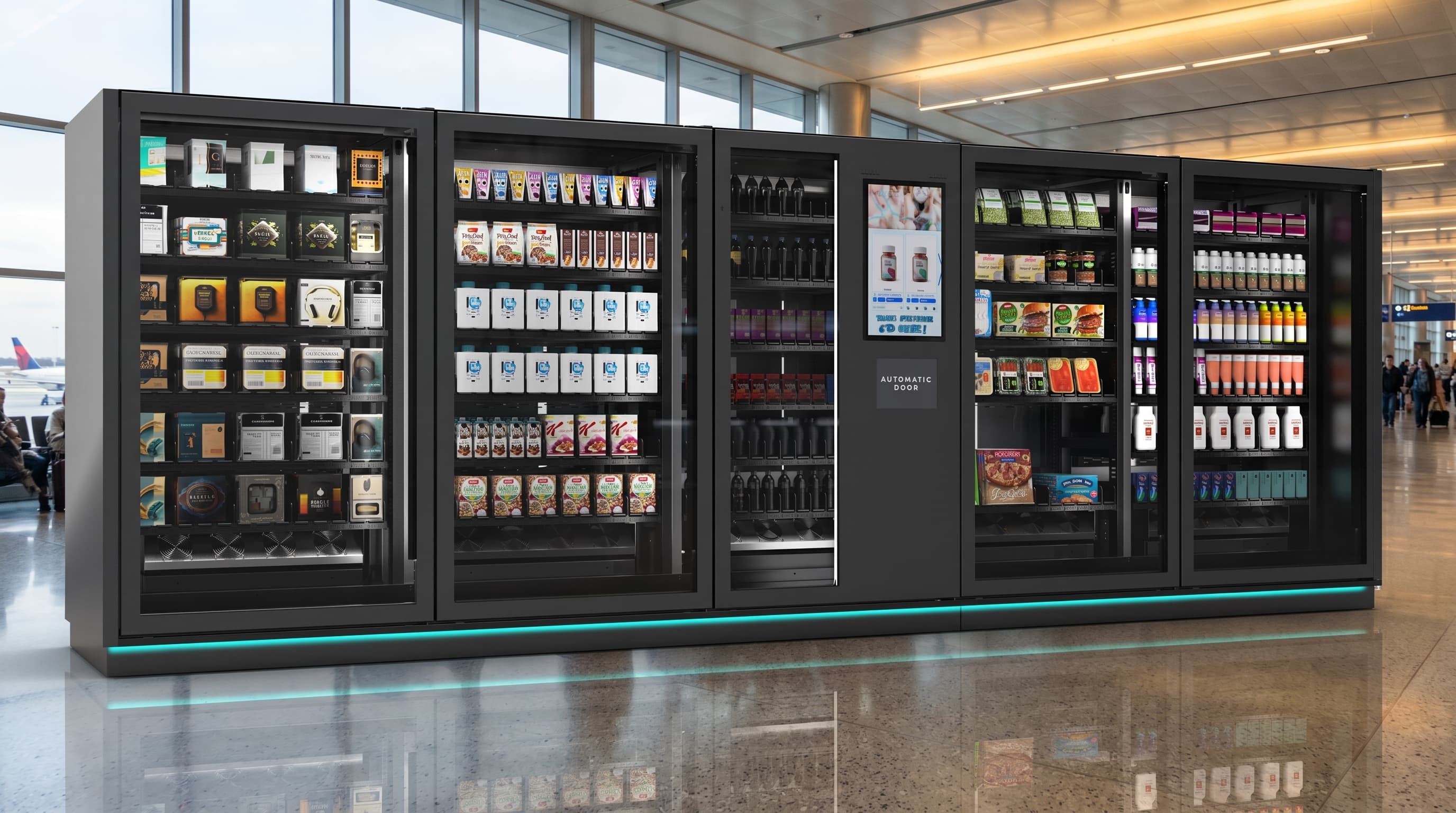
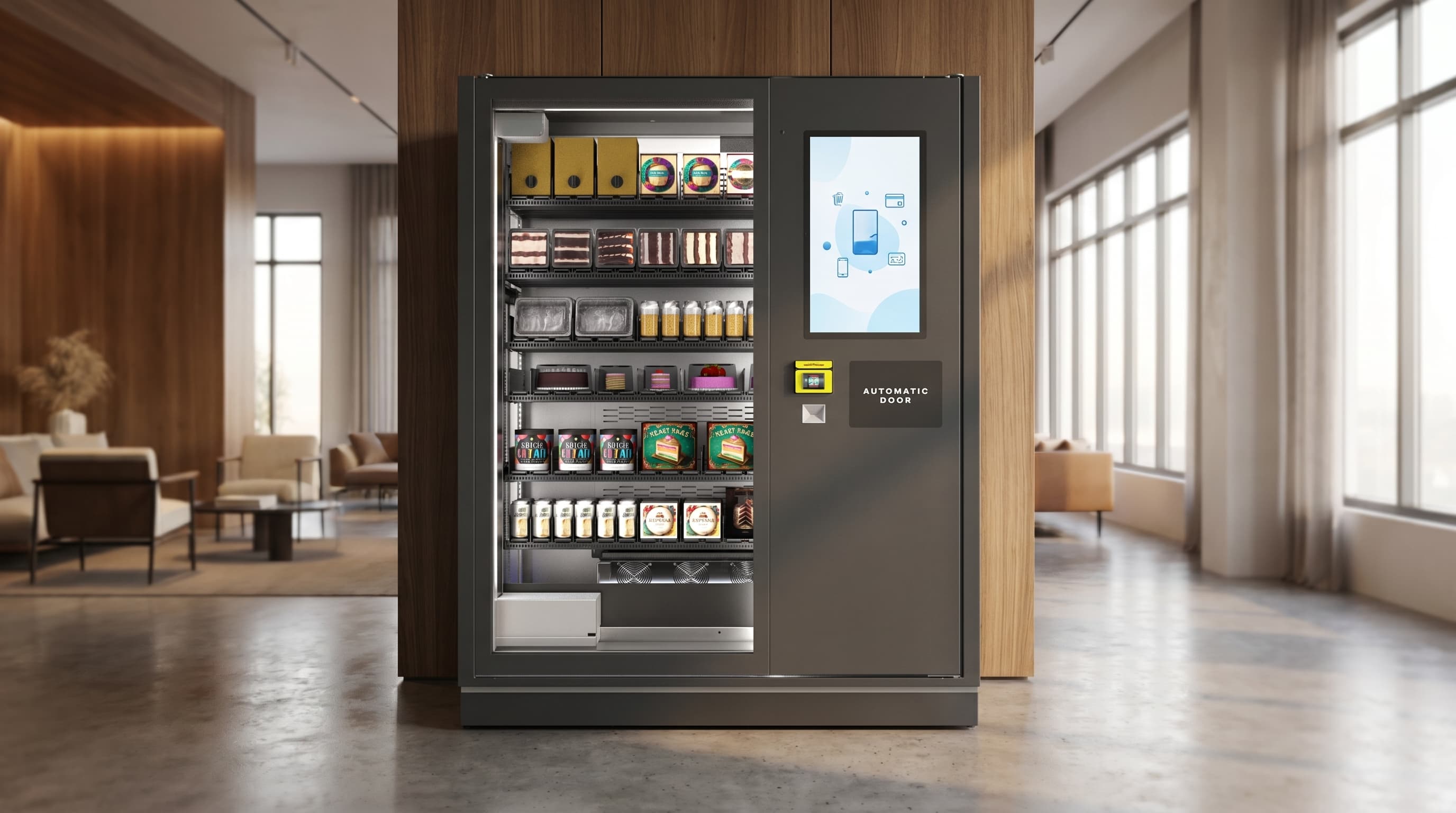
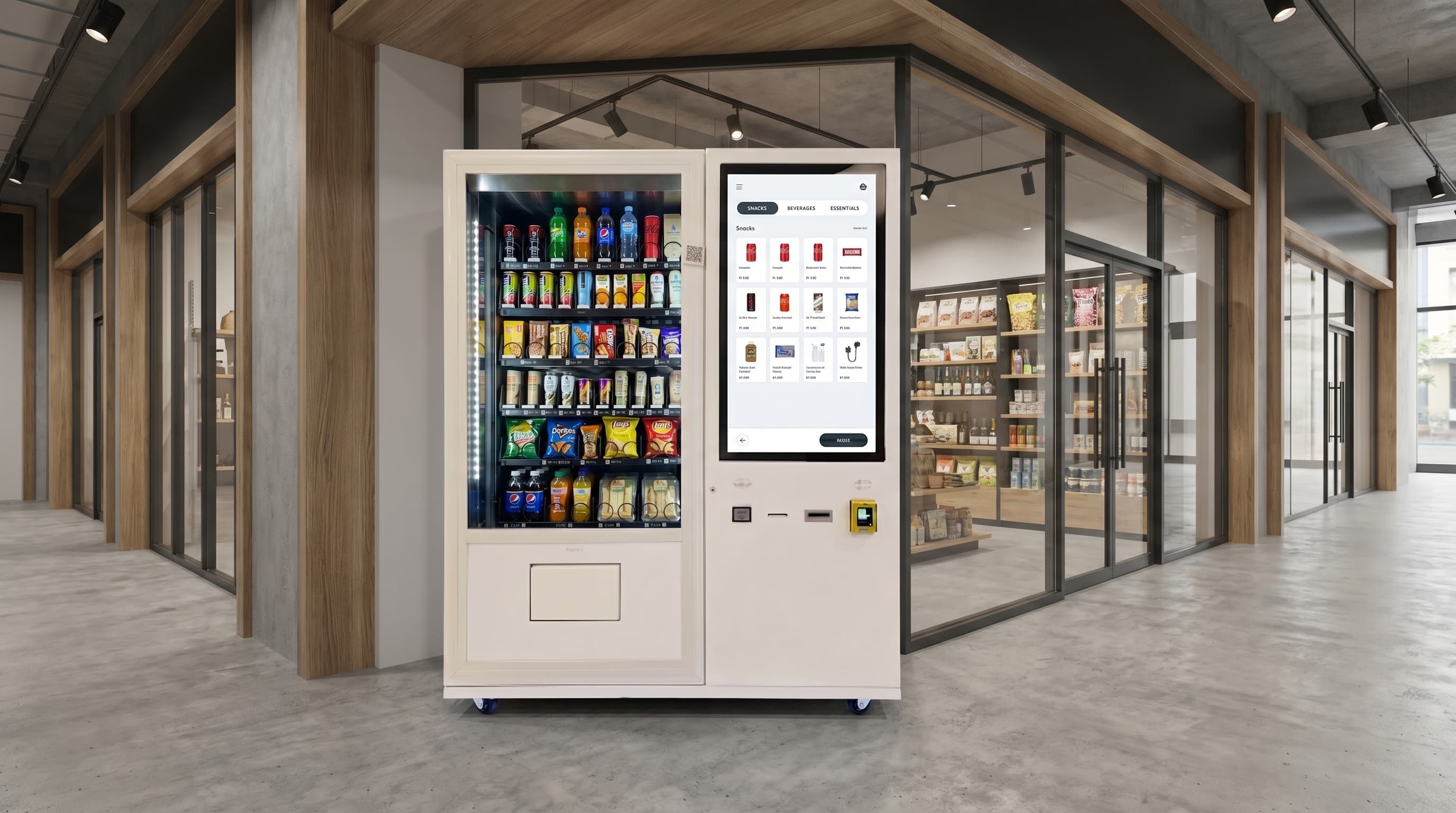
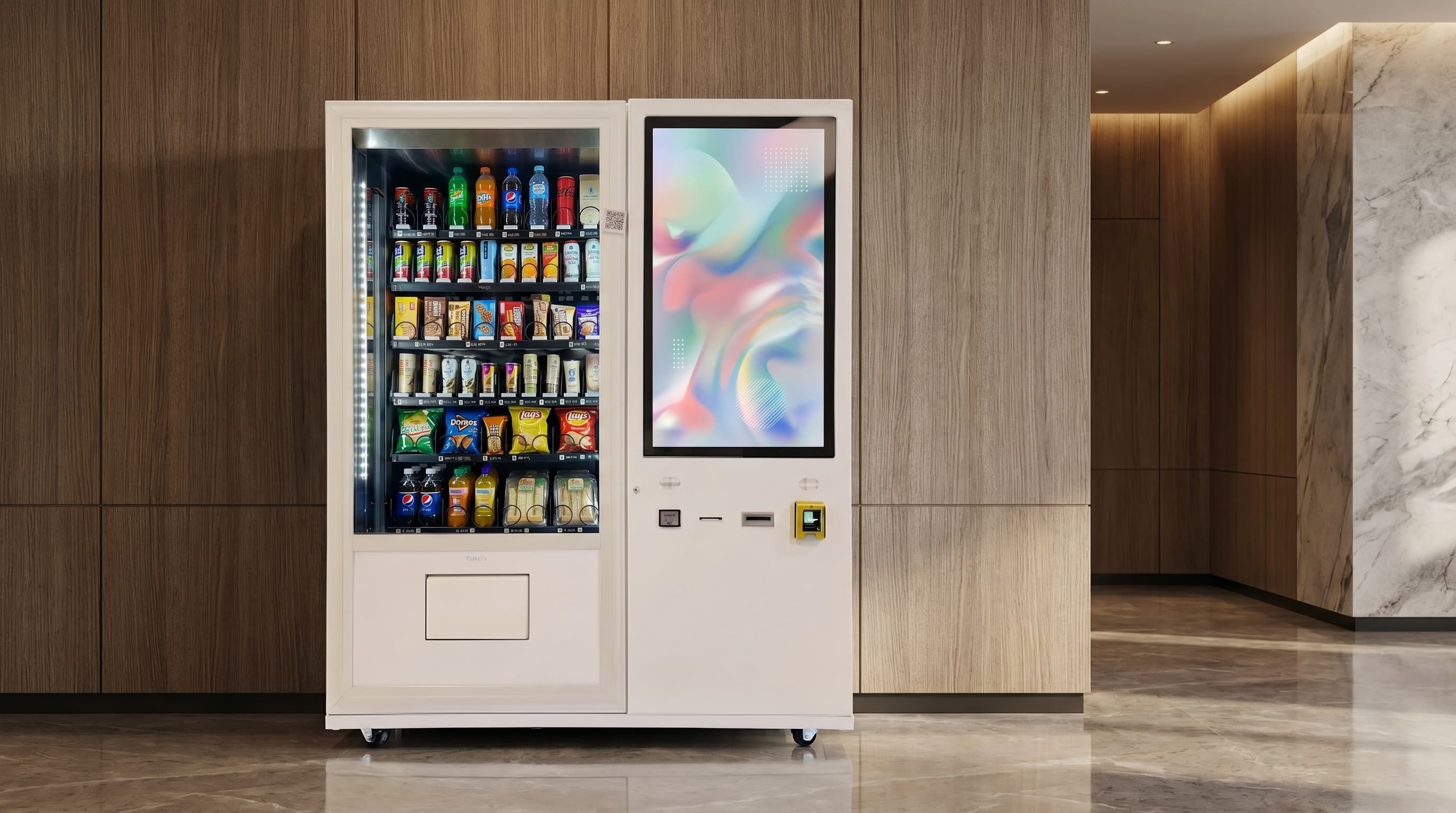
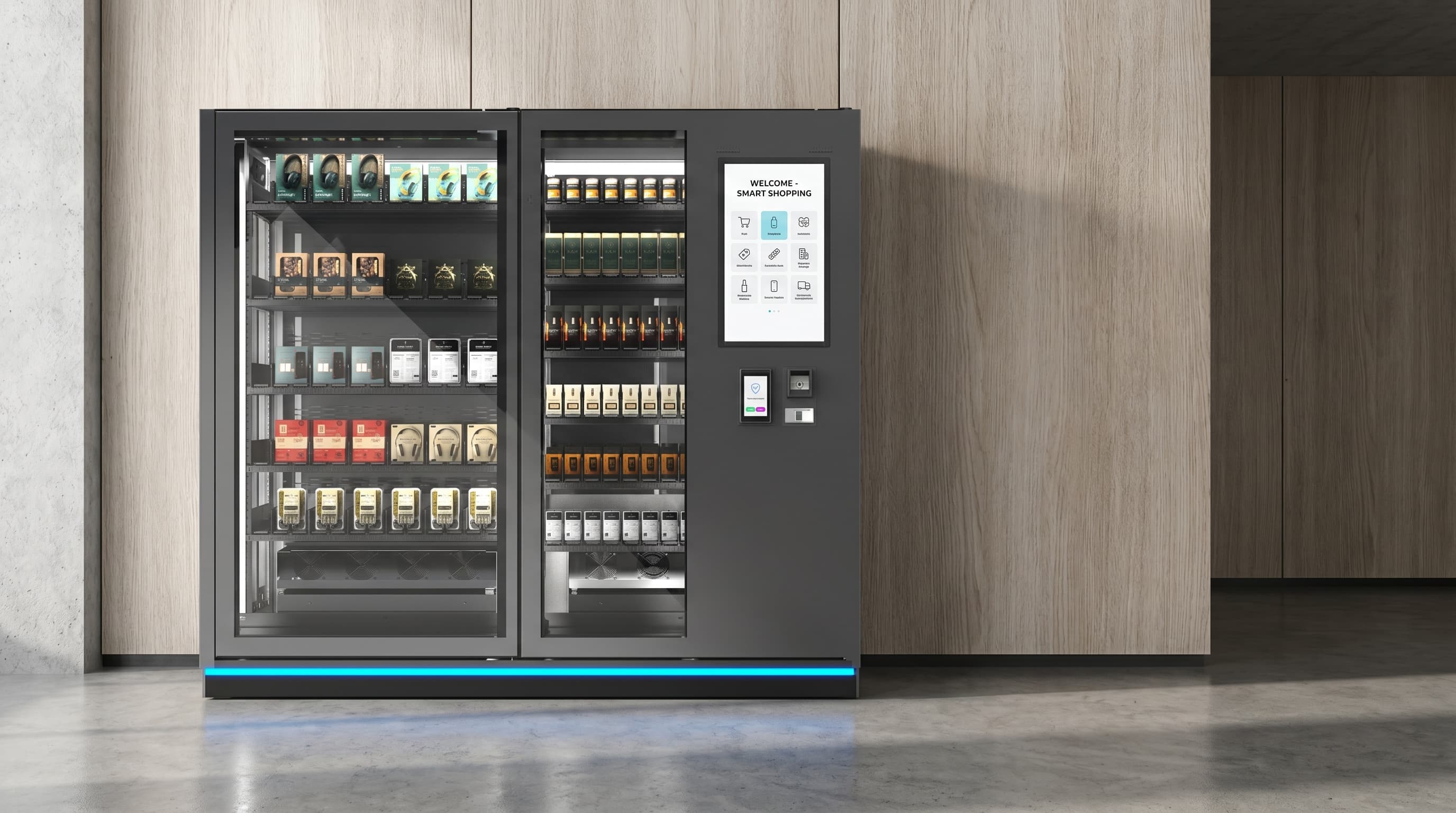
DMVI AI vending machines combine computer vision, AI-powered self-checkout, and smart-fridge hardware to deliver autonomous unattended retail at scale.
IN-STOCK, SHIPS WORLDWIDE FROM CALIFORNIA
An AI vending machine is a vending machine that uses computer vision, machine learning, or both to identify products, recognize shoppers, prevent theft, and personalize the shopping experience (Wikipedia: Computer vision), (Wikipedia: Vending machine). DMVI AI vending machines apply the same hardware lineage as our M-series automated retailers, with added compute, cameras, and weight or RFID sensing to support AI checkout and smart-fridge use cases. Operators most commonly reach this page searching for ai vending machine, autonomous vending machine, smart retail vending machine, or ai vending machine fridge — and the goal here is to give each of those queries a clear, declarative answer. The same chassis that powers our standard smart vending machines is what powers our AI builds, so AI is added on top of a proven hardware platform, not rebuilt from scratch.
Computer vision product recognition
AI self-checkout, product recognition, and machine-side sensing built for real unattended-retail deployments.
Proven M-series hardware base
DMVI layers AI features onto proven touchscreen, cashless, IoT-enabled vending hardware instead of experimental one-off cabinets.
What AI Vending Actually Includes
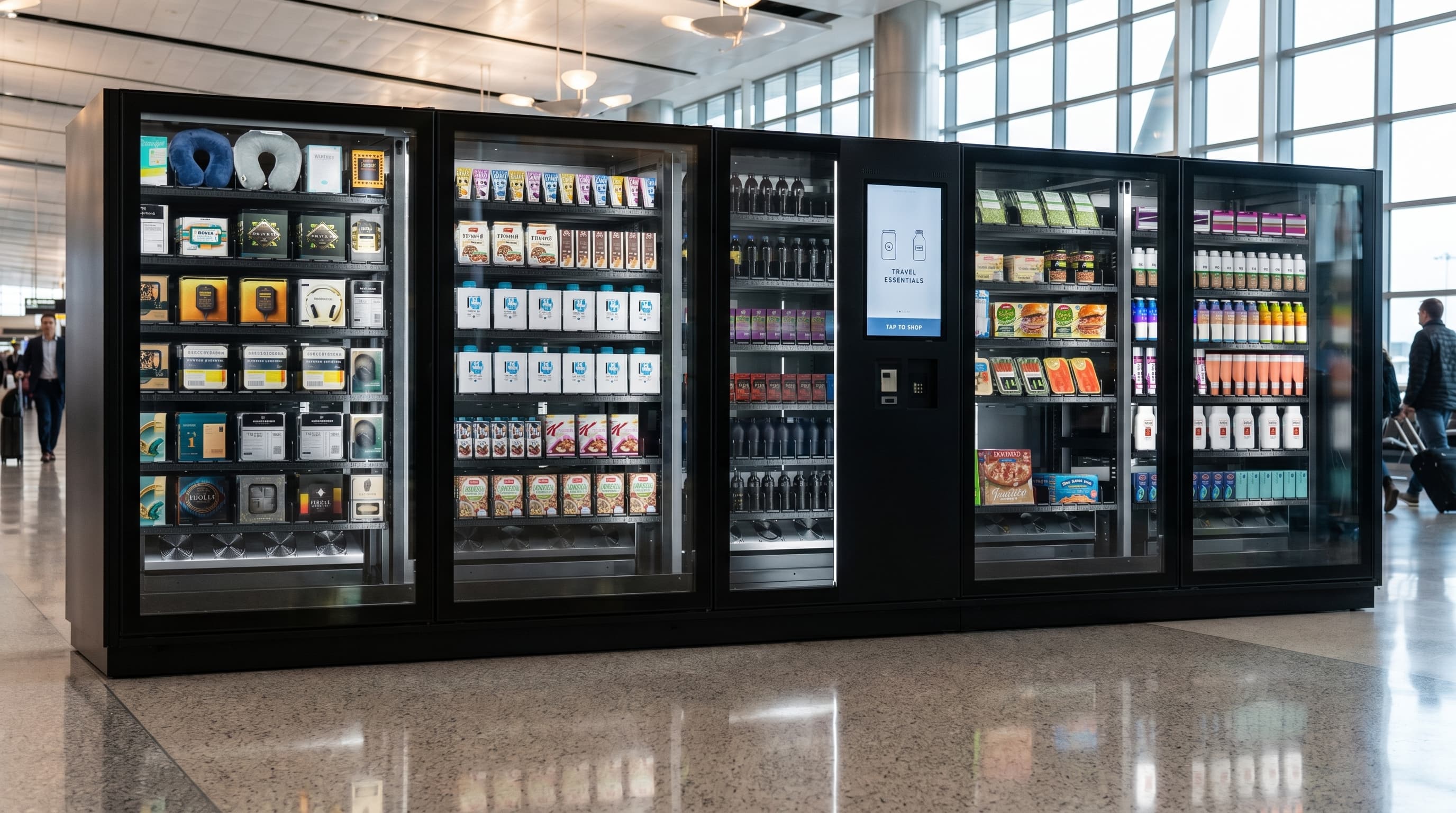
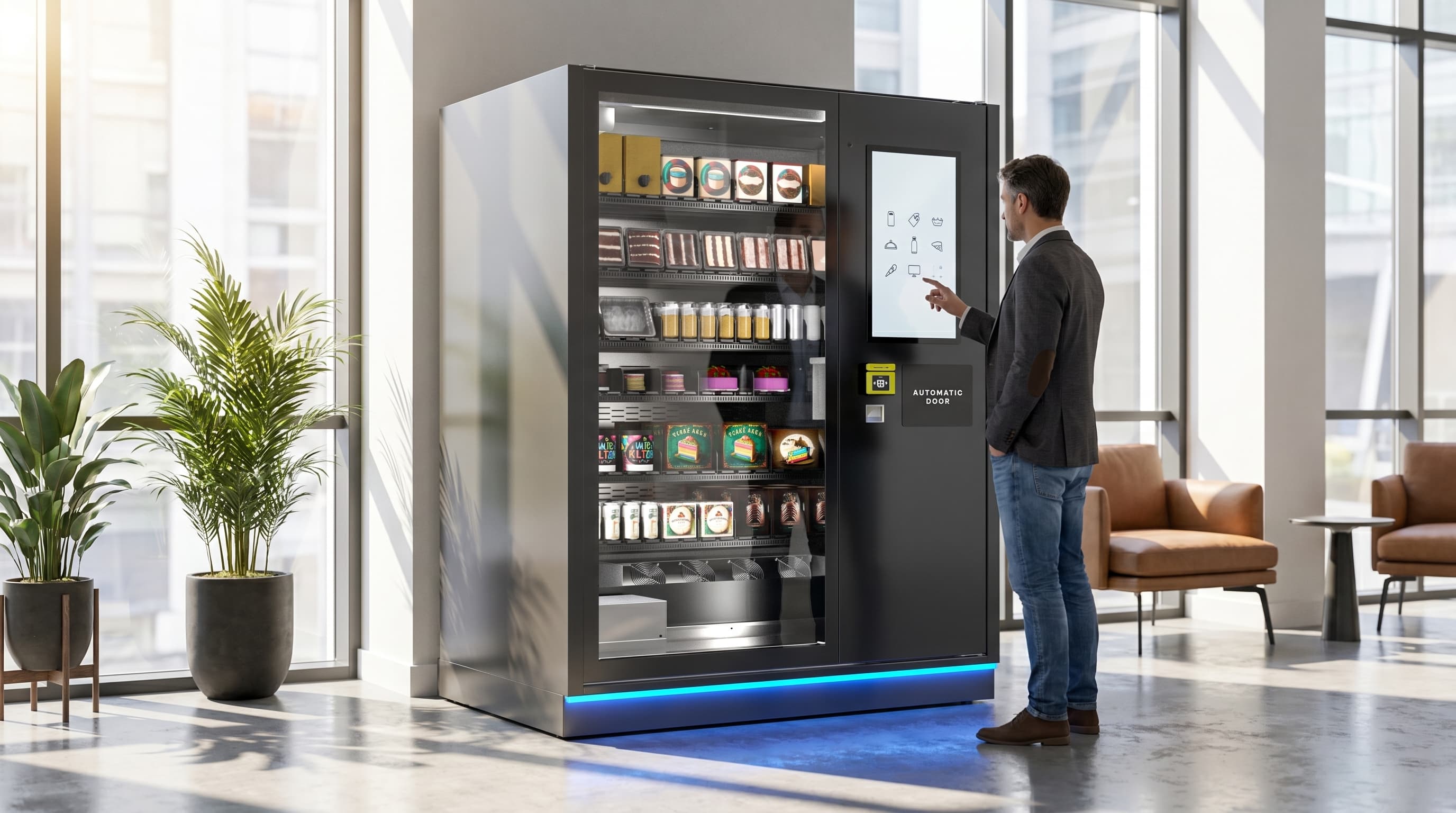
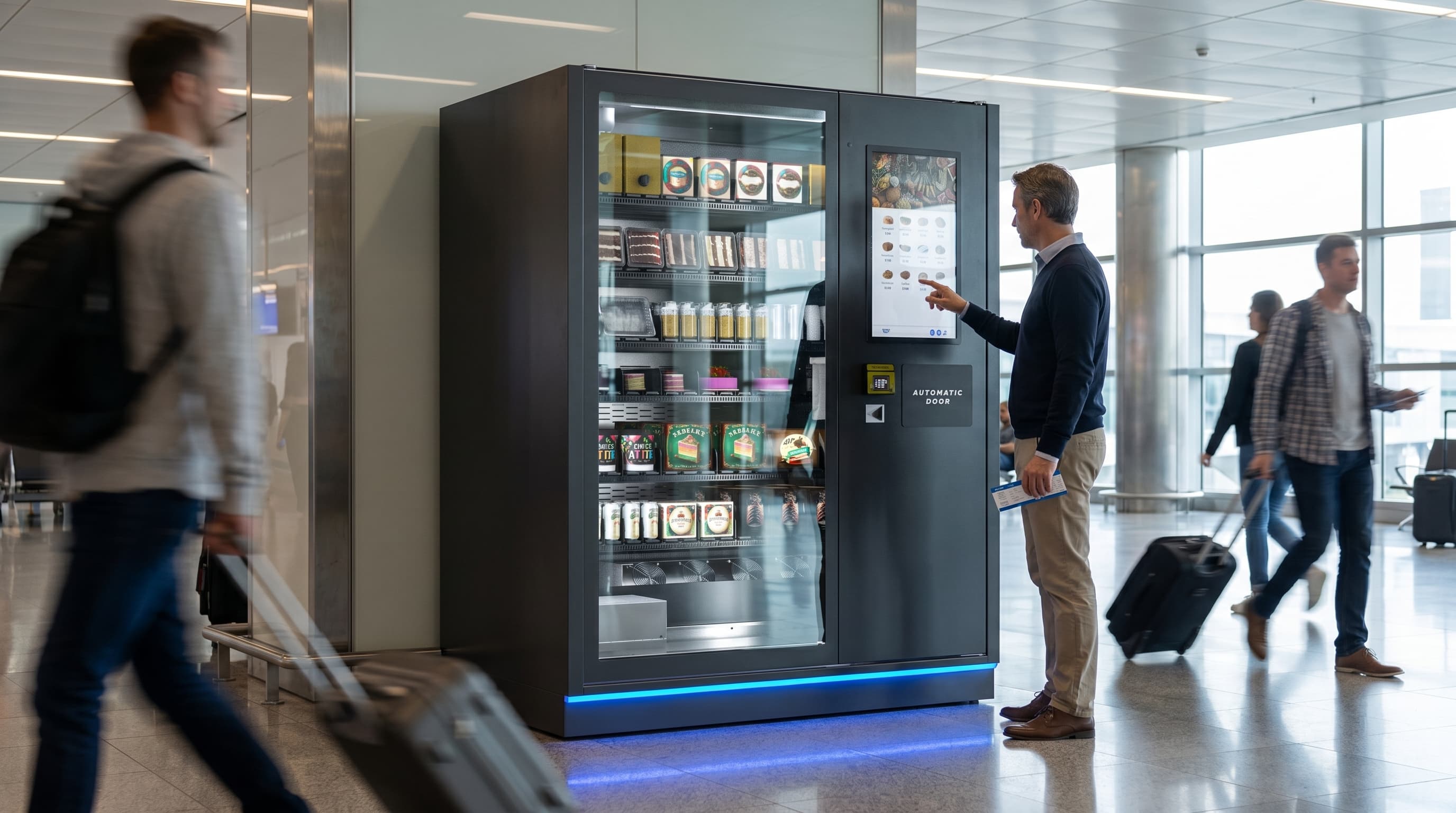
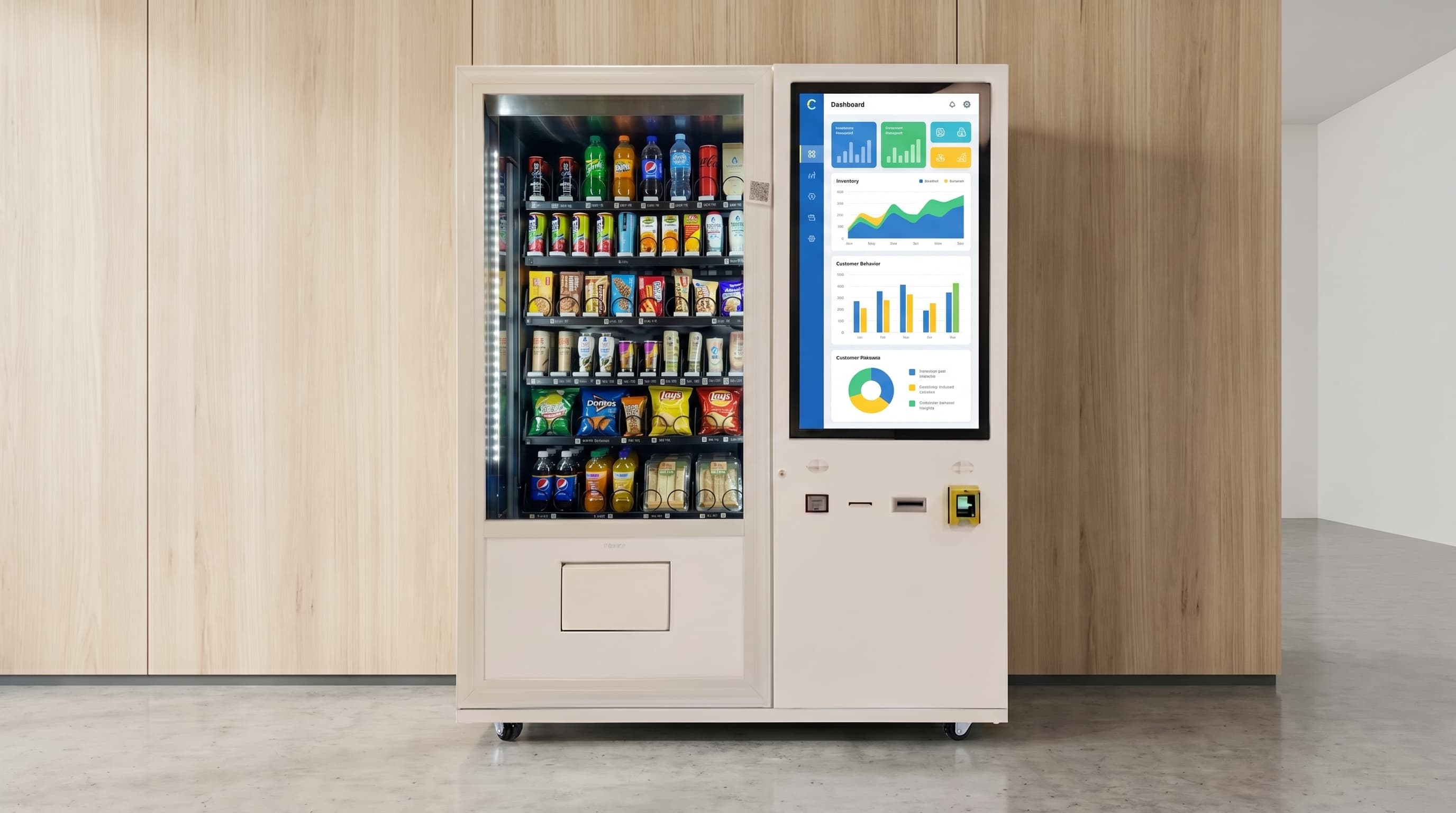
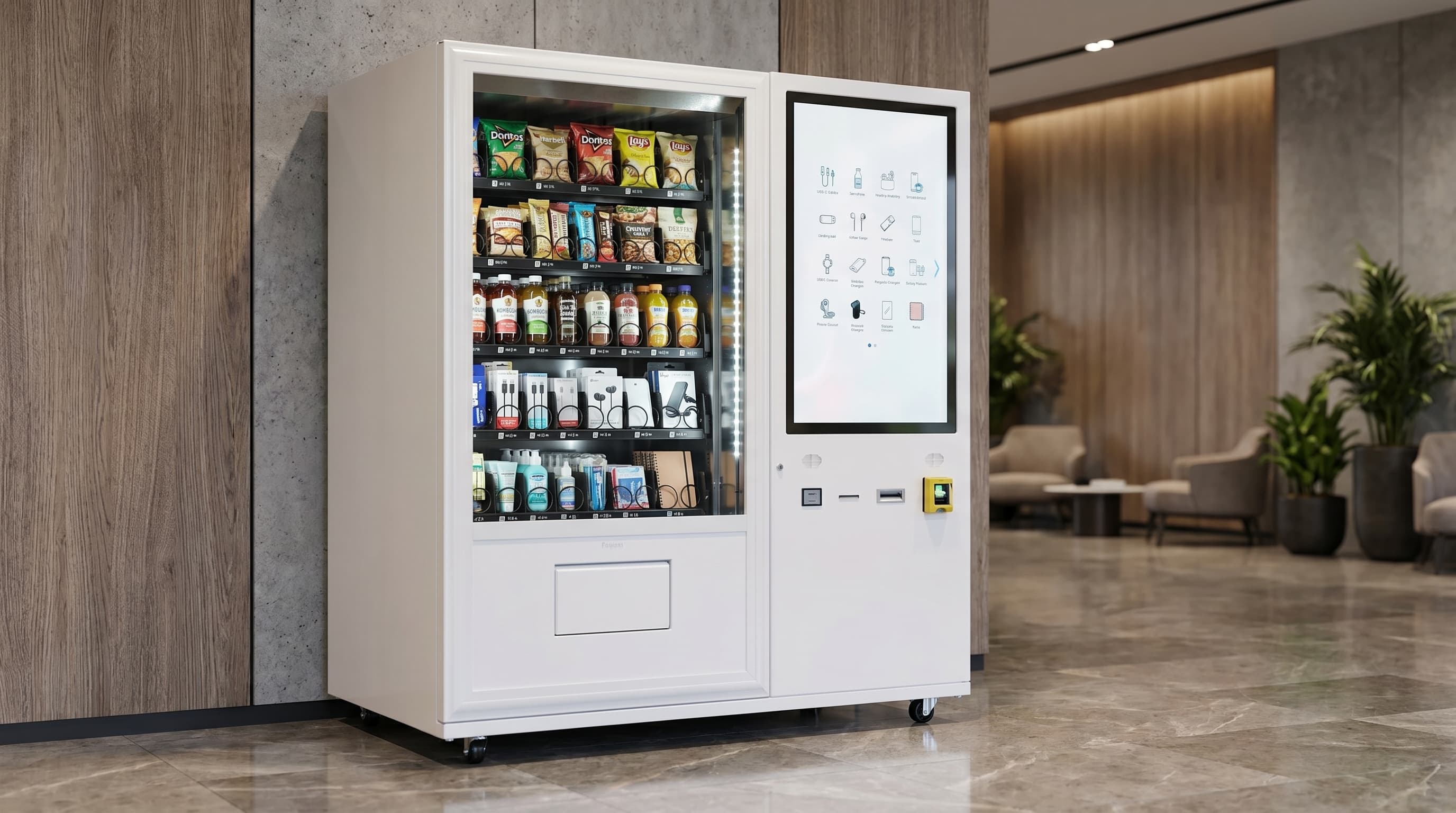
- Computer Vision Product Recognition: Cameras and on-machine compute identify products as they leave the cabinet, supporting AI self-checkout for snacks, beverages, beauty, and refrigerated grocery (Wikipedia: Computer vision).
- Smart Fridge AI Self Checkout: Smart-fridge configurations let shoppers tap, open, take, and walk out, with the AI vending machine handling product detection and charge automatically — same model used across modern micro markets (Cantaloupe).
- Loss Prevention by Design: Controlled-access AI fridges, weight sensors, and computer-vision audit trails reduce shrink in environments where shrink is rising across the broader retail sector (NRF Impact of Retail Theft & Violence 2025).
- AI Product Assistant on Touchscreen: On-screen AI product assistants guide shoppers, answer product questions, and recommend cross-sells, lifting average ticket size on standard touchscreen builds.
- Edge Compute, Cloud Telemetry: AI inference runs on the machine for latency-sensitive vision tasks, with telemetry, planogram, and analytics pushed to VendingTracker for fleet operators.
How AI Vending Works in the Field
What Is an AI Vending Machine? An AI vending machine is an internet-connected vending machine that uses artificial intelligence — typically computer vision and machine learning — to identify products, prevent theft, recognize repeat shoppers, or recommend products inside the shopping flow (Wikipedia: Computer vision). DMVI AI vending machines use the same M-series chassis as our standard smart vending machines, with added cameras, compute, and sensing for AI features. AI is layered onto proven hardware rather than bolted onto a prototype platform, which is why DMVI AI vending machines are deployable at retail scale instead of one-off pilot scale.
AI Vending Machine Use Cases: The most common AI vending machine use cases are AI self-checkout fridges for offices, hotels, and gyms; controlled-access cabinets for nicotine, vape, and age-restricted product; smart micro markets that replace honor-system stores; and brand-led retail concepts that need shopper recognition and personalization. Each use case starts from the same DMVI hardware platform and adds the cameras, sensors, or compute the program needs.
AI Self Checkout and Micro Markets: AI self-checkout micro markets pair an AI vending machine with a smart fridge or open-shelf cabinet so shoppers can grab products and walk out, with billing handled by computer vision and weight sensing in the background (Cantaloupe). DMVI builds AI self-checkout micro markets on the same M-series platform, so operators get a consistent software and service profile across mixed fleets of traditional smart vending machines and AI fridges.
AI Vending Examples
A pair of grounded examples: one showing a practical smart-vending interaction, the other showing a more controlled healthcare-oriented deployment angle. These are illustrative machine examples, not a claim that every AI workflow shown here is universally live on every format.
OTC Smart Vending Demo
A concise machine-side demo that shows the kind of touchscreen-led, controlled purchase flow people actually mean when they talk about smarter unattended retail.
Medical Solutions Overview
A healthcare-oriented example that helps anchor the discussion around controlled access, workflow, and category-specific retail requirements.
Best Use Cases for AI Vending Machines
AI vending works best when the machine needs to do more than simply dispense a product. These are the environments where better UX, cashless buying, digital merchandising, and remote oversight earn their keep.
Offices and tech campuses
Modern self-service for snacks, meals, drinks, and convenience products with less staffing overhead and better remote control.
Hotels and residential towers
Cashless, always-on retail in lobbies, amenity areas, and common spaces where guests and residents expect convenience.
Gyms and wellness spaces
Supplements, drinks, hygiene, recovery, and branded promotions in a format that fits health-driven self-service retail.
Hospitals and healthcare sites
Reliable cashless purchasing, better stock visibility, and more controlled merchandising for essential on-site convenience.
Universities and campuses
High-traffic unattended retail that can handle long hours, diverse product mixes, and a need for easier fleet oversight.
Brand activations and experiential retail
Interactive vending for sampling, storytelling, launches, lead capture, and more memorable D2C or venue-based retail moments.
Talk to DMVI About Your AI Vending Machine Project
Whether you need a touchscreen machine for snacks, drinks, fresh food, wellness products, electronics, or a more specialised intelligent-retail concept, DMVI can help you map the right machine, workflow, software layer, and rollout path.
FAQs
An AI vending machine is a vending machine that uses computer vision and machine learning to identify products, prevent theft, recognize repeat shoppers, or recommend products. DMVI AI vending machines run AI inference on the machine itself for latency-sensitive vision tasks, then push telemetry and analytics to VendingTracker for fleet operators.
AI vending machines pair cameras and on-machine compute with a touchscreen UI and standard cashless payment hardware. Computer vision identifies products as they leave the cabinet, weight or RFID sensing confirms the take, and the system charges the shopper without manual scanning. Operators see the same telemetry as on a standard smart vending machine, plus AI event data.
An AI vending machine fridge is a controlled-access smart fridge that uses computer vision and weight sensing to enable a tap-open-grab-go shopper experience. The fridge identifies products taken and charges the shopper automatically, supporting micro-market style retail without staff or honor-system risk.
Yes. Controlled-access AI fridges, weight sensors, and computer-vision audit trails are designed specifically for shrink reduction. They are commonly used in environments where retail theft pressure is rising across traditional brick-and-mortar formats.
AI vending machines and AI smart fridges are widely used to replace small unattended retail formats — break rooms, hotel lobbies, gym pro shops, and dorm convenience areas — that previously ran on honor systems or limited staff. Larger, full-format convenience stores are typically served by larger AI micro-market deployments instead. For many DMVI-style deployments, the typical starting conversation is often in the roughly $5,000 to $20,000 range depending on format, refrigeration, and software scope.