
Electronic Lockers — Smart Locker Systems for Pickup, Handover, and Managed Storage
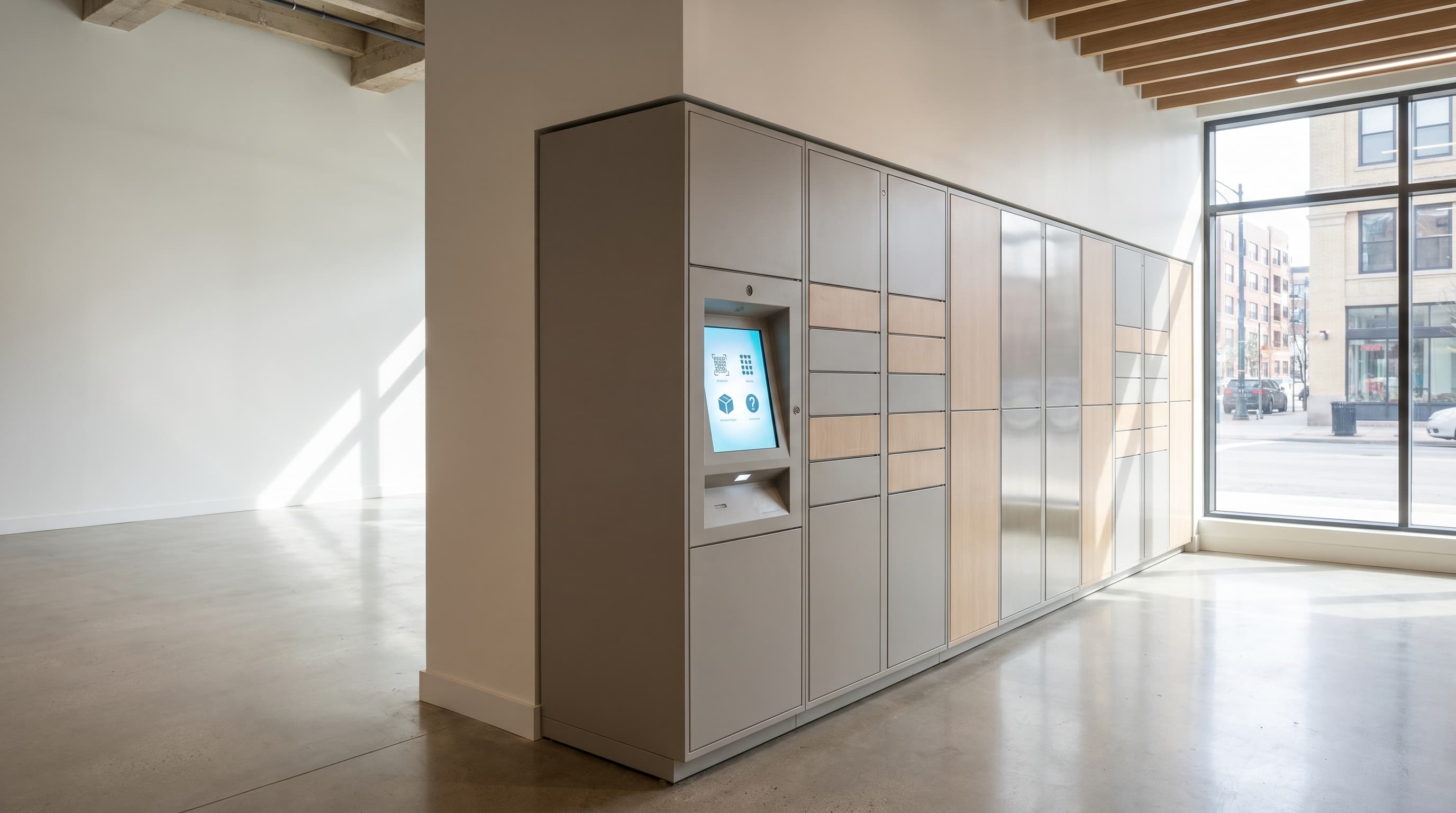
An electronic locker is a software-managed, electromechanical storage compartment system that authenticates a depositor, holds a parcel, asset, food order, or document, and releases it to an authenticated recipient through PIN, QR, RFID/NFC, barcode, mobile-app, or operator-override access (Wikipedia: Smart lock). DMVI supplies electronic locker systems across parcel collection, food collection, workplace day-use, asset management, secure handover, locker rental, and locker vending workflows. Use this hub when the operating model is still being chosen, then jump into the specialist page that fits the real job.
Start with the workflow
How to choose the right locker workflow
Most failed locker projects pick the cabinet first and the workflow second. The sensible order is the reverse. Choose the workflow first — who deposits, who collects, what the timing window looks like, and what happens on a missed pickup — and the cabinet, access method, and software depth fall out of that.
Use this hub when the operating model is still being chosen. If you already know you need a mixed self-service transaction flow covering sale, pickup, return, release, or authenticated collection, go straight to Locker Vending Systems.
If the project is already clearly parcel, food, workplace, asset-management, secure-handover, or rental led, jump straight to the specialist page instead of reading the whole cluster front to back.
Fast routing guide
- Use the hub: when the workflow itself is still being chosen.
- Use Locker Vending Systems: when the project is a mixed self-service transaction model.
- Use Food Collection: when buyer intent is timed prepared-order pickup with optional ambient, heated, or chilled zoning.
- Use Workplace Lockers: when the model is hot-desking or shift-based day-use storage.
- Use the specialist pages: when parcel, asset control, secure handover, or timed rental is already the real job.
Workflow catalogue
Choose the workflow first. That is more useful than browsing electronic lockers as if every deployment were solving the same operational problem.
Parcel and click-and-collect lockers
Retail click-and-collect, courier deposit, residential pickup, and out-of-hours collection workflows.
Food collection lockers
Prepared-order pickup with ambient, heated, chilled, or mixed-zone configurations.
Temperature-controlled lockers
Food, pharmaceutical, clinical, and specialist workflows where holding temperature, hold period, and alerting matter.
Asset management lockers
Tools, IT devices, PPE, keys, radios, and other accountable equipment with issue-and-return discipline.
Workplace and employee lockers
Hot-desking, day-use, shift-based, and visitor storage with managed allocation.
Secure and controlled-access storage
Restricted handovers, sensitive document exchange, and other regulated access workflows.
Locker rental systems
Timed-use, paid-access, and managed short-term storage for visitors and public-facing environments.
Locker vending systems
Mixed self-service transaction layers for sell, release, pickup, return, and authenticated handover workflows.
Browse locker workflows
Choose the specialist page that matches the operating model
Start with the handover model, not the cabinet style. That keeps the scoping grounded in the real workflow instead of turning the project into a beauty contest between locker banks.
Workplace Lockers
Hybrid-office, day-use, visitor, and shift-based staff storage with software-led allocation, reset rules, and occupancy visibility.
Food Collection Lockers
Staffless prepared-order pickup with software-led timing, zoning, notifications, and exception handling for foodservice workflows.
Parcel Lockers
Click-and-collect, courier deposit, residential pickup, and out-of-hours parcel collection workflows.
Asset Management Lockers
Issue, return, audit, and controlled access for tools, devices, PPE, keys, and other accountable equipment.
Secure Handover Lockers
Authenticated release for documents, keys, parts, service items, and other sensitive handovers.
Locker Rental Systems
Timed-use, paid-access, visitor storage, and other managed short-term locker workflows.
Locker Vending Systems
The transaction-led page for self-service sales, pickup, release, and return workflows when the software layer is doing the commercial heavy lifting.
What to scope before you ask for price
- Start with the handover model | Who deposits, who collects, what the timing window looks like, and what happens on a missed pickup matter more than browsing cabinet photos first.
- Confirm compartment and access logic | Locker count, compartment mix, PIN versus QR versus RFID/NFC, permissions, and audit depth all affect the practical system shape.
- Scope environment and thermal needs | Indoor versus outdoor exposure, vandal resistance, ingress protection, connectivity, and ambient or chilled requirements should be nailed down early.
- Price from the real workflow | Electronic locker pricing depends on cabinet count, compartment planning, access method, thermal capability, software depth, and deployment country rather than a tidy universal list price.
Need help choosing the right locker workflow?
Tell DMVI what is being stored, who deposits, who collects, whether the system needs to sell, rent, release, collect, or manage returns, and what environment it will live in. That is the fastest route to a sensible locker specification.
Frequently asked questions
An electronic locker system is a software-managed bank of electromechanical compartments that authenticate users via PIN, QR code, RFID/NFC, barcode, mobile app, or operator override before releasing contents to a named recipient. It is closer to an operational workflow platform than a row of cabinets because assignment, notifications, audit trail, and exception handling are part of the product.
Electronic lockers support parcel pickup, prepared-food collection, workplace day-use storage, asset issue and return, secure handover, timed-use rental, and broader self-service transaction workflows. The right starting point is the handover model — who deposits, who collects, and what timing matters — not the cabinet style.
Electronic locker pricing depends on cabinet count, compartment mix, access method, thermal capability, software depth, and deployment country. Single-bank deployments are scoped on a per-project basis rather than a fixed list price, and DMVI can return a real number once the workflow, compartment plan, and integration scope are confirmed.
Some electronic locker configurations are suitable for sheltered outdoor use, but suitability depends on ingress protection rating, vandal resistance, weather exposure, connectivity, and site-specific conditions. Outdoor suitability should be confirmed during scoping for the actual environment rather than assumed from a category page.
Start at the hub if the workflow itself is still being chosen — parcel, food, asset, handover, rental, workplace, or mixed transaction. Jump straight to the specialist page when the operating model is already clear. Locker Vending Systems is the right page for mixed self-service transactions and the highest-traffic locker subpage.