Custom Vending Machine Cost — Real Pricing Bands and What Drives the Quote
Most DMVI custom vending machine projects land between $5,000 and $12,000 per machine; the lowest at scale come in around $2,000, the highest reach $70,000.
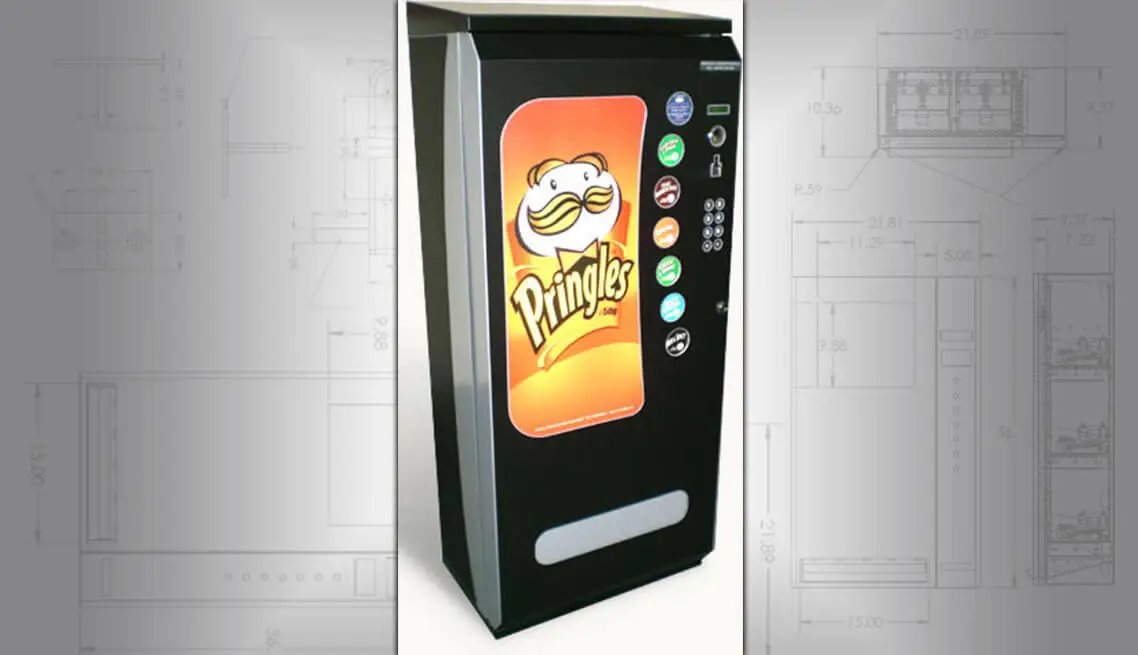
A custom vending machine cost is the all-in unit price for a vending machine engineered around a buyer's specific products, branding, and operational requirements rather than a stock cabinet (Wikipedia: Vending machine).
Real-world DMVI custom vending machine projects span a wide band: at large manufacturing volumes the lowest projects DMVI has seen come in around $2,000 per machine; the highest reach $70,000 per machine; most serious custom projects land closer to $5,000–$12,000 per machine once the scope, hardware path, and production volume are locked.
MOST PROJECTS $5,000–$12,000 PER MACHINE
There is no honest flat-rate price for a real custom build — the quote is shaped by engineering scope, refrigeration, software, integrations, and rollout volume.
The Real Cost Drivers
Custom vending machine cost is driven by five buckets, not one:
Engineering scope. A from-scratch mechanical and electrical design carries the most cost. Adapting a proven platform (M-Series, Slimline) to a new product or new branding is dramatically cheaper. Most custom briefs do not actually need a from-scratch chassis — they need configuration on a real platform.
Hardware path. Refrigeration, custom dispense logic, unusual product handling (large boxes, heavy items, fragile glass), and security-grade locking all add cost.
Software and integrations. Touchscreen UX, cloud management, reporting, cashless payments (Wikipedia: MDB/ICP), (Nayax: Vending payment and telemetry), DEX-format event reporting (Wikipedia: DEX (protocol)), age-restricted workflows, ERP/POS integrations, and regulated deployment logic each move the implementation cost and recurring software scope.
Production volume. A promotional one-off, a 10-unit pilot, and a 500-unit national rollout have very different per-unit economics because tooling, testing, and deployment scale differently.
Retrofit vs new. If the existing machine path is technically sound, a controller modernization or retrofit is often dramatically cheaper than replacing every cabinet.
A CONFIGURED PLATFORM IS OFTEN THE SMARTER BUY
Main Cost Drivers in a Serious Custom Project
| Cost Driver | Typical Effect on Quote |
|---|---|
| From-scratch mechanical/electrical design | Largest single swing — adds tens of thousands per program |
| Refrigeration and temperature control | Significant — adds compressor, insulation, and validation |
| Custom dispense logic / unusual product handling | Significant — new tray geometry and firmware |
| Touchscreen size and UX customization | Moderate — 21–50 inch range, branded UI development |
| Cashless / NFC payment hardware (Apple Pay, Google Pay, Samsung Pay) | Standardized — MDB-bus card readers |
| ERP / POS / loss-prevention integration | Moderate — bespoke API work |
| Age-restricted / regulated deployment workflow | Moderate — gating, ID, and compliance logic |
| Production volume (1, 10, 100, 500+) | Largest reciprocal swing — per-unit cost falls fast |
| Retrofit vs new build | Retrofit can be much cheaper if hardware is sound |
Software and Fleet Economics
A custom vending machine quote is shaped by the software lane and the deployment model as much as by the cabinet.
Fleet-scale software changes the real cost profile
A 50-unit fleet running on the DMVI OS dashboard with cashless-only payments costs the operator less to run per machine per year than a smaller fleet still using cash boxes and route runs to empty bill stackers.
Retrofit can change the answer fast
If the hardware path is sound, controller modernization, payment-hardware retrofit, or software uplift can beat a full cabinet replacement on cost and time.
Three-year program economics matter more than sticker shock
The real question is not "how much does the machine cost" — it is "what does the program cost over three years, and what revenue does it lift."
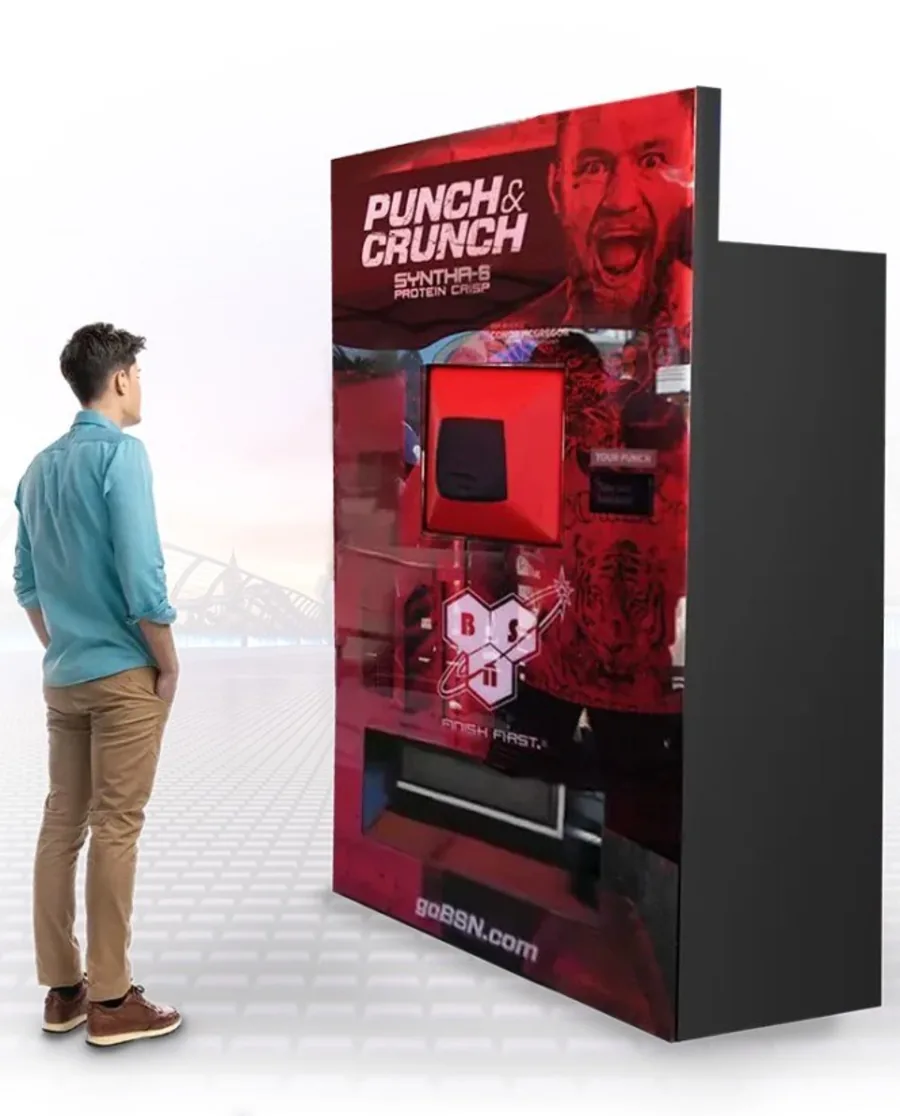
The cabinet is only one part of the quote
Connected software, integrations, rollout volume, and field realities often decide whether a project is commercially sensible long before decorative renderings do.
What to Bring to a Pricing Conversation
That set turns a vague pricing call into a real quote.
Product type and SKU geometry
Explain what the machine must vend, how large it is, how fragile it is, and what makes the package awkward.
Machine shortlist
Bring Slimline, M-Series, custom, or simply "we do not know yet" so the pricing discussion starts honestly.
Expected location count and venue type
A hotel lobby concept, a campus fleet, and a regulated rollout are different commercial jobs.
Required quantity per region
Unit economics change fast once manufacturing volume and geographic spread are clear.
Payment assumptions
Cash, cashless-only, NFC, age-gate, and other checkout assumptions all affect scope.
Software needs
Call out DMVI OS, ERP/POS integration, branded UI, reporting, or administrative control requirements.
Branding and compliance scope
Age-restricted, prescription, alcohol, or regulated programs need more than pretty skins and logos.
Rollout timeline
A launch in six weeks and a launch next year should not be priced the same way.
Bring the Real Scope and We’ll Price the Real Project
Tell us what product you want to vend, where the machine will operate, what must be custom, and what software or integration requirements matter. That is how the right hardware and cost lane become clear.
FAQs
A custom vending machine typically costs between $5,000 and $12,000 per machine for serious DMVI projects once scope, hardware path, and production volume are locked. At large manufacturing volumes the lowest DMVI projects have come in around $2,000 per machine; the highest have reached about $70,000 per machine for engineering-heavy from-scratch builds.
From-scratch mechanical and electrical engineering is the largest single cost driver, followed by refrigeration, custom dispense logic, unusual product handling, deeper ERP/POS or loss-prevention integrations, age-restricted compliance workflows, and low-volume one-off production runs. A from-scratch chassis and a 10-unit pilot together are far more expensive per machine than a 500-unit configuration on a proven platform.
No. Many buyers reach the commercial objective faster and more cost-efficiently by adapting a proven DMVI platform (M-Series, Slimline) to their products, branding, and software needs rather than insisting on a from-scratch cabinet for its own sake. Real custom is sometimes the answer; configuration on a real platform is more often the right answer.
Yes. Touchscreen UX, cloud management, reporting, cashless and NFC payments, DEX-format event reporting, age-restricted workflows, and ERP/POS integrations all change implementation cost and recurring software scope. A cabinet that ships with a real OS and clean APIs is more expensive than a stock unit but cheaper to operate over a three-year fleet horizon.
Sometimes yes. If the existing machine path is mechanically and electrically sound, a controller modernization, payment-hardware retrofit, or software upgrade can be far cheaper than replacing every cabinet. DMVI runs a hardware review before recommending retrofit vs new — the answer is rarely obvious from a deck and almost never from a website form.