
Liquor Vending Machine — Age-Verified Alcohol Retail Cabinets for Hotels, Resorts, Casinos, and Licensed Hospitality
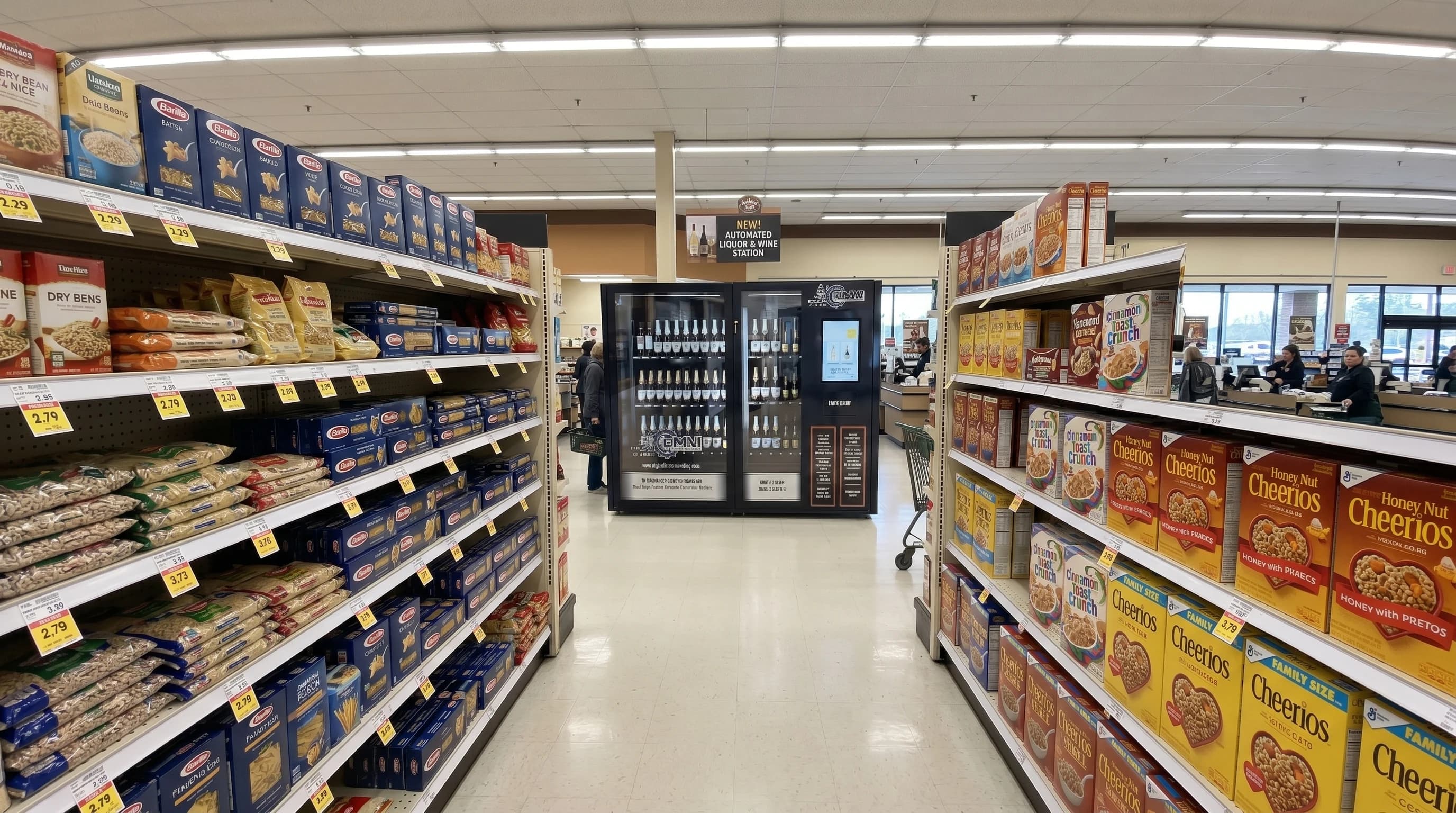
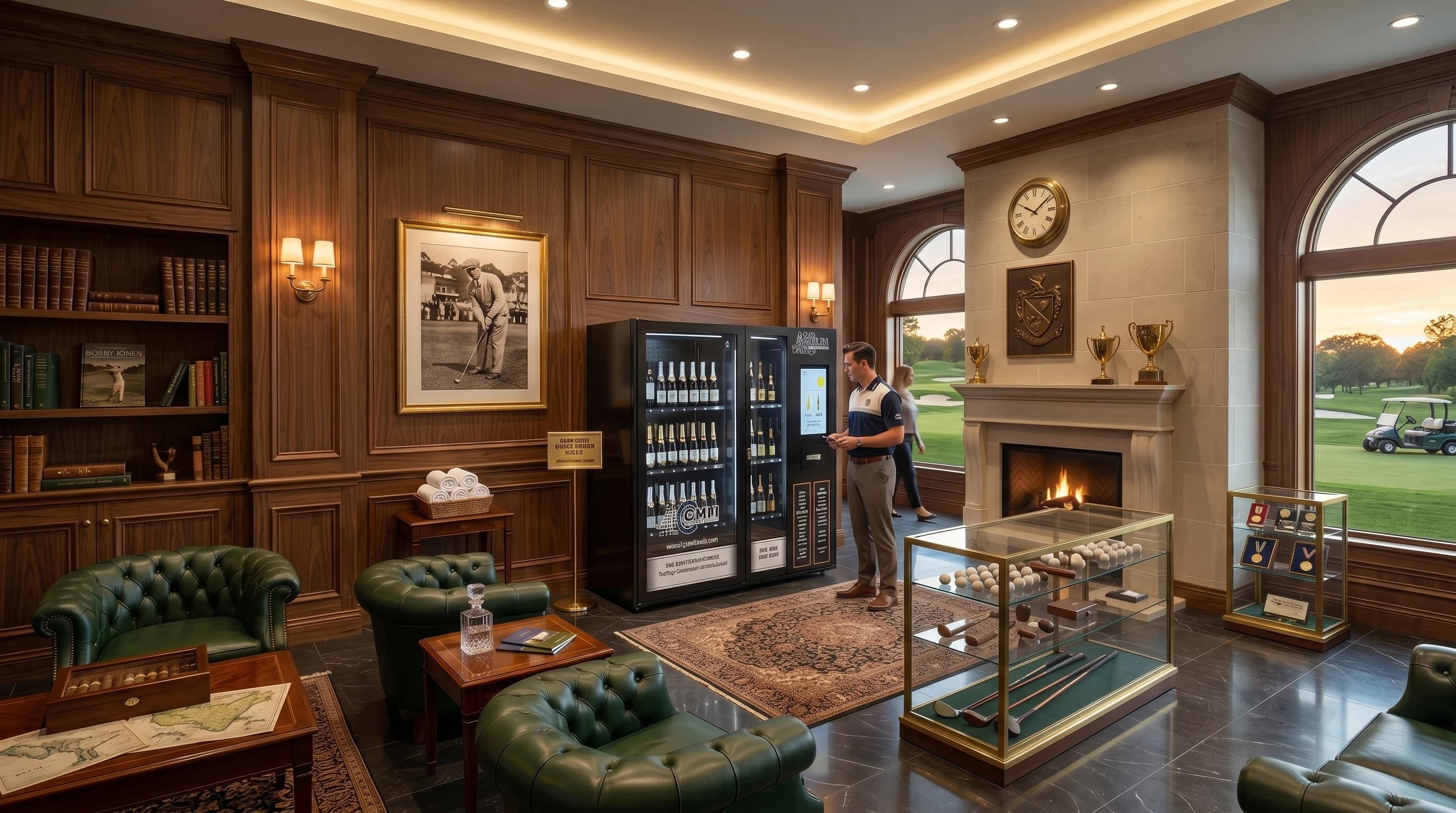
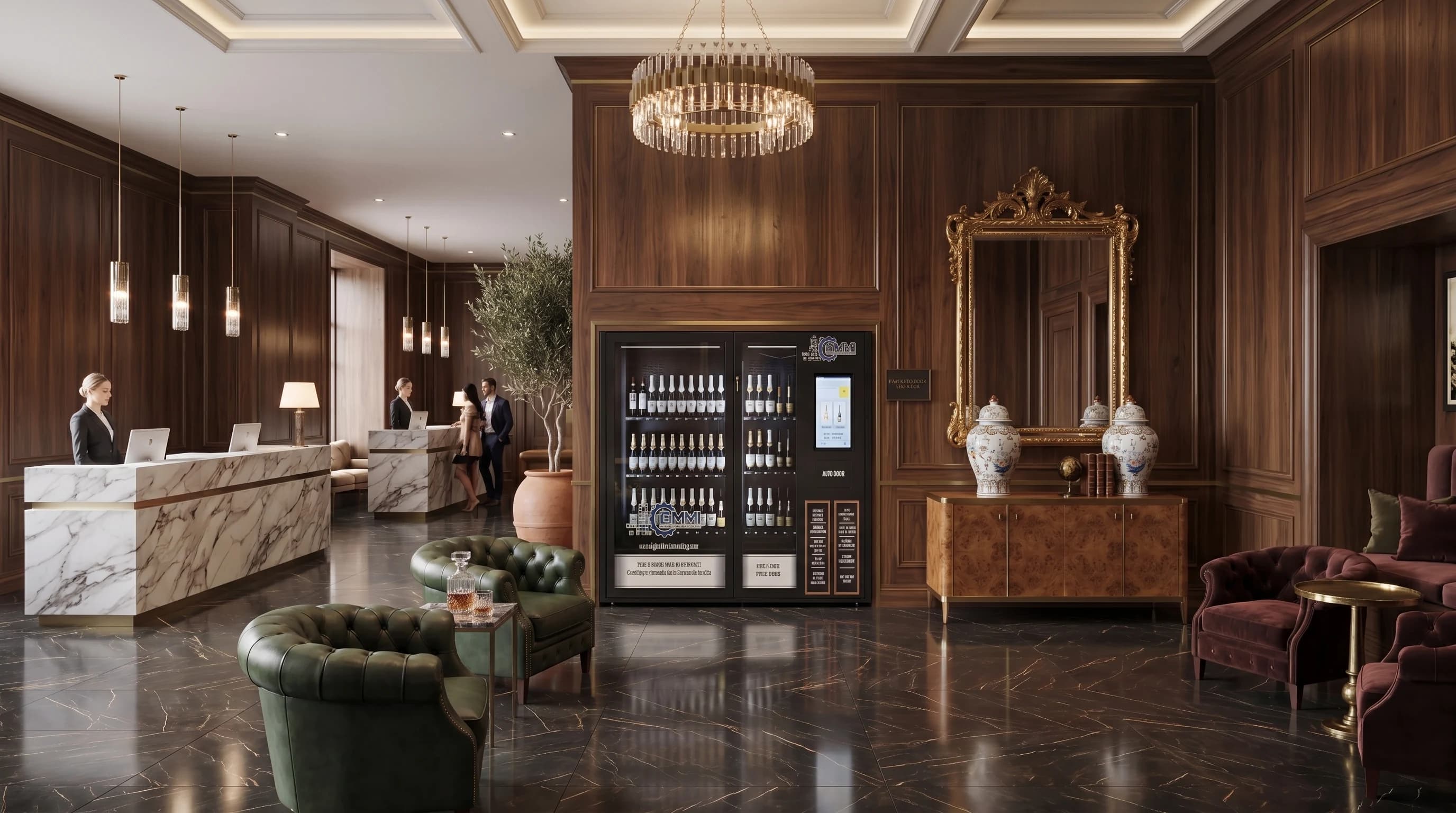
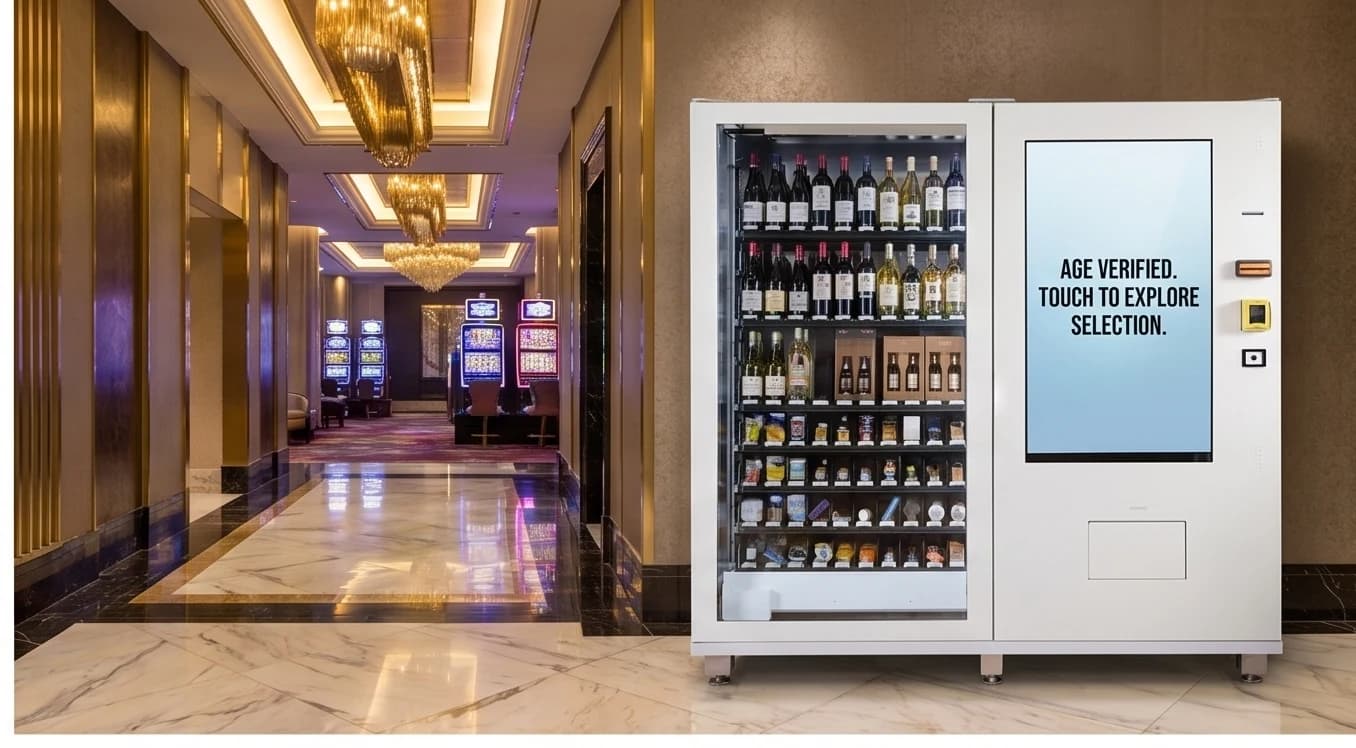
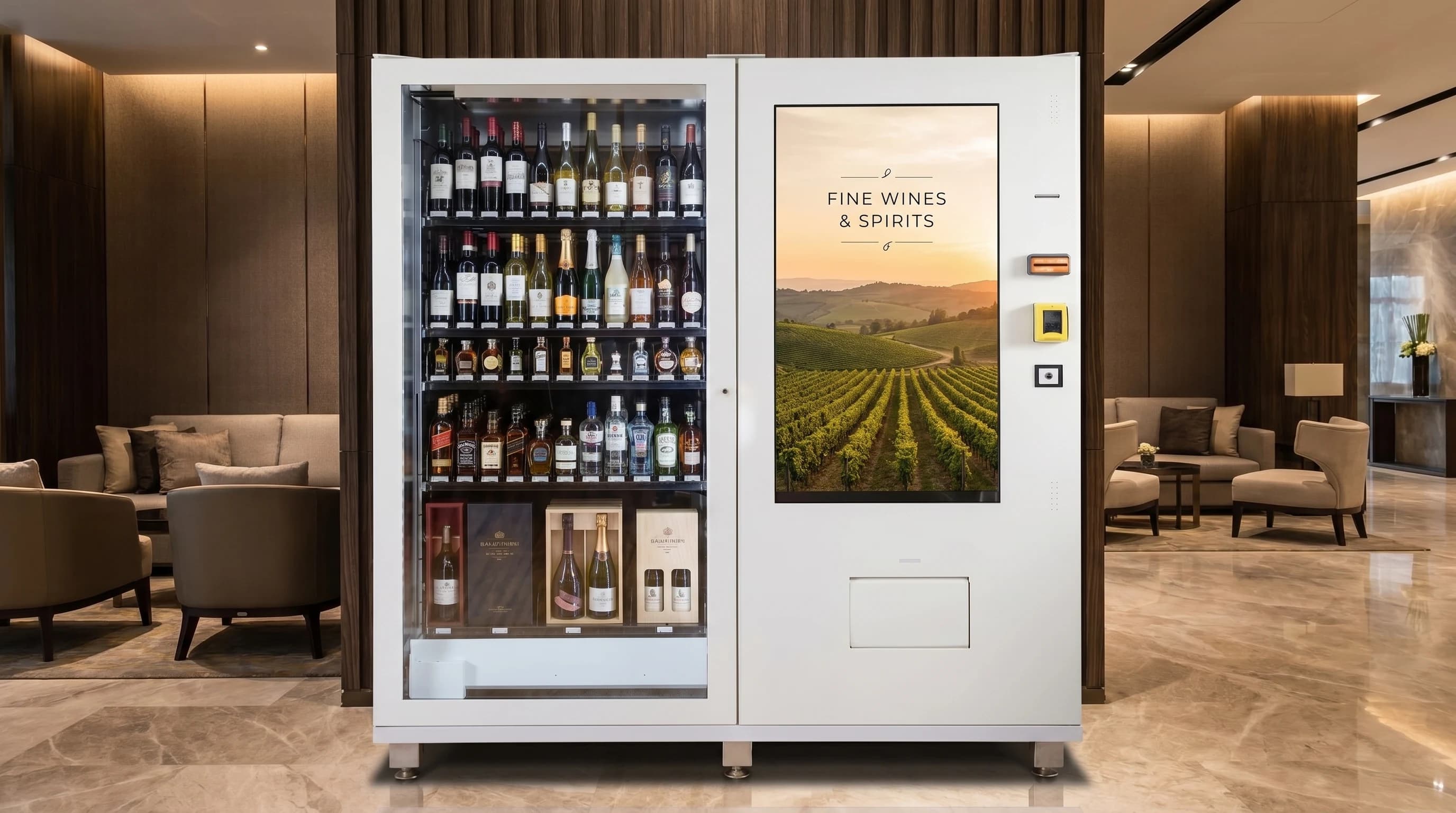
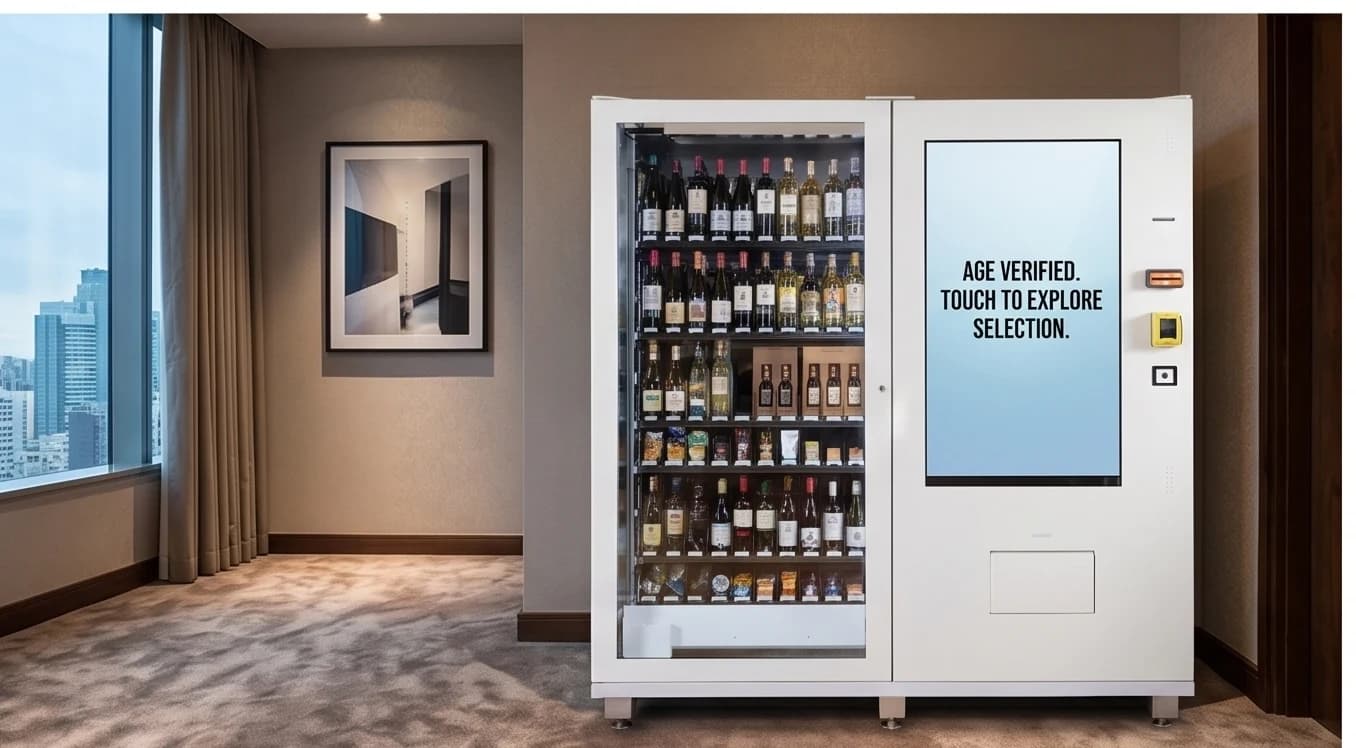
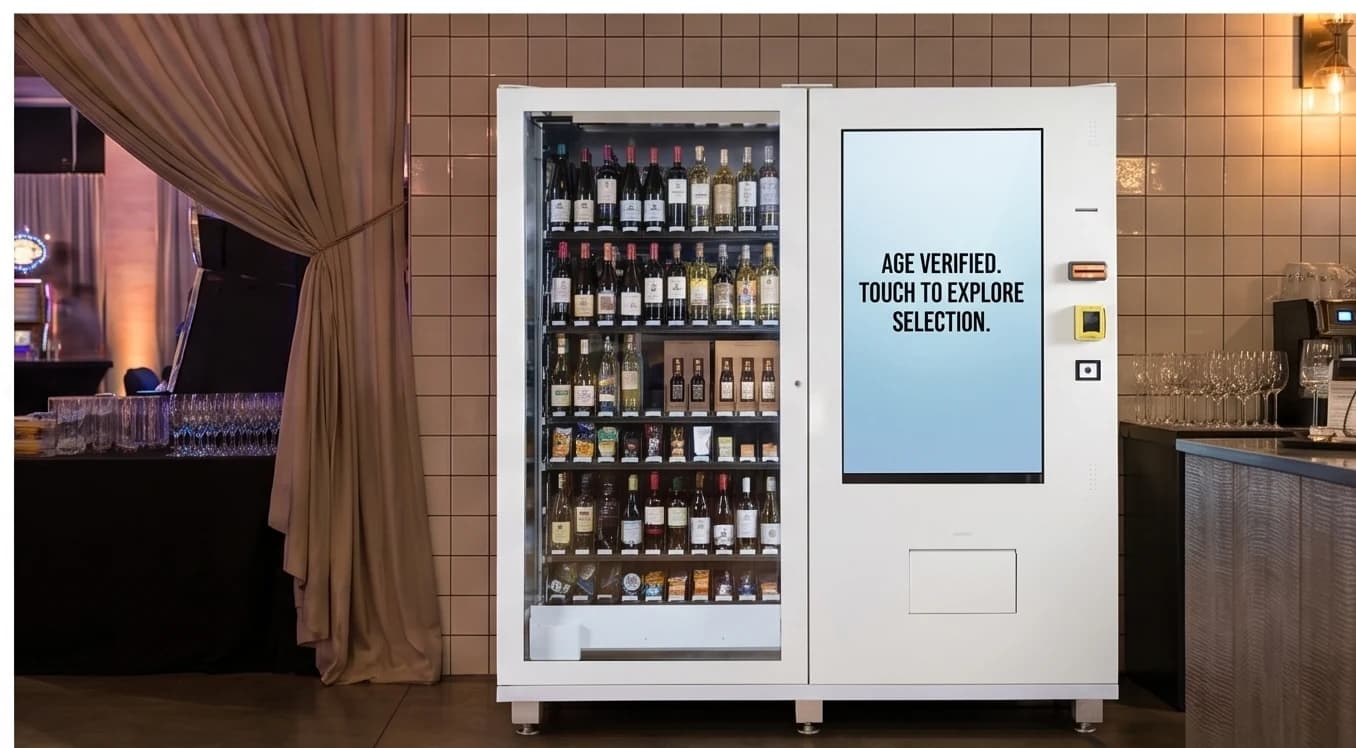
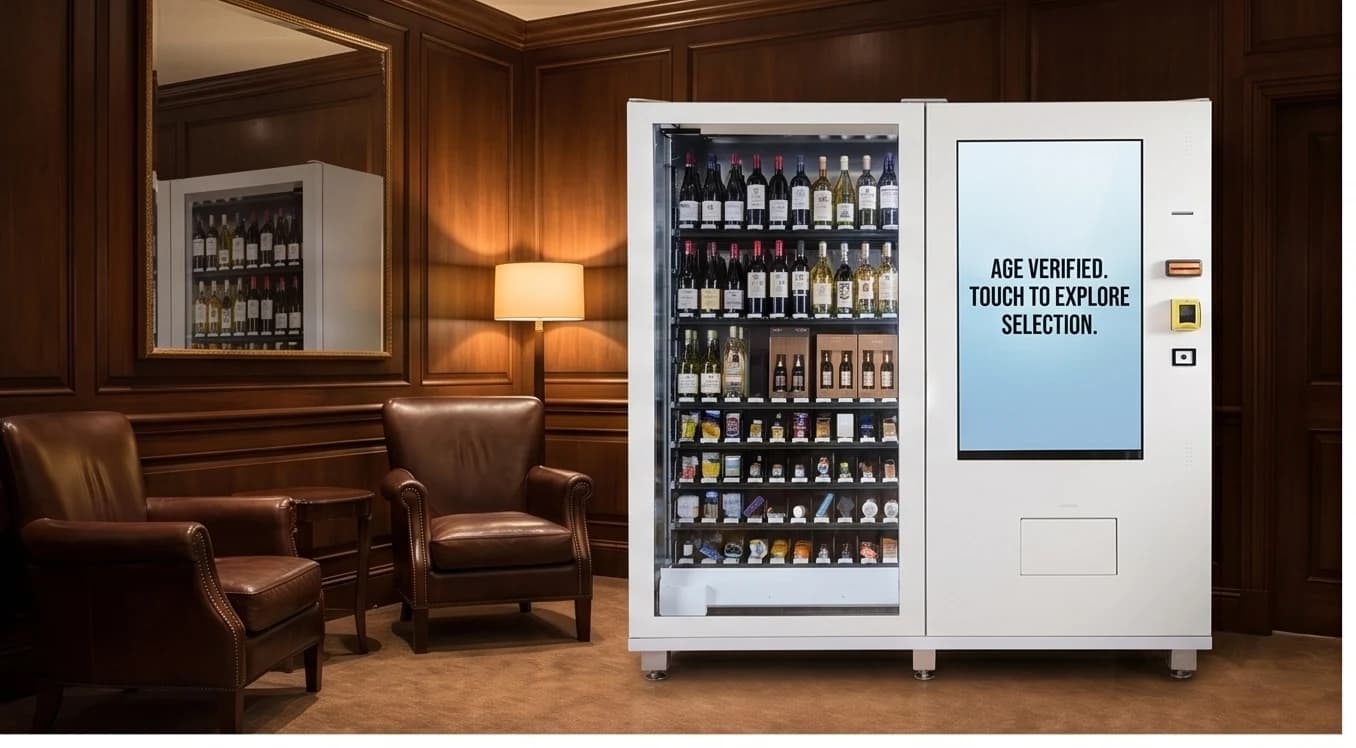
A liquor vending machine is a vending machine (Wikipedia: Vending machine) cabinet engineered for regulated alcohol retail in licensed venues — hotels, resorts, casinos, premium hospitality, and licensed-event installations — with cabinet-grade age verification, ID-document checks, locker dispense for premium SKUs, custody-grade service access, and audit-trail telemetry on every door open.
The cabinet is technology; the operator owns the licensing, the jurisdictional compliance, and the operational policy. DMVI's job is to ship a cabinet that the operator can deploy inside that compliance envelope.
Mid-format and M-Series are the workhorse cabinet formats for this category because the bottle profile is bulkier, the verification layer is stricter, and the venue economics are materially different from snack vending or impulse accessories.
What a serious liquor vending deployment needs to get right
Liquor vending is a regulated-retail discipline before it is a vending discipline. The cabinet matters, but the deployment only works when the verification path, the bottle handling, the site controls, and the operator's licensing posture line up. The strongest projects usually get these controls right first:
- Cabinet-grade age verification:ID-document scan, optional liveness check, and operator-configurable verification policy. The cabinet enforces the policy the operator sets; the policy itself is the operator's responsibility under the jurisdiction's alcohol-retail rules.
- Locker dispense for premium SKUs: Higher-value bottles release through a locker mechanism rather than a spiral, preserving packaging and presentation. The threshold between standard dispense and locker dispense is configurable per cabinet.
- Custody-grade service access: Service door, restock door, and dispense door each write structured events on every cycle. Restocking is scoped for licensed-retail audit requirements rather than snack-vending convenience.
- Cabinet formats that fit the category: Mid-format is the workhorse for hotel lobbies, resort galleries, casino concourses, and licensed-event installations. M-Series is the flagship option. Compact wall-mounted units are rarely the right answer for liquor.
- Brand-controlled presentation: On-screen UI typography, product photography, lighting color temperature, cabinet finish, and motion choreography stay under brand control. Premium spirits do not survive a snack-vending aesthetic.
Where liquor vending fits best
The strongest deployments sit inside licensed hospitality and controlled adult retail — places where the machine complements an existing compliance posture instead of pretending to replace it.
Hotels and resort retail
Guest-facing alcohol access in lobbies, retail galleries, and premium amenity areas works when the venue already operates inside a licensed hospitality framework.
Casino concourses
Casinos are one of the cleanest fits because surveillance, custody, and premium-retail expectations are already part of the operating environment.
Licensed-event installations
High-end events, hospitality activations, and controlled beverage programs can justify a vending lane when the operator already owns the alcohol-retail posture around it.
Premium hospitality lounges
Private lounges and adult-only hospitality environments are stronger fits than open public placements because access control and customer intent are already tighter.
Hotel minibar replacement programs
Some operators use a vending cabinet as a higher-visibility alternative to in-room minibar logic, especially when they want better reporting and tighter stock control.
Controlled adult retail
Licensed bottle shops and adjacent adult-only retail can use a vending lane when it complements the existing operation rather than trying to bypass licensing, staff judgment, or venue rules.
Choosing the right cabinet path
Mid-format first, M-Series when the venue wants flagship retail
For licensed hospitality buyers, the first practical question is usually whether a connected mid-format cabinet is enough or whether the venue needs a true flagship presentation layer. In many deployments, a reviewed smart vending machine path is the cleanest starting point because it covers touchscreen merchandising, cashless flow, and connected reporting without overscoping the build.
When the project needs stronger premium presentation, deeper SKU depth, or a cabinet that reads as part of the hospitality retail surface rather than a utility machine, the better fit is usually luxury vending machines. That is where the M-Series earns its keep.
If bottle geometry, retrieval logic, age-verification workflow, or reporting requirements push beyond a standard cabinet path, the right next review is custom vending machine design. Better to scope that honestly up front than discover halfway through that the cabinet and the compliance workflow are fighting each other.
- Licensing is the operator's responsibility. The cabinet is technology; the license, the policy, and the jurisdictional compliance sit with the operator.
- Audit-trail telemetry is non-negotiable. Service access, restock, dispense, error states, and age-verification outcomes all need to feed compliance and loss-prevention workflows.
- Venue fit is narrow but high-margin. Hotels, resorts, casinos, premium hospitality, and licensed-event installations are the strongest fits. Open public placements usually are not.
Planning a liquor vending deployment? Start with the compliance envelope.
DMVI can help scope the machine format, age-verification path, bottle handling, and operator workflow before the project turns into an expensive compliance guessing game.
FAQs
Yes. A liquor vending machine is a vending-machine cabinet engineered for regulated alcohol retail in licensed venues with cabinet-grade age verification, locker dispense for premium SKUs, custody-grade service access, and audit-trail telemetry. DMVI builds these cabinets for licensed operators.
It depends on the jurisdiction. The cabinet is technology — legality depends on the operator's license class, the jurisdiction's alcohol-retail rules, and the venue's compliance posture. DMVI does not provide licensing or legal advice, and operators are responsible for confirming local law before deploying.
The cabinet performs an ID-document scan, optionally with a liveness check, against the verification policy the operator configures. Accepted document types, minimum age, jurisdictional overrides, and additional checks for higher-ABV SKUs are operator-configurable. The cabinet enforces what the operator sets and writes a structured event for every transaction.
Hotels, resorts, casinos, premium hospitality venues, and licensed-event installations are the strongest fits. The common thread is an operator that already holds an alcohol-retail license, an existing physical-security and surveillance posture, and a customer mindset where browsing and buying outside a staffed bar is an upgrade rather than a downgrade.
Mid-format and the M-Series luxury flagship are the workhorses for liquor vending. Mid-format suits hotel lobbies, resort galleries, casino concourses, and licensed-event installations. M-Series is the hospitality and casino-flagship cabinet where the cabinet itself is part of the venue's premium-retail surface. Compact wall-mounted units are rarely scoped for liquor because the SKU profile is bulkier than jewelry or accessories.