Custom Vending Machine Design and Engineering — From Concept to Production
DMVI handles industrial design, mechanical engineering, prototyping, and software integration for custom vending machines under a single in-house team.
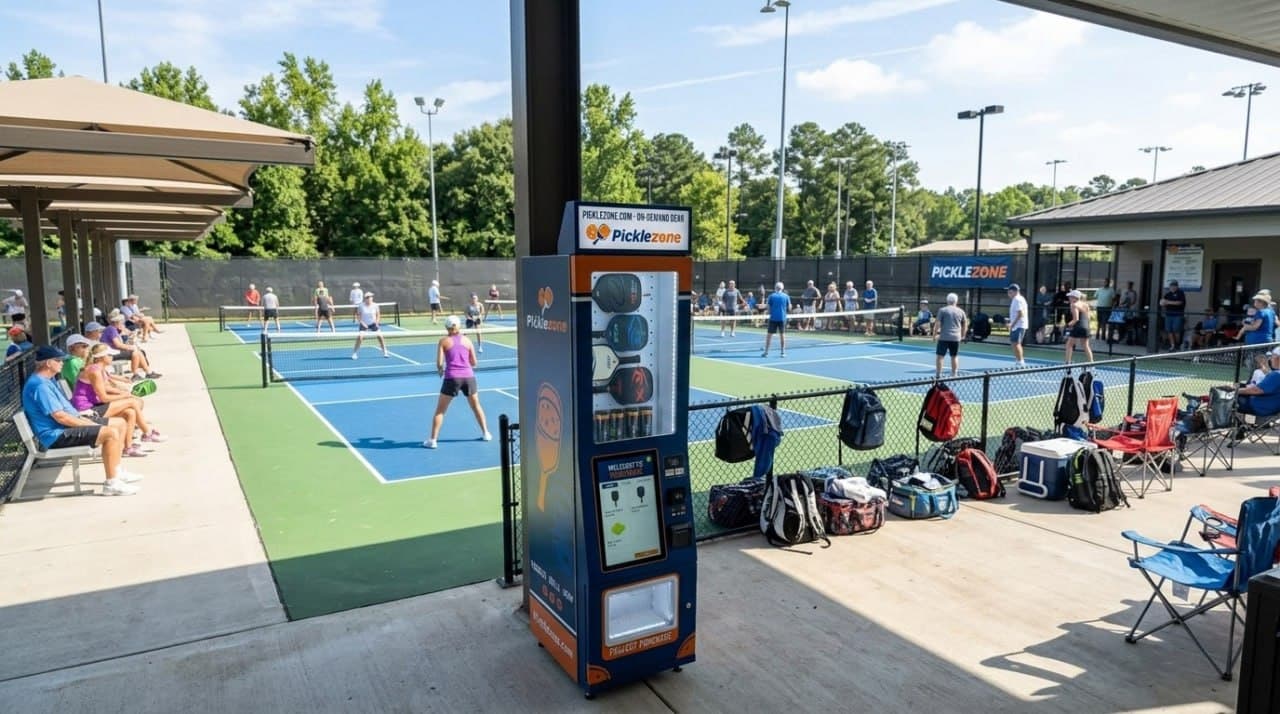
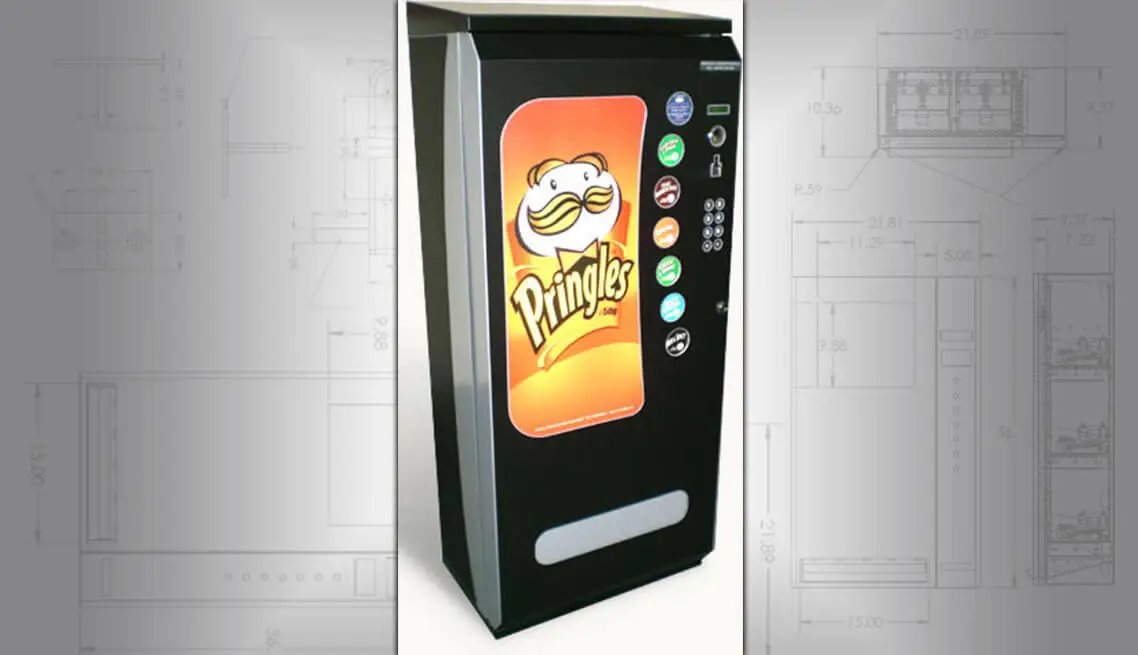
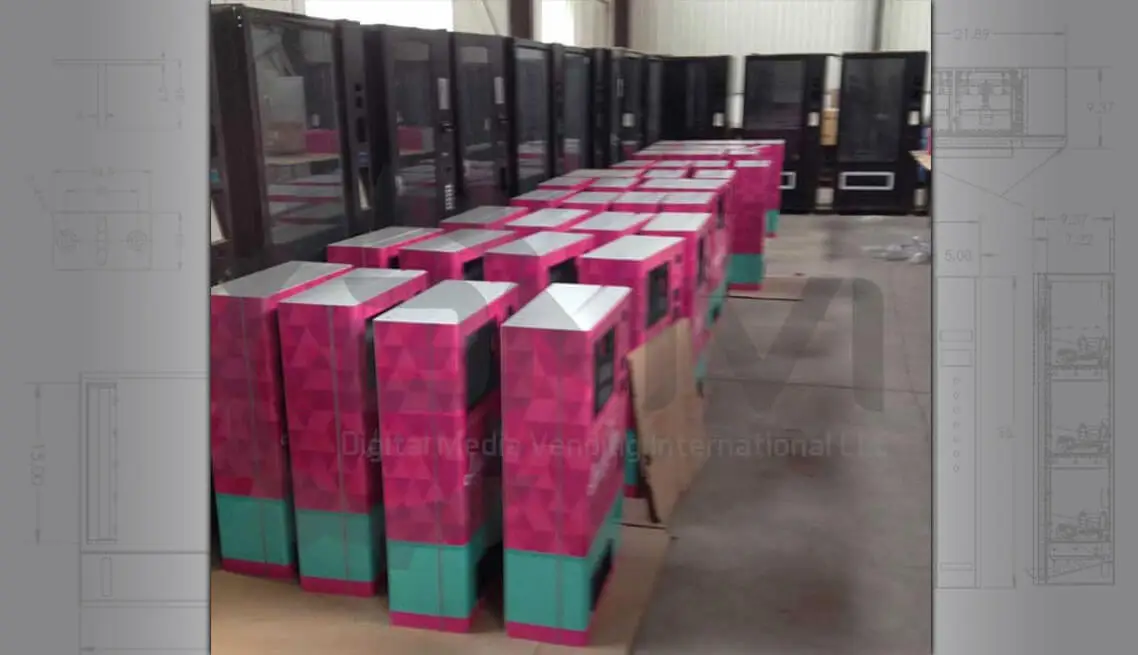
That is why DMVI uses functional design prototyping to validate cabinet layout, shopper flow, mechanism reliability, and serviceability before production tooling is locked (Wikipedia: Design prototyping).
Custom vending machine design is the industrial design and mechanical engineering work that turns a product, brand, and use case into a manufacturable smart vending machine (Wikipedia: Vending machine).
DMVI runs industrial design, mechanical engineering, electrical engineering, firmware, and software in one shop, so a design conversation never gets lost between vendors.
Strong custom-vending programs also apply design for manufacturability (DFM) so the machine can be built repeatably at production quality rather than dying as an attractive prototype (Wikipedia: Design for manufacturability).
DMVI engineering work covers cabinet structure, dispensing mechanism, refrigeration, lighting, security, payment integration, and software UX — but the commercial brief also needs to account for total cost of ownership (TCO), including service access, component choices, uptime risk, and long-term operating cost (Investopedia: Total cost of ownership).
Industrial, mechanical, and software under one roof
One in-house team covers industrial design, cabinet engineering, control logic, touchscreen UX, and prototype validation for more serious custom briefs.
Ground-up builds or faster platform adaptations
Some concepts need a true bespoke machine. Others move faster and more commercially by adapting proven subsystems, control architecture, and chassis components.
What Custom Vending Machine Design and Engineering Can Include
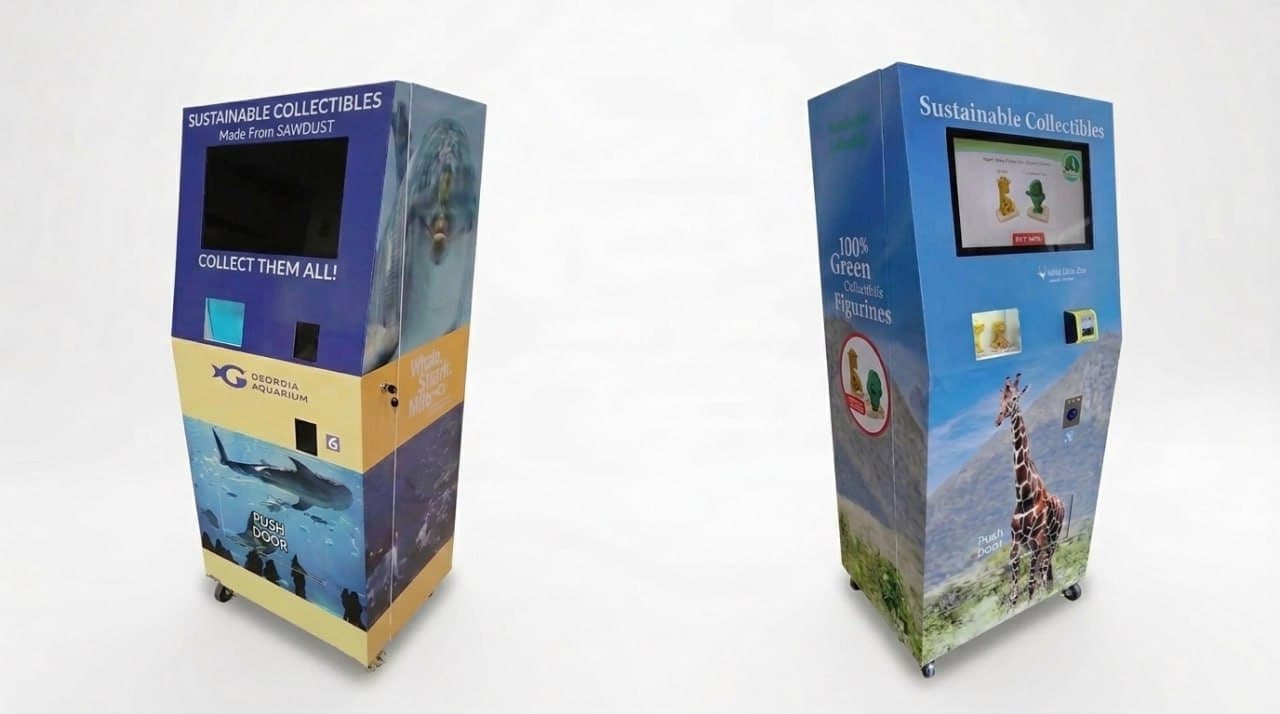
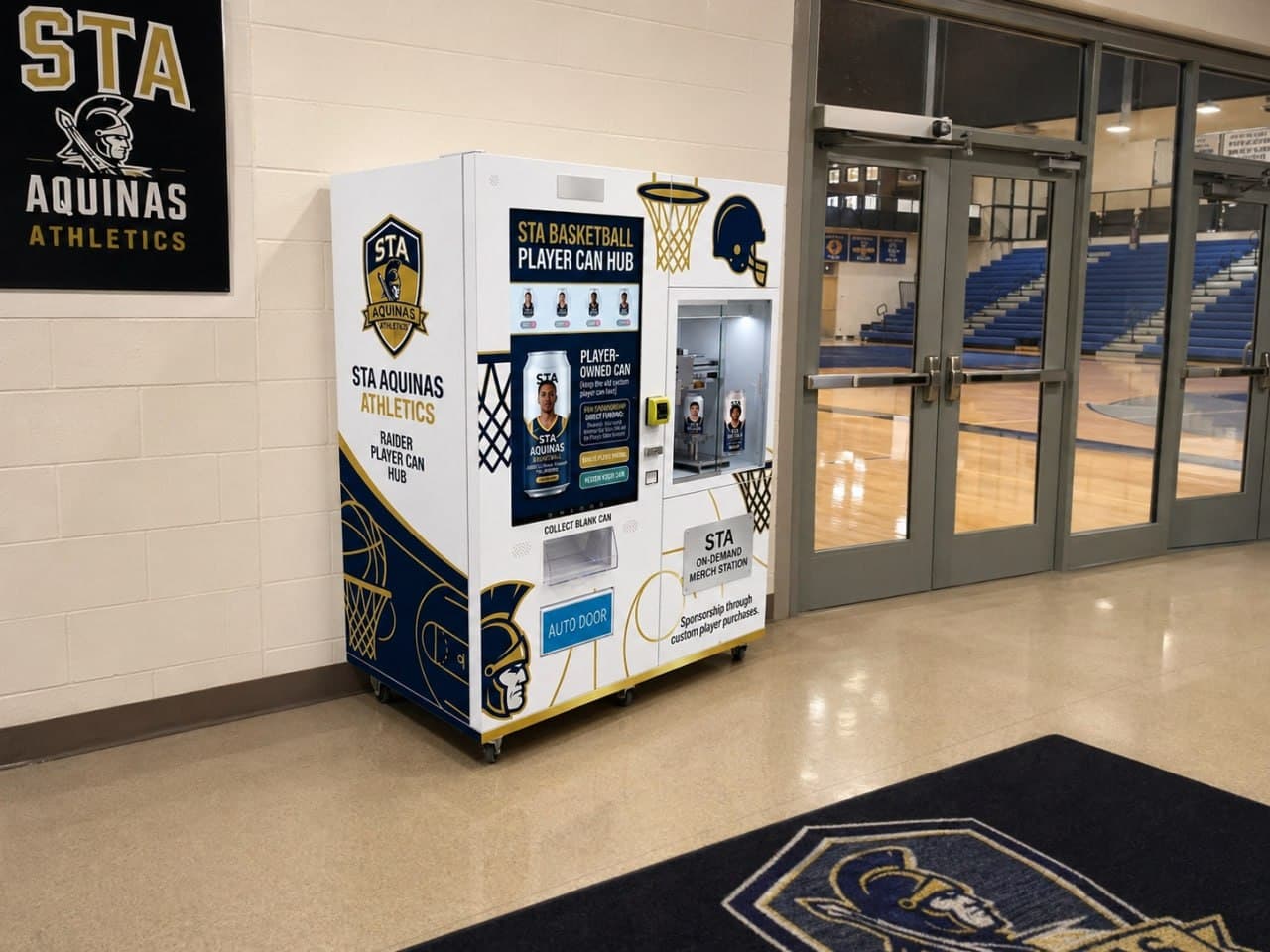
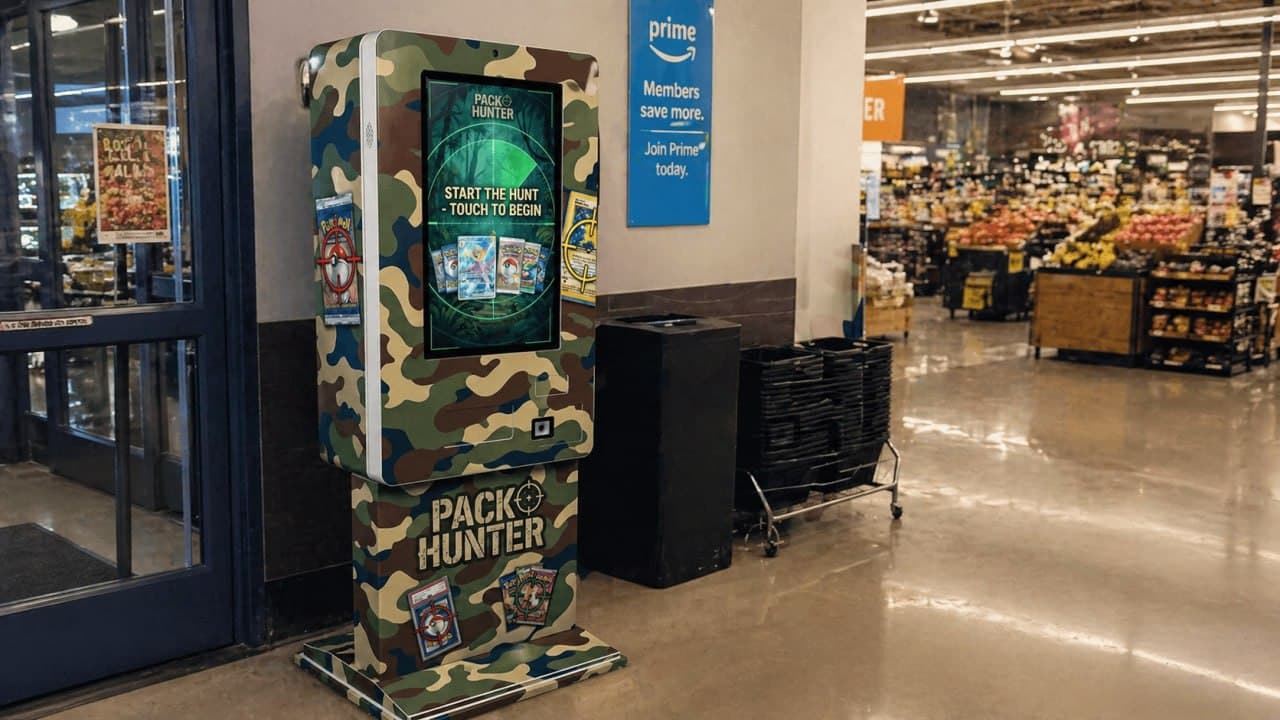
Designed around the product, the location, and the operator workflow
The engineering scope is set by what the machine actually needs to do in the field, not by what looks good in a render.
- Industrial Design: Cabinet, panel, and screen geometry are designed around your brand and the location where the machine will live. CMF (color, materials, finish) is specified to your guidelines.
- Mechanical Engineering: Tray geometry, dispensing mechanism, cabinet structure, refrigeration, and locking system are engineered to the product mix. Every mechanism is validated against drop, vibration, and temperature targets before manufacturing.
- Electrical and Firmware Engineering: Payment, telemetry, and connectivity are integrated on a DMVI-designed control board that speaks MDB and DEX (Wikipedia: MDB/ICP), (Wikipedia: DEX protocol), so the machine is compatible with major vending payment and telemetry platforms.
- Prototyping: Functional prototypes ship to your team for hands-on testing before production tooling is committed. Most prototype cycles run about 6 to 10 weeks from sign-off on the industrial design.
- Software UX and Branding: VendingTracker UI is themed to your brand, and shopper flow — browse, upsell, pay, dispense — is designed in-house alongside the hardware so the screen and cabinet ship as one product.
Engineering brief
Vending machine engineering, step by step
What Is Vending Machine Design?
Vending machine design is the discipline of designing the physical cabinet, dispensing mechanism, payment integration, screen and UI, refrigeration, and software experience of a vending machine as a single product. It overlaps industrial design, mechanical engineering, electrical engineering, firmware, and software design, and it usually fails when those disciplines live in separate companies. DMVI custom vending machine design is run end-to-end inside one team, with one program manager, so engineering decisions track the brand brief and the brand brief tracks engineering reality.
Vending Machine Engineering, Step by Step
Vending machine engineering at DMVI follows a fixed sequence: discovery, industrial design, mechanical engineering, electrical and firmware engineering, prototype, validation, and production. Discovery defines the product mix, location footprint, and branding scope. Industrial design produces renders and CMF. Mechanical engineering produces CAD and a bill of materials. Electrical and firmware produce the control board and integration with payment and telemetry hardware. Prototypes are validated against drop, vibration, refrigeration, and dispense reliability targets before tooling is committed.
Custom Vending Machine Layout and Prototype
Vending machine layout — tray height, tray depth, screen position, cabinet height, lock placement — is defined during industrial design and validated during prototyping. Operators commonly reach this page searching for vending machine layout or vending machine prototype because they are early in a custom program and need a partner that can ship a real prototype, not a render. DMVI builds working prototypes with the same hardware that goes into production, so what you test is what you ship.
Video Demo
See a Custom Promotional Vending Concept in Action
This clip shows the kind of branded, interaction-led concept that helps buyers understand custom vending as a real marketing and retail tool — not just a stock machine with different artwork.
More Custom Concepts in Motion
Two more examples that help show the range: promotional interaction on one side, niche rental-retail workflow on the other.
Free Product Sample Touchscreen Demo
A branded sample-distribution concept that shows how custom vending can be used as a live marketing and conversion tool, not just a dispensing box.
Shotboxxx Action Camera Rental Kiosk
A more specialised rental workflow that demonstrates why some projects genuinely need a tailored cabinet, UX, and fulfilment path.
Explore Custom Vending Applications
Use these routes to explore the commercial side of a custom vending project, compare application types, and identify which concepts are better suited to a true custom build versus a configured platform.
Cannabis Vending Machines
Explore regulated-deployment planning, product-fit flexibility, and workflow review for cannabis vending concepts.
Towel Vending Machines
Explore self-service towel distribution for gyms, hotels, spas, and wellness environments.
Toy & Collectible Vending Machines
See how custom vending supports attractions, destination retail, and branded merchandise projects.
Hair Vending Machines
Learn how custom vending supports beauty, salon, and specialty retail projects.
Cupcake Vending Machines
Review a specialised vending concept built around product care and premium presentation.
Office Supplies AI Cabinets
Explore enterprise supply-control cabinets that track who takes what across larger organisations.
Scope the Right Custom Vending Engineering Path
Tell us what product you need to sell, where the machine will operate, and how the customer flow should work. DMVI can help determine whether the right answer is a true custom build, a prototype program, or a faster configured platform.
FAQs
Vending machine engineering is the mechanical, electrical, and firmware engineering work that turns a vending machine concept into a manufacturable, reliable product. It covers cabinet structure, dispensing mechanism, refrigeration, lighting, payment and telemetry integration, and validation against drop, vibration, and temperature targets.
A typical DMVI custom vending machine design and engineering program runs 12 to 24 weeks from discovery to first production unit, depending on the level of new mechanical tooling required. Programs that reuse the M-series chassis and only customize the cabinet skin and software UX are faster than programs that introduce new dispensing mechanisms.
Yes. Working prototypes built on production hardware are part of the DMVI custom vending machine design process. Prototypes are used for in-location testing, internal validation, and brand approval before manufacturing tooling is committed.
Vending machine layout design covers tray height and depth, screen position, cabinet height, lock placement, refrigeration zones, and lighting. The layout is informed by the operator's product mix, the planned install location, and ADA reach-range guidance where applicable.
Yes. VendingTracker UI, shopper flow, payment integration, telemetry, and remote management are all designed and shipped by DMVI alongside the hardware. The custom vending machine design program is hardware and software, not hardware alone.