Vending Machine Advertising: When the Screen Earns Revenue and When It Just Slows the Sale
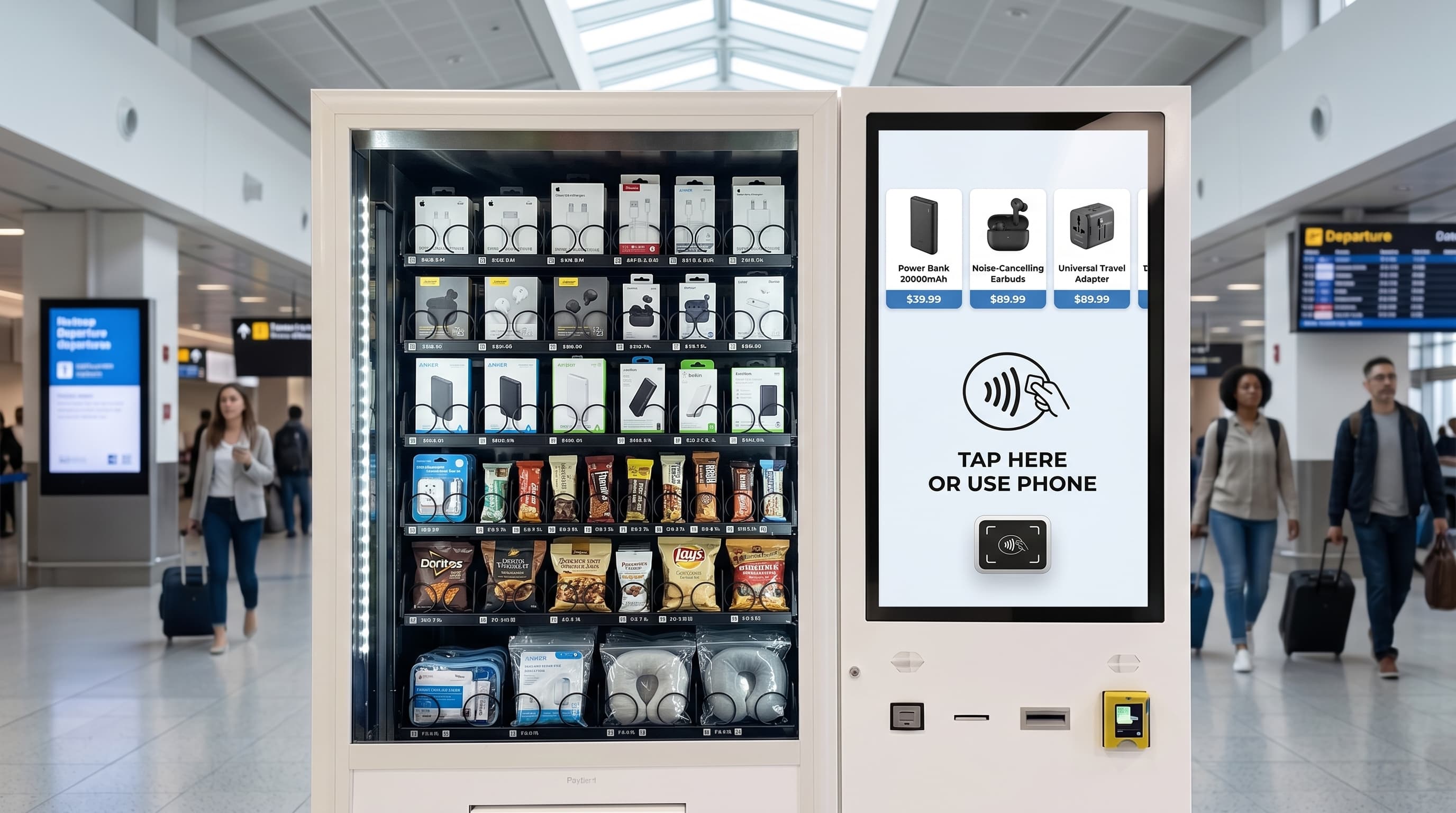
Vending machine advertising is the use of a touchscreen vending cabinet's display to run owned, brand-funded, venue-funded, or open-market promotional content alongside the buying interface. The rule that separates a working ad-supported vending programme from an annoying one is simple: the screen has to support the transaction, not interrupt it. A cabinet that buries the catalogue behind a long intro loop does not become a media business; it becomes a slower vending machine.
Operators considering ad-supported vending should plan around foot traffic, creative cadence, reporting integrity, and privacy obligations from day one rather than bolting the ad layer on later and hoping nobody notices the slowdown.
Where vending-screen advertising actually works
Vending machine advertising works best where the site already has three things: meaningful foot traffic, some dwell time, and a product mix that benefits from visual merchandising. That points reliably to hotel lobbies, premium residential towers, healthcare campuses, university common spaces, airports and travel-retail settings, fitness clubs, stadium concourses, and other environments where the buyer has enough attention to absorb a screen without resenting it.
It points away from low-traffic break rooms, purely utilitarian corridors, and any site where the buyer wants to complete the transaction in seconds and leave. In vending, owned media and supplier-funded placement usually outperform open-market ad sales because the audience size per cabinet is small compared with broader digital out-of-home networks.
Four practical revenue models
Most operators do not need a grand ad-tech stack. Four models cover nearly every commercially sensible deployment.
- Owned media: promoting the operator's own products, bundles, time-based offers, or seasonal pushes. This is usually the highest-margin use of the screen.
- Brand-funded placement: a supplier pays for featured placement, hero positioning, or campaign support as part of the merchandising plan.
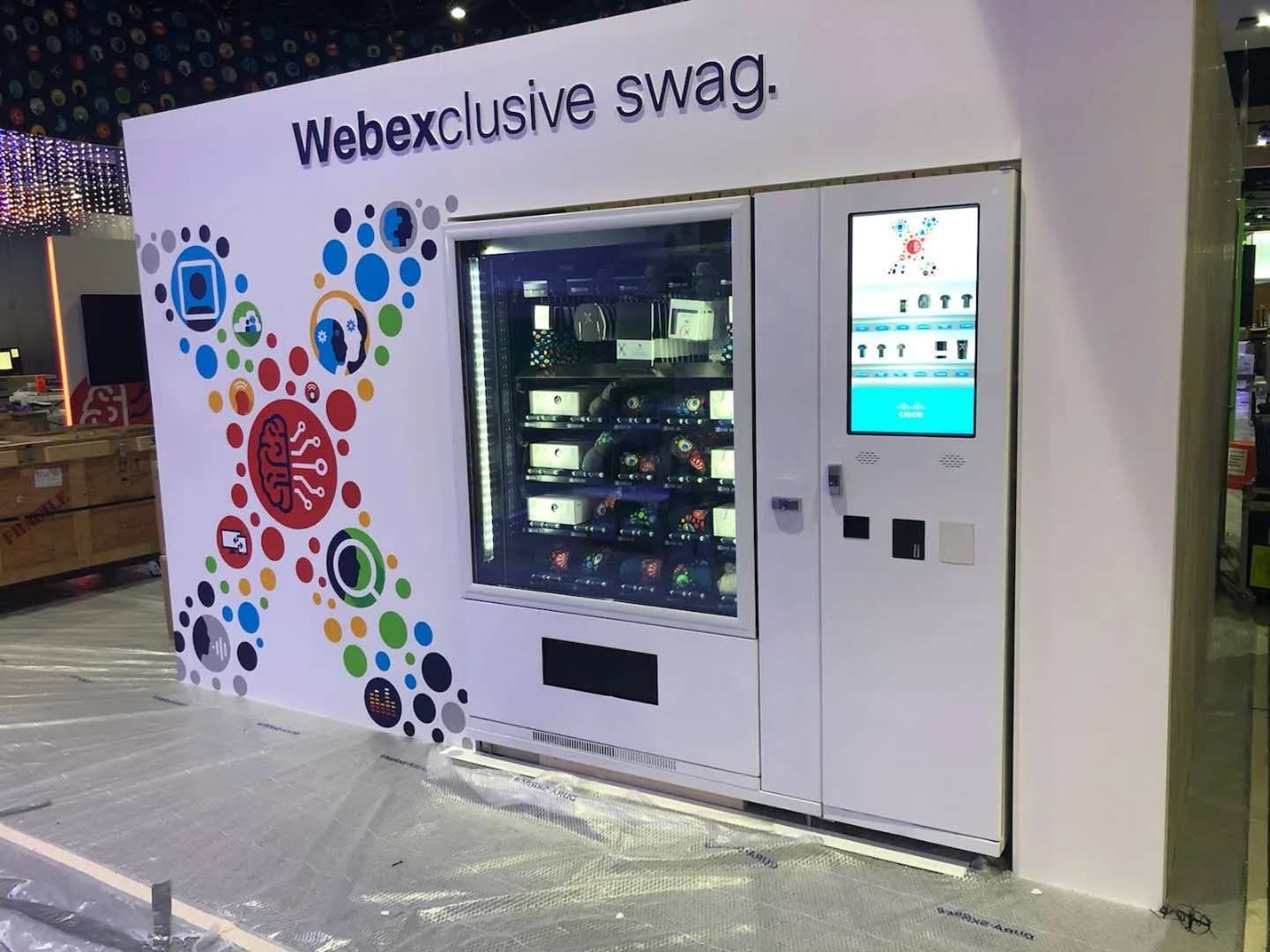
- Venue-funded campaigns: the host site uses the screen for internal communications, event promotion, or wayfinding alongside the retail interface.
- Open-market or programmatic placement: occasionally viable, but usually the weakest fit because one cabinet is not a billboard network and the reach is inherently location-specific.
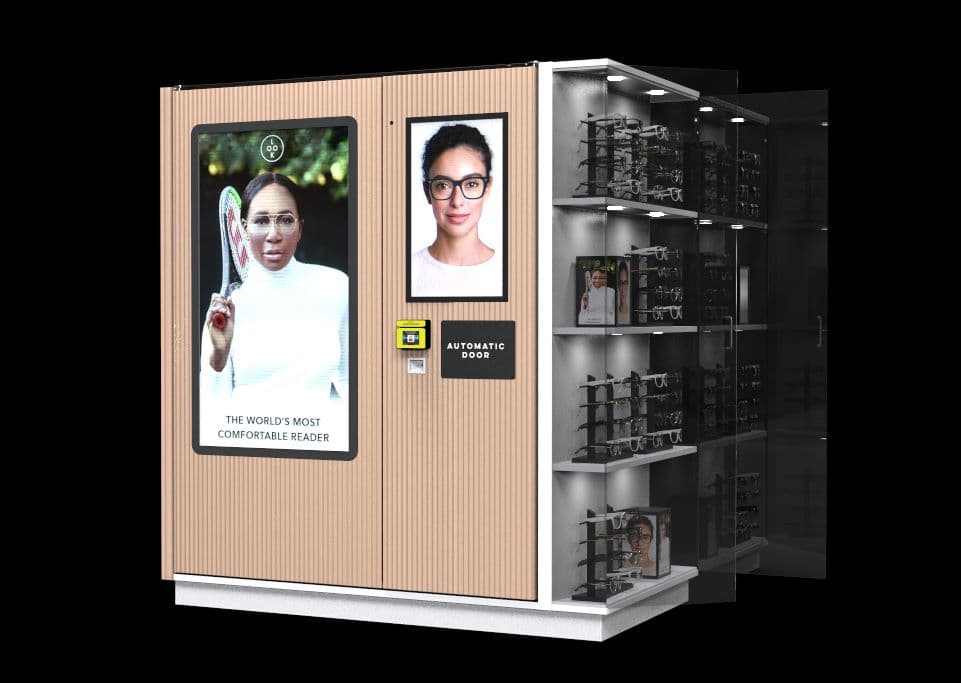
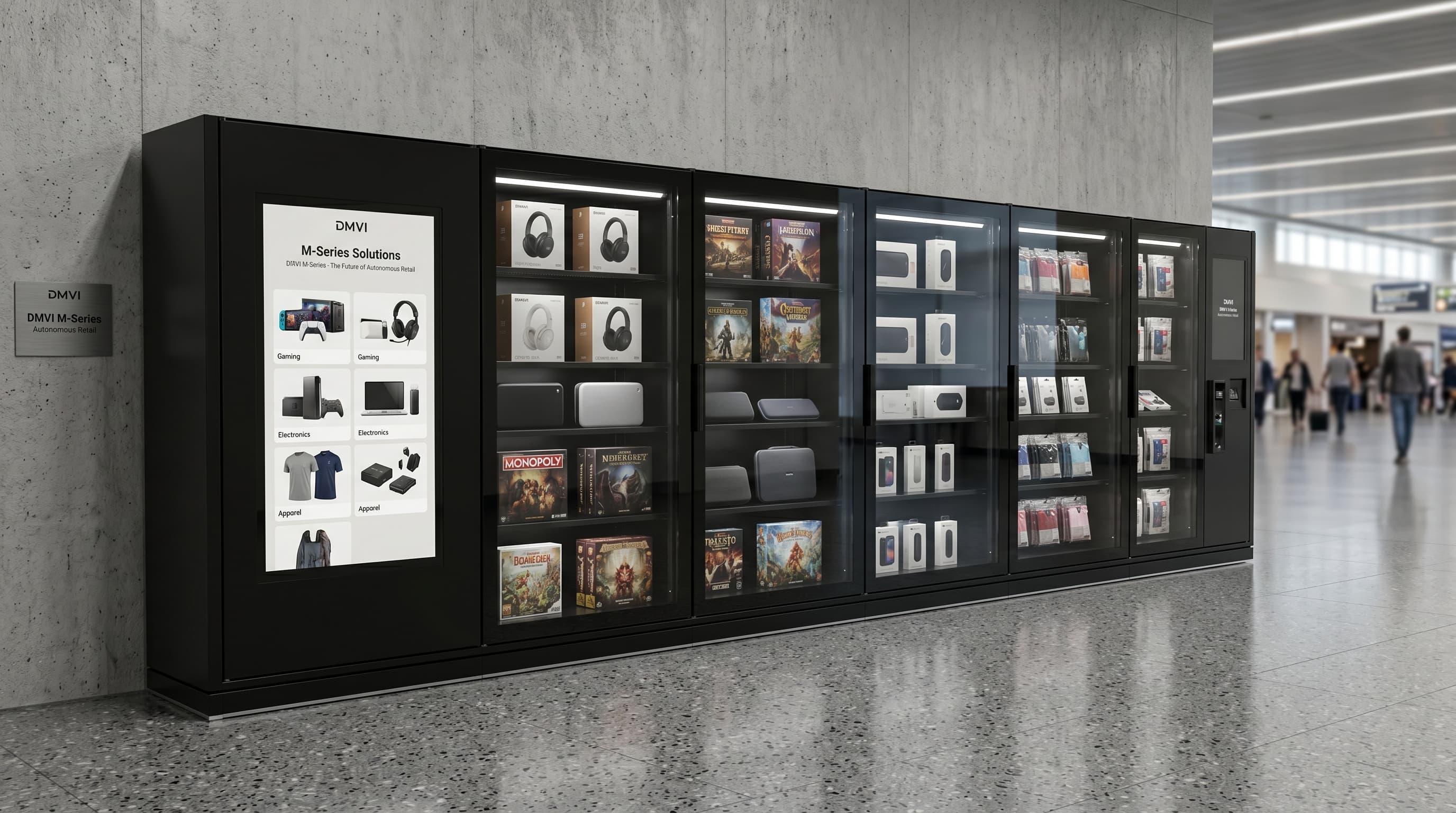
If the machine is being deployed as both a selling interface and a campaign object, it often makes sense to scope it through a custom vending machine design brief so the cabinet, UI, and branding all support the programme cleanly rather than feeling like three separate ideas taped together.
The transaction path beats the media loop every time
The fastest way to hurt performance is to let advertising interrupt buying. Do not bury the catalogue behind a splash screen. Do not delay price visibility. Do not make the customer dismiss creative before they can start shopping. The touchscreen can merchandise, cross-sell, and promote, but it still has to behave like a selling interface first.
That is why the sensible operator test is not “Does the creative look impressive?” but “Did the campaign help or hurt the speed and quality of the sale?” If the answer is unclear, the reporting layer needs work. DEX-format reporting and cashless transaction data should show whether the campaign supported sell-through or quietly dragged conversion the wrong way (DEX protocol, Nayax vending systems).
Measure outcomes operators can actually verify
Screen impressions are harder to measure cleanly in vending than on the web, so useful reporting should focus on outcomes the operator can verify against the sales data already captured. That usually means featured-SKU sell-through during the campaign window, promo redemption rate, QR scans, basket-mix change, branded-placement attach rate, and whether dwell time at the cabinet increased or decreased in a commercially acceptable way.
Treat impression-style reporting as directional at best. Operators get paid on product movement, basket quality, and campaign lift, not on decorative dashboards that claim attention without proving commercial effect.
Privacy and disclosure matter when the cabinet collects more than sales data
A vending screen that uses cameras, sensors, audience analytics, or identity-linked promotions inherits privacy and disclosure obligations that depend on the jurisdiction and the actual data being collected. The discipline is straightforward: collect only what improves merchandising or campaign measurement, disclose what is being collected on the machine and in the venue privacy policy, and avoid identity-linked features unless there is a real operating purpose behind them.
Even brand-owned automated retail programmes publish camera and privacy disclosures. The Pokemon Center automated retail FAQ, for example, discloses camera use for foot-traffic counting and states that video is not stored. Smaller operators should not be more casual than global brands.
Operational discipline beats flashy creative
An advertising-enabled vending machine still needs a content calendar, an approval workflow, and somebody responsible for removing expired promotions. Nothing makes a cabinet look neglected faster than a screen pushing an offer for a product the machine no longer carries or a holiday campaign still running weeks after the moment has passed.
The operators who do this well keep the programme disciplined: a few strong promotional placements, clear product visuals, venue-appropriate creative, and reporting tied to actual retail outcomes. That is much more valuable than treating every cabinet like a miniature media fantasy.
Want a vending deployment that can merchandise and advertise without slowing the sale?
DMVI scopes touchscreen vending programmes around product flow, screen strategy, supplier promotion, and venue fit so the media layer supports the transaction instead of getting in its way.