Personalization in Automated Retail: A Privacy-Safe Operator’s View
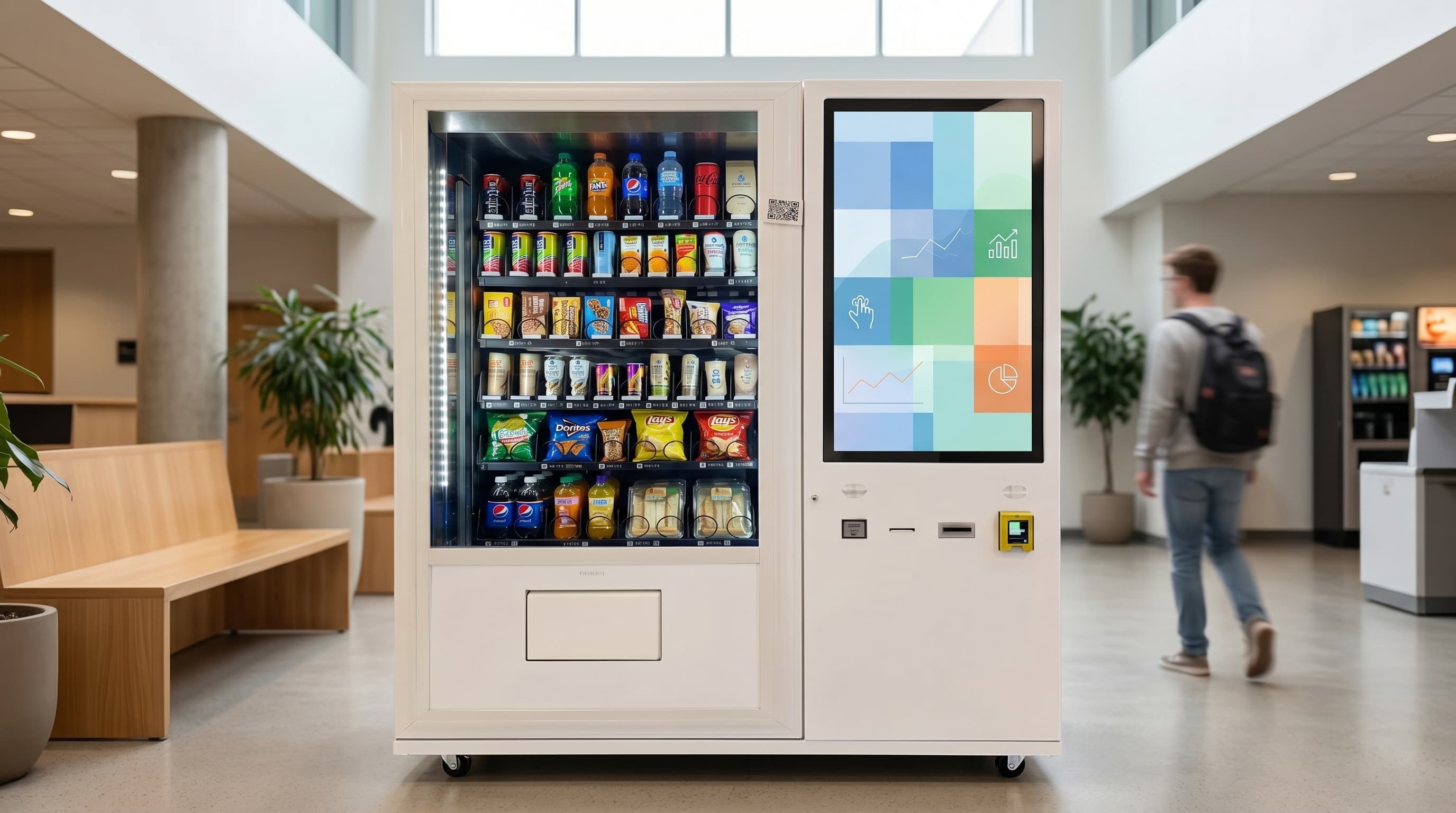
Personalization in automated retail is the operator-side discipline of using location, time of day, audience, and operational data to make a vending machine show the right SKUs in the right venue at the right price. In practice, the meaningful gains usually come from four places: location-level planogram relevance, daypart merchandising, loyalty or badge-linked offers where the user opts in, and operational analytics that fix stockouts and payment failures before they hit the customer. That is a much more useful definition than pretending a cabinet needs to behave like a surveillance-heavy consumer app.
Start with location, not the buyer
A gym cabinet, a hotel lobby cabinet, and a university cabinet should not look or stock the same way. Location-level relevance is the strongest personalization lever in vending because it does not require invasive customer data. A gym may need protein bars, hydration, and recovery products. A hotel lobby may need travel essentials and OTC items. A campus machine may need caffeine, fast meals, and late-night convenience. The cabinet becomes more relevant because the operator matched the venue properly, not because the machine guessed who somebody was.
That logic should also shape price points, screen messaging, and bundle ideas. Good operators personalise the route by site instead of lazily forcing the same assortment everywhere and calling it strategy.
Daypart and seasonal merchandising matter more than theatre
Most useful personalization is time-aware before it is person-aware. A workplace machine sells different products at 7am, 11am, 3pm, and 6pm. A campus cabinet during exams should not merchandize the same way it does during a quiet holiday period. Modern connected cabinets can rotate featured items, highlight the most relevant categories by time window, and support venue-specific promotions without pretending to know the private identity of the buyer.
That makes daypart data commercially valuable. Operators can watch what sells by time window, which promo placements convert, and which categories deserve the best screen real estate. That is personalization grounded in commerce rather than gimmickry.
Use data to personalize operations before personalizing the customer
The most valuable data in vending is operational before it is individual. Five KPIs do most of the work: sales by SKU and daypart, stockout frequency by slot, failed-payment rate by reader, machine uptime, and per-cabinet contribution margin. Those are the figures that tell an operator whether the planogram is wrong, whether the payment reader is failing people, whether the machine is down too often, and whether the route is actually earning its keep.
Connected cabinets and cashless systems can surface that data through telemetry and DEX-style audit reporting (DEX protocol; Nayax vending payment systems). Operators who use that information well usually gain more from better replenishment, cleaner product mix decisions, and faster payment troubleshooting than from trying to over-engineer one-to-one personalization too early.
Customer-facing personalization that stays inside sane boundaries
Customer-facing personalization can still be useful when it stays privacy-safe. Three categories are commercially defensible. The first is loyalty-linked offers, where a registered card or QR unlocks a contextual promotion because the user chose to participate. The second is campus or employee badge integration, where the institution owns the identity layer and the machine only receives the token or entitlement it needs. The third is suggested pairings and venue-level recommendations driven by aggregate purchase patterns rather than a per-person profile.
None of those workflows require biometric identification, facial recognition, or creepy guesswork. The moment a concept crosses into identity inference or camera-led profiling, the privacy and regulatory cost usually becomes larger than the commercial upside.
Computer vision in the cabinet has real uses, but not infinite permission
Computer vision inside an automated retail cabinet can be genuinely useful when it is scoped to the merchandise or the machine itself. Defensible use cases include dispense verification, inventory presence, product-condition checks for fresh-food deployments, and tamper detection (Computer vision). Those are asset-side workflows. They help the machine operate better without needing to identify the customer standing in front of it.
DMVI’s practical view is simple: keep camera workflows focused on dispense, stock, and security, disclose camera presence clearly, and document retention. If a concept depends on facial recognition or biometric profiling to feel innovative, it is usually solving the wrong problem in the first place.
Trust and privacy are part of the customer experience
The more data a vending deployment collects, the more important clear boundaries become. Operators should follow four habits: collect only what the route genuinely needs, retain it only as long as required, disclose material data collection where appropriate, and require explicit opt-in for loyalty or identity-linked workflows. Those habits reduce regulatory risk and make the brand look sharper rather than shadier.
Personalization should make a vending program feel more relevant and easier to buy from. It should not make the buyer wonder whether the cabinet knows more than it ought to. That is the line between a smart retail experience and a trust problem wearing a touchscreen.
Exploring AI-driven merchandising or personalization?
DMVI can help you separate useful vending analytics and merchandising logic from privacy-heavy theatre, then build an unattended retail programme around real operating value.