Snack & Soda Vending Machines: Format Guide
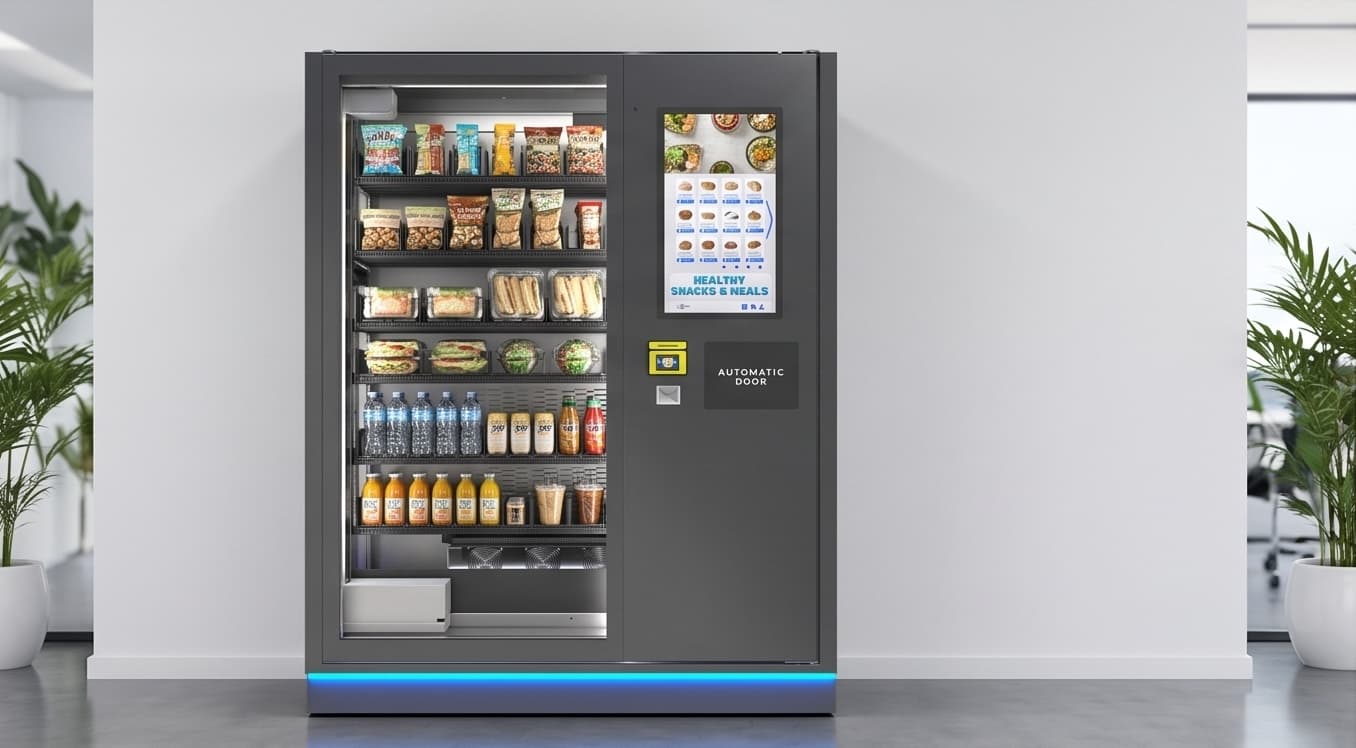
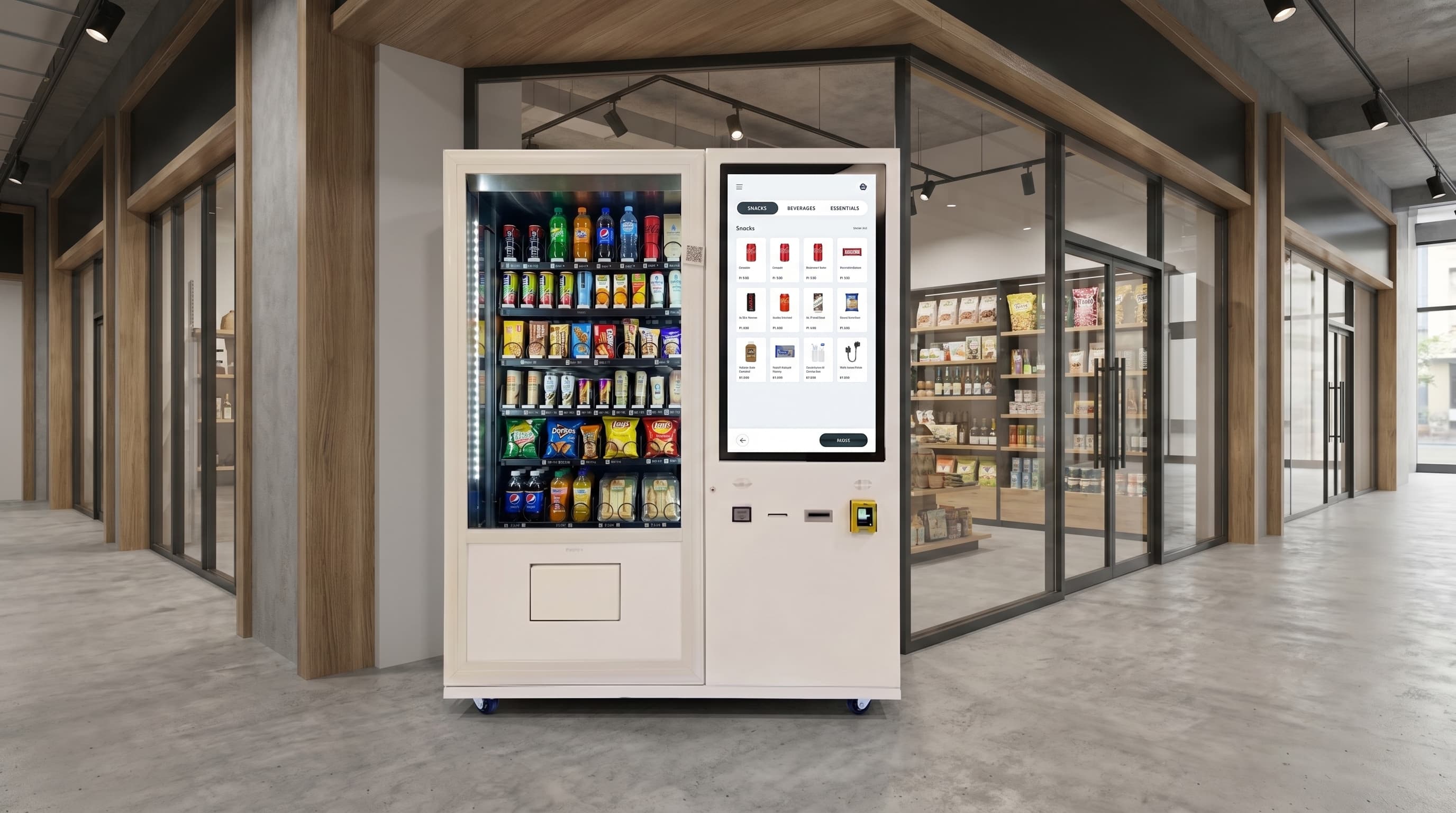
A snack and soda vending machine is the most common form of automated retail—a free-standing or compact cabinet that dispenses standard packaged products such as chips, chocolate bars, protein bars, bottled water, and carbonated drinks through a coil-and-drop, conveyor, or glass-front mechanism. Common does not mean simple. The machine that performs in a high-traffic hospital corridor is not the same machine that belongs in a boutique hotel lobby or a school hallway. Format, capacity, refrigeration, dispensing mechanism, and the connected-management layer are the variables that separate a profitable placement from a coin-op relic.
This guide covers the practical decisions operators and facilities buyers need to make before choosing a snack and soda vending machine.
What Separates Snack and Soda Vending from Other Vending Categories
Snack and soda vending handles standard packaged products—chips, chocolate bars, water bottles, soft drinks, protein bars, nuts—that fit a conventional coil-and-drop or conveyor-belt dispensing mechanism. This makes the product range broad and the machine options well-established.
What has changed significantly in recent years is the management layer. Traditional snack machines gave operators no feedback between service visits. You drove to the machine, looked at the coils, and restocked what was empty. Smart snack and soda machines send real-time inventory data, sales reports, and fault alerts to a management platform—changing the economics of running a route from guesswork to data-driven service scheduling.
Key Format Decisions Before You Choose a Machine
Cabinet size and capacity. A large-format machine holds more product and serves higher-footfall locations effectively, but it also takes up more floor space. Slimline and wall-mounted formats suit corridors and spaces where a full cabinet would be intrusive or simply impractical. Match the machine footprint to the actual space and the product count to the realistic daily transaction volume—not to an optimistic upper estimate.
Product mix. The products that sell well vary by location. Office workers tend to buy differently from hospital staff, gym members, or school students. Before finalising the product mix, spend time understanding who will be using the machine and at what times of day. A planogram built around actual buyer behaviour outperforms a default assortment from a catalogue.
Cashless payment support. Any machine going into a location with regular use by people under 40 should support cashless payments as a baseline. Credit card, debit card, Apple Pay, Google Pay, and contactless are expected. A cash-only machine in the wrong location will underperform regardless of product selection.
Refrigeration for chilled products. Soda and cold drinks require refrigerated sections. Not all snack machines include this. If the location's buyers want cold beverages, confirm the machine configuration before committing.
Where Smart Snack and Soda Vending Works Best
DMVI's smart snack and soda vending machines are designed for locations that want a proper connected retail experience, not a coin-op relic. The strongest fits are:
- Office buildings and corporate campuses where employees want convenience without leaving the floor and operators want management visibility across multiple locations
- Gyms and fitness centres where the product mix can shift toward drinks, protein bars, and recovery products to match the actual buyer base
- Education facilities where cashless payment, appropriate product controls, and reliable restocking are all important
- Hospitality and hotels where guests expect accessible snacks and drinks at all hours without premium pricing
- Healthcare facilities where staff and visitors need 24-hour access to food and drinks outside canteen hours
What Smart Management Actually Changes for Route Operators
The operational case for a smart snack and soda machine is not just about the touchscreen experience for buyers. It is about what connected inventory tracking, real-time alerts, and remote pricing control do to the economics of running multiple locations.
Route operators running traditional unmonitored machines drive to every location on a fixed schedule whether it needs service or not. Smart machines surface actual inventory data—the operator sees which machines need restocking, which are running low on a specific product, and which have a technical issue, all from a single dashboard. Service visits become targeted rather than routine, reducing unnecessary labour without leaving machines understocked.
Looking for the right snack and soda vending machine for your location?
DMVI builds smart snack and soda vending machines with touchscreen interfaces, cashless payments, real-time inventory tracking, and configurations suited to offices, healthcare, gyms, hospitality, and education. Talk to the team about your location requirements.