How to Start a Cupcake Vending Machine Business: 12 Practical Steps
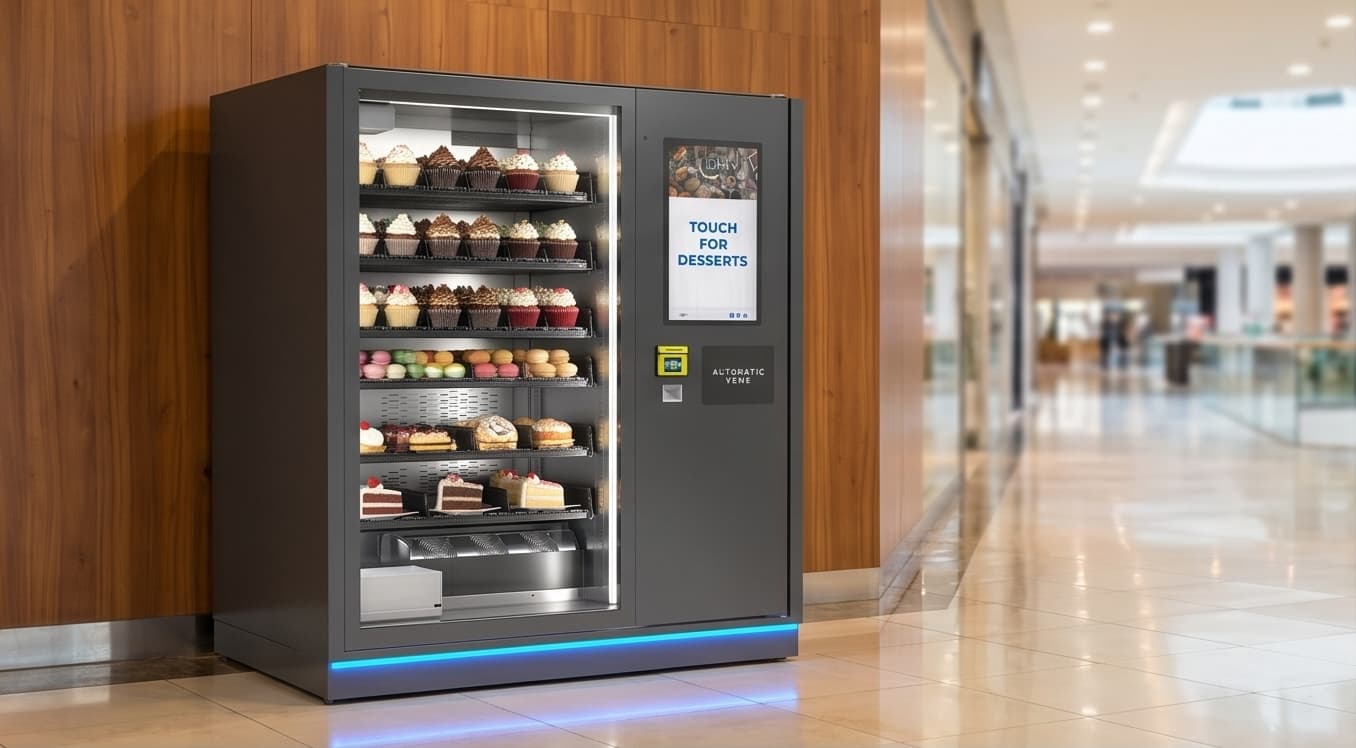
A cupcake vending machine business is an unattended retail operation built around single-serve baked goods such as cupcakes, muffins, and mini cakes sold through purpose-built machines that protect fragile product during dispensing. It is not passive income, and it is not just a snack-machine idea with frosting added on. The category works when the machine, the cold chain, the packaging, and the location all support a premium impulse purchase without turning spoilage and refunds into the dominant cost line.
This 12-step guide covers the operator decisions that matter most before you invest: the dispensing format, refrigerated versus ambient service, location economics, permit checks, route planning, and the practical reasons cupcake vending can work when generic food vending would not.
Step 1: Decide What Kind of Operator You Want to Be
Before you compare machines, decide what business you are actually building. Most cupcake operators fall into one of three models:
- Bakery extension: you already produce baked goods and want unattended retail as an extra channel
- Operating partner: you run the route and source cupcakes from a bakery partner
- Brand builder: you are building a dedicated cupcake vending concept with branded machines and repeatable rollout logic
Each model changes your capital needs, margin structure, and service burden. Mixing them without deciding first is one of the quickest ways to buy the wrong machine for the wrong business.
Step 2: Understand What Makes Cupcake Vending Different from Standard Vending
Cupcakes are fragile, and that single fact changes the equipment spec. A standard coil-and-drop snack machine will damage frosting, decoration, and presentation. That is not a cosmetic issue; it becomes a refund, waste, and brand-perception problem. Purpose-built cupcake machines use elevator or conveyor-style dispensing so the product is delivered without impact.
That is why the category sits closer to specialty food retail than to basic snack vending. If the hardware is wrong, everything downstream becomes harder no matter how good the recipe is.
Step 3: Map Shelf Life, Packaging, and Cold-Chain Reality
A cupcake's vending window is often measured in days, not weeks. Shelf life depends on recipe, frosting, filling, packaging, and storage temperature. Packaging has to protect the product inside the machine, present well on-screen, and survive the dispense path intact. In practice that usually means a fitted tray or clamshell rather than generic bakery packaging.
Do this work before you scale. Operators who treat freshness as a later problem usually discover that their machine capacity is meaningless if the product needs to be pulled before it sells.
Step 4: Build the Unit Economics Before You Buy Anything
A cupcake vending business can work well, but only if the numbers survive conservative assumptions. Build a model that includes machine cost, product cost, packaging, location fee or revenue share, restocking labor, spoilage, maintenance, and payment processing.
Reasonable working assumptions are often more useful than optimistic ones: a purpose-built refrigerated machine may run from the high four figures into the teens, site agreements commonly take a revenue share, and spoilage only stays tolerable when the service rhythm is disciplined. If the model only works at the highest possible sell-through rate, the location or concept is too fragile.
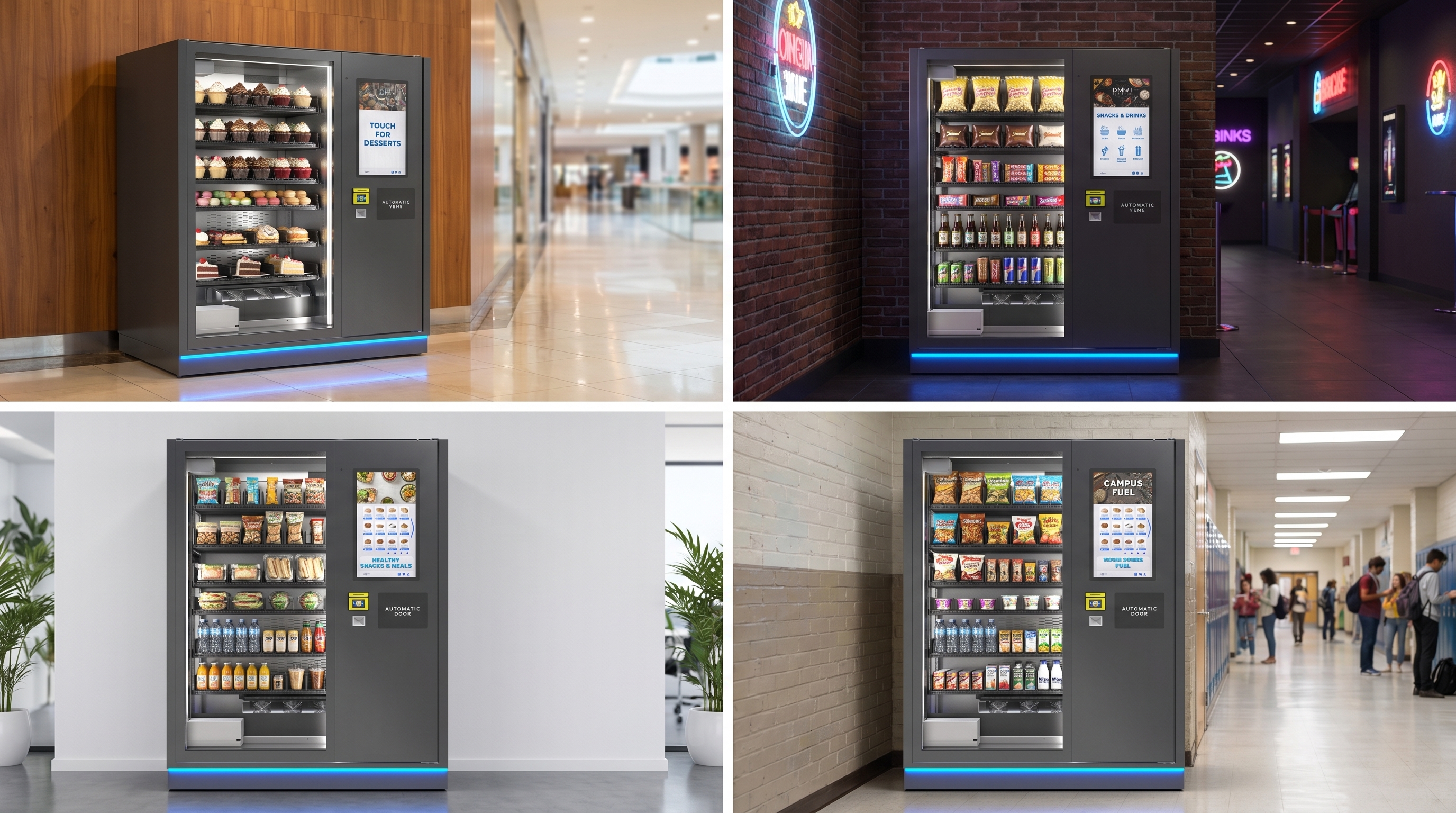
Step 5: Choose the Right Machine for Cupcake-Specific Dispensing
This is the most consequential hardware decision in the project. The non-negotiables are straightforward:
- Dispense mechanism: elevator or conveyor delivery only. Coil-drop ruins product.
- Refrigeration: for most operators, cold storage is the safer commercial answer because it extends usable shelf life and protects frosting integrity.
- Cashless payment: contactless EMV, Apple Pay, and Google Pay are the operational baseline, usually delivered through an MDB-compatible payment layer.
- Telemetry: remote inventory visibility, machine alerts, and audit reporting matter because specialty food cannot be managed well by guesswork. Older mixed fleets may still use DEX audit reads as part of route reporting.
- Touchscreen merchandising: cupcakes sell visually. Product photos, ingredient notes, and a quick checkout path materially affect conversion.
If you are evaluating hardware seriously, start with purpose-built cupcake vending machines rather than assuming a general snack cabinet can be adapted without tradeoffs.
Step 6: Qualify Locations Before You Sign Anything
Location quality is what separates a fun concept from a repeatable business. Strong cupcake vending locations usually combine three traits: meaningful foot traffic, an impulse-friendly audience, and limited direct competition for the same purchase mission.
Malls, hospitals, university lobbies, entertainment venues, hotels, transit hubs, and large office environments can work when the machine sits in a real path of travel rather than an ignored corner. Ask for traffic numbers where possible. A location that feels busy is not the same as one that converts.
Step 7: Check Food-Handling, Vending, and Local Permit Requirements
Selling baked goods through an unattended machine still triggers food-business and vending compliance obligations. The exact rules vary by state and county, but operators should expect some combination of food-business registration, temperature-control expectations, health-department oversight, and site-level vending permissions.
If you partner with a licensed bakery, part of the production burden shifts to them, but the machine storage conditions and vending operation still remain your responsibility. It is cheaper to clarify this before launch than after inspection.
Step 8: Design the Brand and On-Screen Experience
A cupcake machine is not just a dispenser; it is a small visual storefront. Exterior branding, product photography, promotional copy, and the on-screen buying flow all shape how premium the concept feels.
If the business depends on strong brand presentation, it may be worth evaluating a custom vending machine design early rather than treating branding as a vinyl-wrap afterthought.
Step 9: Build the Supply Chain and Restocking Rhythm
Restocking is the operational heartbeat of cupcake vending. You need clear answers to who bakes, how product is transported, how often each machine is serviced, what spoilage threshold is acceptable, and how unsold product is removed without lag.
Route discipline matters more here than in packaged-snack vending because the product ages quickly. A cloud-connected dashboard helps, but it does not replace an honest service plan.
Step 10: Negotiate Site Agreements Carefully
Before installation, lock down the machine position, fee structure, power responsibility, access windows for restocking, any exclusivity expectations, and exit terms. Good placements often ask for revenue share. That is not automatically a bad sign, but it has to fit the unit economics.
A weak written agreement can undo a good location later, especially if management changes and the machine suddenly becomes someone else's inconvenience.
Step 11: Launch with a Pilot Before You Scale
Do not start with a wide rollout just because the concept photographs well. A small pilot gives you real data on daily sell-through, spoilage, service cadence, best-selling flavors, payment conversion, and machine uptime.
That pilot stage is where you find out whether the business is genuinely repeatable or just exciting in theory.
Step 12: Scale with Data, Not Hope
Once the pilot works, expansion becomes much simpler. You know which locations convert, what your real restocking cost looks like, and whether the price point, packaging, and service model hold up. Scale by repeating the conditions that already proved themselves, not by scattering machines for the sake of saying you expanded.
The best next move is usually geographic clustering so route efficiency improves instead of deteriorating as the machine count rises.
Planning a cupcake vending rollout?
DMVI can help you compare cupcake vending machine options, review the operating model, and scope the right dispensing, branding, payment, and monitoring stack before you commit.