Giant Robotic Vending Machines: How Locked-Cabinet Automated Retail Cuts Shrink
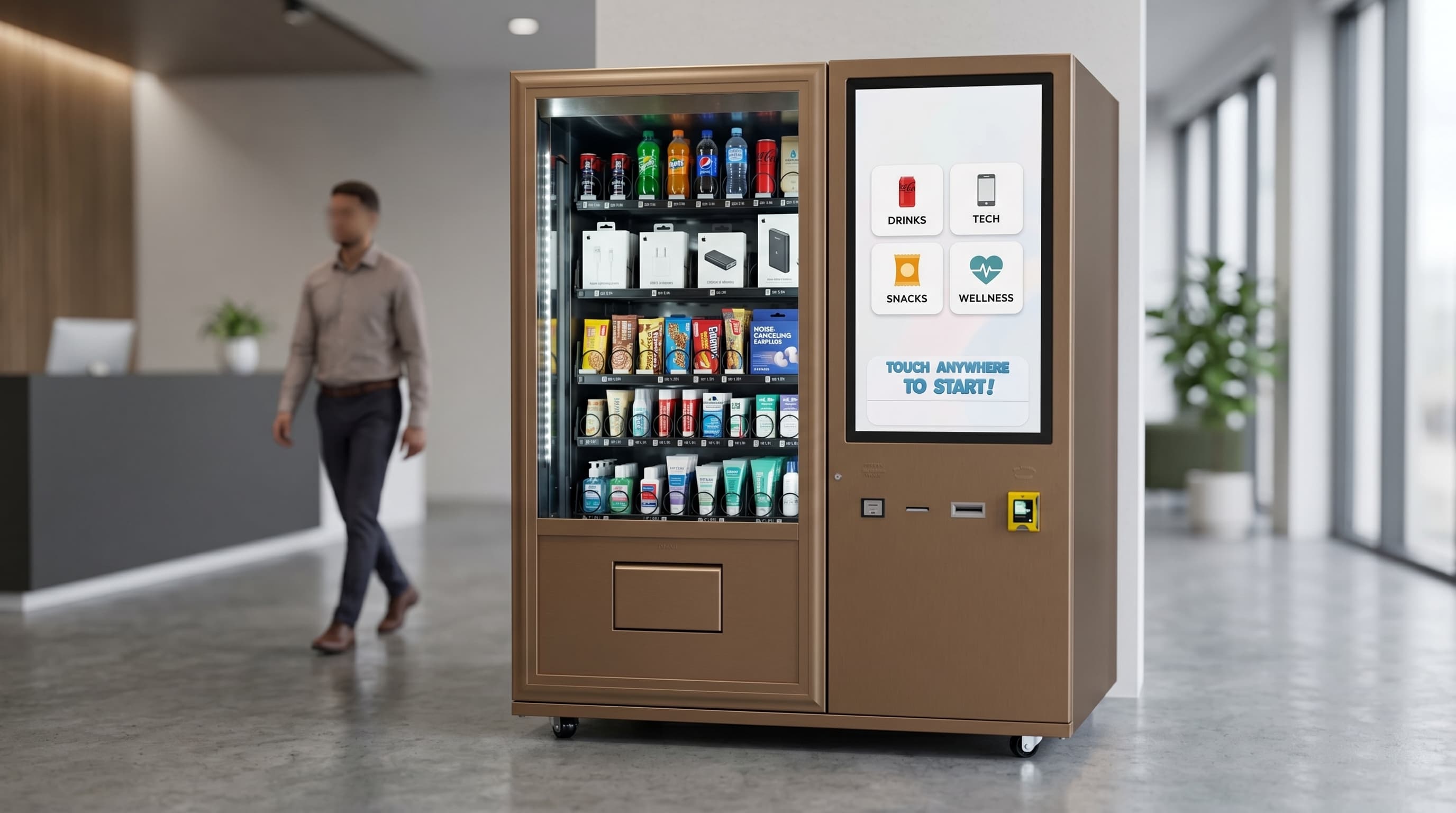
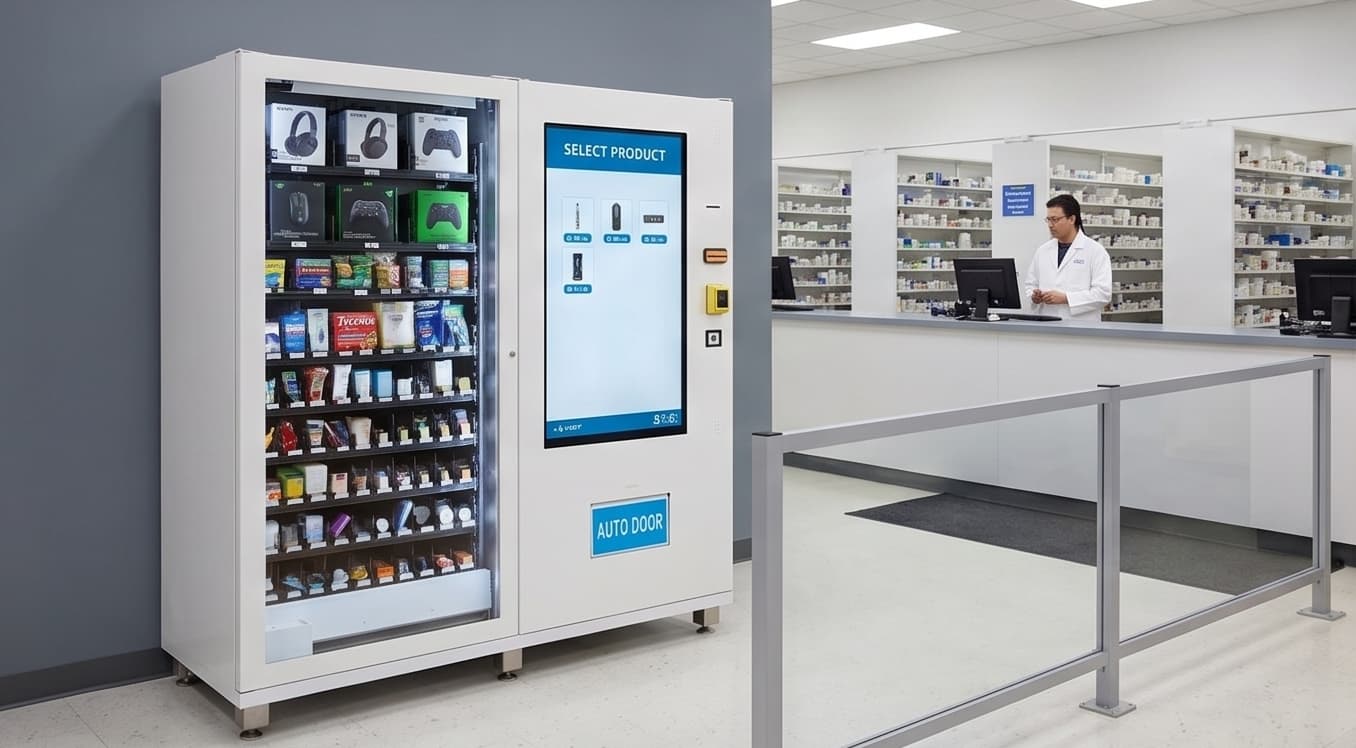
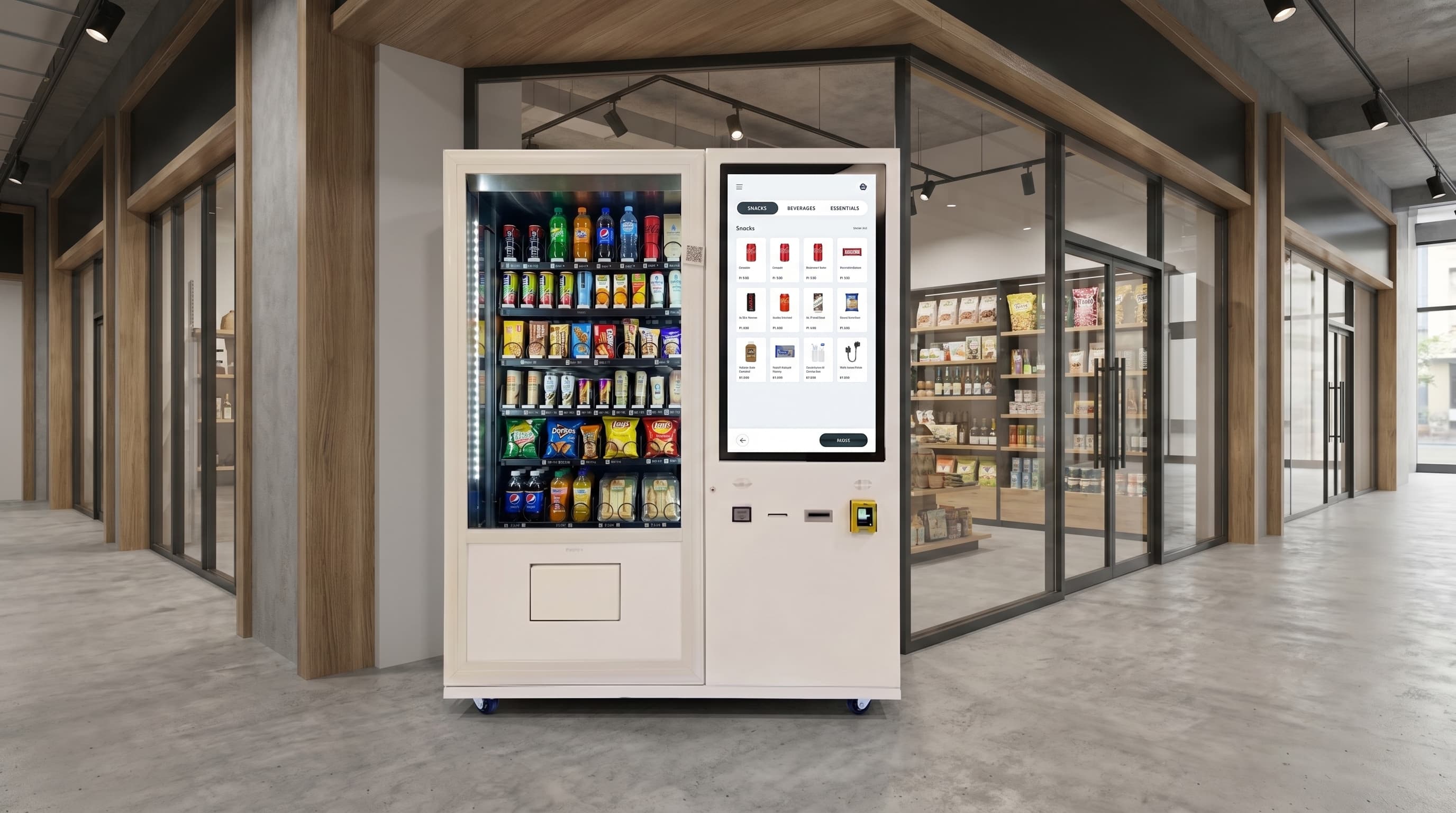
A giant robotic vending machine is a large-format automated retail cabinet that keeps inventory locked behind the customer interface and uses a robotic picker arm, carousel, or other controlled retrieval system to release the selected item only after payment is authorised. That one mechanical difference — customers do not touch the inventory until the transaction is complete — is what changes the shrink conversation. Open-shelf retail invites handling, concealment, and walk-off loss at multiple points in the buying journey. Locked-cabinet automated retail narrows the whole process to one authenticated transaction with event logging around every vend.
This does not mean the machine magically ends theft everywhere. It means the format removes the open-shelf attack surface that drives a large share of shrink in categories such as electronics accessories, beauty, convenience, and other high-handling goods. That is the useful claim. The wilder sci-fi nonsense can stay in the bin where it belongs.
The shrink baseline that actually matters
According to the NRF National Retail Security Survey 2023, total US retail shrink reached $112.1 billion in fiscal year 2022, with average shrink running at 1.6% of sales. External theft remains one of the biggest drivers across many categories. That is the real benchmark for any automated-retail anti-theft conversation. A robotic cabinet is not valuable because it sounds futuristic; it is valuable if it lowers shrink enough, or protects enough margin, to justify the capital and operating cost.
Operators should compare the shrink profile of an open-shelf product set against the same mix placed behind a locked automated cabinet. That is a grounded commercial comparison. Invented case studies about mystery retailers slashing theft by dramatic round numbers are not.
How a giant robotic vending machine actually retrieves a product
Large-format robotic vending generally combines four working layers. First is the inventory matrix — shelves, trays, or cells arranged so the cabinet can carry a broad SKU count without giving the buyer physical access. Second is the retrieval mechanism, often a robotic picker arm or guided carriage, which moves to the selected item and routes it to the delivery zone. Third is the payment and control stack, commonly built around MDB/ICP-compatible hardware with EMV and NFC payments. Fourth is the telemetry layer, which records dispense events, faults, stock state, and service actions through systems that can support DEX reporting.
That is why the format suits fragile or high-value products better than an old coil-drop machine. The product is retrieved and lowered in a controlled path rather than dropped and hoped for.
Where locked-cabinet automated retail earns its footprint
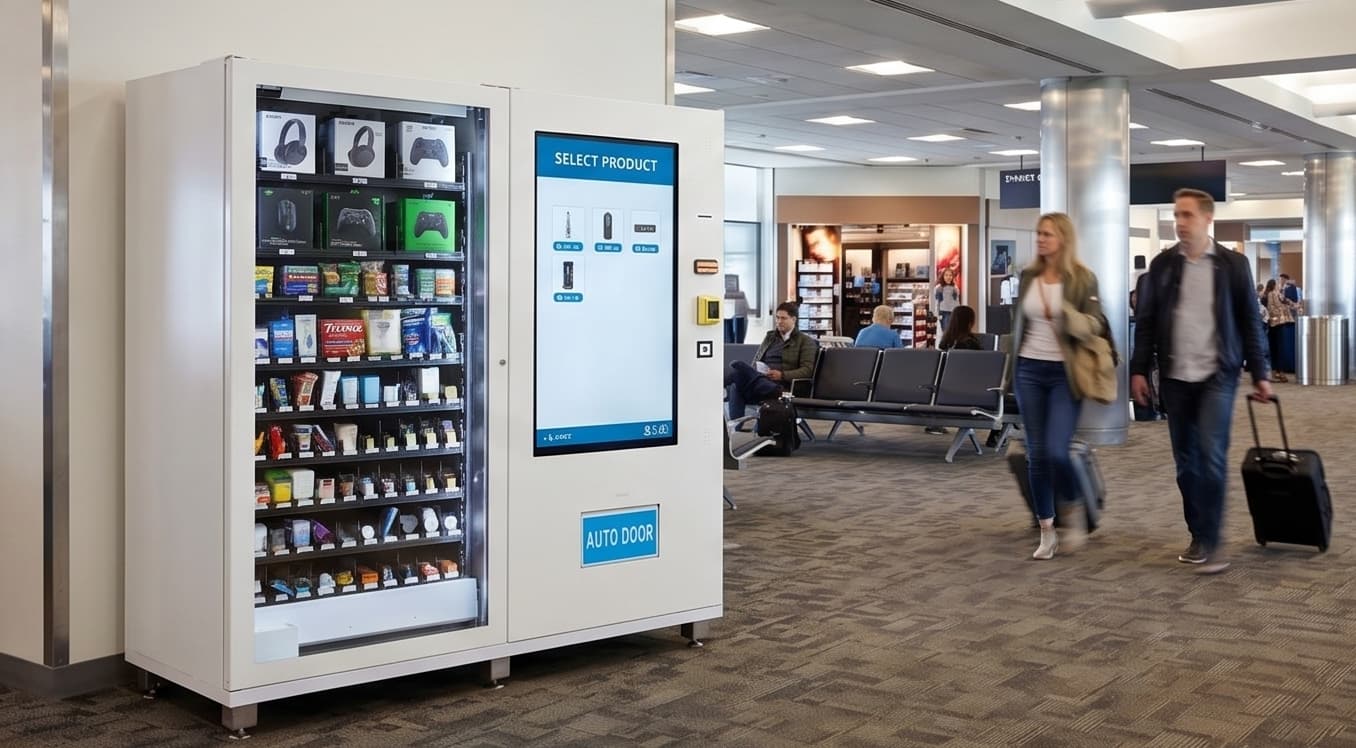
This format earns its keep in locations where product margin is meaningful, shrink risk is real, and the venue can support the machine footprint. Airports, transit hubs, hospital corridors, campuses, residential lobbies, hotel environments, and 24/7 employee access zones are all common fits. In those spaces, a robotic cabinet can serve convenience demand while keeping stock behind a controlled barrier. The cabinet becomes a retail checkpoint, not just a dispensing box.
It is also useful where staffing every sale makes little economic sense but open shelving would be asking for trouble. That is where automated retail starts to look like a proper operating model rather than a novelty installation.
What this format does not do
A giant robotic vending machine does not replace every staffed store, eliminate internal shrink during restocking, or make physical perimeter security irrelevant. It also does not need speculative face-recognition claims to justify itself. The defensible security benefit comes from the locked cabinet, the authenticated transaction, and the event trail. If a buyer later wants to explore biometrics or controlled-access layers, that is a separate decision with its own privacy, accuracy, and legal considerations — not something to sprinkle over the page like parsley.
In short, the cabinet reduces a specific class of loss. It does not become the law, the landlord, and the night watchman all at once.
How operators should evaluate the business case
The commercial question is not “is a robotic vending machine cool?” It is whether the cabinet protects enough gross margin, extends enough trading hours, or reduces enough labour and shrink to beat the alternative. Buyers should model capex, restock cadence, average basket value, payment fees, expected transaction volume, service response, and the value of moving sensitive or theft-prone SKUs out of open shelving. A robotic cabinet can absolutely make sense. It just needs to win on arithmetic rather than on breathless adjectives.
Considering automated retail for shrink-sensitive inventory?
DMVI can help you compare locked-cabinet automated retail against open-shelf or staffed formats so the decision is driven by shrink exposure, footprint, and route economics rather than breathless gadget worship.