How a Smart Vending Machine Benefits a Retail Business: Format, Upgrades, and Route Economics
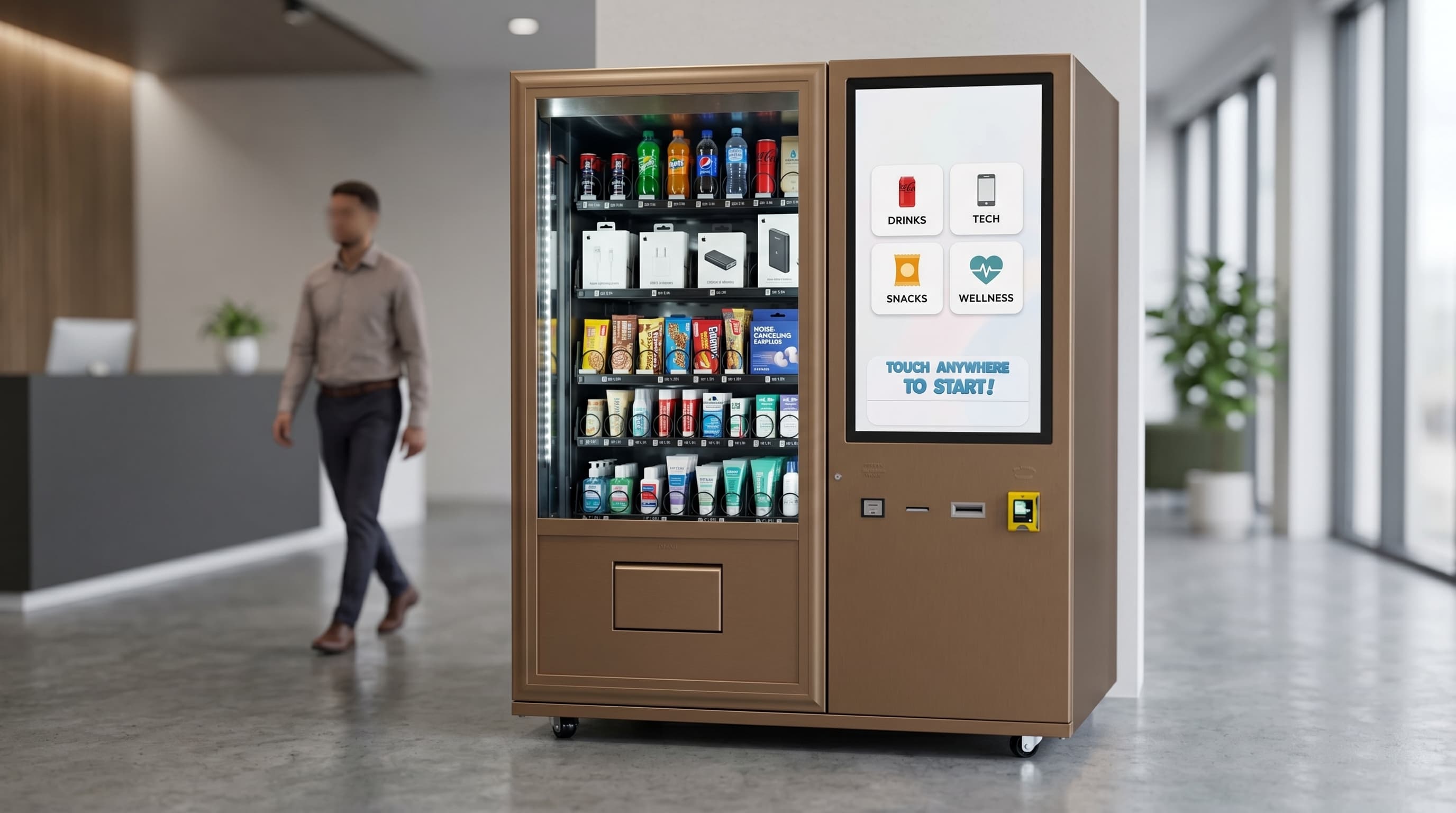
A smart vending machine is an IoT-connected, cloud-managed retail cabinet that combines cashless payment, real-time stock visibility, remote planogram control, and sales telemetry through one operating system. That sounds rather tidy on paper, but the real commercial difference is simpler: a basic machine is something you visit, inspect, and reconcile by hand, while a smart machine tells you what happened before you arrive. For a retail operator, that shifts the cabinet from a dumb box into a manageable unattended-retail channel.
This page matters because the search intent behind it is not just “what is a smart vending machine?” The live demand also includes “should I upgrade an older cabinet?” and “does smart vending actually improve the business case?” Those are the questions worth answering, so let’s do that instead of recycling pandemic-era copy like it is still 2020.
What makes a vending machine “smart”
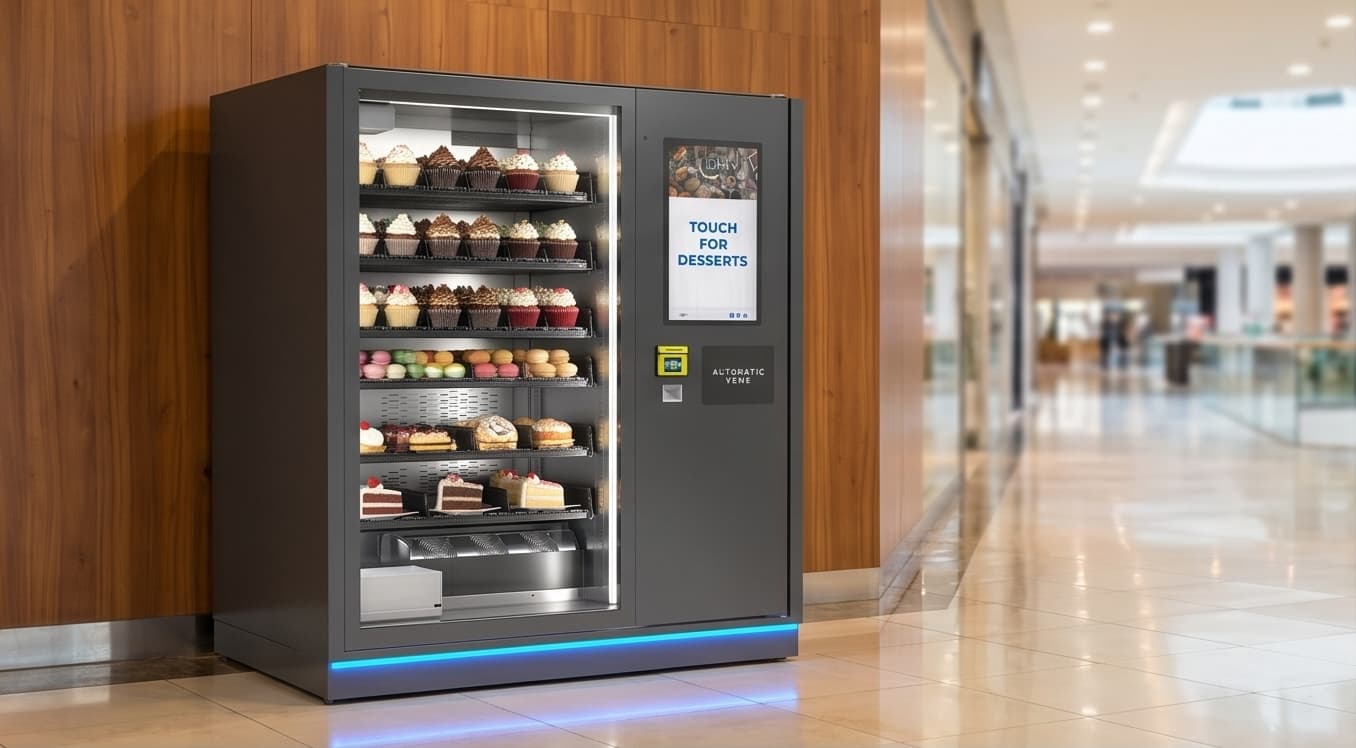
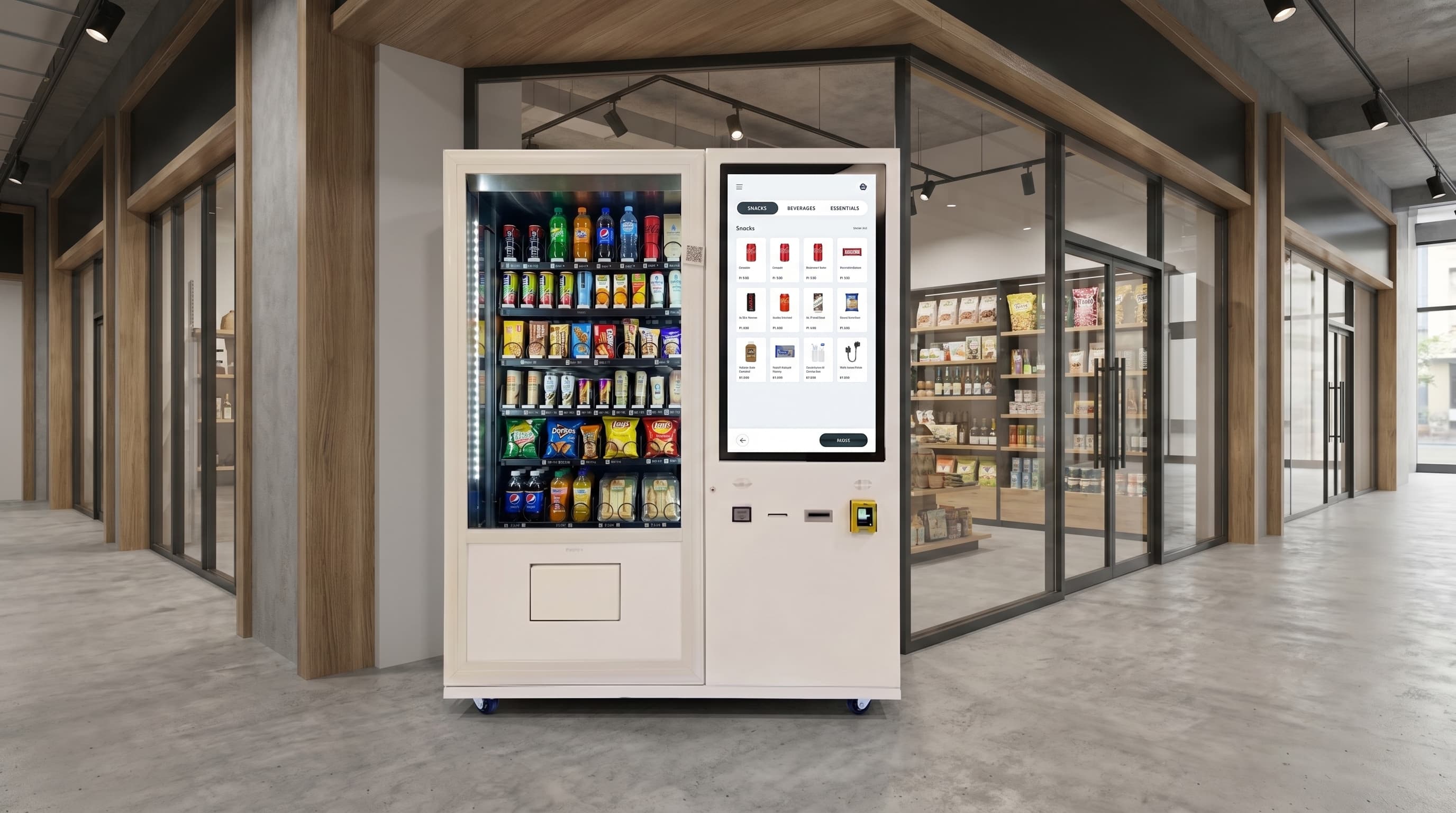
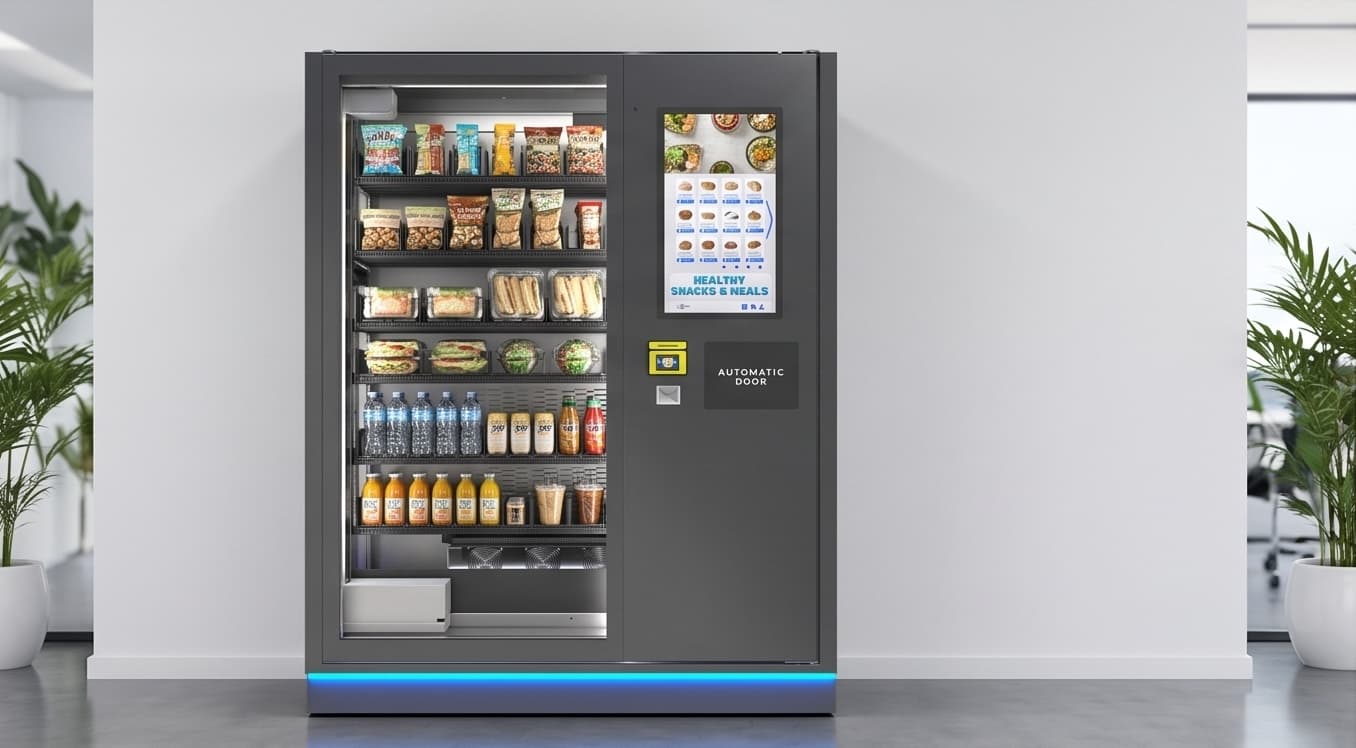
A smart vending machine combines four useful layers. The first is a cashless payment stack that accepts EMV chip, contactless NFC, and mobile wallet payments through MDB-compatible hardware. The second is a touch screen interface that displays products, pricing, promotional content, and any age-gate or verification prompts the deployment needs. The third is telemetry, often using DEX and related vending data standards, so the operator can see vends, faults, stock movement, and service events in near real time. The fourth is a modern dispensing system — conveyor, elevator, or guided delivery — so products are lowered or transferred carefully instead of being dropped out of an old coil with fingers crossed.
That combination is what makes the cabinet commercially useful beyond snacks. It is why a smart machine can sell fragile items, branded retail assortments, electronics accessories, cosmetics, and refrigerated products with far more control than a basic mechanical unit.
How smart vending benefits a retail business
The first benefit is 24/7 unattended selling. A cabinet keeps trading when the counter is shut, the queue has moved elsewhere, or the venue does not justify staffing for every hour of demand. The second benefit is route visibility. Operators can restock based on actual sales and slot depletion instead of fixed weekly visits and hopeful guesswork. The third benefit is retail flexibility. Prices, product mixes, and promotional messages can change without rebuilding the entire site footprint or relying on manual paper signage.
For the venue, that means more hours of access and a smaller staffing burden. For the operator, it means fewer wasted visits, faster response to stockouts, and a clearer read on which SKUs deserve space. In short: better data, better control, and fewer pointless journeys.
Upgrade paths for an existing vending machine fleet
One of the strongest commercial intents on this URL is retrofit demand, and quite right too. Many operators do not need to replace every existing cabinet just to get smarter operations. The most common first step is a cashless retrofit: install an MDB-compatible reader and immediately add card, tap, and wallet acceptance. Often that same hardware can also feed telemetry into the cloud dashboard, giving the operator stock and fault visibility without changing the cabinet shell. A touch screen retrofit is more invasive and only makes sense when the cabinet still has meaningful service life left in it. Refrigeration retrofits are usually the point where thrift turns into theatre; if the venue truly needs fresh food capability, a purpose-built refrigerated cabinet is normally the cleaner answer.
This is where smart vending becomes a business decision instead of a fetish for shiny screens. The right upgrade is the one that improves route economics and customer conversion without pretending every old cabinet deserves a second act on the West End.
Route economics and the viability question
A smart vending machine earns its keep when the daily transaction volume and average ticket clear the operating costs attached to the cabinet. Those costs include payment processing, telemetry software, route service, and refrigeration energy if relevant. The operator needs honest arithmetic: how many transactions per day does this location support, what is the average basket value, and how much labour or shrink does the cabinet prevent relative to the alternative? If the numbers work, smart vending becomes a durable channel. If they do not, a smaller cabinet or a simple cashless retrofit may be the more defensible move.
The key point is that smart vending is not automatically better because it is connected. It is better when connectivity leads to better decisions, stronger conversion, and denser route economics.
Where smart vending performs best
Smart vending performs best in places with predictable traffic, cashless-first buyers, and real demand outside normal staffing windows. Hotels, transit hubs, campuses, healthcare corridors, residential lobbies, workplaces, and mixed-use public venues all fit the model well. These are environments where buyers want fast access and operators benefit from remote management. A connected cabinet does not need to replace every retail shelf in the building; it simply needs to handle the right assortment with less friction and more visibility than the existing alternative.
Planning a smart vending rollout or retrofit?
DMVI helps operators compare full smart-vending deployments against cashless and telemetry retrofit paths so the cabinet format, feature stack, and route model fit the venue instead of overshooting it.