Healthcare Automated Retail: A Practical Guide for Physician-Led Vending Operators
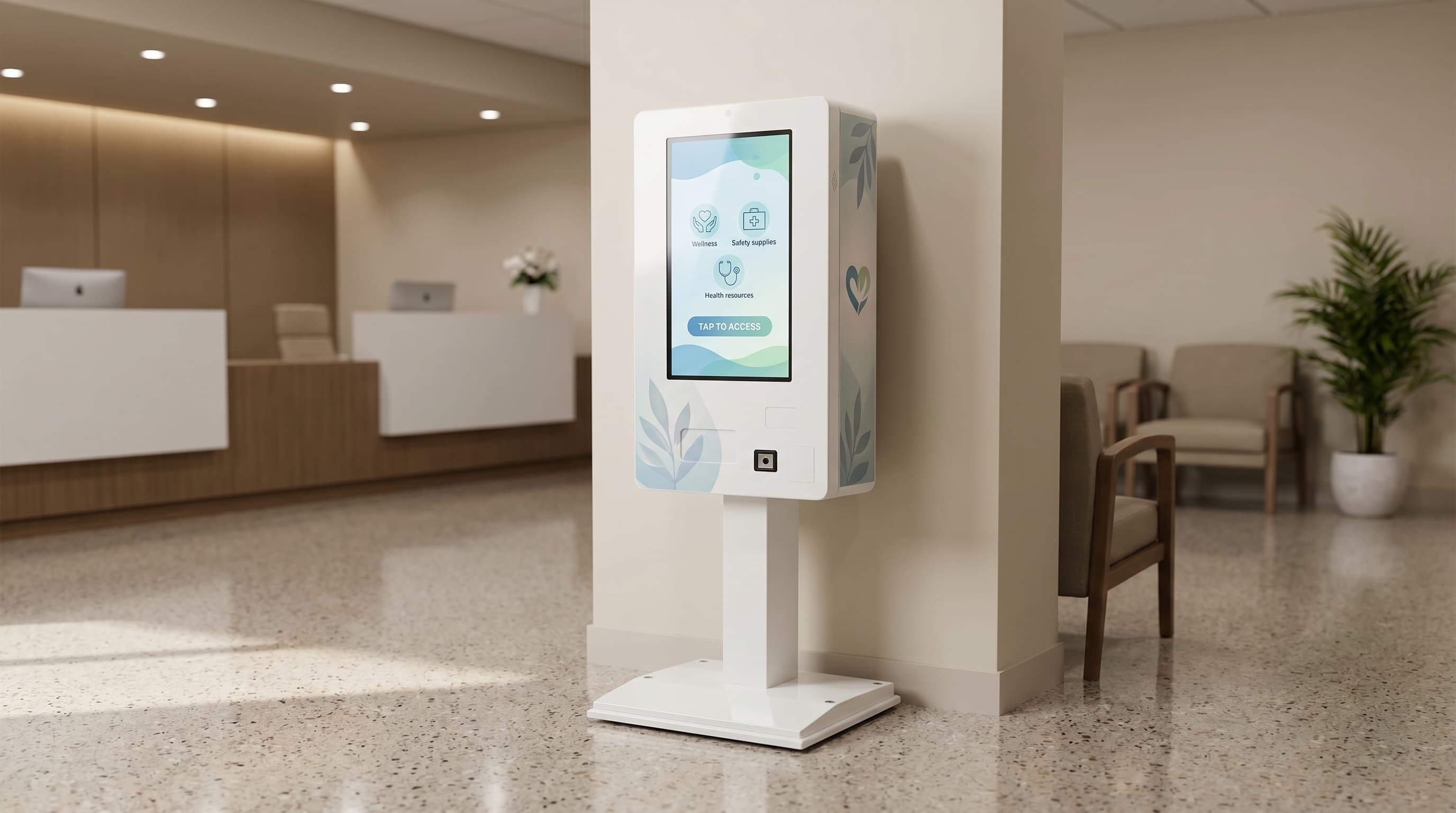
A healthcare vending program is a form of unattended retail that places over-the-counter products, basic wellness items, PPE, and selected non-prescription accessories inside a connected smart cabinet at a clinic, hospital, urgent-care site, campus health centre, or workplace medical setting. It is not pharmacy. It is not prescription dispensing. It is a 24/7 access lane for the products patients, staff, and visitors already buy at retail when the gift shop is shut, the canteen is useless, or the nearest store is nowhere helpful at 3 a.m.
That distinction matters because this category is often pitched with far too much optimism and not nearly enough operational honesty. The useful opportunity is not “do medicine through a vending machine.” It is to deliver the right low-risk retail products in the right venue with auditable telemetry, controlled storage, and a planogram that reflects actual patient and staff demand.
What a healthcare automated retail program can actually sell
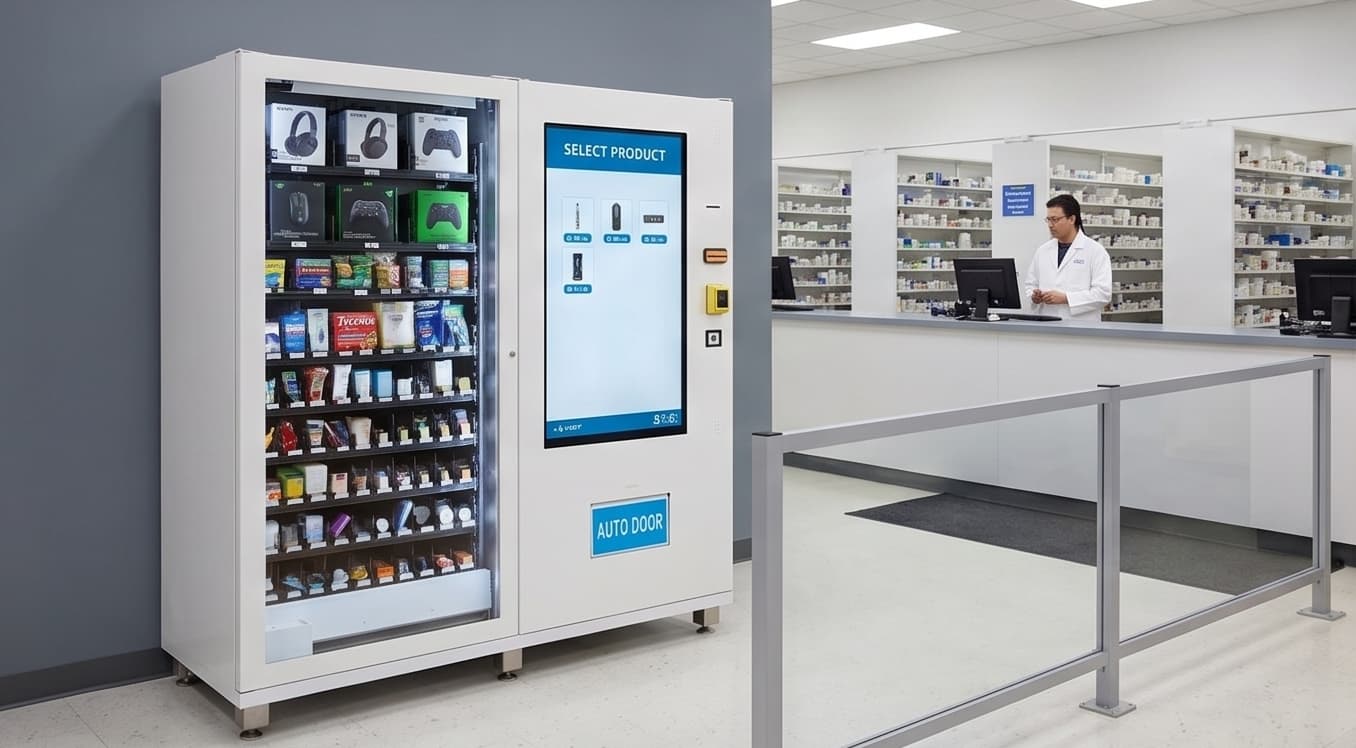
A defensible healthcare assortment usually starts with OTC products such as analgesics, cold and allergy remedies, antacids, first-aid basics, and similar non-prescription items already sold through ordinary retail channels. The next layer is PPE and wellness stock: masks, gloves, hand sanitiser, thermometers, blood-pressure cuffs, glucose meters, and other basic accessories. Some operators also add hydration, better-for-you snacks, or selected refrigerated wellness items where the cabinet supports temperature control and the site has the restocking discipline to match.
The important boundary is prescription dispensing. That is a separate regulated activity and should not be blurred into a generic “medical vending” sales pitch. If a project needs prescription workflows, pharmacist review, or controlled-substance handling, it has left the lane this page is describing.
How the cabinet, planogram, and route economics work
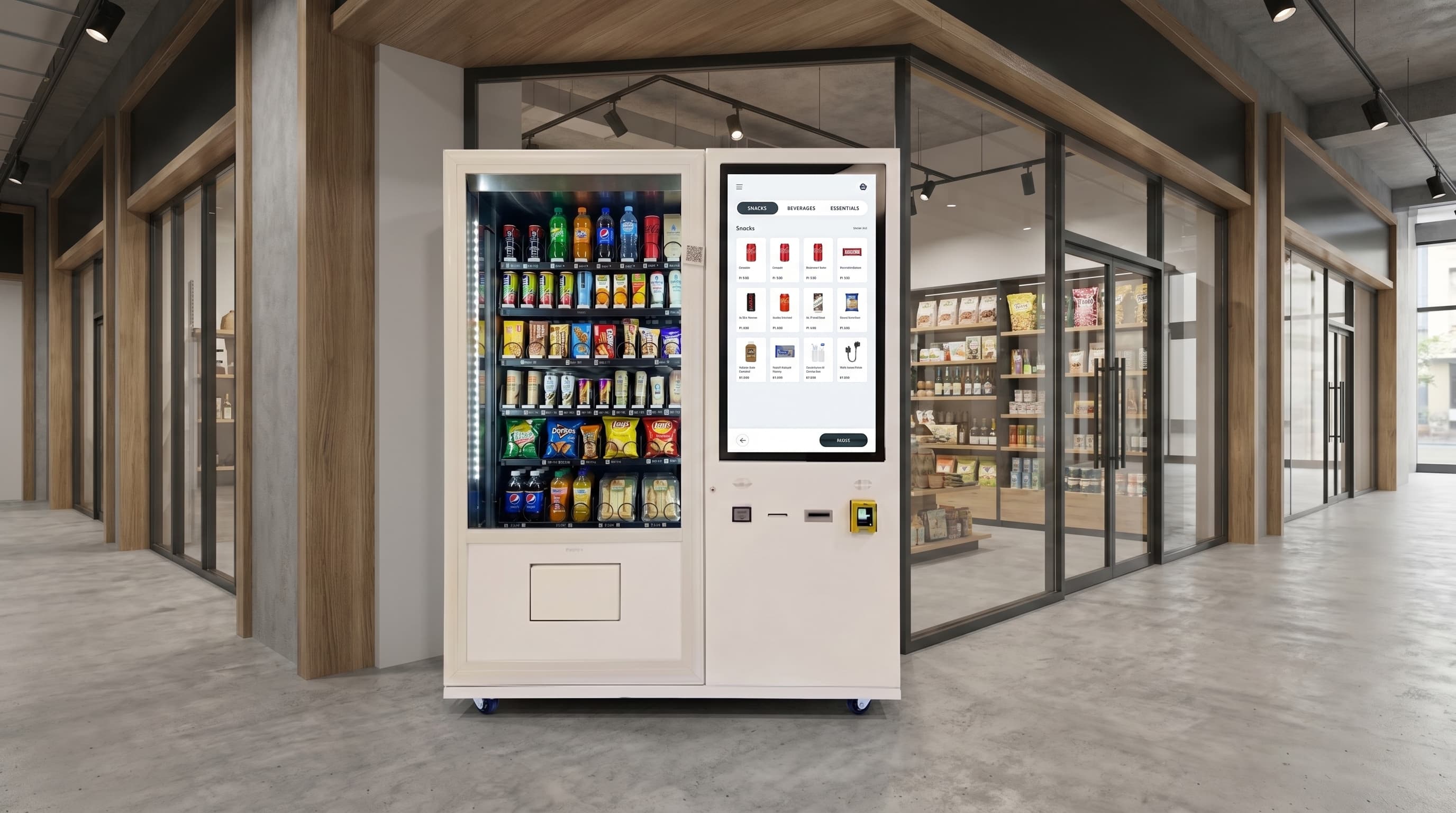
A healthcare vending cabinet still runs on the same fundamentals as the rest of a smart vending fleet: cashless payment, telemetry, stock visibility, and service data. An operator uses that data to shape the planogram around the venue. A hospital corridor might lead with PPE, hydration, analgesics, and basic first aid. A campus clinic may need more cold and allergy products. A workplace medical room might move sanitiser, masks, pain relief, and convenience wellness items far faster than anything else. The cabinet succeeds when the SKU mix is treated as a real operating model rather than a decorative afterthought.
Route economics improve because telemetry shows what sold, what is nearly empty, and where a fault needs attention. That means restocking and service visits can be based on actual usage rather than wishful weekly rounds.
The compliance questions honest operators answer before launch
Most of the real work sits in the dull, important questions. Does the venue's existing retail or OTC licensing cover the intended assortment? Are the storage conditions correct for every SKU? If refrigeration is required, is the cabinet logging temperature data and surfacing faults quickly enough to protect the product? Are any items subject to age gates or signage requirements in the jurisdiction? This is where a sensible operator earns their keep.
The cabinet should be designed around those answers, not the other way round. A clever touch screen does not rescue a sloppy compliance posture. Fancy words are sadly not recognised by regulators as a storage method.
Why physician-led or clinic-led operators can outperform generic routes
A physician-led or clinic-affiliated operator can outperform a generic vending route because the assortment can reflect real patient and staff needs instead of guesswork. The venue also carries built-in trust: buyers are more likely to use a cabinet that feels like part of the care environment rather than a random snack machine wearing a stethoscope. Just as importantly, operators already working in regulated environments tend to treat the cabinet as another controlled touchpoint, not as a passive side hustle that can be ignored once installed.
That does not mean every healthcare professional should suddenly become a vending mogul. It means the model works best when someone with operational discipline and venue context owns the assortment, the storage rules, and the service response.
Where healthcare automated retail is the right fit
The strongest fits are clinics, hospitals, urgent-care centres, campus health facilities, workplace health rooms, rehabilitation settings, and public-health environments where people need basic products outside ordinary staffed hours. In those settings, a cabinet can close genuine access gaps without pretending to replace clinical care. It complements the site. It does not become the site.
Planning a healthcare or wellness vending deployment?
DMVI helps operators scope the right cabinet, assortment, storage workflow, and telemetry model for healthcare-adjacent automated retail without drifting into lanes that need a different compliance structure.