Fresh Food Vending Machines: Salads, Sandwiches, Smart Fridges, and Micro-Markets for Healthy 24/7 Eating
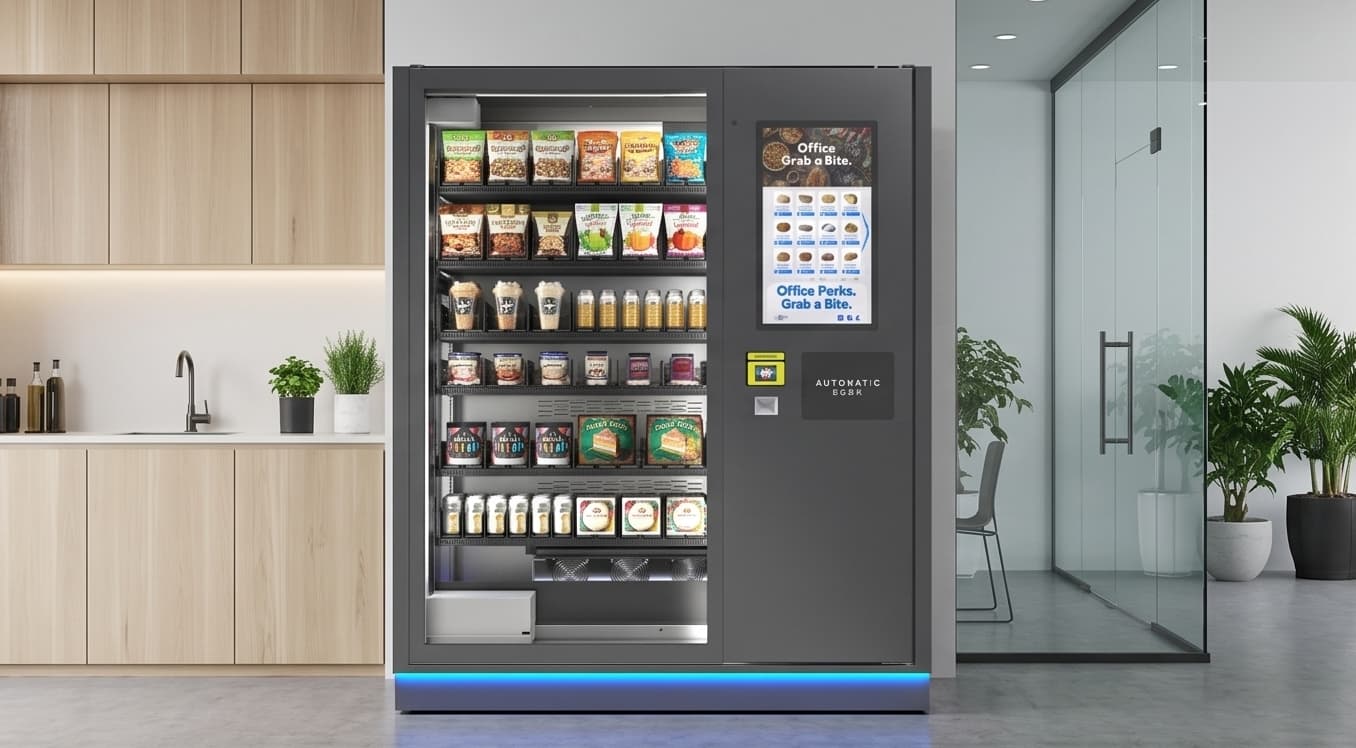
A fresh food vending machine is a refrigerated unattended-retail cabinet — or a smart fridge, or a compact micro-market — that dispenses salads, sandwiches, wraps, yoghurt, protein boxes, fruit cups, chilled beverages, and other ready-to-eat meals when the canteen is shut and the nearest proper food option is nowhere useful. Standard snack vending cannot fill that gap. A bag of crisps and a chocolate bar may be many things, but a lunch strategy is not one of them.
This page is also the consolidation point for older salad- and sandwich-vending URLs, so the important thing to say clearly is that modern fresh food vending really can support healthy, refrigerated meal lines. The question is not whether the format can sell fresh food. It can. The question is whether the cabinet, cold chain, restocking cadence, and site demand all behave like grown-ups.
What fresh food vending actually includes
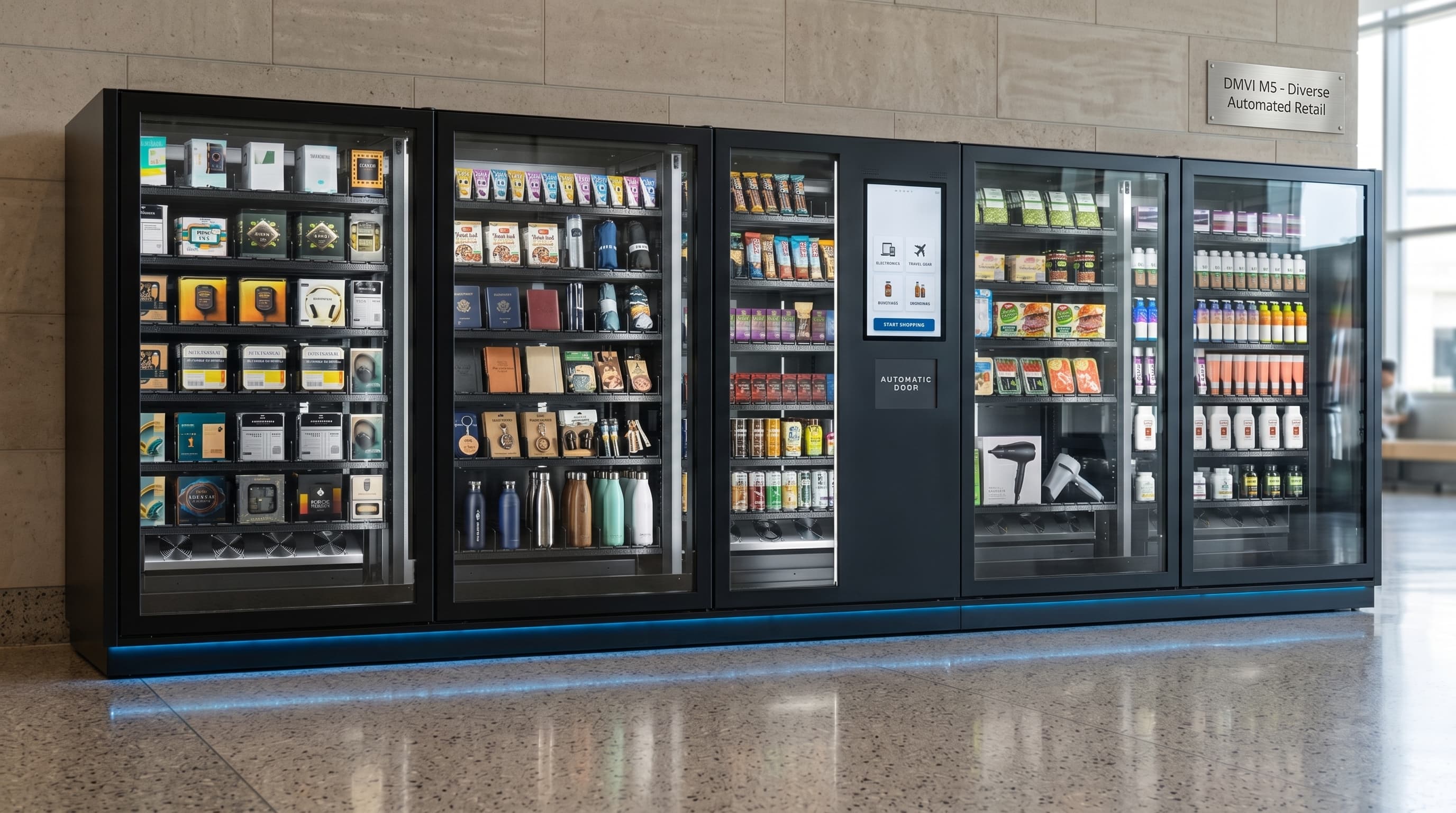
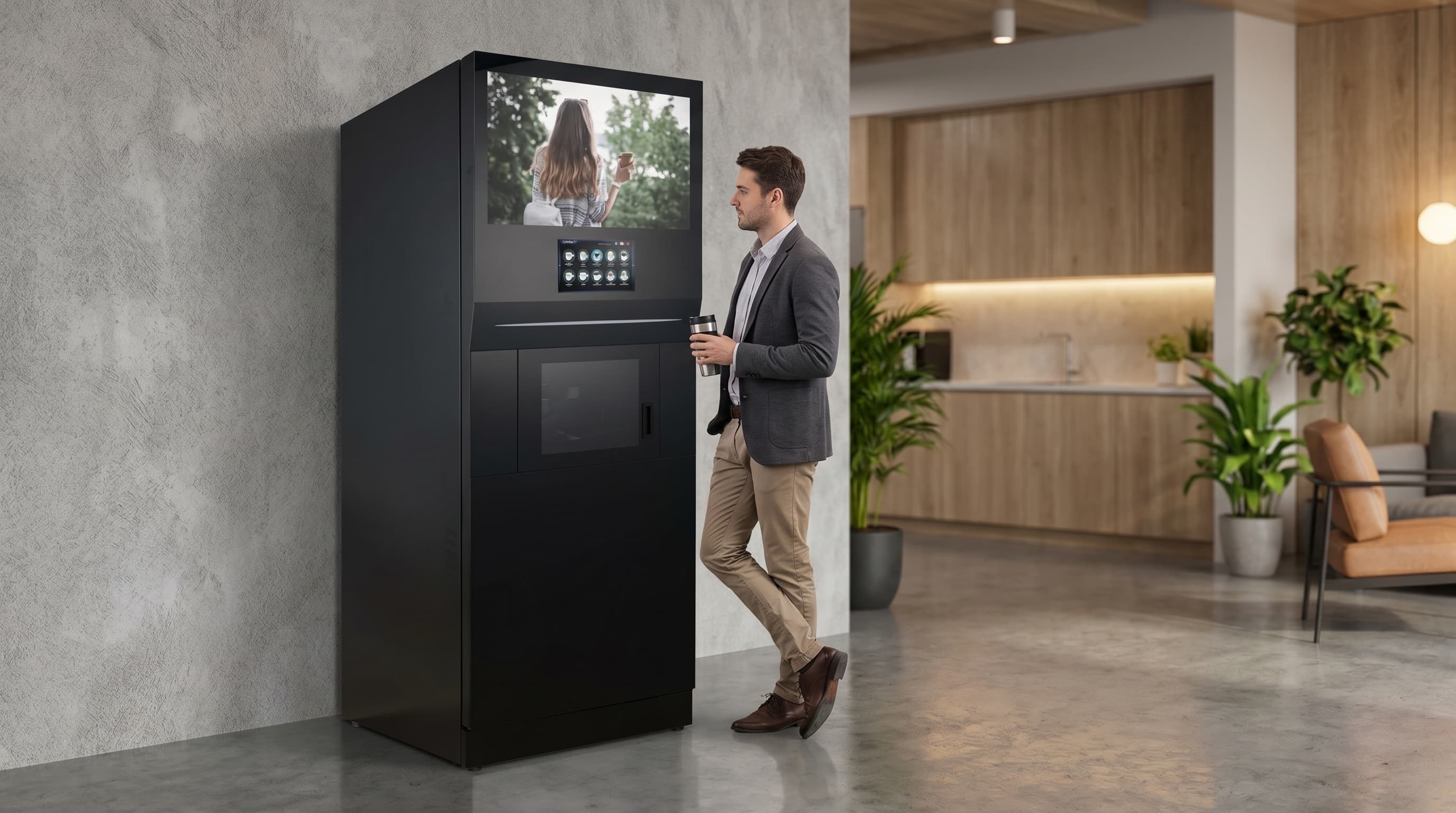
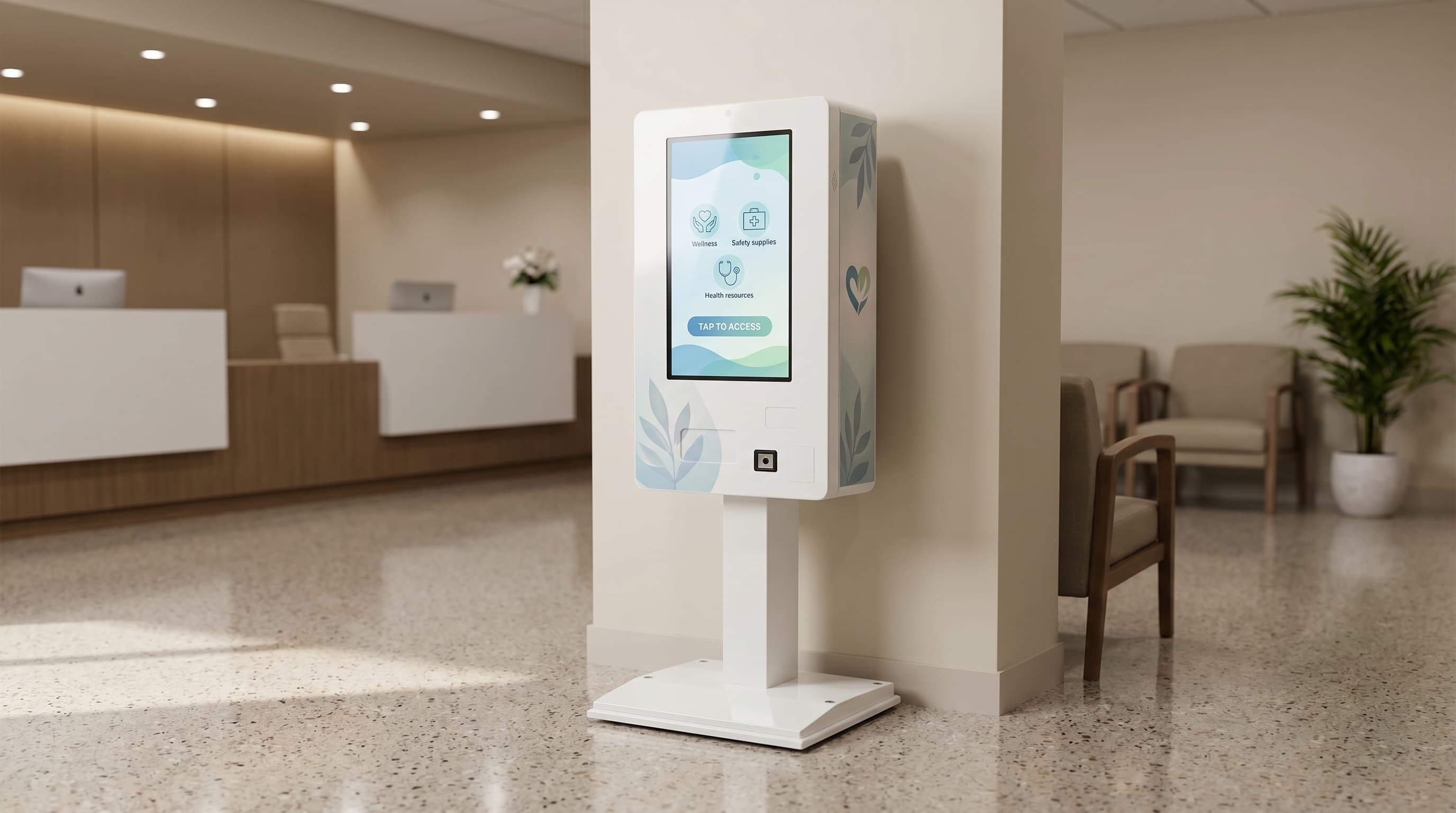
Fresh food vending covers three main formats. Refrigerated meal machines use a standard cabinet footprint with chilled storage and a guided delivery path for sandwiches, salads, wraps, yoghurt, fruit cups, and similar ready-to-eat items. Smart fridges let the buyer open the door, remove the products they want, and pay through a touchscreen or linked wallet flow while the system identifies what was taken. Micro-markets extend the idea into a compact unattended retail footprint with open shelving, refrigerated cabinets, and a self-service payment point.
Those three formats cover the inherited search surface from “salad vending machine,” “sandwich vending machine,” “healthy food vending,” and broader fresh-food retail queries. They solve the same access problem in slightly different ways, and the best fit depends on volume, footprint, and how much assortment the location really needs.
Where fresh food vending works
The strongest locations are offices and campuses with enough employees to justify frequent replenishment, healthcare environments where staff need meal access outside canteen hours, education settings, transport hubs, and residential or hotel environments where people want proper food without a full-service operator on site. In these places, healthy food vending is not a novelty. It is a way to provide 24/7 access without building a staffed café.
The economics are still less forgiving than ambient snack vending. Fresh food needs enough daily transactions to absorb waste risk, refrigeration cost, and more frequent service visits. Weak placement punishes this category faster than it punishes crisps and fizzy drinks.
The restocking and food-safety reality
Fresh food vending lives or dies on refrigeration reliability and disciplined replenishment. Chilled ready-to-eat products have shelf lives measured in days, not weeks, so date checks, stock rotation, waste management, and temperature monitoring have to happen on every service cycle. The relevant baseline in the United States is the FDA Food Code 2022, which underpins most state and local retail food rules. In practical terms, the cabinet must hold products in the correct temperature window, surface faults quickly, and support records the operator can actually use.
This is why fresh food vending is not just snack vending with a colder compressor. It is a more demanding retail model, and the operator has to treat it accordingly. If refrigeration drifts, that is a food-safety problem, not merely a maintenance inconvenience.
When a micro-market makes more sense than a single machine
A single refrigerated cabinet or smart fridge usually makes sense when the location has a focused demand profile and a constrained footprint. A micro-market becomes more defensible when daily potential users exceed the practical capacity of one cabinet, the site wants broader product variety, or the buyer experience needs to feel like a compact grab-and-go shop rather than a machine-based purchase. That is especially true in larger offices, hospitals, and campuses where the product range needs to cover meals, drinks, snacks, and convenience items together.
The useful filter is straightforward: how many daily transactions do you expect, how wide does the assortment need to be, and does the site have enough space and traffic to justify the broader unattended-store format? If yes, a micro-market earns its footprint. If not, a refrigerated machine or smart fridge is usually the saner starting point.
Planning a fresh food vending or micro-market deployment?
DMVI builds smart fridges, micro-market configurations, and fresh food vending machines for corporate offices, healthcare, education, hospitality, and other high-demand environments where healthy off-hours access matters.