Smart Retail Vending Machines: How Automated Retail Actually Works in 2026
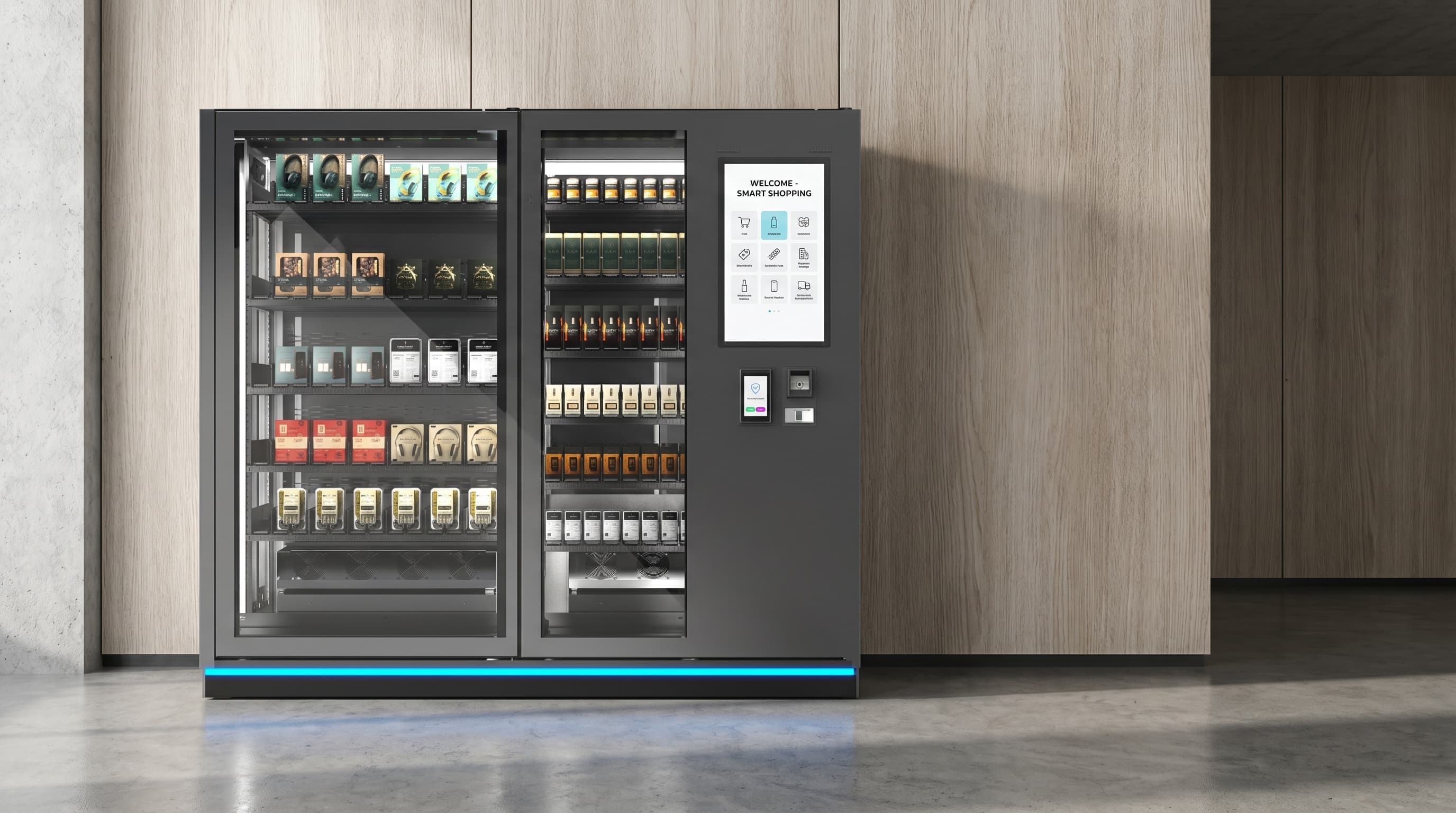
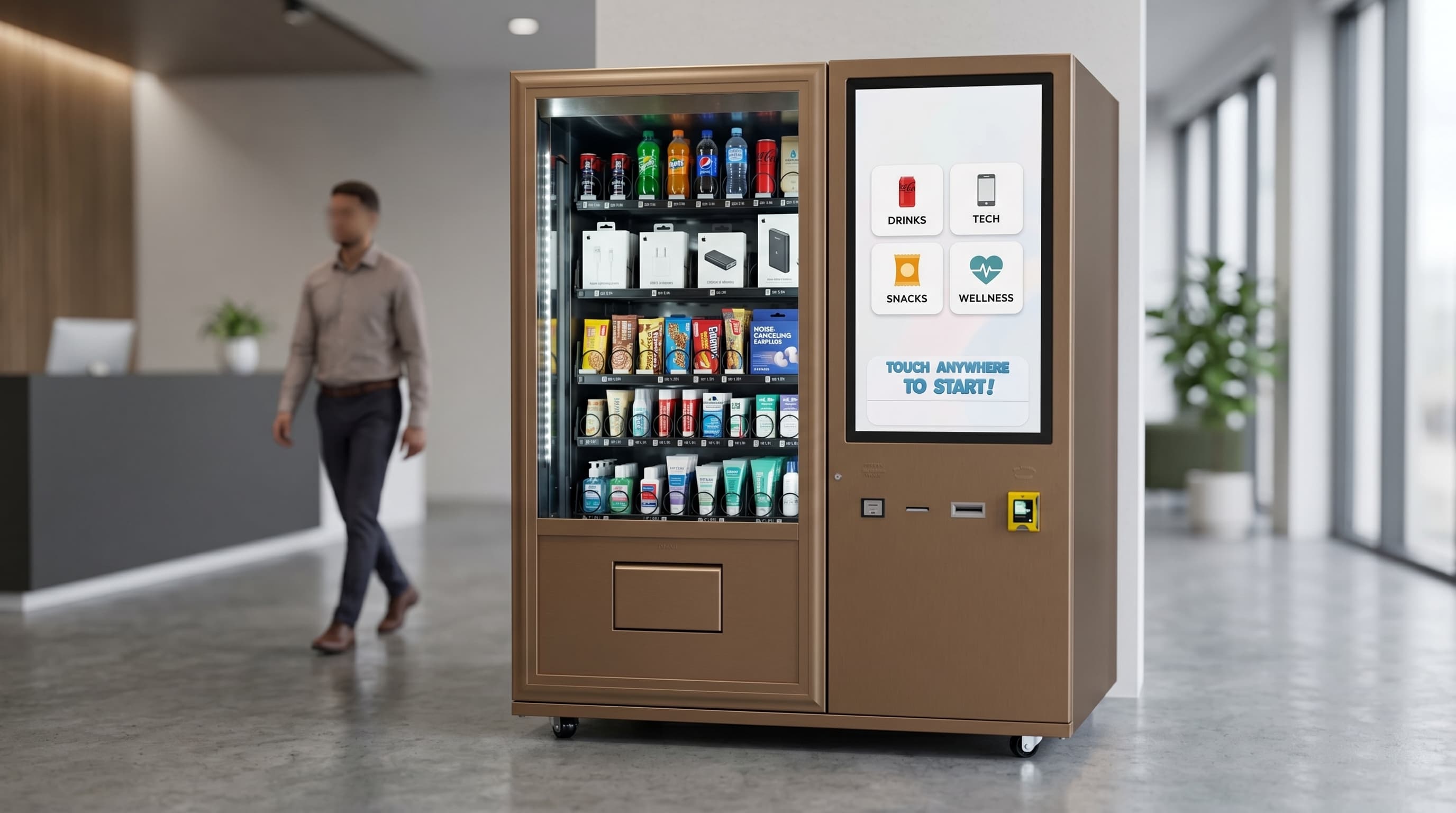
A smart retail vending machine is an internet-connected automated retail cabinet that combines touchscreen merchandising, cashless payment, live telemetry, and cloud-managed stock control into one self-service selling point. That sounds rather polished, but the practical point is simpler: it is not just a vending machine with a prettier face. It is a connected retail node that gives the operator visibility, control, and a 24/7 sales channel without staffing the site.
This matters because the search demand around this page is highly commercial. People looking for smart retail vending machines, automated retail machines, autonomous vending machines, and smart vending solutions are not asking for science-fiction mood music. They want to know what the machine actually does, why it performs differently from legacy vending, and where the economics justify deployment.
What makes a vending machine “smart”
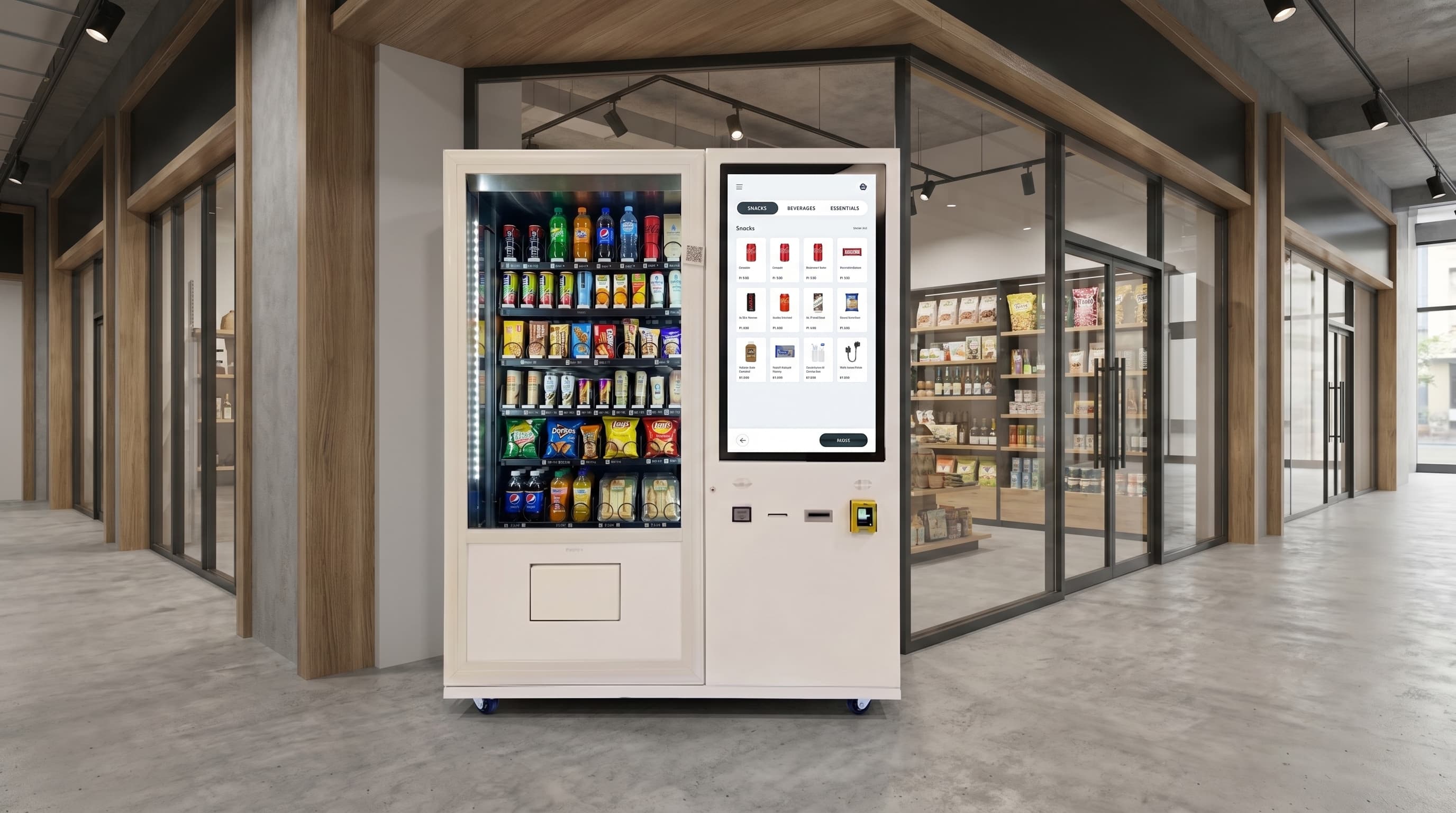
A smart vending machine differs from a basic mechanical cabinet in a few specific subsystems, not in vague tech branding. The touchscreen interface lets the operator present products visually, surface promotions, and support more guided buying flows than a keypad ever could. The cashless payment stack handles card, tap, and mobile-wallet transactions, which matters because unattended retail loses fewer sales when buyers are not hunting for exact change. The telemetry layer reports machine status, stock movement, and faults back to the operator instead of waiting for the next site visit to reveal the damage. And the planogram layer gives the operator a way to manage SKU mix and pricing with more precision than the old “fill it and hope” approach.
Taken together, those features turn vending from a static box into a manageable retail asset.
Why smart vending changes operator economics
The visible benefit for customers is speed and convenience. The deeper benefit is on the operator side. Connected machines give route teams clearer stock visibility, faster reaction to faults, and better evidence about which SKUs are actually moving at each site. That means the operator can restock more intelligently, reduce dead slots, rotate out weak products faster, and make pricing or assortment decisions based on real cabinet-level performance instead of route folklore.
That is the real automated-retail shift. The machine is not “smart” because it glows. It is smart because it helps the operator stop making avoidable blind guesses.
Where smart retail vending machines fit best
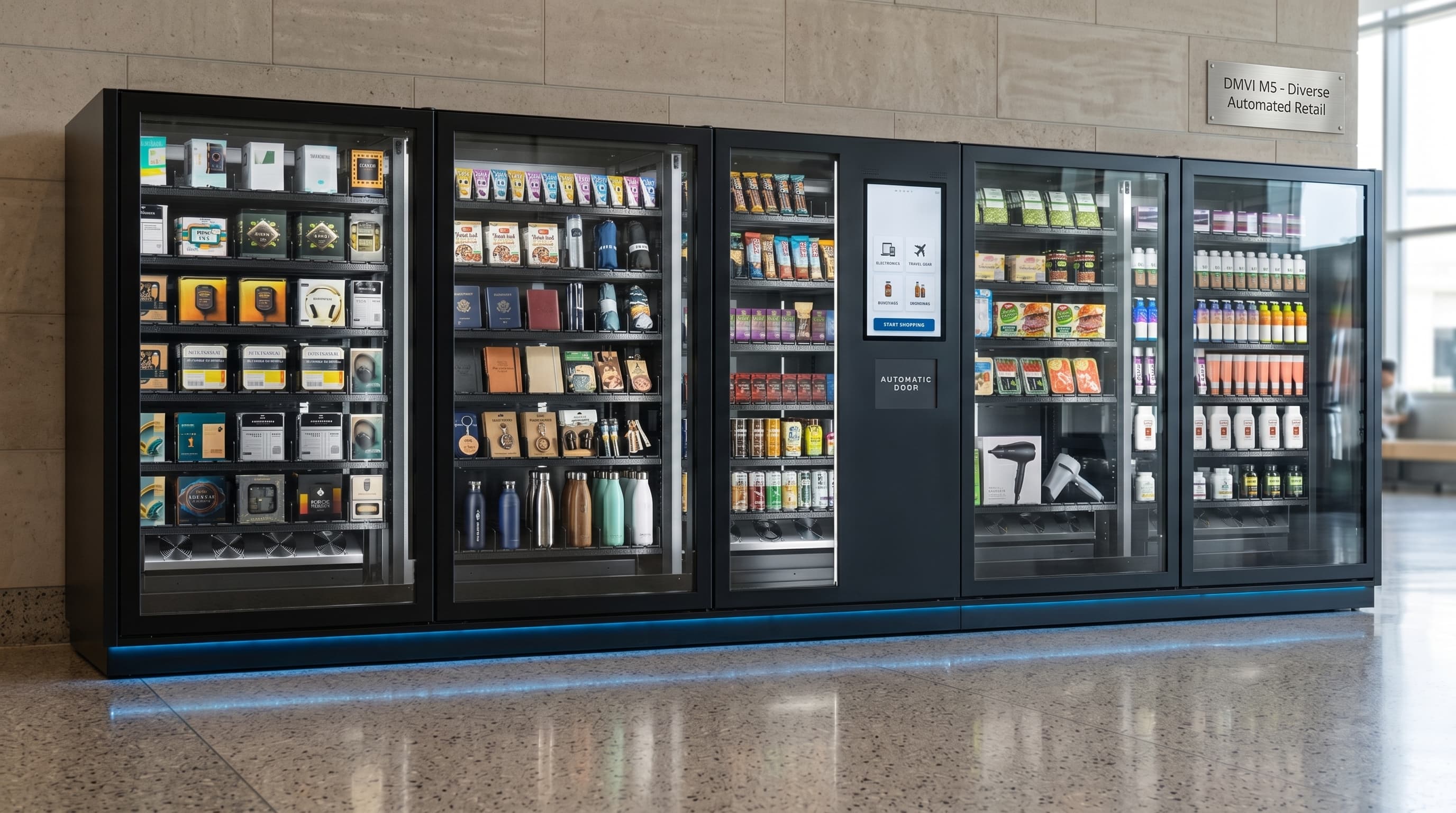
Smart retail vending machines work best where buyers want convenient access and a staffed retail model is either too expensive or too clumsy for the location. Airports, hotel environments, office buildings, campuses, healthcare corridors, residential properties, and other captive or semi-captive venues all fit this pattern. In those settings, the machine can sell snacks, drinks, electronics accessories, wellness items, personal care, and other compact retail assortments without the full labour burden of a store counter.
They are also useful in branded retail deployments where the machine needs to act as part sales channel, part visual retail surface. A touchscreen machine can do far more with product presentation than a traditional glass-front coil cabinet ever managed.
How automated retail differs from old-school vending
Traditional vending was built around limited interfaces, basic payment, and relatively low operator visibility. Automated retail is built around customer experience, cashless conversion, data visibility, and faster operational learning. A regular snack machine may still have a place, particularly in simple low-mix deployments, but a smart retail cabinet makes more sense when product storytelling, frequent SKU tuning, and cashless buying behaviour materially affect the revenue line.
This is why smart vending overlaps with autonomous retail and automated convenience-store formats. The cabinet is one part of a broader unattended-retail operating model, not a novelty appliance standing on its own.
Implementing a smart vending program sensibly
The sensible sequence is site qualification first, cabinet format second, payment and telemetry setup third, planogram design fourth, and then a post-launch review loop driven by actual machine data. Get the site wrong and the nicest machine in the world still underperforms. Get the machine wrong and the site will tell you about it brutally. Get both right and the operator gains a retail channel that can trade longer hours, gather cleaner data, and adapt more quickly than a static machine fleet.
That is the future of automated shopping in plain English: better information, fewer wasted visits, more cashless sales, and a cabinet that behaves like part of a retail system rather than like an isolated steel box hoping for the best.
Ready to build a smarter vending business?
Talk with Digital Media Vending about custom smart vending machines, automated retail, and unattended commerce solutions that fit the actual commercial demands of your site and product mix.