Autonomous Retail Vending Machines: Diverse Product Choices and Why the Limited-Options Myth Is Wrong
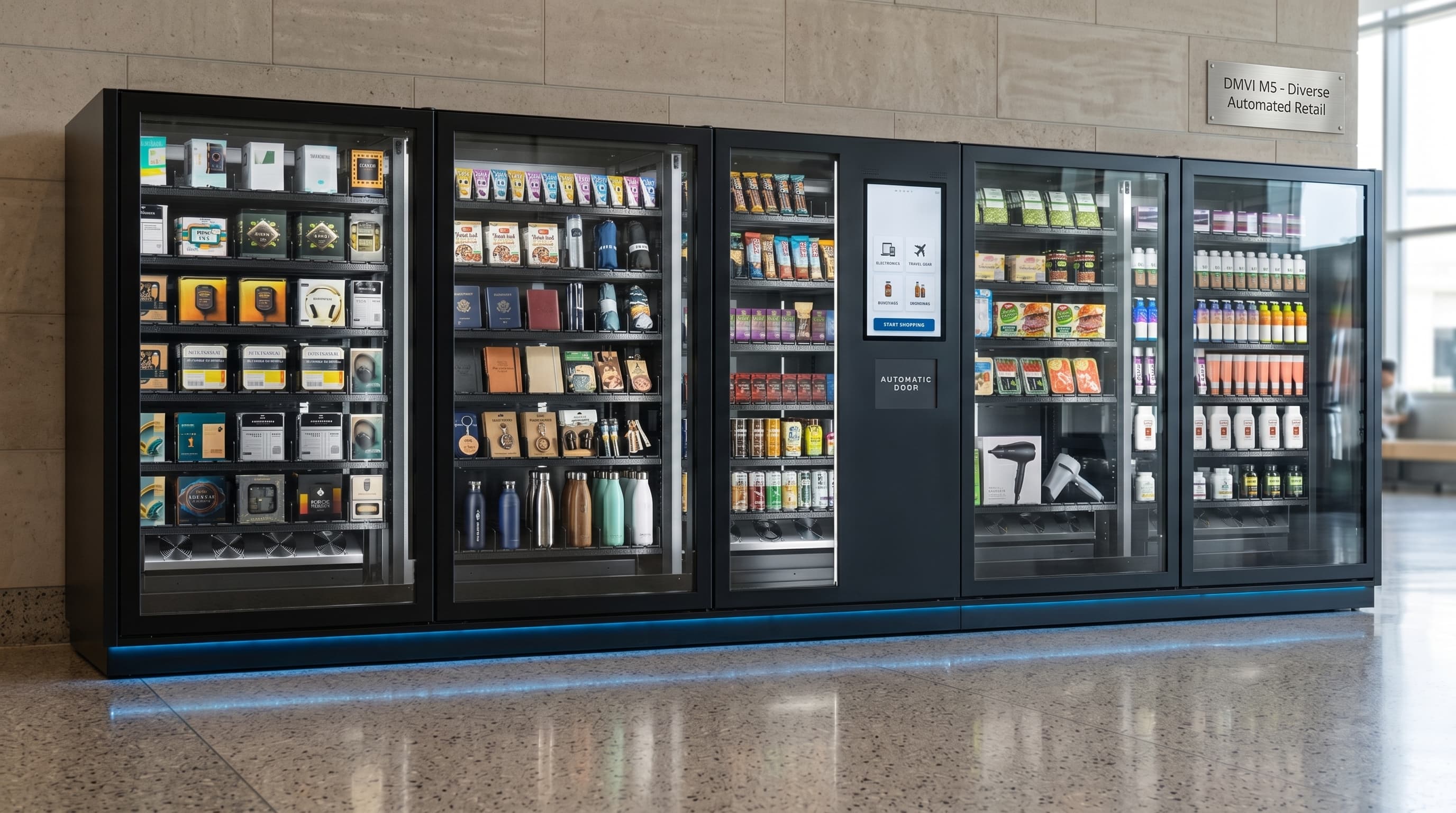
An autonomous retail vending machine is no longer just a glorified snack box with a prettier face. Modern unattended retail cabinets can sell fresh food, beverages, electronics accessories, beauty and personal-care products, wellness items, apparel, and selected age-gated products through a connected payment, telemetry, and product-retrieval system. The old idea that vending offers only a few sad rows of crisps and fizzy drinks comes from a mechanical format that deserved its reputation. The current generation does not.
That matters because this page already attracts strong demand for autonomous vending and automated convenience-store formats. The right move is not to lunge off into futurist waffle. It is to explain, plainly, why the “limited options” myth persists, what changed mechanically, and where autonomous retail genuinely outperforms a conventional staffed store.
Why buyers still think vending means limited choice
The myth came from the legacy spiral-coil machine. Every product had to fit a coil width, survive a free-fall, and make sense in a machine with limited payment options and almost no merchandising intelligence. That mechanical envelope restricted the assortment to durable, low-risk products. It trained the public to associate vending with snack foods and very little else.
Modern autonomous retail breaks that envelope. Robotic picker systems, guided lifts, conveyor delivery, smart-fridge access control, and computer-vision or telemetry-led management all make it possible to carry far more varied assortments without damaging the product or relying on guesswork. The category changed because the mechanics changed, not because marketing departments discovered bigger adjectives.
What autonomous retail vending machines can actually sell
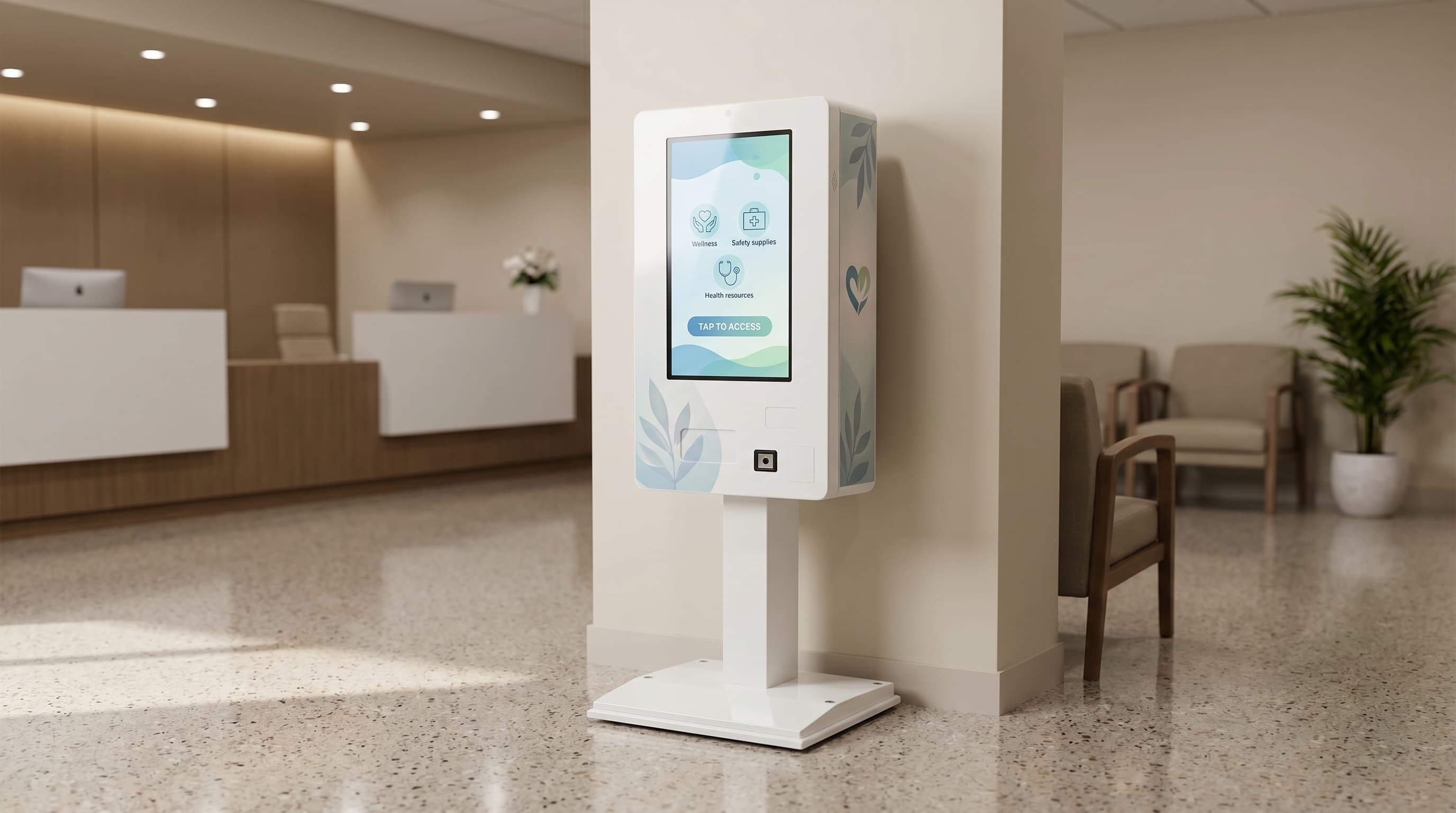
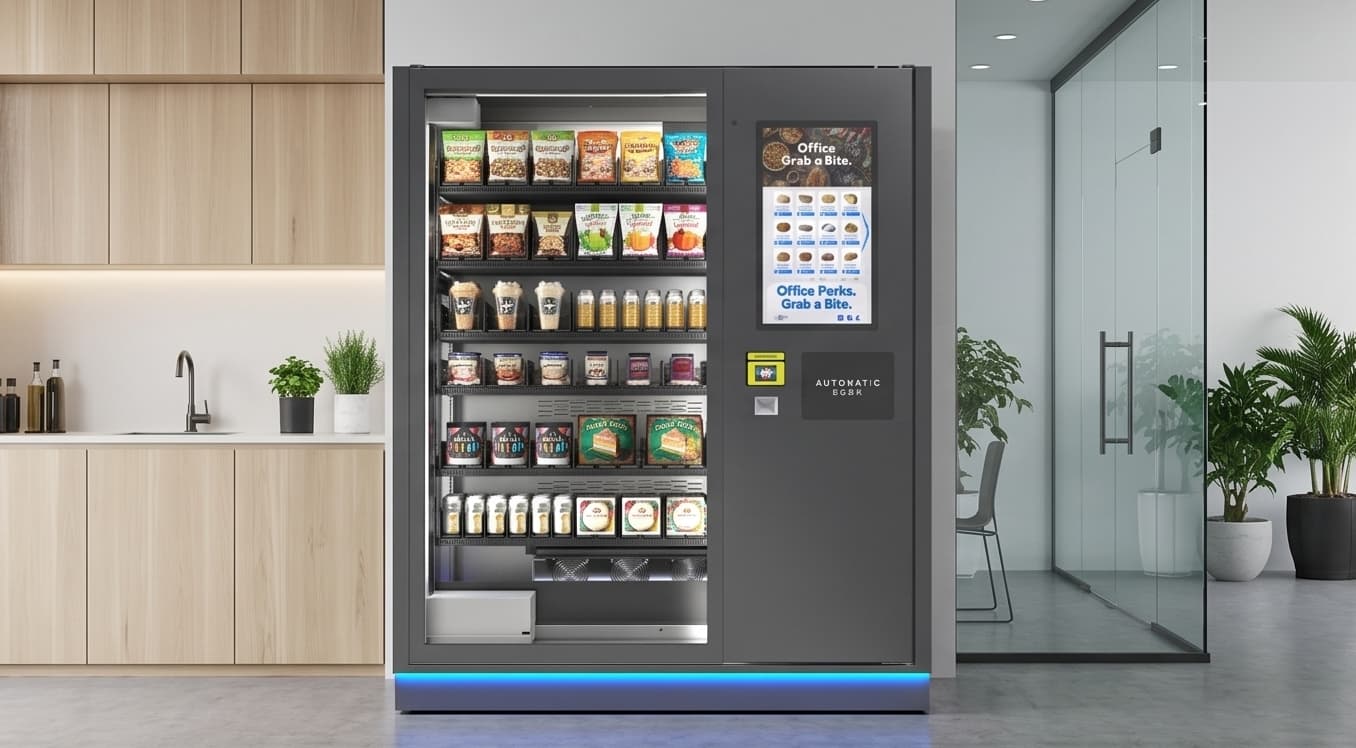
Today’s autonomous cabinets can support a wide range of product categories depending on the format. Large-format robotic vending cabinets can carry snacks, drinks, electronics accessories, cosmetics, personal-care items, small tech products, apparel, and selected regulated goods. Smart fridges are well suited to sandwiches, salads, chilled meals, protein drinks, dairy snacks, and other fresh-food lines. Micro-market style deployments expand further with open shelving plus refrigerated cabinets and a self-service kiosk. In other words, the product range is limited far more by route logic, refrigeration, licensing, and venue fit than by some mythical law of vending nature.
The real question is not “can autonomous retail sell diverse products?” It plainly can. The useful question is whether the chosen cabinet, venue, and operating model suit the assortment the operator wants to move.
The three main autonomous retail formats
Robotic large-format cabinets are the workhorses for mixed assortments. They use a picker arm or guided retrieval path to move products safely to the vend drawer and can support hundreds of SKUs in one enclosed footprint. Computer-vision smart fridges focus on chilled and grab-and-go retail: the user opens the unit, takes what they want, and the system identifies the items removed. Micro-markets combine shelving, chillers, and a self-checkout experience to create an unattended convenience-store footprint without full staffing. Each format solves a different problem, and none of them deserve to be judged by the standards of a 1990s coil machine sulking in a laundromat corner.
Where autonomous retail outperforms a staffed store
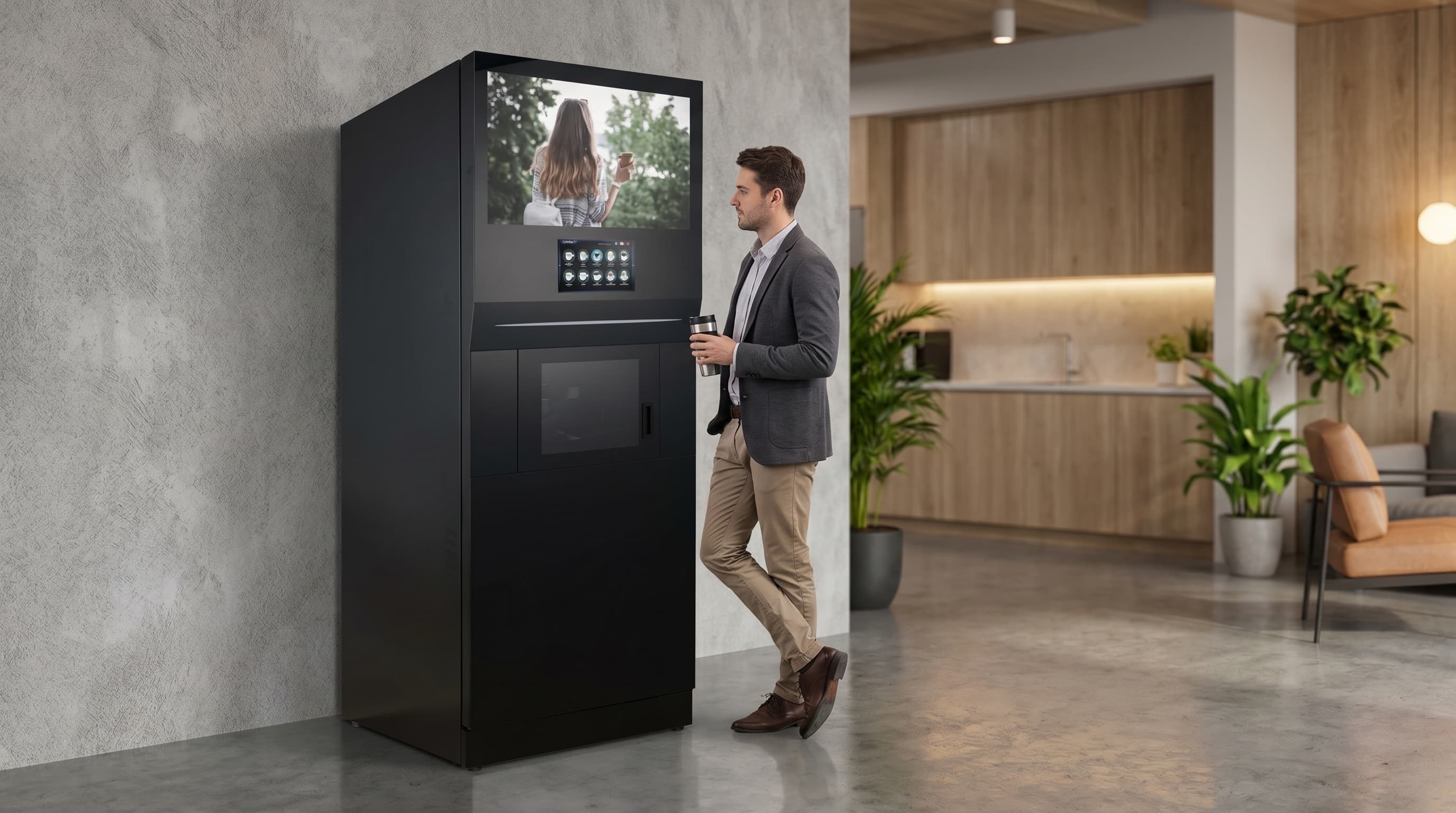
Autonomous retail shines where off-hours access, footprint efficiency, or staffing economics matter more than full-service human interaction. Airports, campuses, hospitals, hotels, residential lobbies, mixed-use public venues, and employee-access areas all fit this model well. In those environments, buyers want speed and availability. Operators want a channel that can trade longer hours without adding proportional labour cost. That is precisely where autonomous retail makes commercial sense.
It also performs well where a venue wants a broader assortment than a traditional snack machine can support but cannot justify a full store buildout. An automated convenience-store footprint, even a compact one, can fill that gap rather neatly.
What autonomous retail does not replace
Autonomous retail does not replace every staffed store, and it does not remove the need for route servicing, stock discipline, refrigeration management, or compliance review. Fresh and chilled categories still need cold-chain control. Age-gated products still need appropriate verification workflows. High-mix assortments still need careful planogram management. The format expands the unattended-selling envelope; it does not repeal the boring but important laws of operations.
That is why the strongest operators treat autonomous retail as a serious retail channel rather than as a gadget demo. The magic is not that the machine looks futuristic. The magic is that it can support the right assortment in the right place with less labour friction and more hours of access.
Exploring autonomous retail formats for a venue?
DMVI helps operators choose between robotic cabinets, smart fridges, and micro-market footprints so the assortment, service model, and buyer experience fit the real commercial use case.