Diverse Vending Machine Revenue Streams: How Operators Build Routes That Survive Slow Months
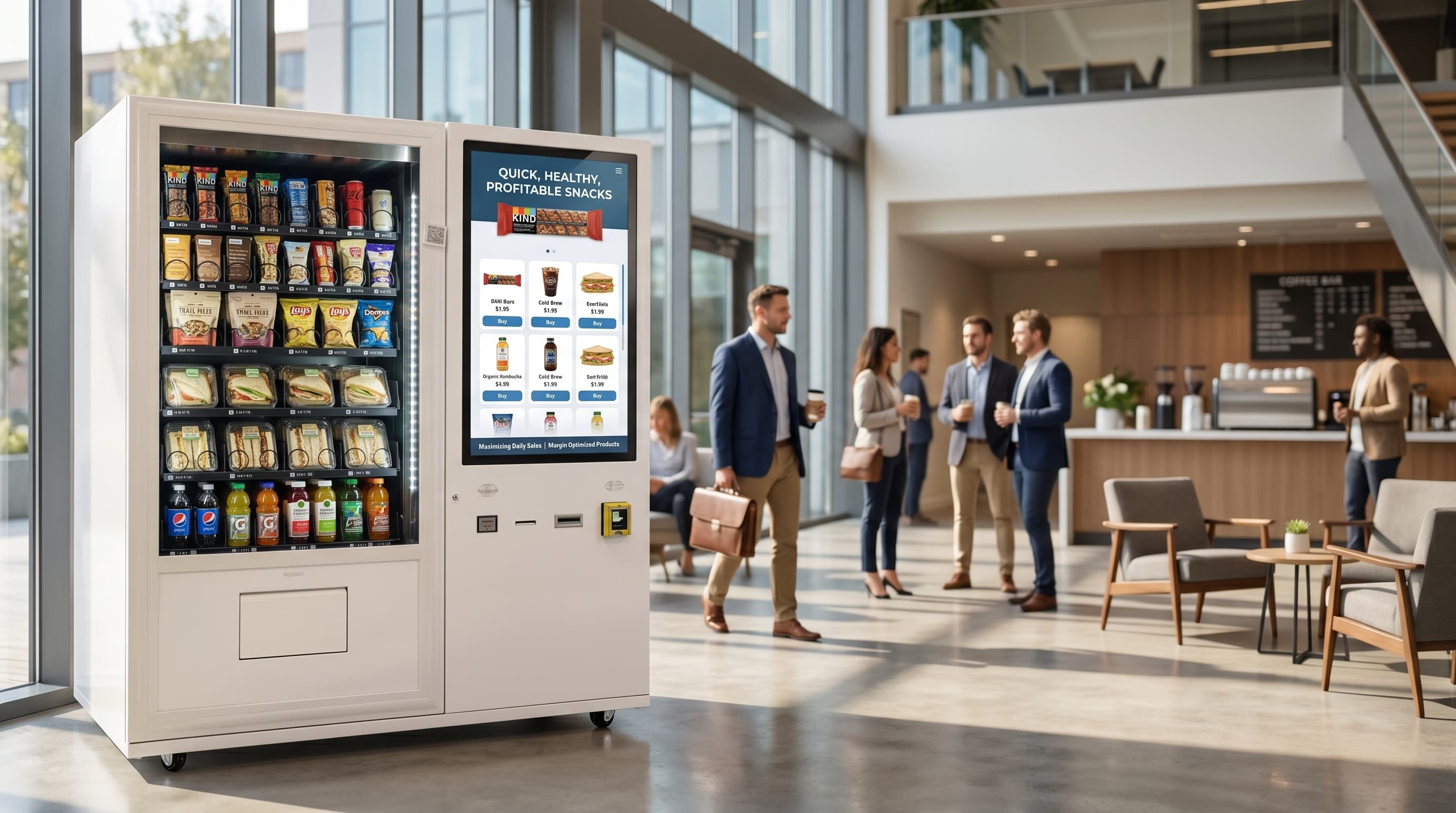
A diversified vending route is a portfolio of machines, product categories, and venue types that earn through different demand cycles instead of one narrow bet. The goal is not novelty for its own sake. The goal is route resilience. Operators who rely on one product class, one venue archetype, or one season usually discover the weakness only after revenue softens all at once.
The better model is to mix snack, beverage, micro-market, and specialty vending across environments with different traffic patterns, then use connected reporting to keep the mix honest. Diversification only works when it improves route economics rather than decorating a weak planogram with extra ideas.
Build the route around SKU velocity, not theme
The most important number on a vending route is SKU velocity: units sold per slot per week. A column that turns consistently is doing commercial work. A column that sells two units a week because it looks clever is dead weight in costume. Diversification earns its keep only when each added category is held to the same sell-through standard as the original snack and beverage base.
That matters because operators often confuse variety with strength. The machine becomes more interesting, but the route becomes less efficient. The right question is not whether a product category sounds fresh. It is whether it turns often enough to justify the slot, the purchasing effort, and the replenishment complexity.
Mix venue archetypes, not just product categories
Venue mix is where diversification compounds. Office-heavy routes peak Monday to Friday. Hospitals, hotels, campuses, and transit sites can keep selling long after office demand switches off. Event-led locations create bursts that may be attractive but are rarely steady on their own.
A route weighted entirely to one venue archetype inherits that archetype’s weakness. A more resilient route spreads revenue across at least two demand patterns so one quiet segment does not flatten the whole portfolio. Diversification is as much about where the machine sits as what it sells.
Layer specialty vending into a stable base
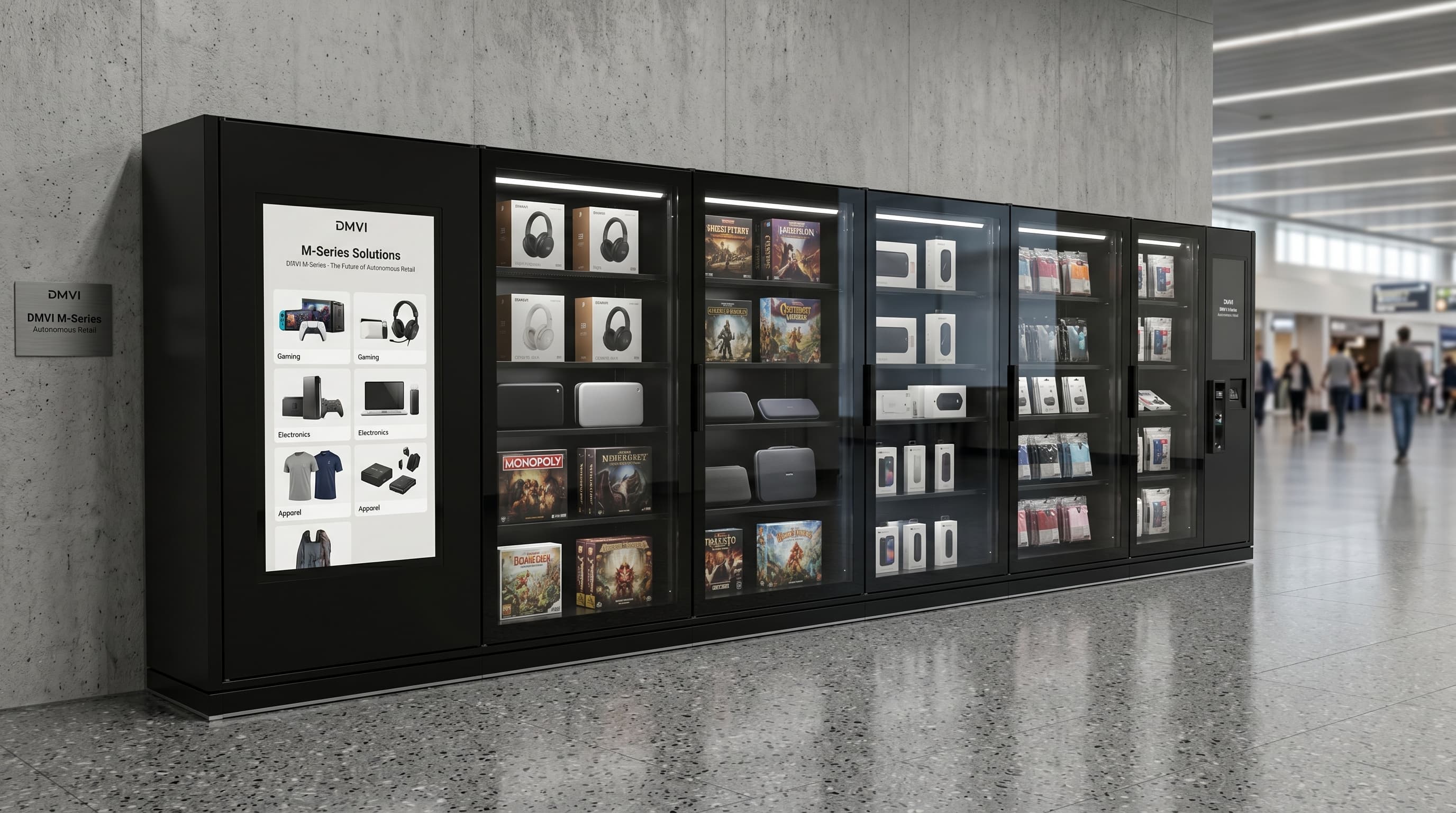
Specialty vending can add stronger ticket values than a standard snack-and-drink route, but it also changes the operating model. Beauty, wellness, electronics, collectibles, and branded retail usually need different planograms, gentler dispensing, and tighter stock control than a standard breakroom machine.
The sensible path is to layer specialty formats onto a stable base rather than treating them as a magical shortcut. A snack-and-beverage route with proven servicing discipline can support specialty extensions. A weak core route rarely becomes strong just because the products got more glamorous.
Cashless and telemetry turn diversification into a managed portfolio
Diversification only pays when the operator can compare performance without guessing. Connected cashless hardware and telemetry let the route manager see per-machine and per-SKU behaviour remotely, adjust replenishment to actual sell-through, and pull weak product before a slow month becomes a slow quarter.
That is the difference between running a portfolio and running a collection of educated guesses. If a route spans multiple categories and venue types, the operator needs machine-level visibility, not clipboard theatre. This is where smart vending machines materially change operating discipline rather than just adding a shinier front end.
Maintenance belongs inside the revenue model
A diverse route still fails if the machines are offline. Payment readers, connectivity, refrigeration where relevant, and routine service discipline all belong inside the commercial model. A route with exciting category variety but mediocre uptime usually underperforms a simpler route that stays reliably live.
That is also why diversification should be judged at the route level, not machine by machine in isolation. The strongest portfolio is not the one with the most concepts. It is the one where each machine format, venue type, and product mix earns its place without dragging the service model into chaos.
Trying to build a more resilient vending route?
DMVI can help assess route mix, machine format, telemetry needs, and the product categories that strengthen revenue instead of just adding complexity.