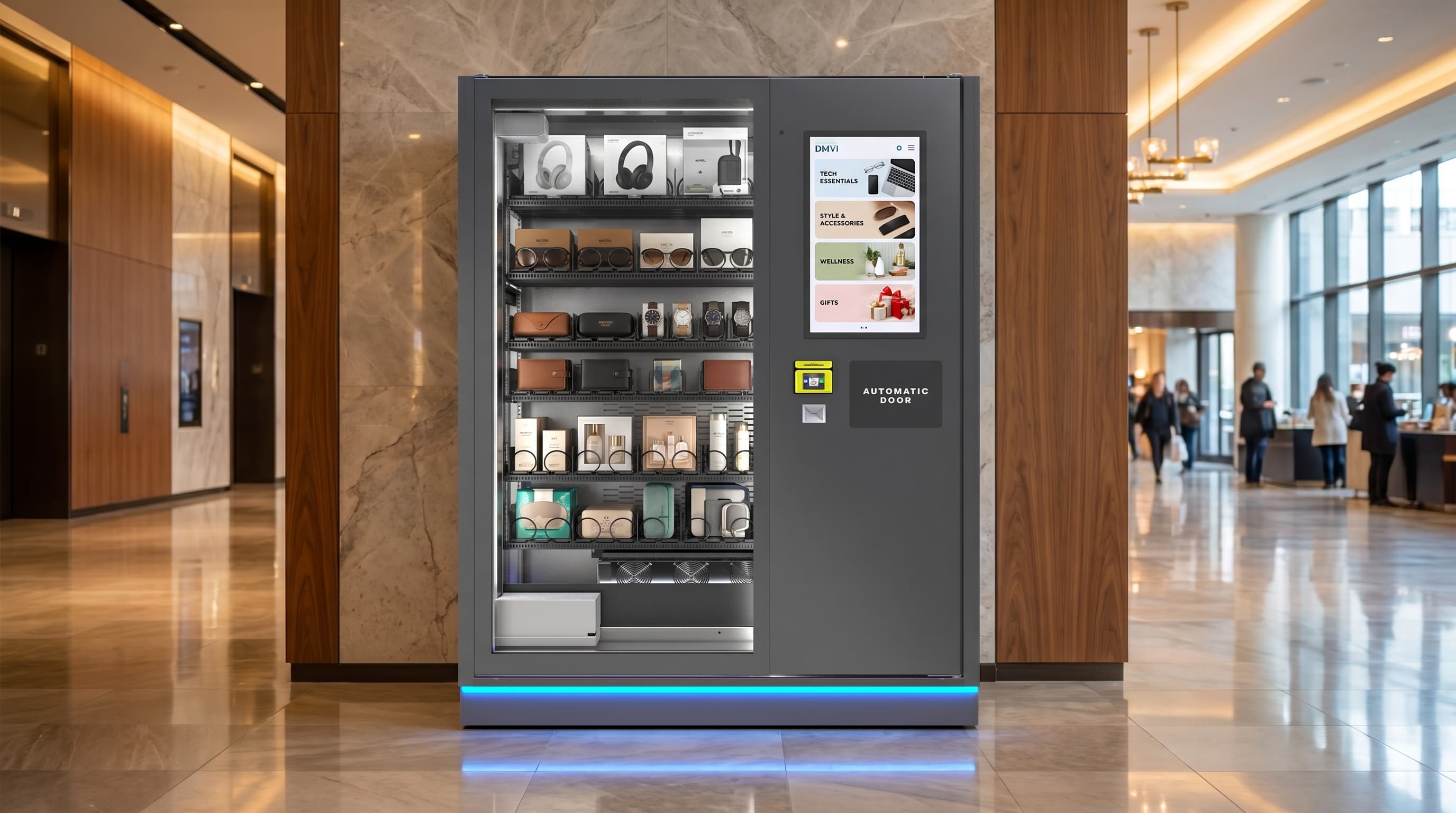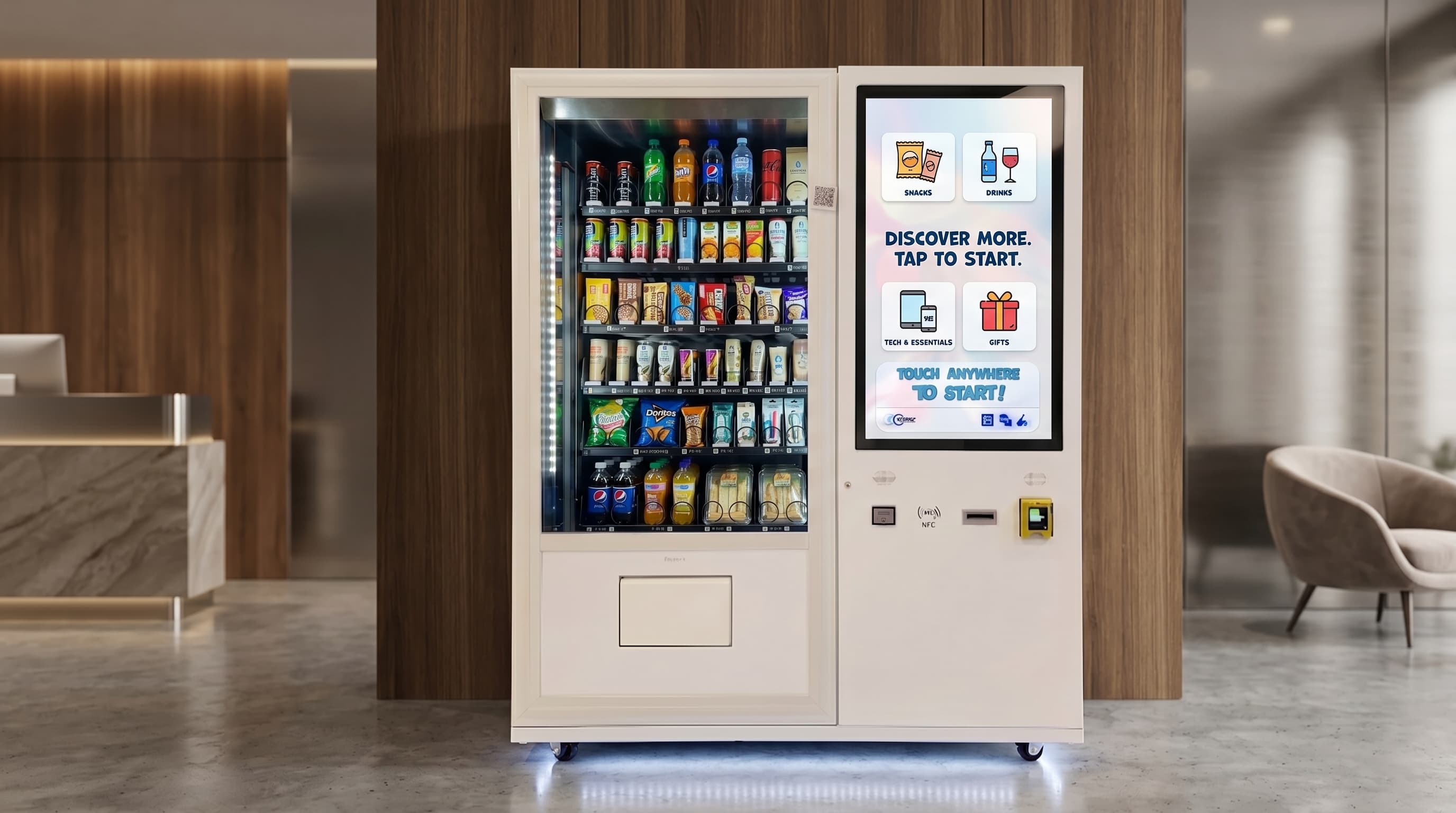
Personalized Vending Machines: How Customizable Snack Vending Actually Works
A personalized vending machine is an automated retail cabinet that lets the buyer narrow the product set by dietary preference, ingredient filter, or recommendation before purchase instead of browsing a fixed grid and hoping for the best. The same category is often described as customizable vending, customised vending, customized vending, tailored vending, or personalised vending, depending on which side of the Atlantic is doing the typing.
What matters commercially is not the label. It is the fact that software depth can materially change snack selection behaviour. For buyers who care about allergens, low sugar, high protein, plant-based options, or simply more relevant recommendations, a personalization flow can lift sell-through on SKUs that would otherwise sit looking decorative on a static snack planogram.
What personalized vending actually means in practice
Most operator-grade personalized vending deployments are not building bespoke snacks from raw ingredients. They are using a touchscreen-driven decision flow to help the buyer reach the right packaged product faster. That usually appears in one of three forms: filter-based browsing, recommendation-based browsing, or true ingredient-level customization on specialist formats such as beverage or fresh-prep machines.
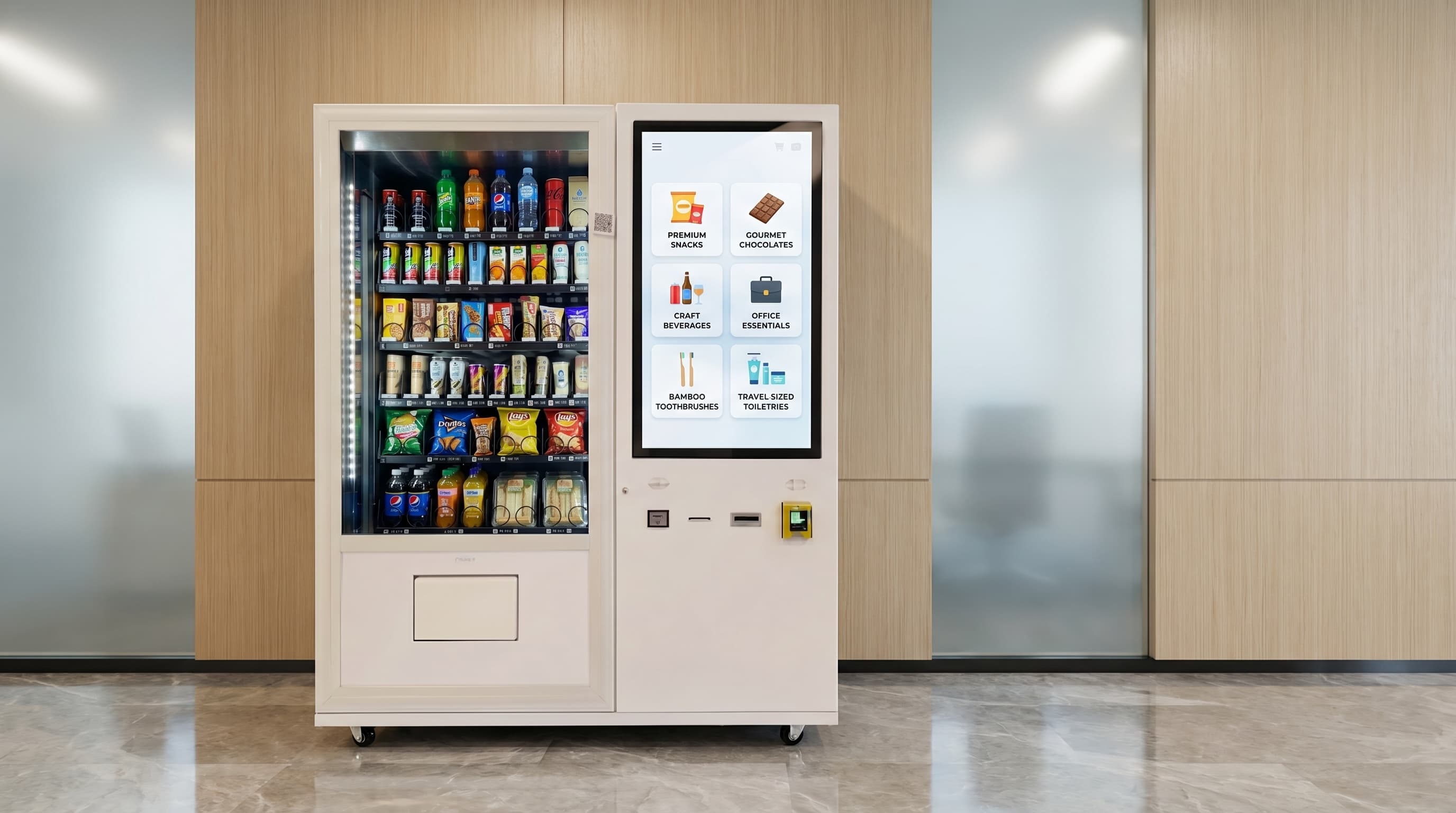
In the snack category, the practical winner is usually filter-based personalization. The machine lets the buyer browse by tag — gluten-free, vegan, halal, kosher, low-sugar, high-protein, allergen-aware, low-sodium, and similar criteria — and then serves a more relevant product set than a fixed grid can manage on its own.
Why customization changes route economics
Personalization is not just a marketing flourish. It is a planogram tool. When buyers can filter into the subset they actually want, niche-but-real product groups sell more reliably instead of dying quietly in a generic assortment. That improves SKU velocity, reduces dead slots, and gives the operator better evidence for per-venue stocking decisions.
That feedback loop matters. DEX-format sales data helps operators compare which dietary tags, product clusters, and time-of-day preferences are working at one venue versus another (DEX protocol — Wikipedia). A hospital, gym, university, and airport should not all be forced into one identical snack story just because the cabinets happen to look alike.
Touchscreen UX and cashless payment are part of the same decision
A personalization-capable vending machine is a software flow married to a checkout flow. MDB (Multi-Drop Bus / Internal Communication Protocol) is the in-machine standard that lets the controller, card reader, and connected devices talk cleanly (MDB/ICP — Wikipedia). The cashless layer then needs to support the payment methods the buyer expects to use — tap card, chip card, Apple Pay, Google Pay, Samsung Pay, and the rest — because a thoughtful product-selection flow that collapses at payment is just an expensive tease.
That is why customizable vending works best when the touchscreen, telemetry, and cashless stack are scoped together. A machine that understands the buyer but cannot complete the purchase elegantly has not actually solved anything.
Where customizable vending machines earn their place
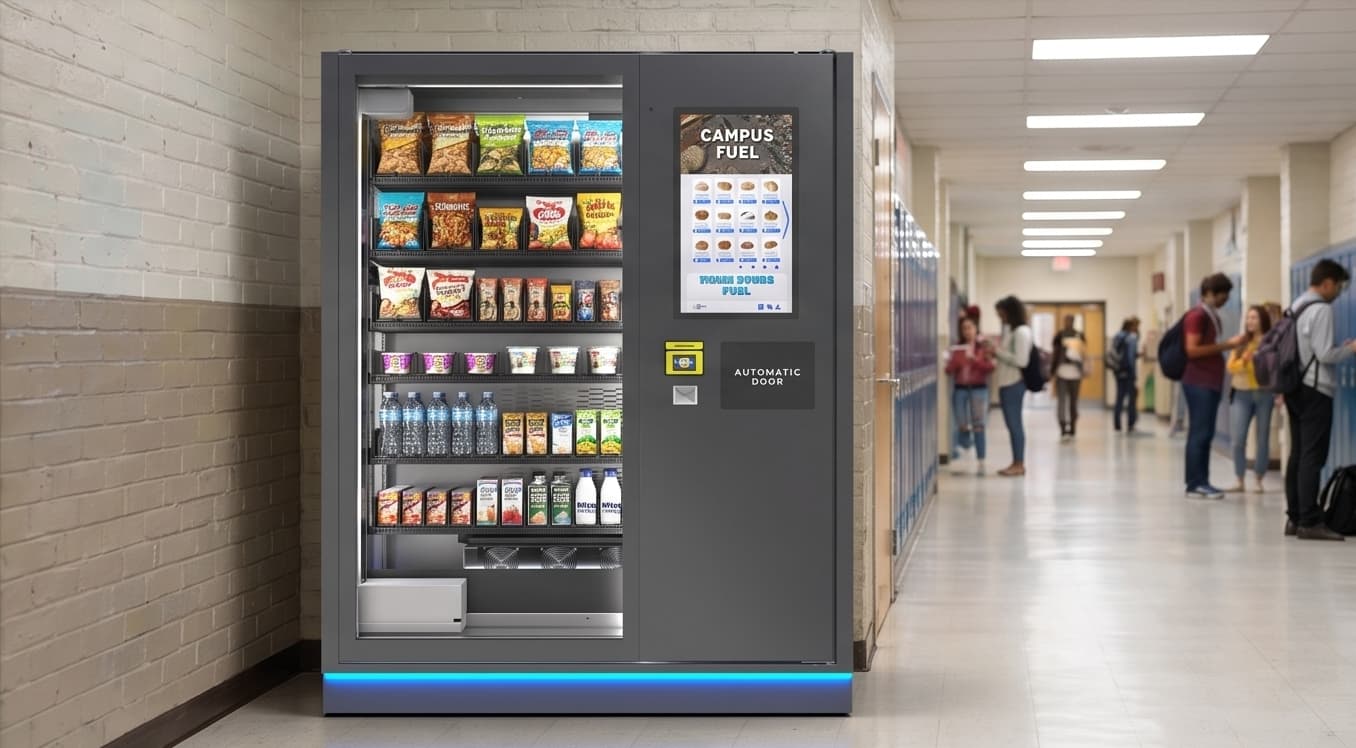
Personalized snack vending performs best where the audience has explicit dietary, wellness, or category preferences. Hospitals, universities, corporate campuses, gyms, wellness centres, airports, and selected hospitality venues all fit that pattern. These are environments where buyers often want more than the nearest sugar bomb in a spiral coil.
It works least well in a narrow office breakroom where the audience is small, the assortment is simple, and a standard snack box already does the job well enough. The personalization layer should earn its keep operationally, not merely look clever in a pitch deck.
Privacy and disclosure still matter
Most personalized vending programs collect transaction and selection data so the operator can tune the planogram. Some go further into audience analytics, identity-linked promotions, or stored preferences. If the deployment crosses that line, the operator inherits the relevant disclosure and privacy obligations for the jurisdiction and venue.
The sensible rule is boring but correct: collect only what helps the buyer or improves the route, disclose it clearly, and avoid layering in identity-driven features that no one on the operator side will actually use well.
Planning a Customizable Snack Vending Deployment?
DMVI helps operators scope personalized vending around the real audience, payment flow, and planogram logic so the touchscreen experience improves conversion rather than just adding novelty.