Smart Vending Machines: How They Work, What They Cost, And Where They Belong
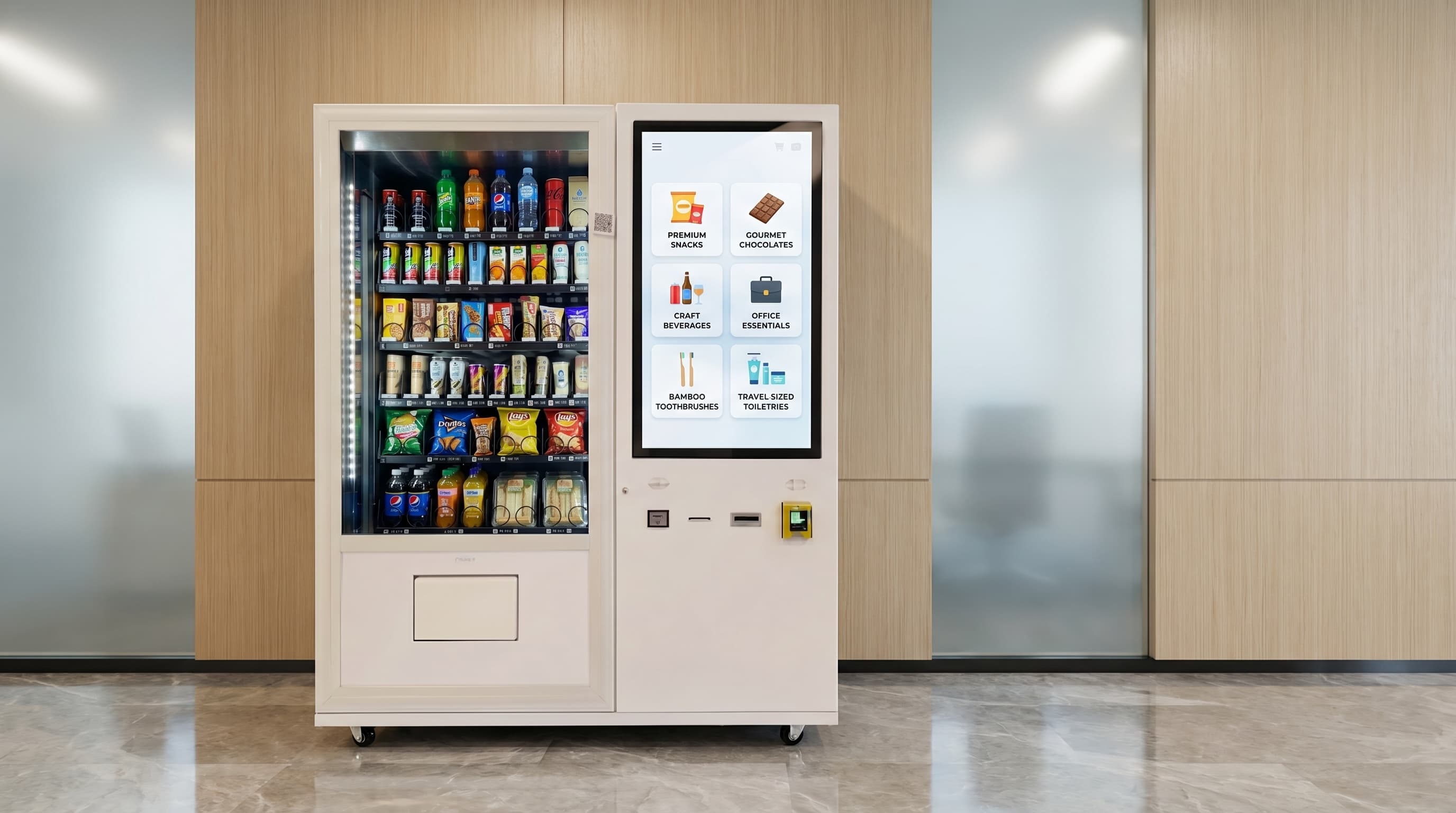
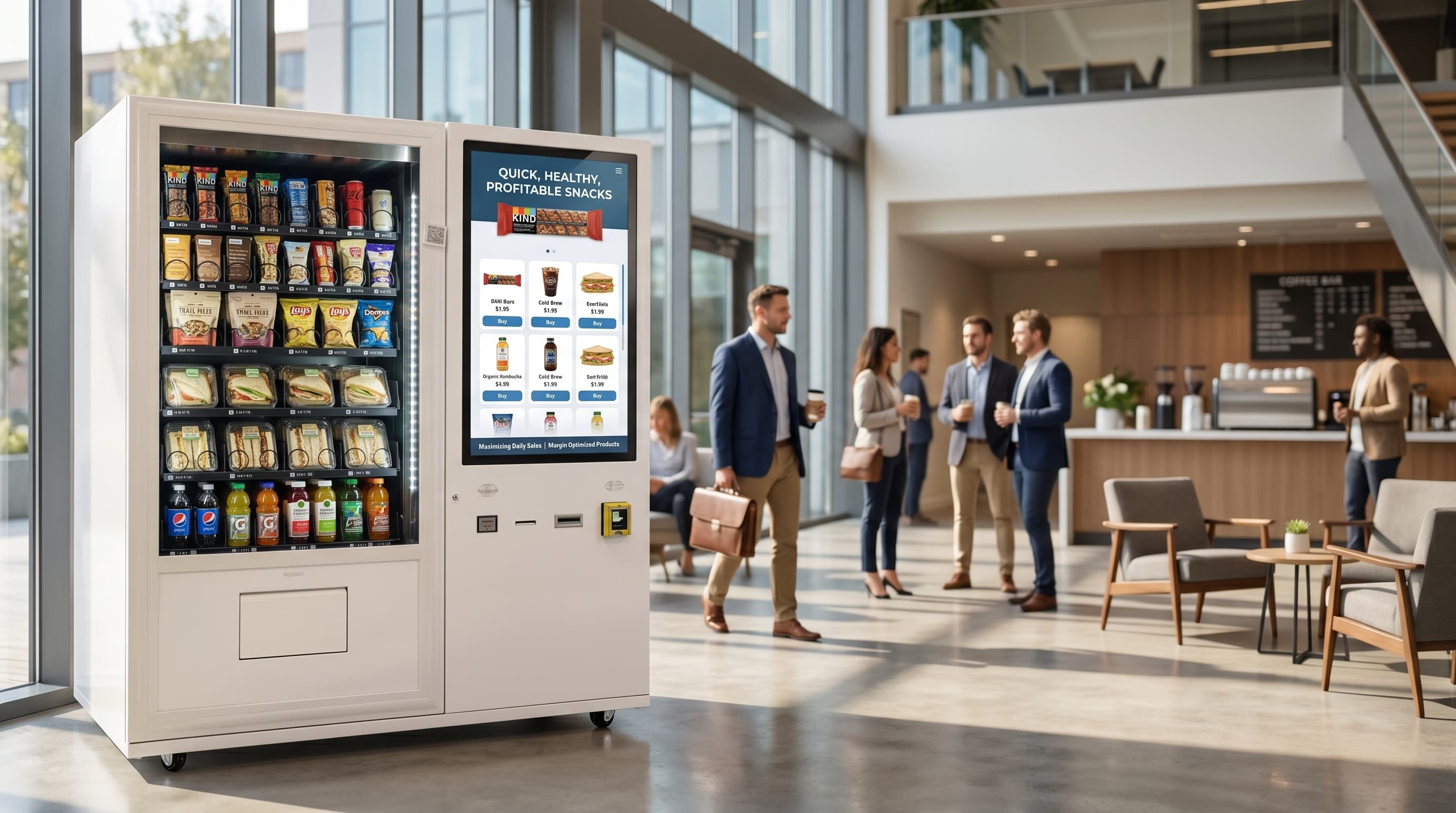
A smart vending machine is a connected, cashless retail cabinet that uses a touchscreen interface, real-time telemetry, and cloud-managed merchandising to operate as an unattended retail endpoint. In plain English, it is the point where vending stops being a dumb metal box and starts behaving more like a managed retail system.
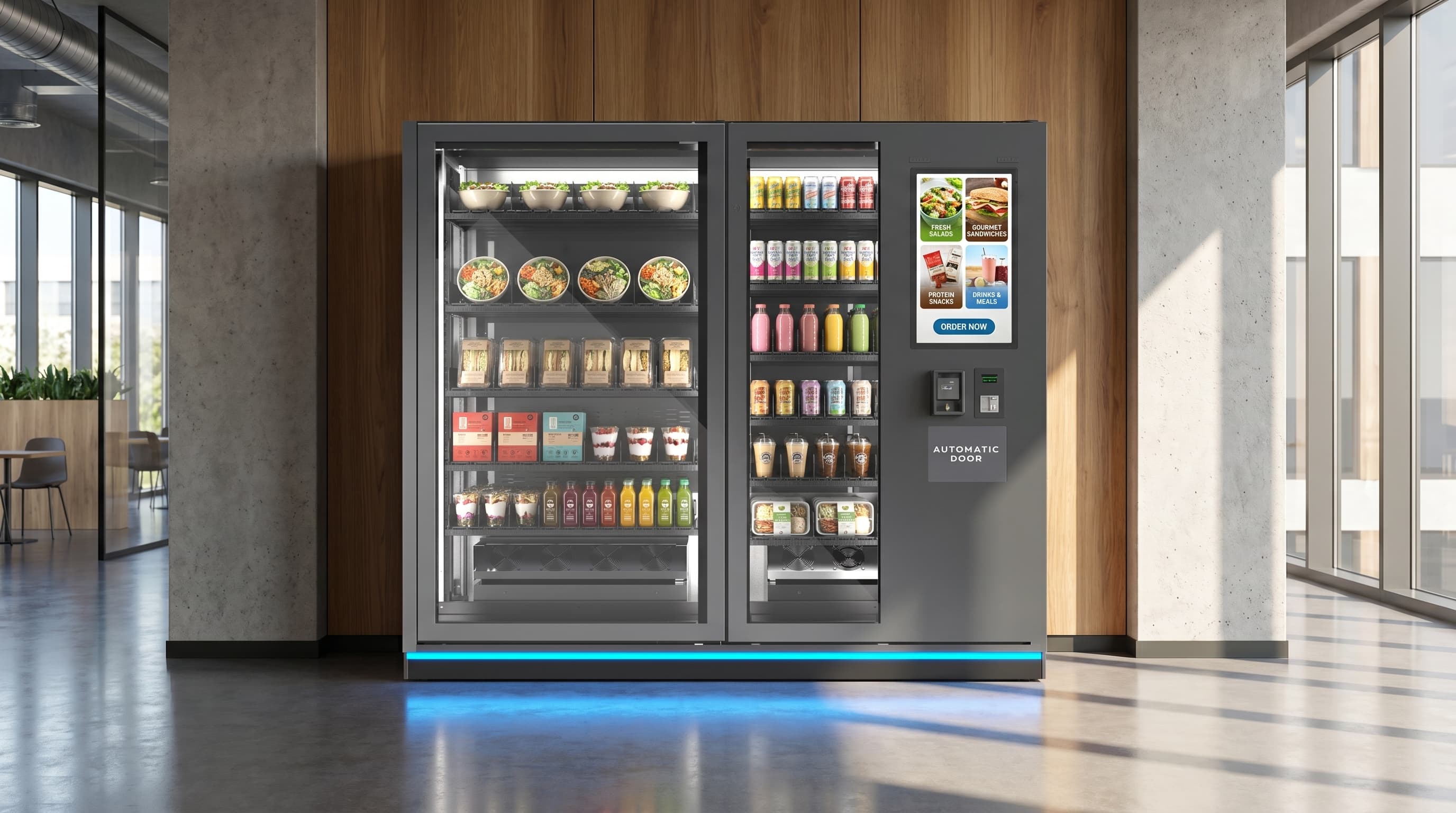
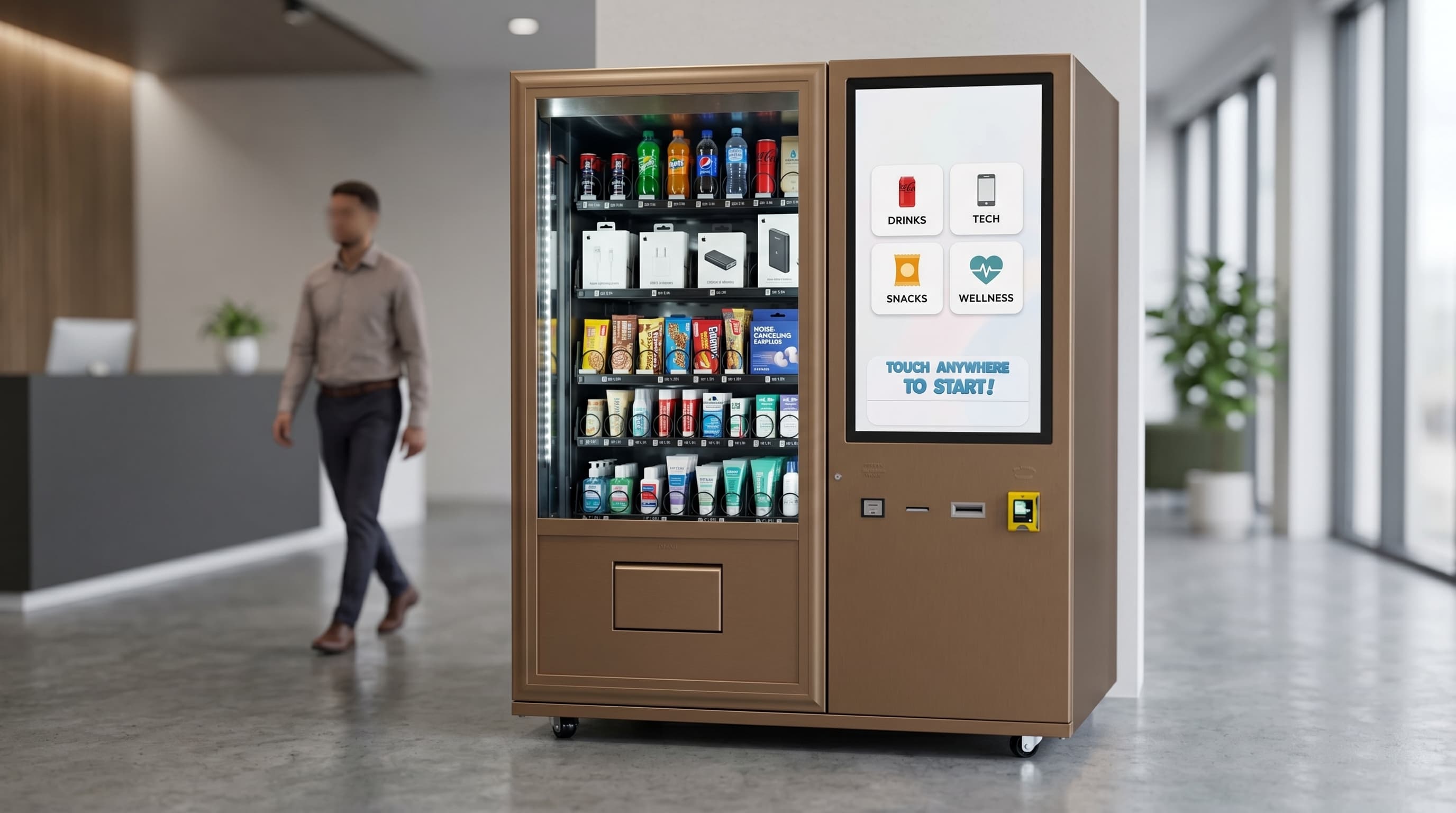
That distinction matters because buyers are usually not asking whether the screen looks modern. They are asking whether one operator can see what sold, what is out of stock, whether the machine is offline, and whether the location generates enough demand to justify the cabinet. DMVI's smart vending machines page is the core product reference for that touchscreen-led format, while micro-market vending machines cover the open-door refrigerated end of the same unattended retail spectrum.

For many buyers, the real commercial comparison is not old vending versus new vending. It is whether a smart cabinet can cover a small convenience-store footprint in a place where staffing a store is uneconomical. That is where smart vending becomes commercially interesting rather than merely decorative.
How Smart Vending Machines Actually Work
A smart vending machine is a layered system. The hardware layer is an ambient or refrigerated cabinet with a touchscreen UI, a cashless payment reader, and a dispense method such as coil, elevator, or controlled-access shelf. The interface handles product browsing, pricing, and promotional placement. The payment layer handles card, wallet, or contactless acceptance without forcing the customer to rummage around for coins like it is 1998.
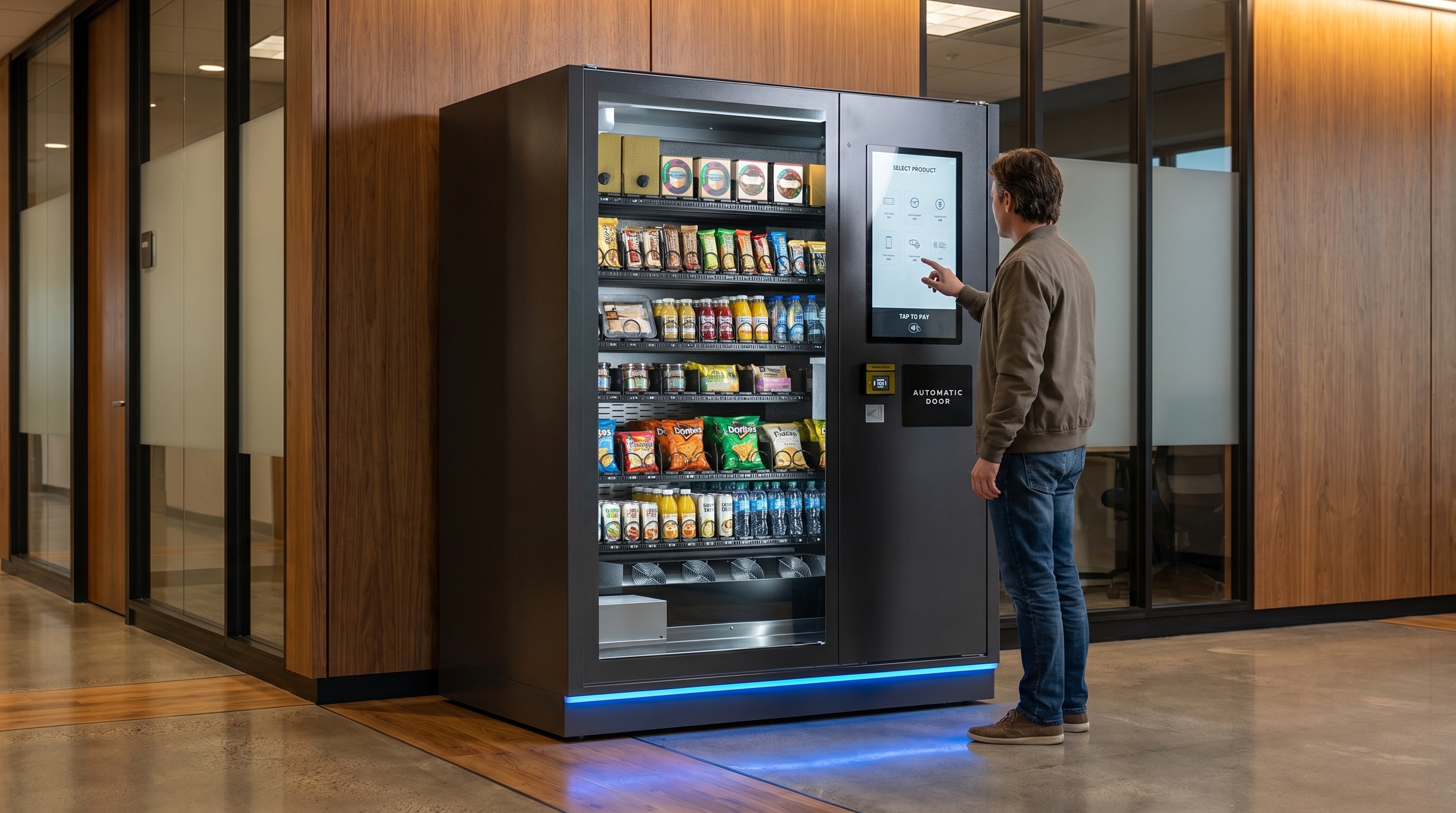
Peripheral integrations typically run over MDB/ICP, which remains the standard bus for vending peripherals. Transaction and audit data commonly flows in DEX format, which is what operators use to reconcile sales, identify stockouts, and audit route performance. Cashless acceptance is usually handled through a Nayax-class payment platform or an equivalent provider, so PCI-heavy payment scope sits with the payments layer rather than being improvised at cabinet level.
The cloud layer is what makes the machine commercially useful. Operators can monitor SKU velocity, machine uptime, temperature alarms on refrigerated units, and payment status across a fleet. They can also update pricing, media, and planogram logic remotely instead of treating every small change as a truck roll.
Where Smart Vending Replaces A Convenience-Store Footprint
Smart vending works best where demand is real but staffing a small store is hard to justify. Hospital corridors after-hours, factory-floor break rooms on second and third shift, university residence halls late at night, airport or transit locations with off-peak demand, and corporate campuses outside cafeteria hours are all sensible fits.
That is why a query like grocery store vending machine can convert into a smart-vending conversation. Many buyers are not literally trying to put a full supermarket into a cabinet. They are trying to cover drinks, snacks, convenience staples, or a narrow merchandise mix in a format that stays open after a staffed counter has shut.
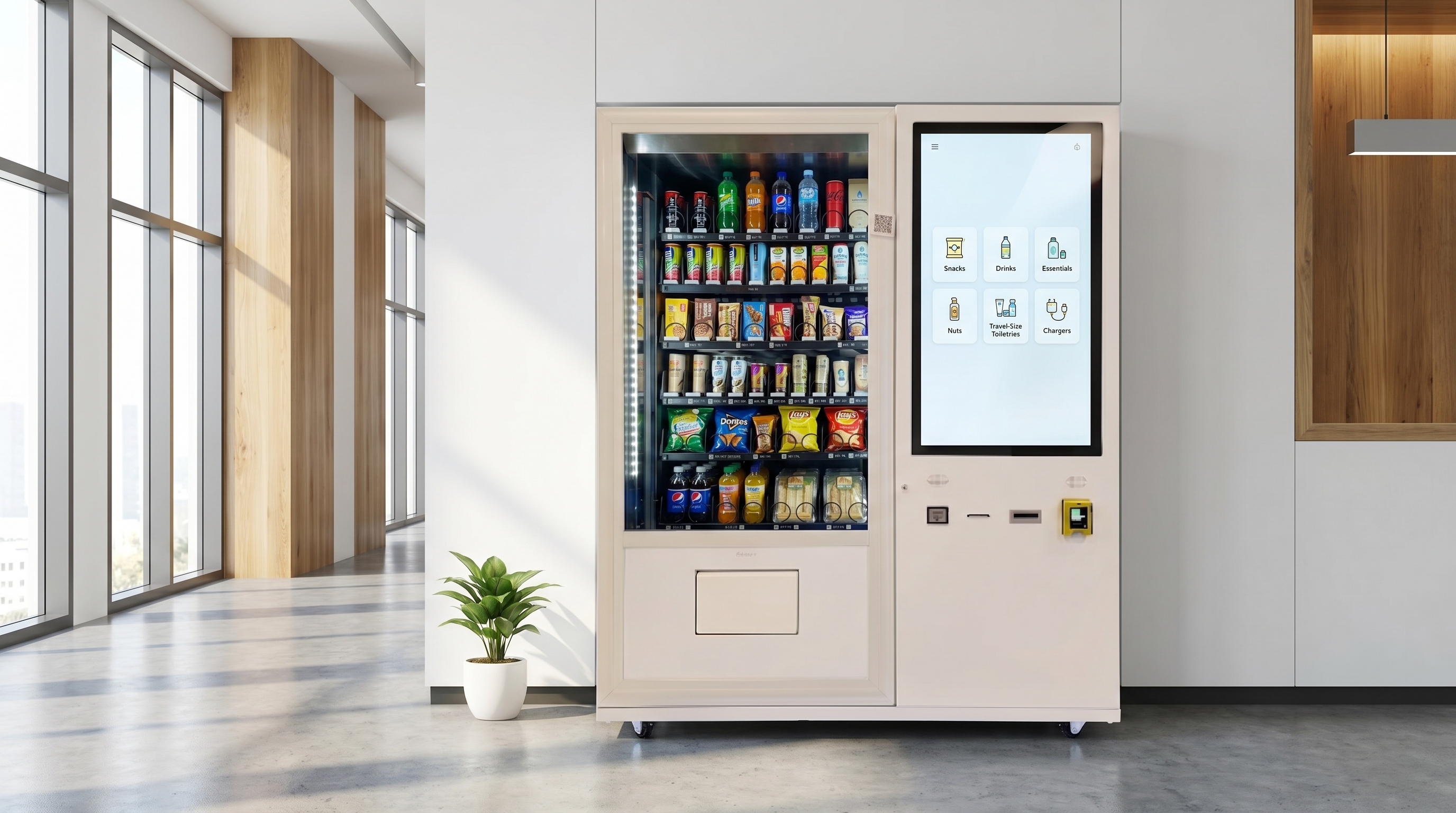
Third-party operator commentary lands in the same place. Provender's workplace analysis describes the strongest fit as locations that need convenience access without a full staffed retail operation. That is the honest framing: smart vending is very good at covering the marginal store, not at replacing every high-velocity convenience outlet on earth.
What Smart Vending Costs And What Decides Profitability
A standard ambient smart cabinet may start around $5,000. Refrigerated touchscreen cabinets with telemetry and cashless support often land in the $10,000 to $20,000 range. AI-enabled, controlled-access, or open-shelf micro-market formats can run above that, especially where refrigeration, custom branding, or more complex software behaviour is involved.
Capex is only one line in the model. Operators also need to price venue revenue share or rent, cashless processing, connectivity, software fees, service labor, spoilage if fresh or refrigerated products are involved, and the working capital tied up in inventory. A cabinet that looks affordable in isolation can still be a weak deployment if the site cannot support daily transaction volume.
The deciding variable is location demand against stock velocity and margin. A beautiful machine in a weak location is still a weak location. Smart vending is profitable when the cabinet covers depreciation, processing, site costs, and service labor with margin left over after cost of goods. If that sounds obvious, good — too much of the category is still marketed as if a touchscreen itself creates demand by magic.
What Smart Vending Does Not Replace
Smart vending can replace a marginal convenience-store footprint, but it does not replace every convenience store. It is strongest when access matters more than broad basket size: shift coverage, controlled hours, and tightly selected inventory. It is weaker where shoppers expect a large grocery assortment, repeated staff interaction, or service-heavy retail behaviour that benefits from a cashier and active merchandising.
That is useful for buyers to understand upfront. A smart vending machine is not a universal answer to retail. It is a very strong answer to a specific unattended retail problem.
Ready to build a smarter vending business?
Talk with Digital Media Vending about custom smart vending machines, automated retail, and unattended commerce solutions.