What Is a Smart Vending Machine? Definition, Components, and How It Works
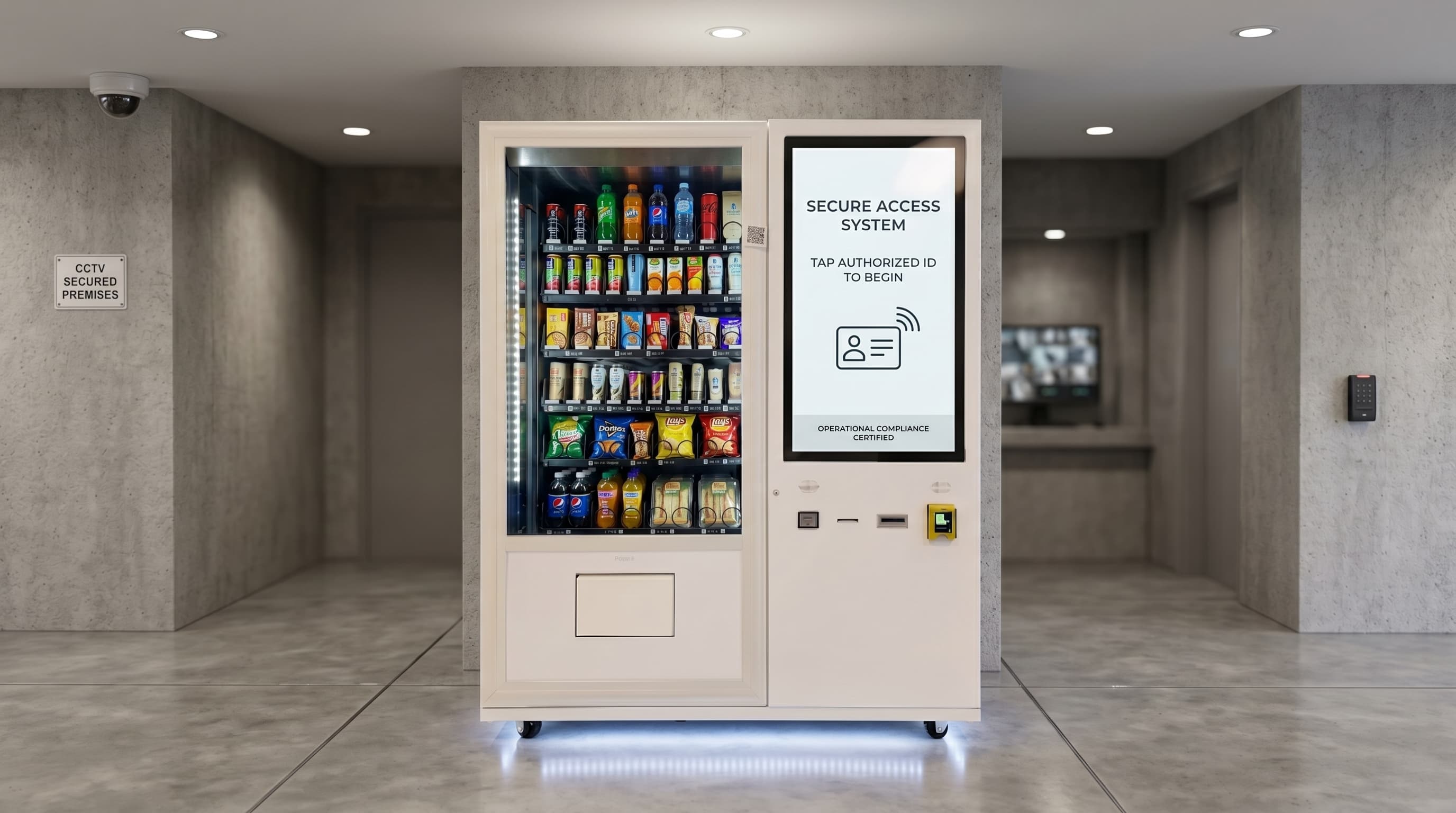
A smart vending machine is a cloud-connected, cashless-enabled automated retail cabinet that can sell products unattended, track its own inventory, and report machine status and sales data back to a remote management platform in near real time. The defining feature is not the touchscreen. It is the connected software layer that turns the cabinet into a remotely manageable retail endpoint instead of a box that quietly dispenses products and keeps its opinions to itself.
That distinction matters because a machine can look modern without being especially smart. A proper smart vending machine combines the cabinet, the payment hardware, the controller, the telemetry path, and the operator dashboard into one workable system.
What makes a vending machine “smart”
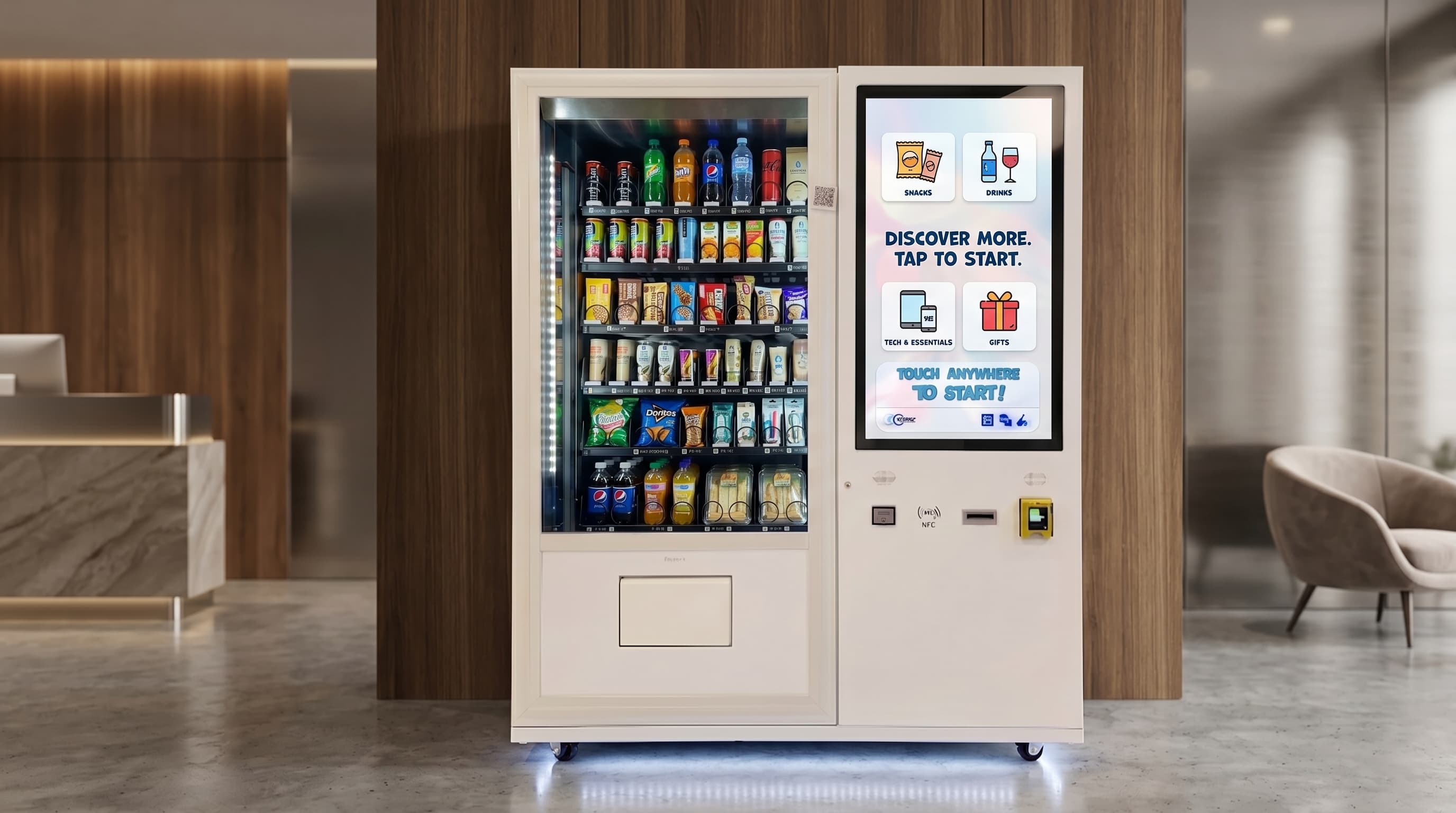
The label gets thrown around generously, so it helps to be specific. A smart vending machine normally includes a touchscreen interface, cashless payment support, cloud connectivity, inventory telemetry, remote management, and alerting around faults or low stock. Those features work together. A screen without useful reporting is cosmetic. A card reader without route visibility is helpful but incomplete. The real value appears when the machine can tell the operator what happened, what needs attention, and what can be changed remotely.
That is why the smarter question is not “does it have a screen?” but “what can the operator actually manage once it is in the field?”
Core components of a smart vending machine
Cabinet and dispense mechanism. This is the physical machine: the enclosure, glass, shelves or spirals, cooling if relevant, and the actual product-delivery path. Different products need different mechanisms, which is why snacks, electronics, fresh food, and locker-style handoff do not all belong in the same box.
Machine controller. The controller drives the dispense logic and coordinates machine behaviour. In many deployments it also handles the interface with peripherals through standards such as MDB, which is how payment devices and other components can work across compliant hardware.
Cashless payment terminal. A proper smart machine usually includes a modern contactless card reader that can also support mobile wallets. This is the part that handles the payment flow so the rest of the machine does not need to touch sensitive card data directly.
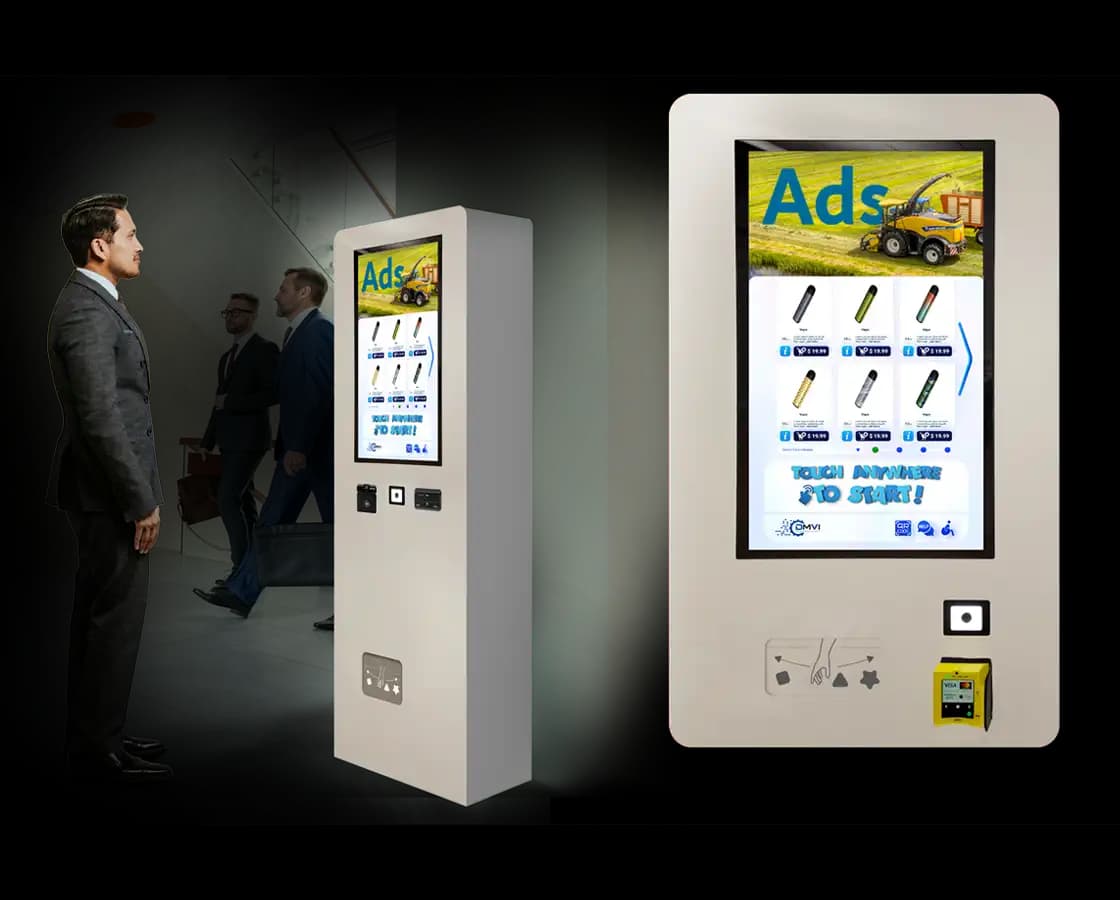
Touchscreen and content layer. The screen replaces basic selection buttons with browsable merchandising, pricing, product information, and promotional content. It changes the customer experience, but more importantly it gives the operator a more flexible merchandising layer.
Telemetry modem and connectivity. This is what lets the machine report sales, stock levels, and faults back to the platform. Cellular is common because it keeps the machine independent of venue Wi-Fi quality and politics.
Remote management platform. The operator dashboard receives data from the machine, surfaces alerts, and often allows pricing, product, or content updates to be pushed back remotely. This is where route decisions actually become easier.
Sensors and diagnostics. Depending on the machine, these may include temperature probes, door switches, low-stock signals, and other status checks that make the machine less mysterious and less needy.
How a smart vending machine works
The customer-facing flow is straightforward: browse, select, pay, and collect. The operator-side flow is where the smart layer shows up. The payment terminal authorises the transaction, the controller triggers the vend, the machine logs the event, and the telemetry layer pushes the result back to the platform. The dashboard can then reconcile the sale, adjust inventory state, and surface any exception such as a fault, payment problem, or repeated stockout.
That connected loop is what separates a smart vending machine from a traditional unit that leaves the operator guessing until the next service visit.
Smart vending is not automatically AI vending
This is a useful distinction to make early, because the terms get blended far too casually. Most of the practical value in smart vending is simply IoT and remote management: visibility, alerts, pricing control, and route efficiency. AI features may sit on top later in the form of forecasting, computer vision, or more advanced optimisation, but the machine does not need those layers to qualify as smart.
In other words, smart usually means connected. AI means additional logic on top of connected data. Related, but not identical.
What operators actually gain
The commercial value tends to show up in four places. First, route efficiency improves because restocking and service visits can follow actual machine conditions rather than blind calendar habits. Second, cashless payments reduce lost sales from customers without cash and simplify handling on the operator side. Third, remote pricing and content control make it easier to manage a fleet without constant site visits. Fourth, better visibility makes faults, stockouts, and underperforming locations easier to catch before they quietly become expensive.
That is the sober version of the smart-vending pitch. It is not magic. It is just better control.
Where smart vending machines fit best
Smart vending works wherever there is real self-service demand without a strong business case for a staffed retail point. Offices, campuses, hotels, hospitals, gyms, warehouses, transit sites, and event venues all fit that model. Specialty categories can work too, but only if the product mix, compliance requirements, and venue conditions are aligned with the machine format.
When those things are not aligned, the “smart” label does not save the deployment from being a bad idea.
What to look for when evaluating one
Operators and buyers should ask practical questions. How good is the remote platform? What payment methods are supported? What telemetry is actually available? Can pricing and merchandising be updated remotely? Does the cabinet fit the real product mix? What happens when the machine faults, connectivity drops, or the payment terminal sulks? Those answers matter far more than the glamour of the screen.
That is the real definition of a smart vending machine: not a shiny cabinet, but a cabinet that gives the operator meaningful control after it has been deployed.
Trying to decide whether a machine is genuinely smart or merely well-dressed?
DMVI helps buyers compare cabinet format, cashless payment hardware, telemetry, remote management, and product fit so the deployment works operationally as well as visually.