High-Tech Vending Machines for Sale: Smart, Digital, and Custom Configurations
A high-tech vending machine is a smart, network-connected automated retail cabinet equipped with a touchscreen UI, cashless payment, remote telemetry, and configurable dispense. Buyers searching for high-tech vending machines for sale are usually looking for three things at once: a cabinet that handles modern payment, a backend that gives them visibility into sales and uptime, and a configuration that actually fits the SKU mix they plan to vend (Vending machine). This page covers what makes a vending machine genuinely high-tech, which configurations DMVI supplies, and what buyers should confirm before they sign a quote.
What “high-tech” actually means inside the cabinet
Four hardware blocks separate a high-tech vending machine from an old mechanical coil cabinet with a fresh coat of paint. First is the touchscreen UI, which replaces the keypad-and-LED workflow with a browsable planogram and a more usable customer journey. Second is a modern cashless payment stack: tap, chip, mobile wallet, and sometimes QR or account-linked payment where the venue needs it (Nayax vending payment systems).
Third is a connected control layer that supports remote visibility and a DEX-style audit feed for transactions, stock state, and machine events (DEX protocol). Fourth is the MDB/ICP internal bus that lets the controller, payment hardware, and any validator speak one monitorable language (MDB/ICP). If a quote is missing one of those four blocks, it is not really a high-tech vending machine. It is a relabel with attitude.
Smart, digital, and custom are not the same thing
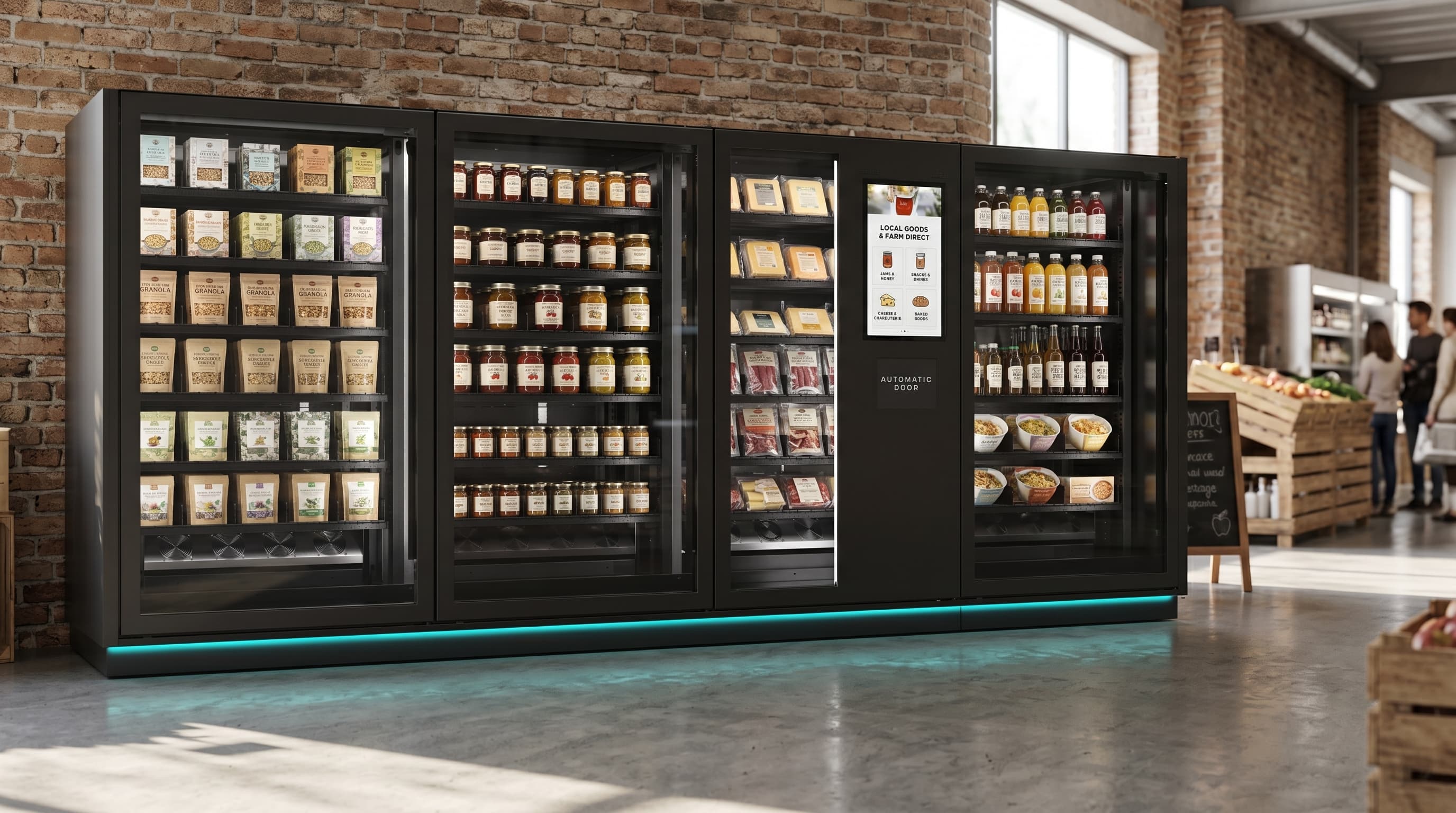
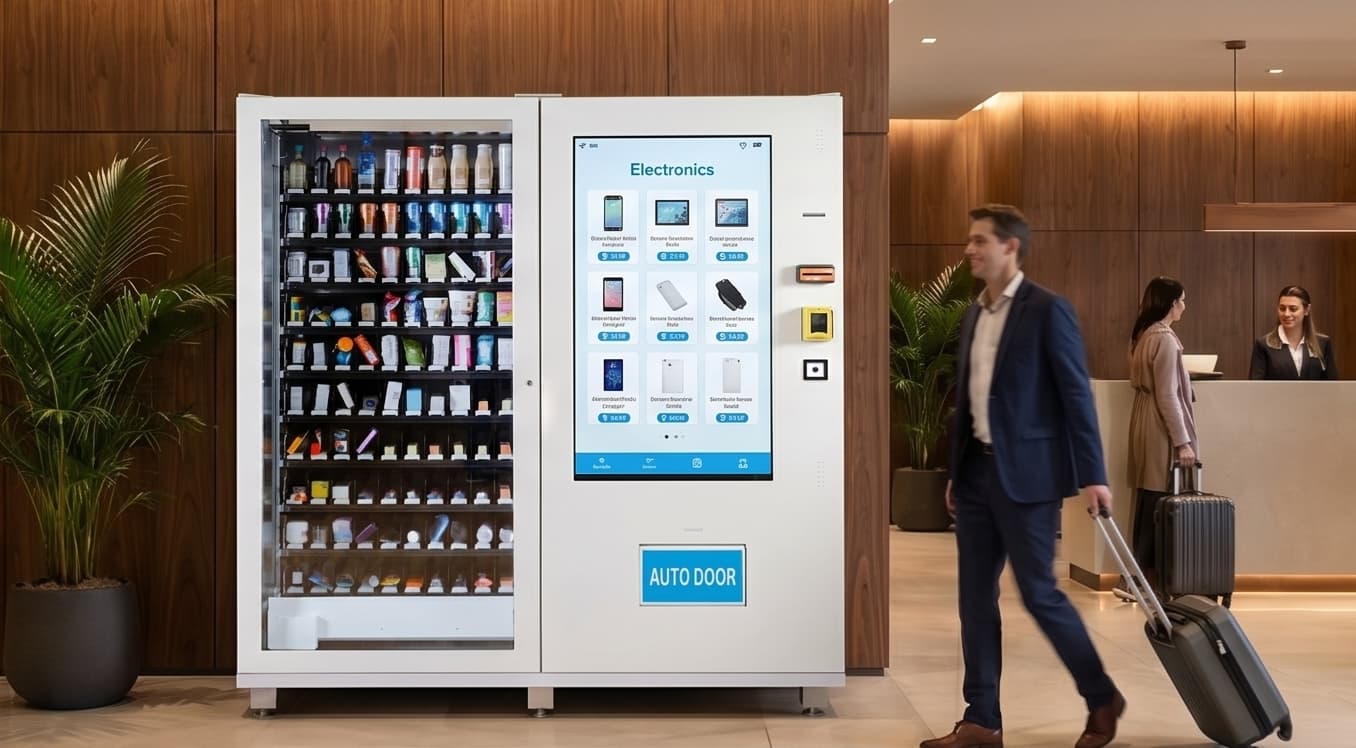
Smart, digital, and custom are three real configuration paths, not interchangeable marketing noise. Smart vending machines are off-the-shelf high-tech cabinets for snack, beverage, combo, and many accessories deployments where the operator does not need a bespoke dispense path. Digital vending machines use the same smart architecture but place more commercial weight on the screen itself: larger-format displays, on-screen merchandising, and brand-led presentation for lobbies, retail environments, and venues where the cabinet competes for attention.
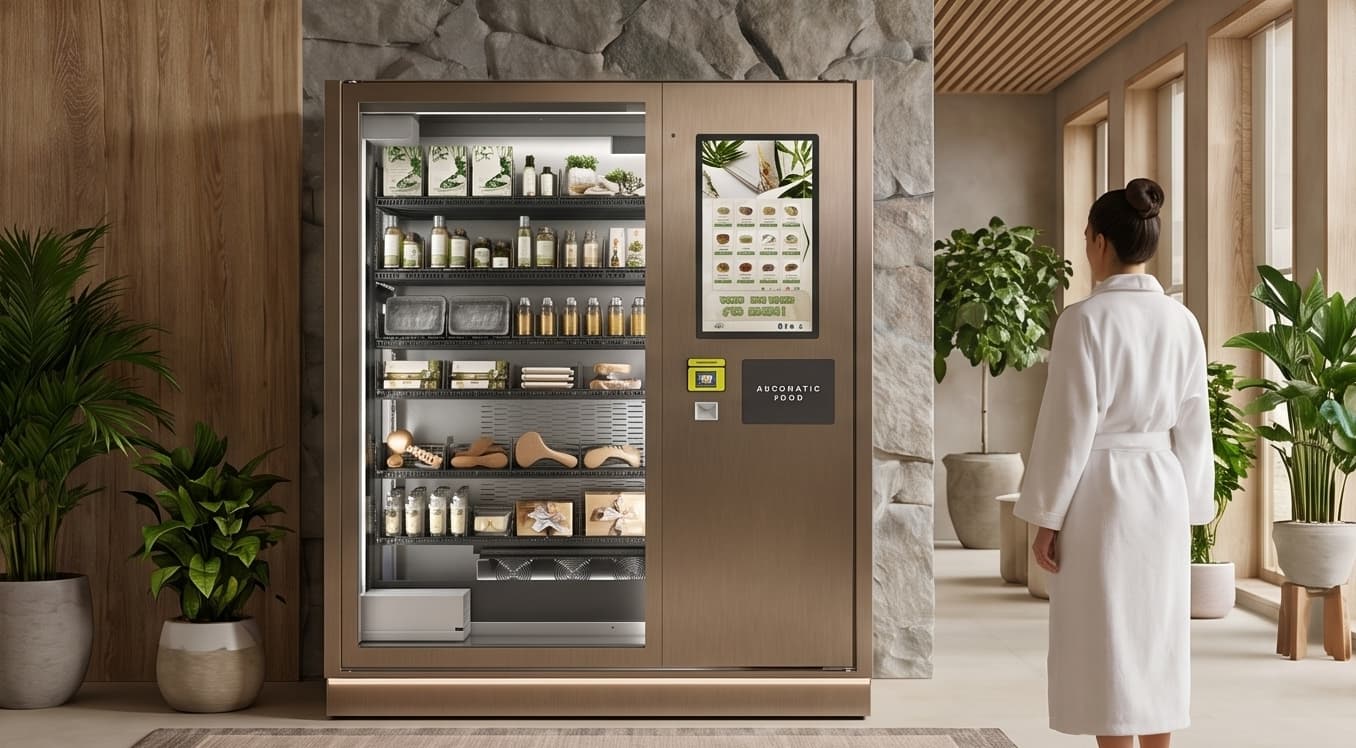
Custom vending machines start from a brief rather than a catalogue. They are the right answer when the SKU dimensions are awkward, the cooling spec is unusual, the cabinet is part of a branded retail concept, or the product category needs a more deliberate dispense path. Buyers should not pay for custom when a smart standard cabinet is enough, and they should not pretend a stock cabinet is clever enough for a product mix it was never meant to handle.
What to confirm before buying a high-tech vending machine
Five checks do most of the buyer-side work. First, confirm the payment methods match the venue. Tap, chip, and mobile wallet are table stakes; QR and account-linked flows depend on geography and audience. Second, confirm the telemetry is real and exportable rather than trapped inside a vendor-only summary view. Third, confirm the dispense path matches the actual SKU mix; a charger in a blister pack, a chilled salad, and a standard can do not behave the same way inside a machine.
Fourth, if the category needs refrigeration, verify the real temperature performance over a full operating cycle rather than trusting a brochure figure. Fifth, confirm the service model: parts lead times, component availability, and who owns the response when the cabinet goes offline. A machine that looks clever on day one but becomes a multi-week outage when a part fails is not a bargain. It is an expensive lesson.
Where high-tech vending works best
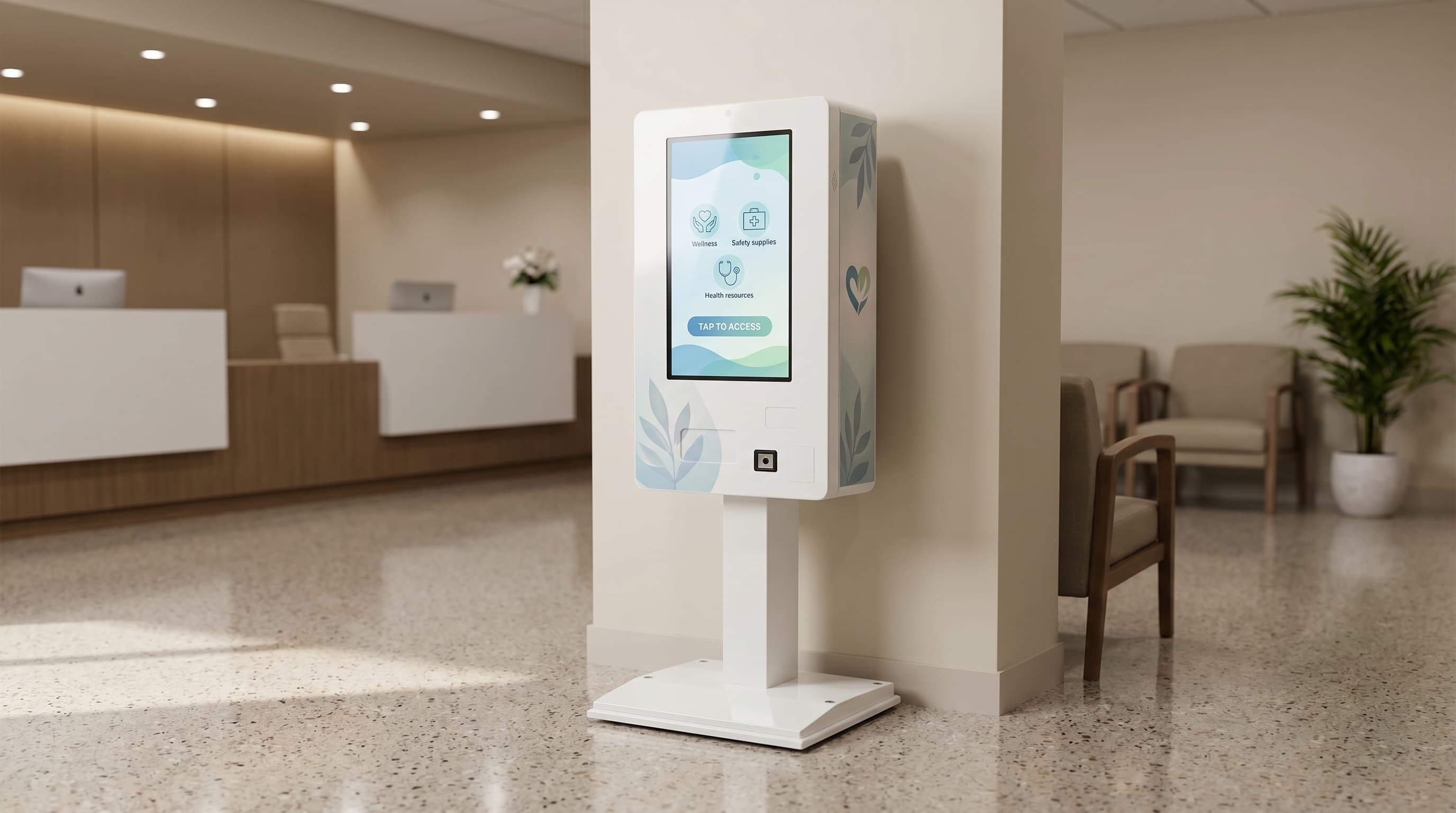
The strongest venue archetypes are commercial retail, workplace, institutional, and specialty. Retail and transit sites often benefit from digital cabinets because the screen helps sell. Workplaces care more about reliability, payment ease, and remote management than theatrical screen moments. Institutional sites often prioritise cashless-only simplicity, auditability, and tamper resistance. Specialty deployments, from electronics accessories to branded pop-ups, often lean custom because the SKU mix or cabinet role falls outside the usual snack-and-drink playbook.
The configuration should follow the venue and product, not whichever machine had the glossiest one-pager on the day the buyer asked for a quote.
What DMVI supplies and how to request the right configuration
DMVI supplies smart, digital, and custom vending machine configurations across snack, beverage, combo, fresh-food, micro-market, and more controlled-dispense categories. The useful starting point for a buyer is not “Which model number do I want?” but “What am I selling, where is the cabinet going, who is paying at the reader, and how often can this machine be restocked?” Once those four questions are answered, the sensible configuration usually becomes obvious.
A serious purchase conversation should include a planogram review, venue checklist, payment-method discussion, and a documented service path before the order is placed, not after the machine has already become somebody’s regret.
Ready to buy a high-tech vending machine?
DMVI helps buyers choose smart, digital, and custom vending machine configurations around the real SKU mix, venue, payment flow, and service model instead of generic spec-sheet theatre.