Pharmacy Vending Machines: OTC, Supply, and Secure Pickup Workflows That Stay Inside the Lines
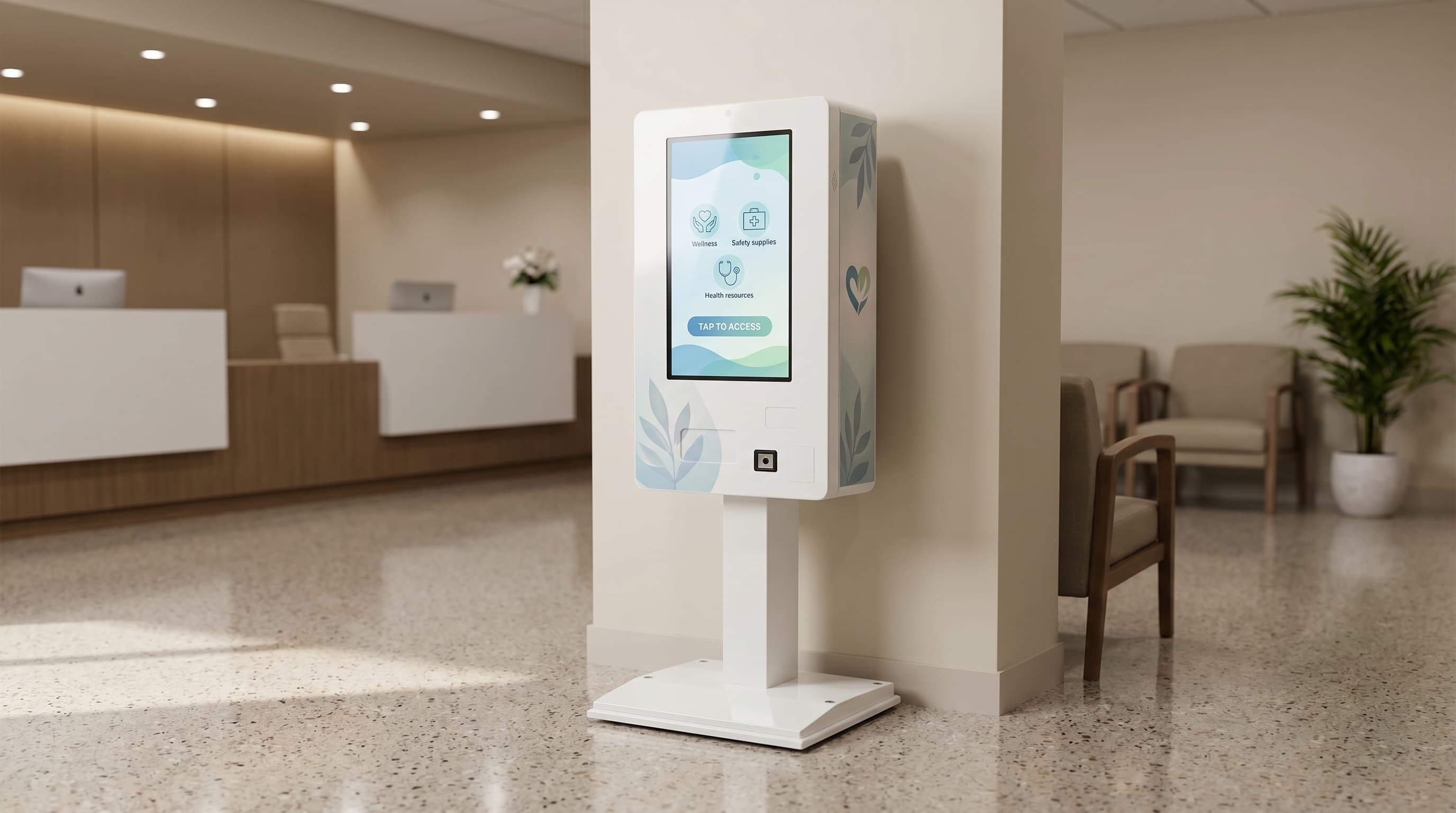
A pharmacy vending machine is an automated dispensing unit used to extend access to over-the-counter products, medical supplies, or secure prescription pickup outside normal counter hours. It is not a substitute for a licensed pharmacist, and it is not a magic portal through which regulated products become casually convenient. The useful operator frame is much simpler: inventory, identification, payment, and audit logging inside a controlled enclosure so staff and patients can access the right products without turning every transaction into a staffed-counter dependency.
The category only works when scope is explicit. OTC retail, supply dispensing, and secure pickup can fit. Prescription counseling, controlled substances, and anything requiring live clinical judgment do not belong inside ordinary retail vending logic.
The three pharmacy-adjacent vending workflows that actually make sense
The first is public-facing OTC and personal-care vending: analgesics where policy allows, allergy products, first-aid basics, hygiene items, and similar sealed consumer products. The second is controlled supply dispensing for hospital wings, EMS bays, clinics, or medical workrooms, where gloves, dressings, syringes, or similar consumables are issued behind badge, PIN, or barcode access. The third is secure prescription pickup, where a licensed pharmacy fills and labels an order first and the kiosk acts only as the controlled handoff point.
Those three workflows sound related because they all involve health-adjacent products, but the compliance burden rises sharply as soon as the cabinet moves from OTC retail toward medication handling. Operators who fail to respect that distinction are asking for a spectacularly stupid meeting with legal.
What a pharmacy vending machine should and should not dispense
OTC products, personal-care items, and selected medical consumables are the sensible core categories here. Public OTC cabinets in airports, campuses, or clinics can support products with clear consumer packaging and predictable shelf stability. Clinical supply units can support badge-based access to routine consumables and capture each issue on an audit trail for replenishment and cost recovery.
What sits outside the usual vending scope is just as important: controlled substances, products requiring pharmacist counseling, anything that depends on active clinical review, and any medication workflow that has not been explicitly mapped to FDA, DEA, state-board, or equivalent jurisdictional requirements. If the deployment wants to live in that higher-regulation zone, it needs dispensing software, licensure, and workflow controls that go well beyond “put it in a machine and hope compliance is feeling generous today.”
Why audit logging is the load-bearing feature
In pharmacy and medical-supply settings, the hardware is only credible if every dispense or pickup can be reconciled. The useful questions are who accessed the cabinet, what left it, when it happened, and whether the event can be tied to a user, patient identifier, cost centre, or pickup workflow as appropriate. Standard controller and reader communications such as MDB plus reporting layers such as DEX-style audit data are the operational spine here.
Without that spine, the machine is just a locked box with delusions of professionalism. With it, the cabinet can reduce shrinkage, simplify replenishment, and give procurement or clinical teams a defensible record of what actually happened.
Where these machines fit operationally
OTC and personal-care units fit where customers need fast access outside normal staffed hours: airports, campuses, clinic lobbies, hospital concourses, and similar high-footfall settings. Supply units fit in hospital corridors, EMS bays, and clinic work areas where chain-of-custody and replenishment discipline matter. Secure pickup lockers fit as an extension of a licensed pharmacy workflow when the pharmacy wants after-hours retrieval without keeping the counter staffed.
The machine should match the venue’s actual operational need. If the only logic for the cabinet is “health is a big sector,” that is not strategy. That is a PowerPoint problem.
Cashless, privacy, and security are baseline, not embellishment
A modern pharmacy-adjacent cabinet should assume cashless payment or controlled credential access as the default. It should also assume that payment data, access logs, and any patient-adjacent identifiers need proper security and retention discipline. If the deployment touches patient data or pickup identifiers, the operator has to think about HIPAA-style practice where relevant, network security, and who is allowed to see what. Trust is not optional in a health-adjacent workflow.
That does not mean every unit needs to become a clinical fortress. It means the operator should know the difference between simple OTC retail telemetry and a workflow that has crossed into regulated data handling.
Need a pharmacy-adjacent vending workflow that stays useful and compliant?
DMVI can help you scope OTC retail, controlled supply dispensing, or secure pickup workflows without letting the project wander into regulated fantasy land.