Med Spa Vending Machines: Towel and Aftercare Retail That Actually Fit the Environment
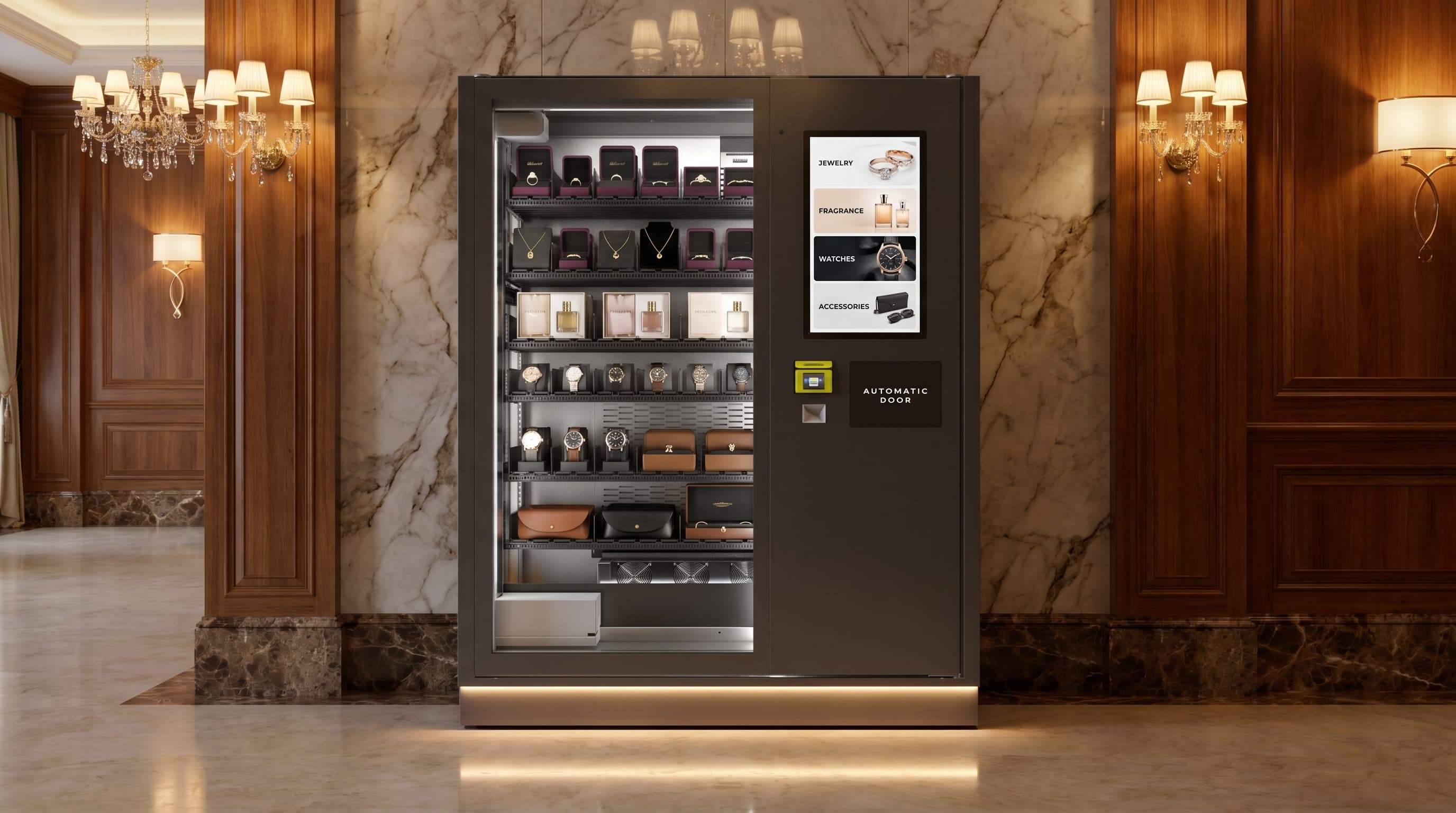
A med spa vending machine is an unattended retail unit configured for two distinct non-clinical workflows: towel and amenity dispensing for the facility, and aftercare product retail for clients. Those sound similar until somebody tries to jam both into one generic snack cabinet and wonders why the result feels wrong. The spa environment is quieter, more humid, more presentation-sensitive, and more brand-conscious than a break room, so the machine format, cashless flow, and product rules need to respect that reality.
What matters here is not novelty. It is whether the cabinet solves a real access, labour, or retail-conversion problem without drifting into medical claims, prescription workflow, or tacky self-service theatre.
Towel and amenity vending is an operations play, not a merch play
Towel vending in spas, pool decks, wellness clubs, and hotel treatment areas exists to control linen loss, reduce front-desk interruptions, and give guests clean access at the point of need. The machine should be specified for rolled towels, robes, slippers, or similar amenity items rather than treated like a repurposed snack cabinet. Quiet dispense, humidity-tolerant interiors, and a presentation that does not make the spa corridor look like somebody lost an argument with a laundromat all matter.
Access is often tied to a guest credential, RFID, PIN, or other facility rule rather than simple public purchase. In that case the reporting logic is about issuance counts and reconciliation, not retail sales bragging. The operator should know how many towels left, under which access rule, and whether the machine is reducing amenity leakage enough to justify its footprint.
Aftercare retail is a different job entirely
Med spa aftercare vending is about selling sealed retail products at a high-intent moment without forcing staff to pivot into a sales script while they are turning rooms or managing the next client. Typical fits include SPF, post-treatment moisturisers, scalp or skin recovery sprays, supplements, and other shelf-stable retail items that the clinic already recommends. The machine should extend the existing aftercare logic, not introduce random products that happen to fit a shelf.
That is why the SKU rules matter. Aftercare planograms should stay tight, usually around a focused assortment of stable products with intact seals, clear labels, and no refrigeration requirements unless the cabinet was explicitly specified for cold chain. The machine is a retail convenience layer, not a clinical dispensing shortcut.
Cashless is mandatory and the machine still has to feel premium
Spa and med spa environments should assume tap-to-pay cards, NFC mobile wallets, and similar cashless flows as the default. Standard reader and controller communication over MDB keeps the payment path modern and the telemetry usable. Cash bill validators usually make little sense in this environment because they add noise, hygiene concerns, and visual clutter to a setting that is supposed to feel calm and clean.
Presentation also matters more here than in most vending categories. If the cabinet looks industrial, loud, or obviously borrowed from a warehouse corridor, it undermines the premium tone the spa spent actual money creating.
Operator economics live in SKU mix and shrink control
An aftercare retail unit earns its keep through margin on a relatively small number of high-fit SKUs sold precisely when the client is most likely to need them. A towel unit earns its keep by reducing front-desk labour and preventing quiet linen loss. The operator who tries to combine both into one machine often compromises both use cases and ends up with a cabinet that is neither elegant retail nor efficient facility control.
The better move is usually to keep the workflows separate: a facility-logic cabinet for towels and amenities, and a retail-logic cabinet for aftercare. It is less clever in theory and much more sensible in practice.
Compliance and tone need to stay conservative
Med spa vending should stick to retail and wellness language, not drift into therapeutic promises. No compounded products, no prescription items, no claims that the cabinet itself somehow improves a medical outcome. The machine is a controlled retail and amenity access point, not a device for wandering into regulated clinical territory because a marketer got overexcited.
That conservative boundary is helpful commercially as well. It keeps the assortment, signage, and staff explanation simple, which is usually how durable automated retail deployments stay alive in wellness settings.
Adding automated retail to a spa, wellness centre, or med spa?
DMVI can help you separate towel-control logic from aftercare-retail logic, then specify the cabinet, payment flow, and planogram around the actual environment instead of forcing a generic vending chassis to play dress-up.