Vending Machines for Senior Living and Care Homes: Accessibility, SKUs, and Staff Workflow
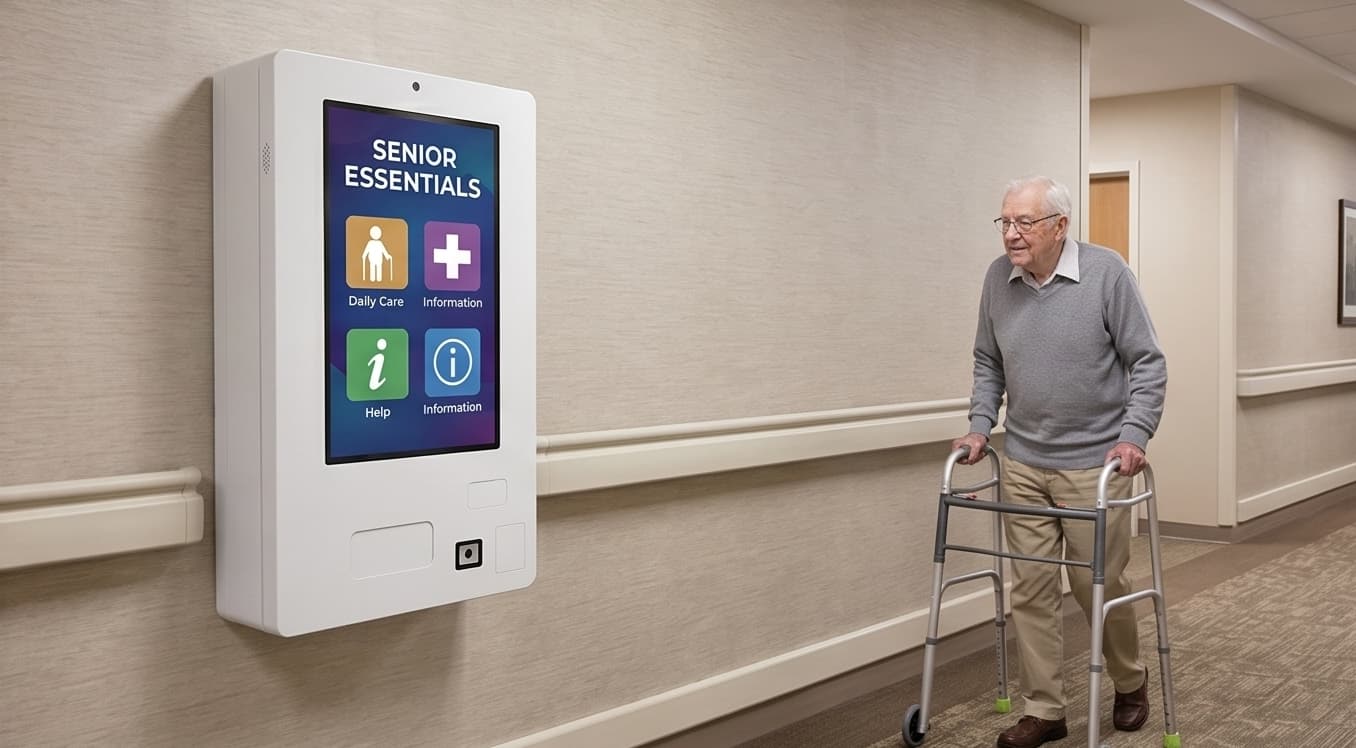
A senior living vending machine is an unattended retail unit placed inside an independent-living, assisted-living, memory-care-adjacent common area, or broader care-home environment to give residents, visitors, and staff access to drinks, snacks, and everyday essentials without waiting for a staffed retail counter. The opportunity is real, but the design brief is different from office vending or hotel lobby vending. In a care setting, accessibility, dignity, and product relevance matter more than novelty.
That is why the strongest senior living vending programs begin with a simple question: who exactly is the machine meant to serve, and what does that user actually need at 7 p.m., 2 a.m., or between scheduled services? If the answer is vague, the machine will usually disappoint everyone politely and expensively.
Who the machine serves in a senior living facility
Most care-home environments have at least three overlapping user groups. Residents may want hydration, familiar snacks, and personal-care basics without having to depend on staff for every small purchase. Visiting family members often want a quick refreshment or convenience item during long visits. Staff need reliable access during overnight, weekend, and shift-transition hours when cafeteria or food-service options may be limited.
These groups should not always be treated as though they want the same assortment. A resident-facing machine in a common lounge may need a different mix from a staff-area machine near a break room. Trying to satisfy everyone equally from one generic cabinet is a classic way to create an underperforming machine with no clear purpose.
What products make sense in senior living vending
The most practical product mix usually centres on bottled water, juice, lower-sugar beverages, familiar packaged snacks, soft-texture items, comfort foods, tissues, hand cream, dental basics, and similar everyday essentials. The right assortment depends on the facility profile, but the general principle is consistent: stock what residents and visitors will genuinely use, not what a standard office machine would carry by default.
Operators and administrators should be especially careful around regulated or medically sensitive categories. A vending machine in a care environment is not a pharmacy substitute and should not make medical claims or lean into therapeutic positioning. If a product requires special handling, clinical oversight, or policy review, it should not be casually slipped into the spiral because someone thought it looked useful.
Why accessibility is the first hardware decision
Accessibility is not a decorative compliance paragraph added after the sale. It determines whether the machine is usable at all. Control height, screen readability, product-selection flow, payment interaction, and collection-bin reach all matter for residents who may use a wheelchair, walker, or limited-grip assistive pattern. A touchscreen that looks sleek in a showroom can become a minor act of sabotage in a care-home corridor if the text is too small or the collection point is too low.
Accessible senior living vending should favour readable interfaces, clear contrast, intuitive navigation, and retrieval points that do not require awkward bending or excessive force. Where appropriate, facilities may also want to consider payment methods that do not assume every resident carries a bank card or uses a mobile wallet confidently.
Payment design should reflect resident and visitor reality
Visitors and many staff members will expect cashless payment, including tap cards and mobile wallets. Some residents may still prefer cash, while others may benefit from a facility-linked account, house-charge workflow, or managed resident payment setup where policy allows. The right answer depends on how independent the resident population is and how the facility wants to manage exceptions.
The point is not to cram in every payment method imaginable. It is to remove friction for the real users of that location. A machine that is technically advanced but practically confusing is not helping. It is merely showing off in front of people who did not ask for a performance.
How vending helps staff workflow without replacing care
One of the clearest commercial benefits of senior living vending is staff offload on small, non-clinical requests. When residents or visitors can self-serve drinks, snacks, and basic convenience items, care and reception teams spend less time handling retail-style interruptions. That can improve workflow, especially outside core service hours, without pretending the machine is some grand solution to labour challenges.
Used properly, the machine supports the environment rather than competing with care delivery. It should be positioned as a convenience amenity that reduces minor friction and supports resident independence where appropriate — not as a substitute for attentive service.
What buyers should validate before deployment
Before approving a placement, buyers should confirm the intended audience, accessibility fit, facility policy boundaries, restocking cadence, and whether the proposed assortment aligns with resident dignity and day-to-day use. Telemetry and cashless reporting are useful, but they do not rescue a poor location or a thoughtless product mix.
Vending machines for senior living can be a strong fit when they are specified with care. The best installations respect the setting, support staff workflow, and give residents and visitors practical access to the items they actually need. The weaker ones treat a sensitive care environment like a generic corridor and then act surprised when nobody falls in love with the machine.
Planning a senior living or care-home vending program?
DMVI helps facilities and operators choose accessible hardware, resident-appropriate assortments, payment workflows, and service models that fit the realities of care environments.