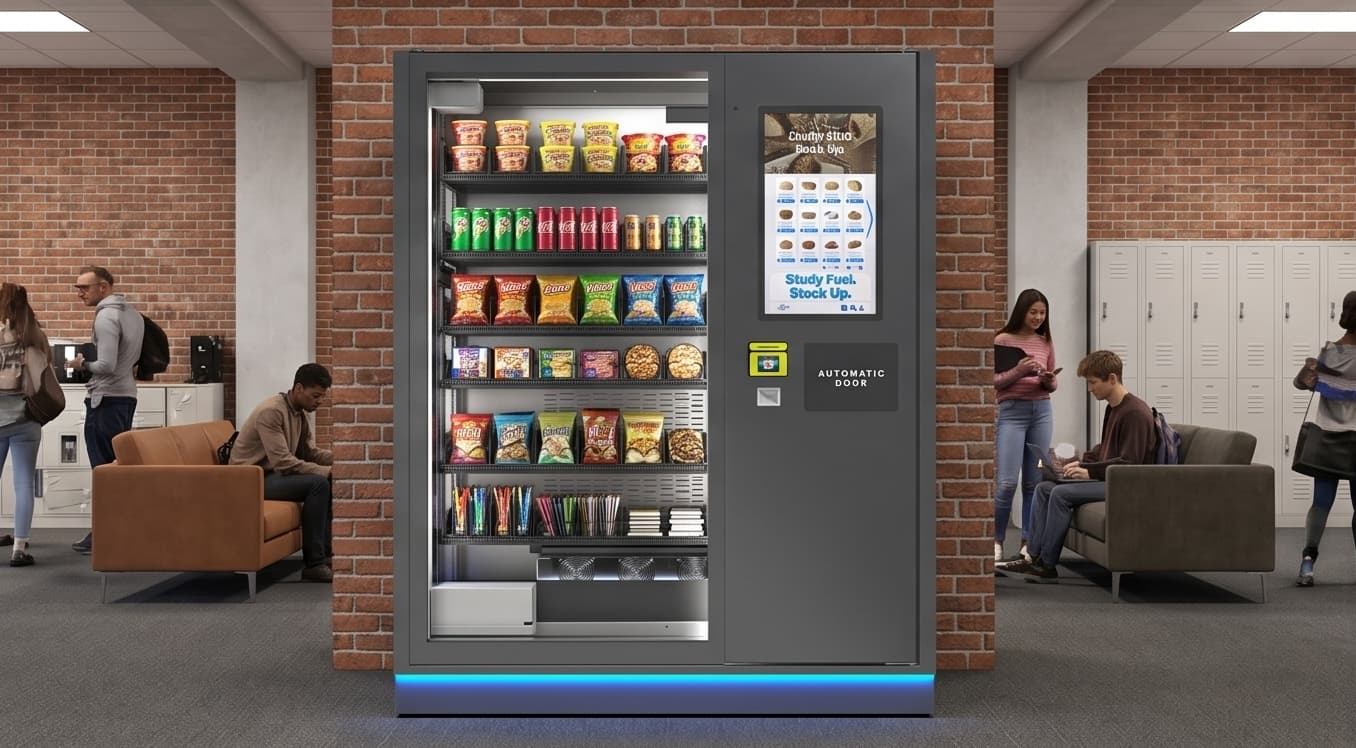
Custom Vending Machine Manufacturers: Spec Discipline, Hardware, and Build Reality
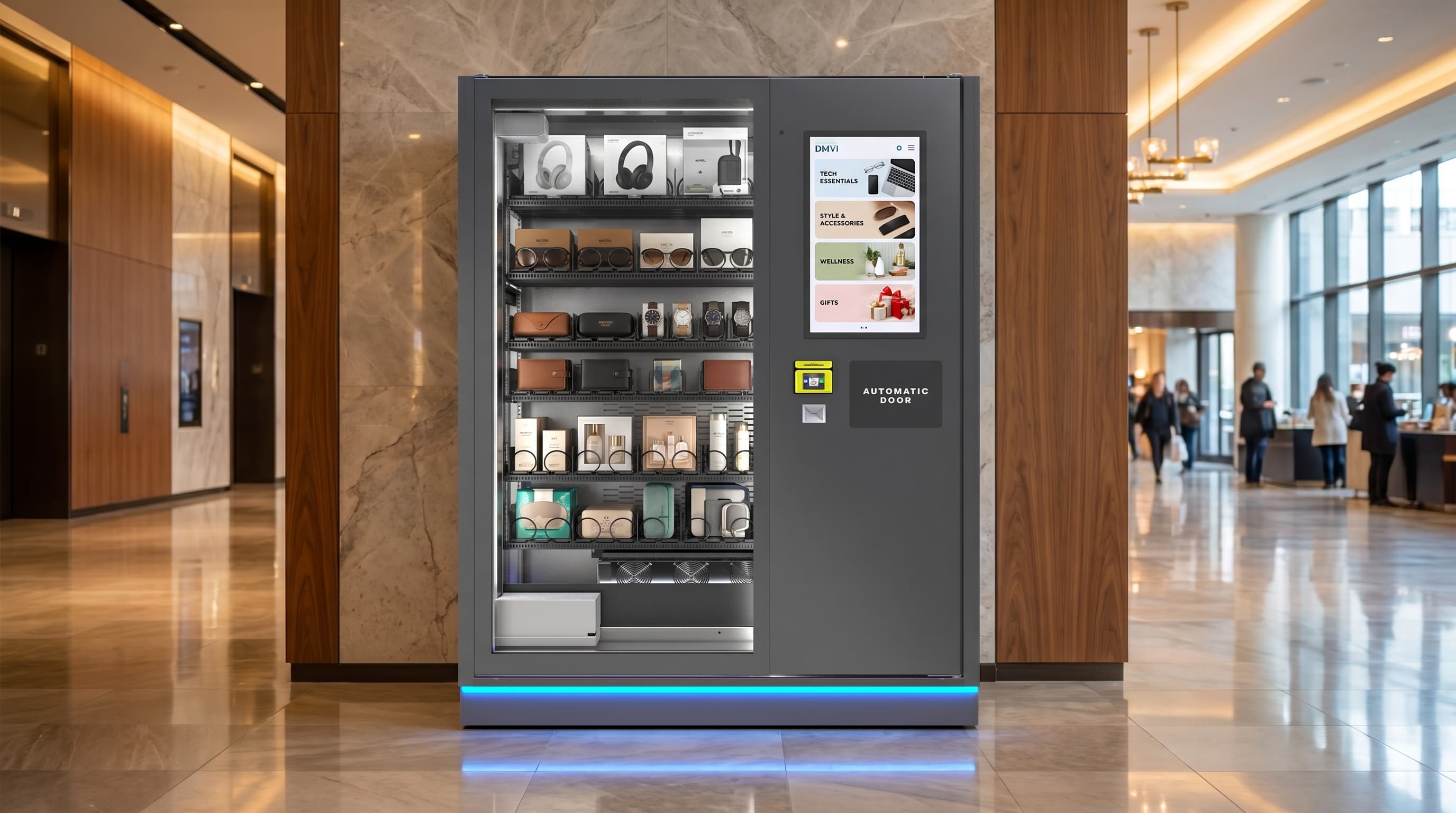
A custom vending machine manufacturer is not just a cabinet supplier with a branding team. It is a hardware integrator that engineers the chassis, dispensing mechanism, control stack, payment hardware, telemetry, and serviceability around a specific operator brief. The work starts with the planogram, venue, and SKU footprint, then resolves into a documented machine that can survive real service life instead of merely looking clever at launch.
That distinction matters because the phrase custom vending machine gets abused constantly. A painted stock machine is not the same thing as a bespoke build. A real custom programme changes the machine where the commercial requirements demand it: dispensing logic, glass, locks, cooling, motor mix, user interface, payment stack, and remote management.
What a manufacturer should lock down before the first CAD flourish
The most important input is the SKU spec. Dimensions, weight, fragility, packaging finish, temperature sensitivity, and theft profile all affect the machine architecture. If those details are still fuzzy, the build will drift into the sort of expensive improvisation that makes everyone enthusiastic until the first serious service bill arrives.
The venue matters just as much. A unit serving electronics in an airport has very different requirements from a machine serving beverages in a factory break room or cosmetics in a hotel lobby. Traffic profile, ambient conditions, payment behaviour, refill cadence, and security exposure should all shape the spec before anyone starts boasting about innovation.
The five layers that separate a proper custom build from a science project
First comes the dispensing mechanism: spirals, belts, lockers, robotic retrieval, or hybrid trays chosen against the actual product mix rather than because someone liked a render. Second is the controller stack. In most serious builds that means a Multi-Drop Bus (MDB) controller so the machine can communicate cleanly with validators, readers, and peripherals through a recognised vending standard.
Third is audit and route visibility. DEX-style data access matters because operators need sales records, cash counts, machine events, and fault visibility without treating every door opening like an archaeological dig. Fourth is payment: contactless cards, mobile wallets, QR code acceptance where relevant, and optional cash support sized to the venue’s buyer profile. Fifth is mechanical hardening — locks, reinforced glazing, coin-door integrity, climate control, and service access panels that help the machine survive five to seven years of real use rather than six months of brochure photography.
Why small-scale manufacturing is a strong fit for custom vending
Small manufacturers often need a retail channel that showcases niche products without committing to full staffed locations. Custom vending can work well when the products are consistent, giftable, replenishable, and easy to present in a controlled footprint. Electronics accessories, beauty products, wellness items, selected packaged foods, travel goods, and other neatly specable categories usually perform better than irregular, fragile, or awkwardly merchandised products.
The appeal is not just lower staffing. It is repeatable unattended retail with brand control, telemetry, and the ability to place product where a conventional store would be too expensive or too slow to launch. That makes custom vending useful for manufacturers testing new markets, pop-up environments, travel venues, and brand-led retail concepts.
What operators should demand from a custom vending machine manufacturer
A proper spec should document SKU dimensions and weights, planogram assignments, dispense logic, payment stack, network connectivity, controller standard, telemetry and audit access, climate requirements, lighting, wraps, locking hardware, service access, spare-parts support, and expected duty cycle. If the manufacturer cannot speak in that level of detail, the build is probably still running on optimism.
Operators should also ask what happens after install. Parts availability, remote support, field-service expectations, and firmware or software maintenance matter enormously. A striking cabinet that becomes a support orphan is not a premium custom machine. It is an expensive lesson in procurement theatre.
Custom manufacturing is not the same as making the impossible possible
One of the more tedious habits in this category is pretending that any product can be vended if the team is imaginative enough. Sometimes the answer is simply no, or not economically. Products that vary wildly in shape, require elaborate human explanation, or break margins with high shrink and service costs can turn a custom build into a very pretty liability. The best manufacturers protect operators from that mistake instead of selling them a fantasy with a touchscreen on the front.
Good custom vending design is disciplined, documented, and commercially literate. That is less glamorous than buzzword soup, but annoyingly for the PowerPoint crowd, it is also what works.
Need a custom vending machine that works as hardware, not just as a rendering?
DMVI helps operators and brands translate product, venue, and service requirements into real custom-vending specs with the payment, telemetry, and support layers accounted for upfront.