Automated Retail Solutions for SMBs: Revenue Hours, Telemetry, and Service Discipline
An automated retail solution gives a small or midsize business an unattended sales channel that can trade beyond staffed hours, monetize awkward square footage, and collect cleaner transaction data than many casual retail setups manage today. For an SMB, that matters less as a futuristic talking point and more as a practical operating model: one machine, one location, clear unit economics, and no need to keep a full counter staffed just to capture late-night or weekend demand.
The strongest SMB deployments are not built around novelty. They are built around convenience, labour pressure, and the reality that many businesses have sellable products but not enough people, time, or floorplan to run a traditional staffed retail format in every venue where demand exists.
What an automated retail solution actually includes
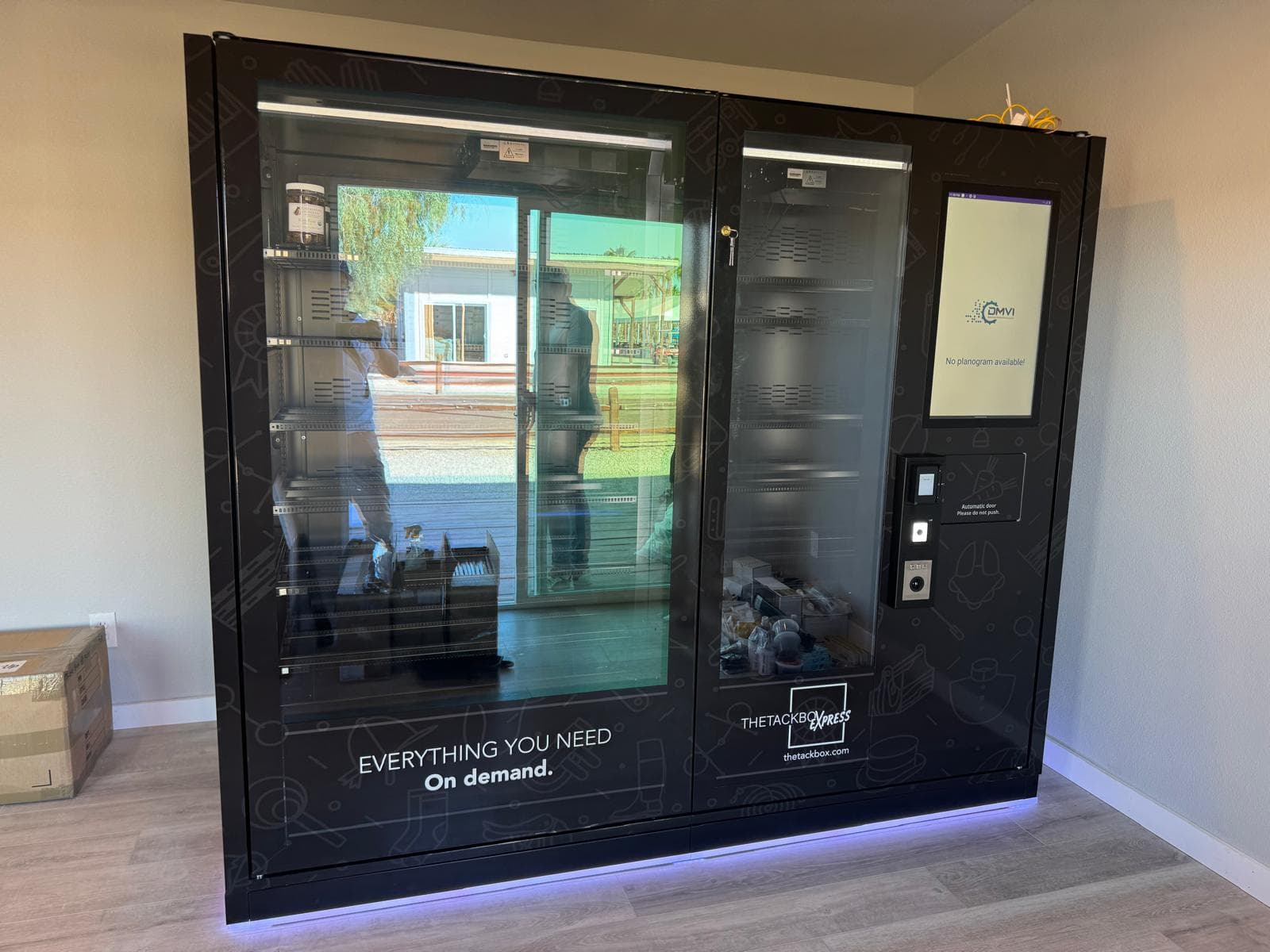
At minimum, the stack includes the machine hardware, a cashless payment layer, and remote management. In practical terms that means a vending or kiosk chassis, a controller that can speak to peripherals through a recognised standard such as MDB, card and wallet acceptance, and telemetry that reports inventory, machine events, and faults back to a dashboard. If the machine cannot tell the operator what sold, what failed, and what needs service, the “solution” is only half built.
Audit visibility matters too. DEX-style reporting and similar route-data access make it possible to reconcile sales, identify stockouts, and measure whether a location deserves expansion. Without that visibility, an SMB owner ends up driving around to inspect machines in person, which is a marvellously inefficient way to pretend unattended retail saves labour.
Why SMBs use automated retail in the first place
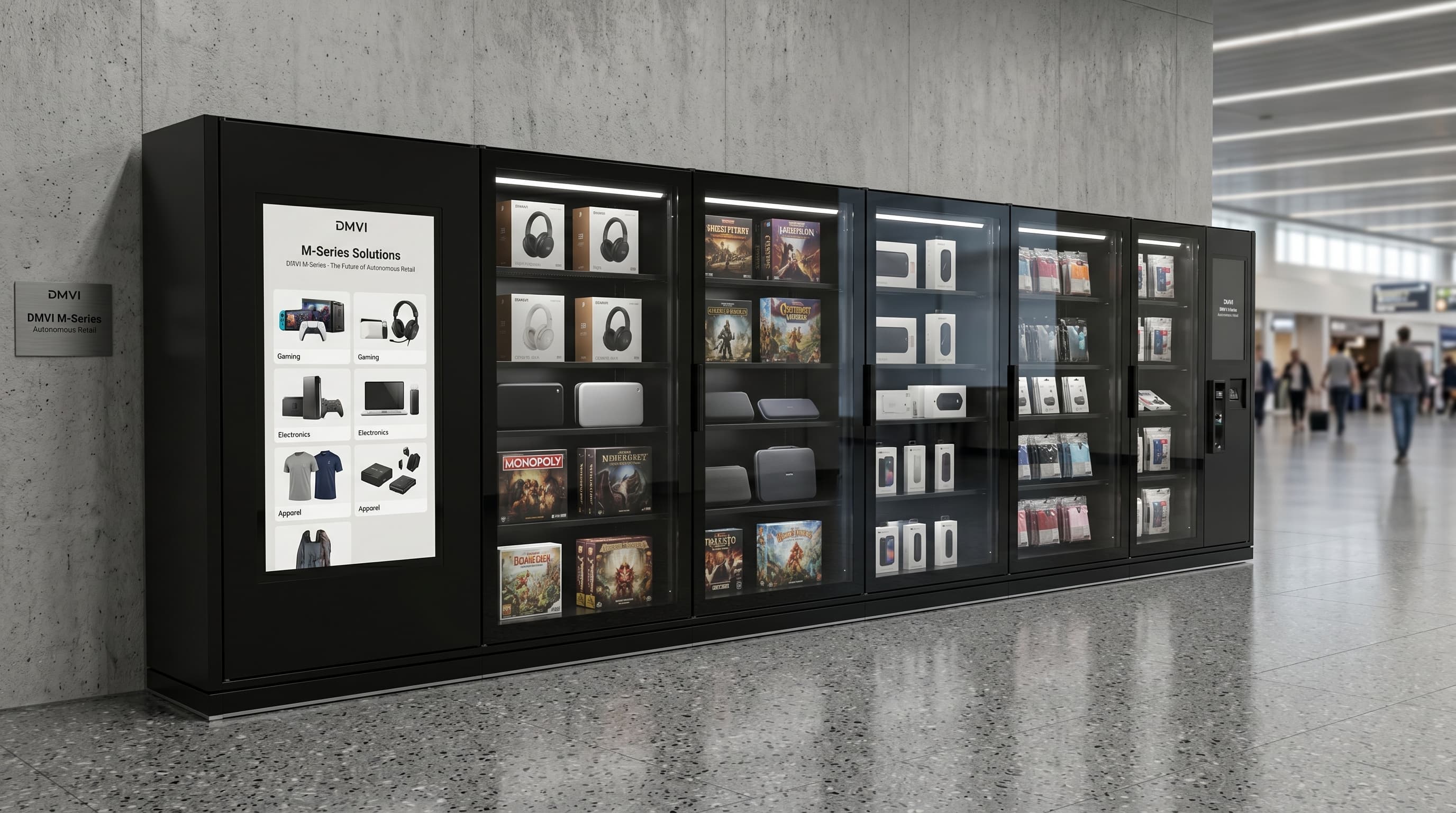
The answer is usually one of three things. First, they want to extend selling hours without extending payroll. Second, they want to test a new location or category without signing up for a full store buildout. Third, they need a more consistent way to sell convenience products, branded merchandise, food and beverage, wellness items, or accessories in places where a staffed counter would be too slow or too expensive.
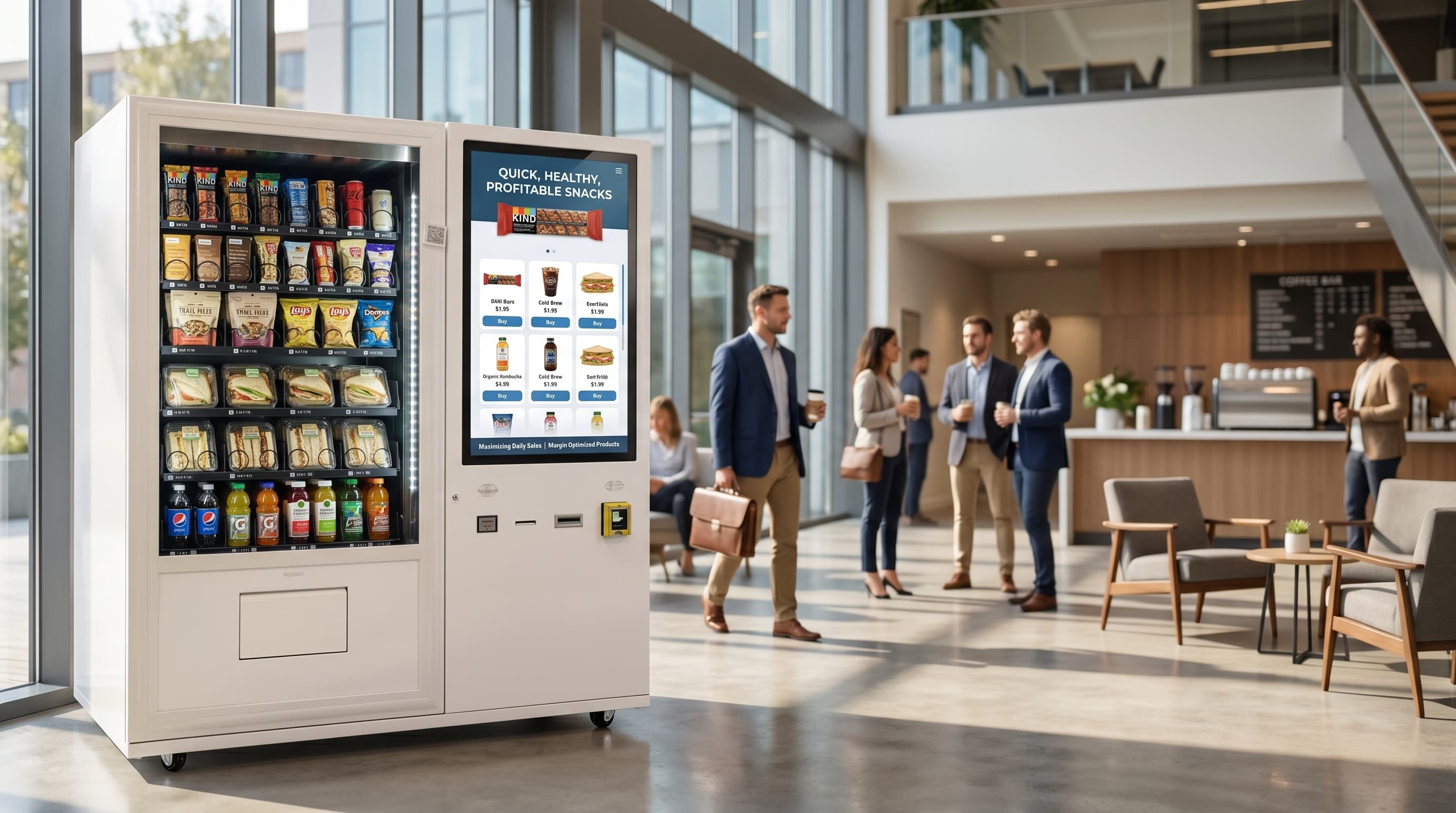
Good candidate venues include gyms, multifamily properties, office buildings, industrial sites, hotel lobbies, student environments, and other high-footfall locations where customers want speed more than ceremony. Not every business needs automated retail, but plenty of SMBs do benefit from it once the venue, product mix, and service model are specified properly.
What the economics should look like before anyone scales
SMB operators should start with three numbers: gross margin per transaction, expected transactions per day, and restock-plus-service cost per visit. Those numbers tell you more than a dozen vague strategy decks ever will. A machine that sells frequently but needs constant low-margin service can be worse than no machine at all. Conversely, a well-placed unit with strong payment uptake and clean replenishment routines can create a tidy revenue line from space that was previously doing very little.
Cashless acceptance is especially important because it reduces friction, improves reconciliation, and matches how many buyers already pay. Contactless cards, mobile wallets, and venue-appropriate alternatives such as QR payments should be evaluated against the customer profile rather than bolted on as afterthoughts.
What SMBs should expect from automated retail technical services
A real service layer covers preventive maintenance, reader and controller support, firmware updates, fault diagnosis, parts replacement, telemetry platform support, and defined response expectations when a machine fails in the field. This is where many otherwise sensible SMBs get seduced by the hardware price and forget the machine still needs a support model after the ribbon-cutting photos are over.
Operators should ask blunt questions about parts availability, payment support boundaries, route responsibilities, and how planogram or pricing changes are handled. If those answers are woolly, the service relationship will be too. And woolliness is not, sadly, a recognised uptime strategy.
How an SMB should roll out automated retail without making a mess
Start with one or a few locations where traffic, product fit, and refill access are clear. Use that first deployment to validate payment mix, peak selling windows, stockout patterns, and the real burden of service. Expand only once the business understands what the machine earns, what it costs to keep it healthy, and which SKUs actually deserve the shelf space.
That is the difference between a measured retail channel and an expensive hobby. The best SMB automated retail programmes scale from evidence, not enthusiasm.
Considering automated retail for your SMB?
DMVI helps operators and brands match venue, machine, payment stack, and service model so the unattended channel works in practice instead of just sounding efficient in a pitch deck.