Cloud-Based Vending Systems for SMBs: Telemetry, Remote Routes, and Real Operator Control
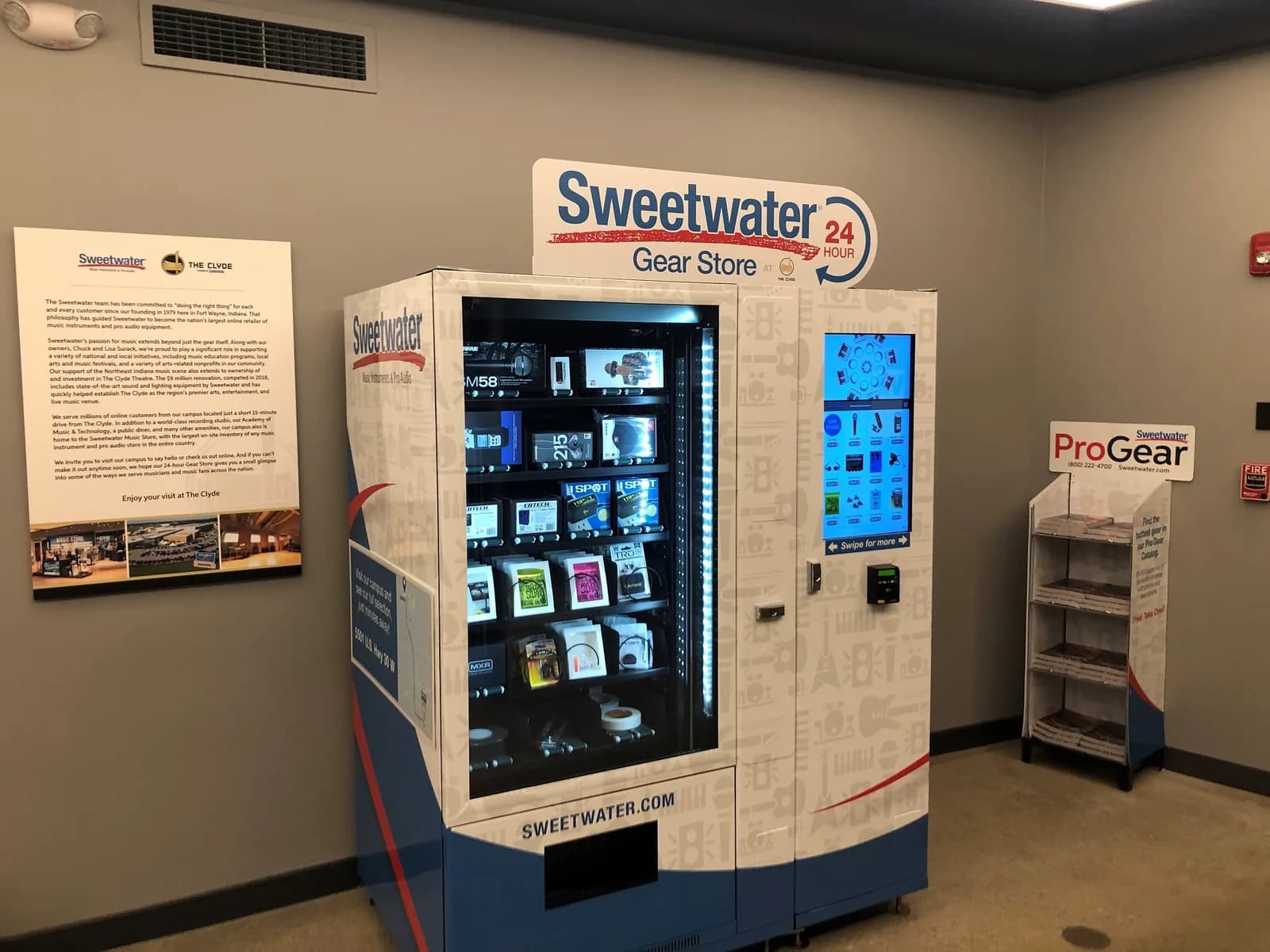
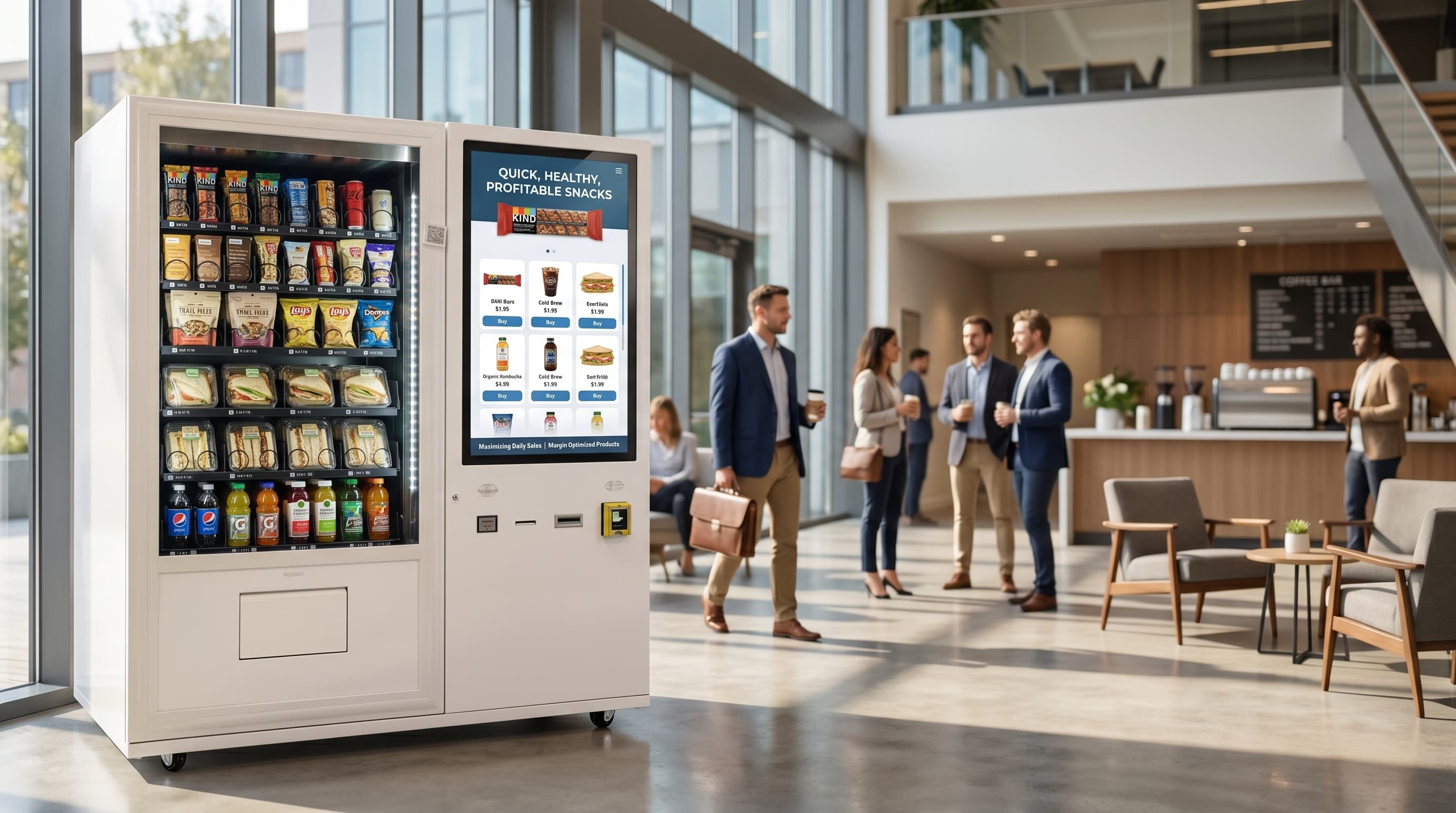
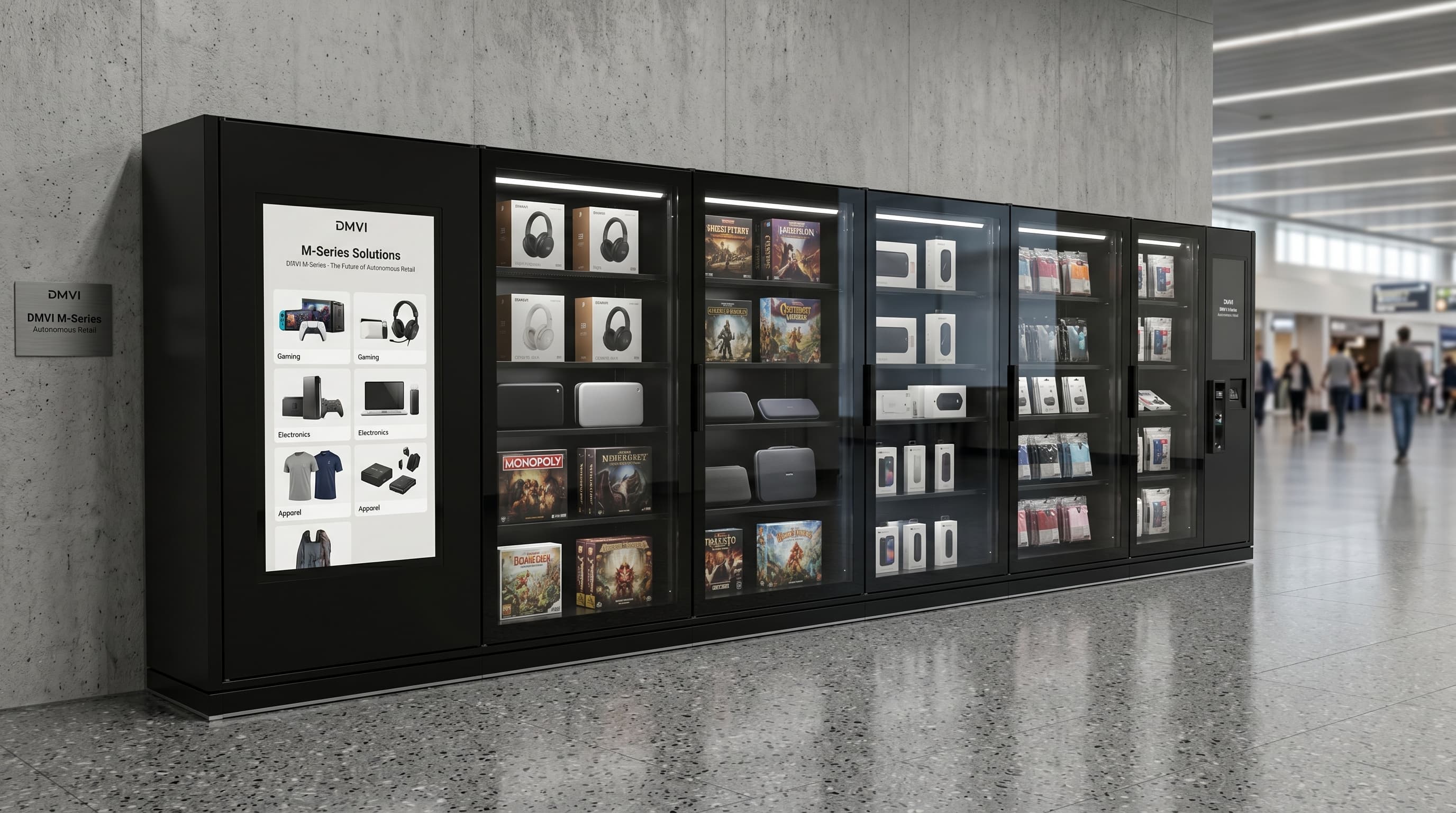
A cloud-based vending system is a connected fleet of vending machines that reports sales, inventory levels, payment events, and machine faults to a central dashboard over cellular or Wi-Fi. For an SMB operator, the cloud layer is not just a fashionable label. It is the difference between running unattended retail from live operational data and running it from guesswork, mileage, and the occasional unpleasant surprise when a location has been empty or broken for two days.
That distinction matters because plenty of legacy copy talks about “cloud solutions” as if the phrase itself deserves a round of applause. What matters in practice is whether the machine tells the operator what sold, what failed, what needs restocking, and whether the payment layer is behaving properly. If it does not, the cloud claim is mostly decorative.
What a cloud-based vending stack actually includes
At the machine level, a serious setup still starts with recognised vending architecture. The controller communicates with peripherals through standards such as MDB, linking the cabinet to validators, coin mechanisms, and cashless readers. Audit and event visibility then flows through DEX-style reporting or an equivalent telemetry layer so sales, motor events, faults, and resets are visible beyond the cabinet door.
The cloud platform sits above that hardware layer. It receives transactions and events, surfaces alerts, shows stock levels, supports remote price or planogram changes, and gives the operator a working view of fleet health. In a good deployment, the machine becomes a monitored retail endpoint. In a bad deployment, the dashboard exists but the data quality is patchy, the connectivity is unreliable, and the operator learns too late that “connected” was doing some quite heroic work in the sales brochure.
Why the cloud layer changes SMB vending operations
First, service routes become demand-driven instead of schedule-driven. Operators can refill the machines that actually need stock rather than burning time on blanket visits. Second, payment performance becomes visible at the machine and time-of-day level, which makes pricing, SKU rotation, and service decisions more grounded. Third, faults surface as alerts rather than as irritated customer anecdotes passed along by a venue manager who has already lost patience.
That matters especially for SMBs, because labour and management bandwidth are finite. A connected fleet lets a smaller team cover more units without pretending that human beings can teleport between sites whenever a coil decides to misbehave.
What can go wrong if the cloud layer is poorly specified
The cloud only helps if the connectivity and support model are real. Every unit needs reliable cellular or Wi-Fi coverage, stable reader and controller behaviour, defined update paths, and clear ownership for troubleshooting. If the vending hardware, cashless stack, and software dashboard all point fingers at one another when something fails, the operator is left paying for a system that is theoretically advanced and practically annoying.
Data handling matters too. Operators should know what events are retained, who can access refund or payment logs, how alerts are triggered, and what happens when a machine drops offline. None of this is glamorous, which is probably why so much bad copy avoids it. Unfortunately, it is also the part that determines whether the system is useful after the install team has gone home.
How an SMB should approach a cloud vending rollout
Start with a small number of locations where stock movement, connectivity, and service access are predictable. Validate the payment mix, the alert quality, the refill cadence, and whether the dashboard genuinely saves labour. If the operator still needs to visit the machine constantly just to understand what is happening, the cloud layer is not doing enough useful work.
The goal is not to collect software subscriptions like trophies. It is to build a vending operation that is easier to run, easier to measure, and easier to scale once the first connected sites prove themselves.
Need cloud-based vending that improves operations instead of just adding another dashboard?
DMVI helps operators match hardware, cashless readers, telemetry, and service workflows so connected vending actually reduces labour and improves visibility.