Campus Wellness Vending Machines: Programs, Specs, and Policy for Universities
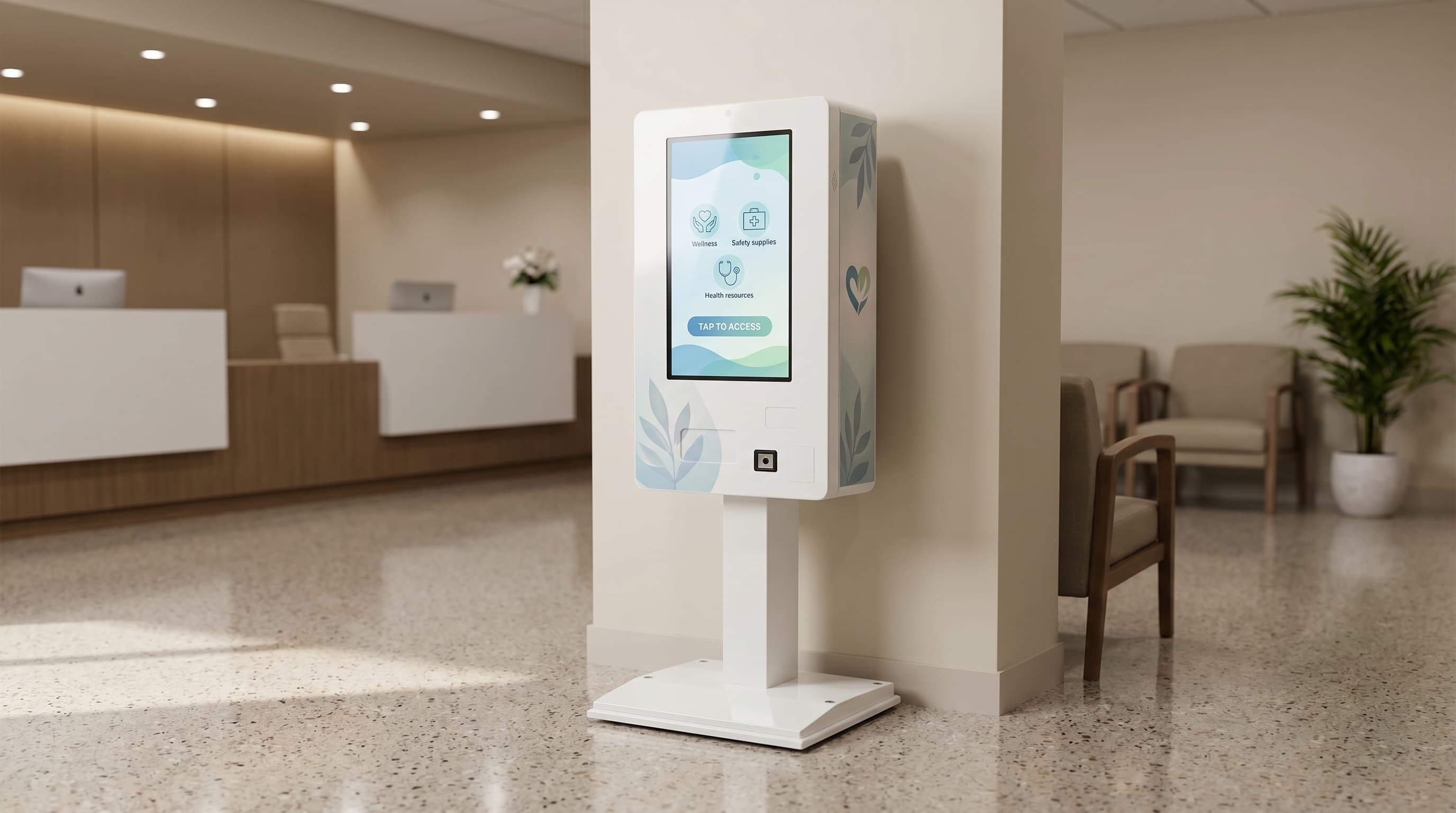
A campus wellness vending machine is an unattended retail unit deployed at a college or university to dispense health, hygiene, and harm-reduction products outside staffed clinic hours. It is a service programme, not a medical device, and it is meant to extend access rather than replace the student health centre. That distinction matters because campus wellness vending succeeds when it sits inside an approved institutional programme, not when it is treated like an ordinary snack machine with a worthy mission statement taped on the front.
For campus administrators, student affairs leaders, and operators, the real questions are straightforward: which products genuinely improve access, what hardware and controls are required, how privacy is protected, and which internal approvals have to be in place before the machine goes live. The page should help with those programme-design questions without drifting into medical advice.
What universities are actually deploying
Published campus programmes show a clear pattern. Universities and colleges are using wellness vending to expand access to products such as emergency contraception, naloxone, pregnancy tests, condoms, over-the-counter pain relief, and basic hygiene items. Public examples include wellness vending programmes at Cypress College, the University of Michigan, and Cal Poly.
Peer-reviewed implementation data also gives the category more substance than generic “student wellness” copy ever could. A recent university study reported naloxone, emergency contraception, and pregnancy tests as leading dispensed categories across an academic year, with naloxone topping total units dispensed. That reinforces what many campus teams already suspect: students use these machines most when they close an after-hours access gap rather than merely adding convenience theatre.
Why campus wellness vending is different from ordinary campus retail
Standard campus vending is usually judged on traffic, product rotation, and convenience. Wellness vending adds policy, privacy, and institutional review. Products may be subsidized, free, or priced below typical retail. Some categories may need health-service oversight, signage, referral information, or formal approval from student health, campus legal, residence-life leadership, or public-health stakeholders before deployment.
That means the operator model must fit the programme. A general vending route that works perfectly well for snacks and beverages may not be the right steward for time-sensitive health products unless inventory control, refill cadence, and policy compliance are genuinely in hand.
What hardware features matter for a campus wellness machine
The hardware has to support the programme, not just the floorplan. That usually means anti-theft construction, fully lockable doors, clean SKU segregation, lot tracking, and cashless or campus-card support. Standards such as MDB help the machine communicate reliably with readers and peripherals, while telemetry gives campus health or operator teams real-time visibility into stockouts and faults.
Expiry management matters as well. If the machine carries products with defined shelf life, the platform should help surface low-stock and near-expiry items before the problem becomes embarrassing or non-compliant. In short: this is one of those categories where “we’ll just keep an eye on it” is not an operating model.
How student privacy should be handled
Privacy is a design constraint, not a postscript. Operators should avoid linking transactions to identifiable student records unless a regulated subsidy or compliance requirement genuinely requires that connection. If the machine uses student ID, RFID, or campus access controls, the data handling should follow university policy and collect only what the programme actually needs.
That is especially important for sensitive products. Students are far more likely to trust — and use — a machine that feels discreet, predictable, and clearly governed than one that looks as though it might quietly send their business to three departments and a spreadsheet.
How universities should scope a wellness vending rollout
Start with a defined programme goal: after-hours access, harm-reduction distribution, residential support, or general wellness availability. Then match the machine location, SKU mix, pricing model, and internal ownership to that goal. Student health centres, residence halls, student unions, and high-traffic residential-adjacent areas can all work, but not every campus location should carry every category.
The strongest deployments are built with institutional alignment up front and operational discipline afterward. That means published product lists, refill ownership, privacy rules, signage, and escalation paths are all settled before launch. It is less glamorous than grand wellness rhetoric, but rather annoyingly, it is also what makes these programmes credible.
Planning a university wellness vending programme?
DMVI helps colleges and universities match policy goals, machine format, privacy constraints, and operational ownership so campus wellness vending works as a real programme rather than a symbolic one.