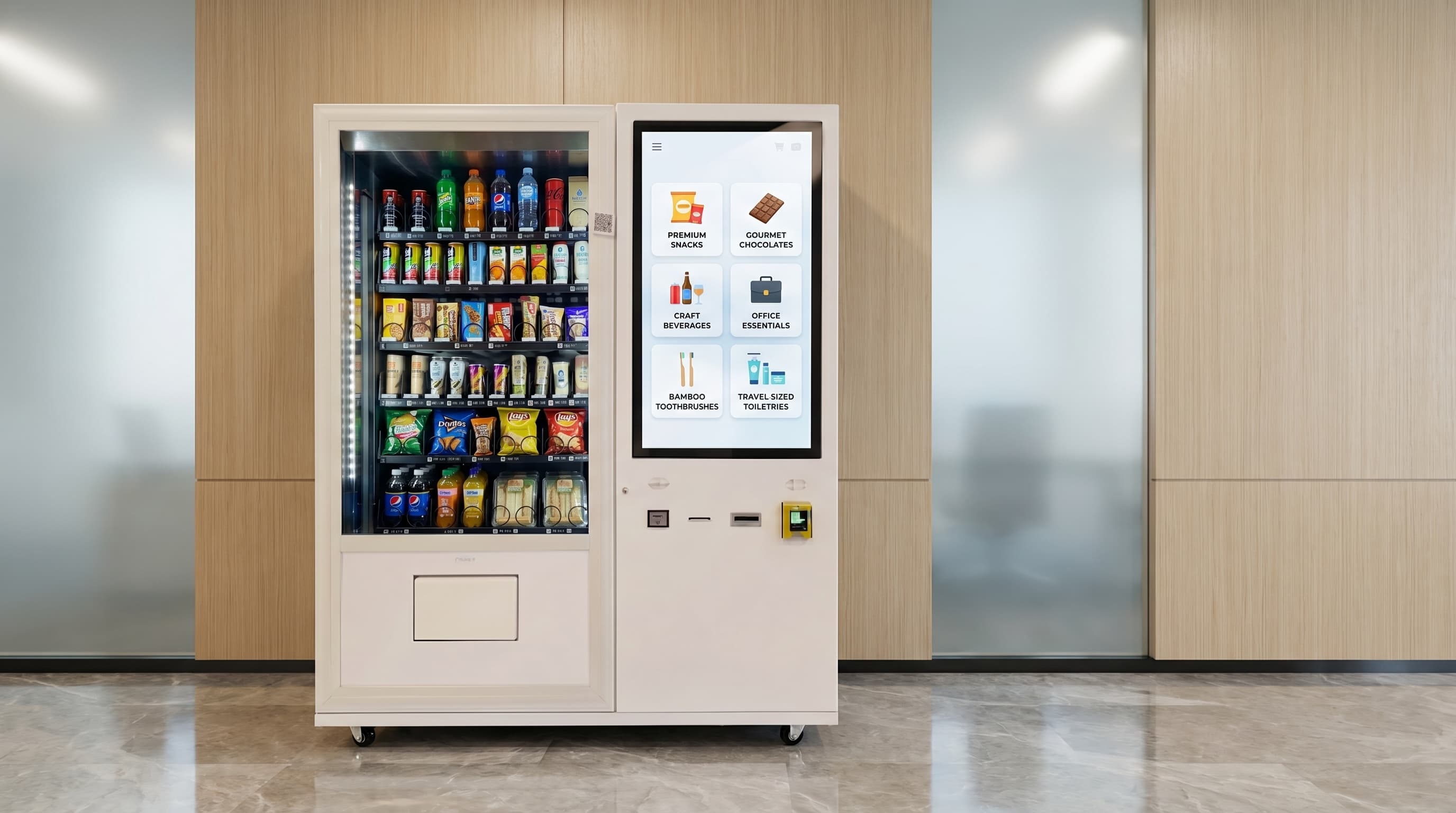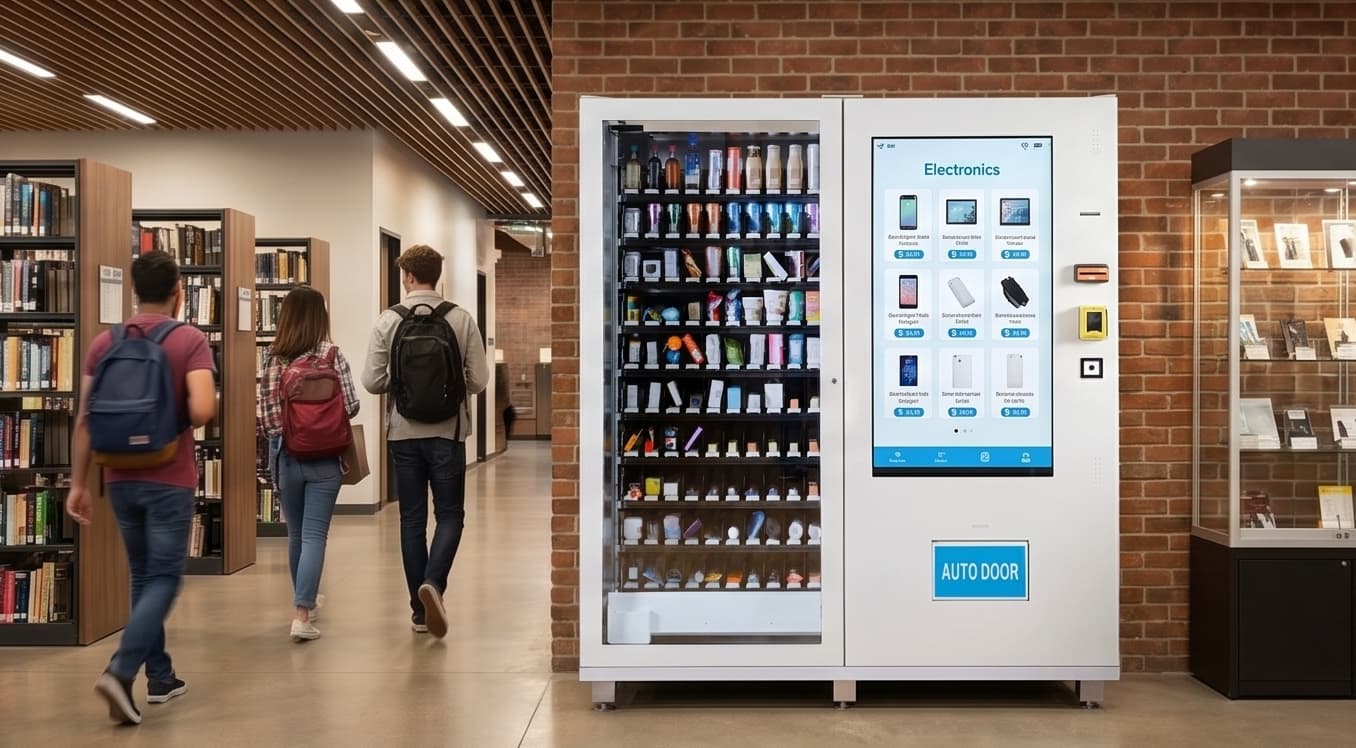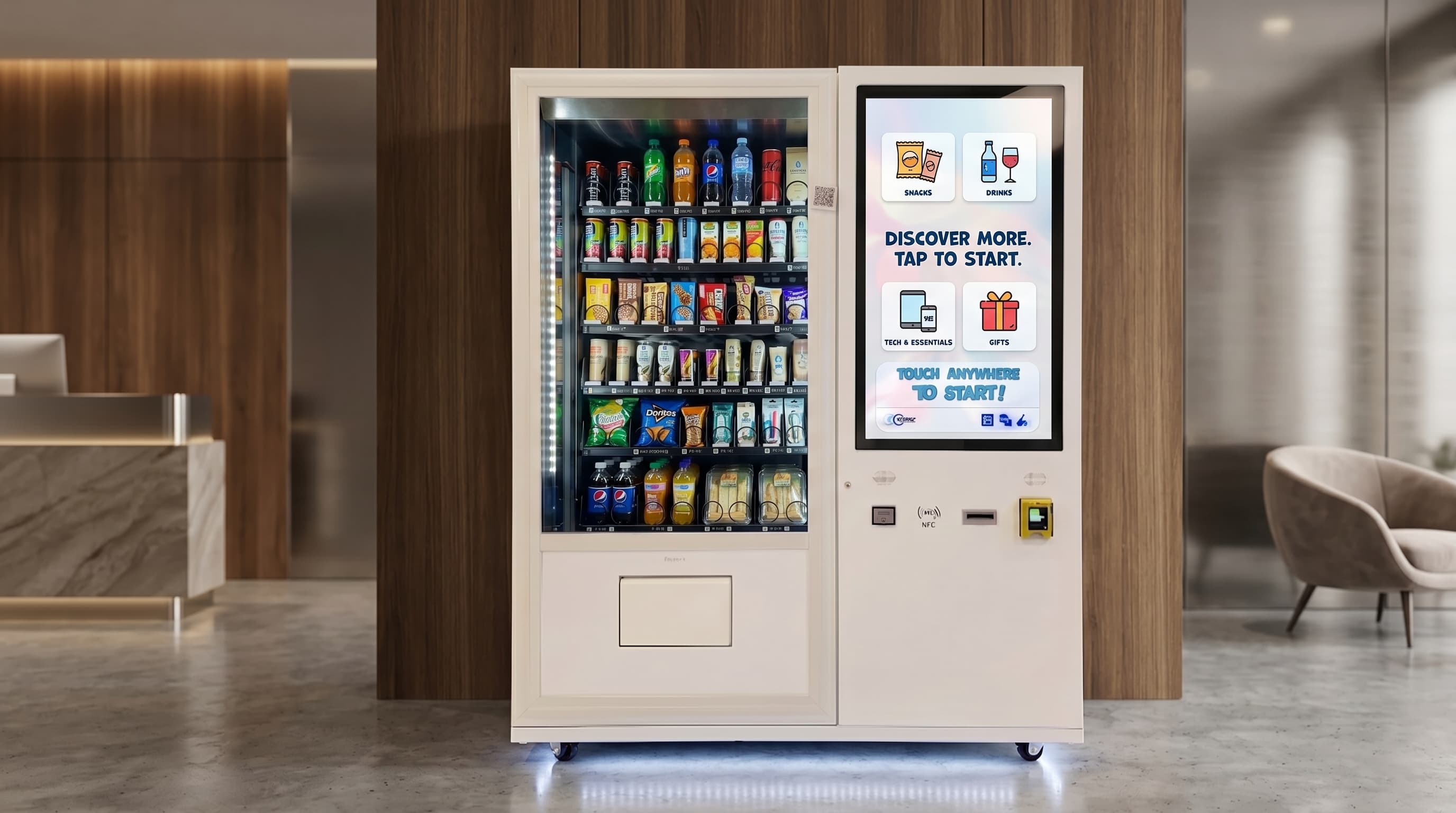
Smart Touchscreen Vending Machines for Phones, Tablets, and Electronics
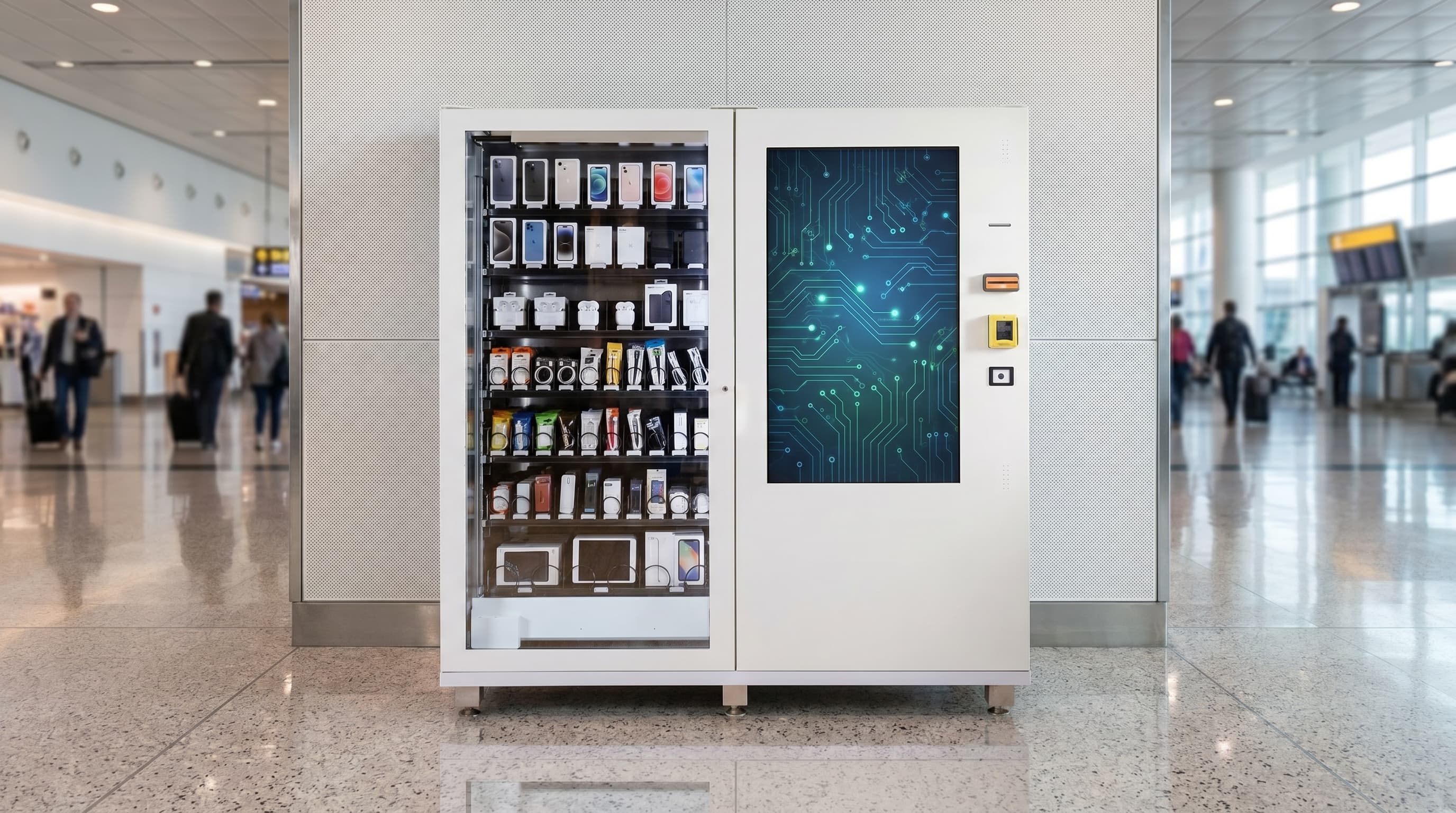
A smart touchscreen vending machine for electronics is a high-spec automated retail unit engineered to merchandise, sell, and dispense fragile, high-value SKUs such as activated cell phones, tablets, headphones, smartwatches, chargers, and accessories without a sales associate standing nearby. That is why this category sits much closer to specialty retail than to ordinary snack vending, even if the cabinet happens to share the same broad family tree.
For buyers searching for high tech vending machines for sale, the important point is not that the machine has a screen and looks futuristic. It is that the format can support product education, secure storage, cashless payment, and a dispense workflow appropriate to electronics that are expensive, easy to steal, and not especially forgiving when dropped by a clumsy mechanism.
What makes an electronics vending machine different from a snack machine
The first difference is the dispense method. Boxed electronics and activated devices should not be entrusted to a snack spiral and a hopeful shrug. Serious electronics vending uses belt-driven trays, lockers, robotic retrieval, or hybrid pickup workflows designed around SKU dimensions, fragility, and value. The second difference is the interface. A touchscreen is not just decorative here; it carries product details, comparisons, upsells, payment, and sometimes activation or pickup-code logic.
The third difference is security. Operators need reinforced glass, internal cages or lockers, alarms, strong access control, and clear refund or recovery procedures if a transaction fails. A jammed snack is mildly annoying. A paid-for phone stuck behind glass becomes an immediate customer-service incident with a substantially different emotional temperature.
How smart touchscreen vending supports phones and tablets
Activated cell phones and tablets raise the bar further because the sale may involve provisioning, plan selection, barcode scans, or locker release logic after the customer completes payment. In some deployments, the touchscreen walks the buyer through device selection and pickup, while activation or SIM steps happen immediately before or after dispense. In others, the machine focuses on preconfigured devices and accessories with a tighter, faster purchase flow.
The practical lesson is that the product mix should fit the venue and support model. Chargers, earbuds, adapters, and travel electronics are often easier to run than a machine full of fully provisioned flagship phones. The higher the ticket value and support complexity, the more disciplined the workflow has to become.
What payment, control, and telemetry layers matter
Under the hood, the machine still benefits from recognised vending architecture such as MDB for communication with cashless readers and peripherals. Audit visibility through DEX-style telemetry or an equivalent platform matters because operators need event-level records for sales, faults, access events, and reconciliation. A cloud layer should surface stockouts, stuck pickups, payment issues, and door-open events in near real time.
Cashless acceptance is baseline. Buyers expect contactless cards, NFC mobile wallets, and in some contexts QR-based payment. Centralized refund handling matters as much as the sale itself because the operator needs a clean way to resolve the rare but inevitable transaction that goes wrong.
Where high-tech vending machines sell best
Strong venues tend to be airports, transit hubs, premium hotels, college campuses, hospitals, large office environments, and selected retail floors where convenience, urgency, and extended hours matter. Airport and travel environments are especially strong because buyers often need a replacement charger, headphones, tablet, or even a phone at exactly the moment when waiting for a conventional store feels deeply inconvenient.
That does not mean every venue should sell every device. Operators should match SKU value, theft risk, support expectations, and dwell time to the location. A touchscreen electronics vending programme works when it solves an urgent access problem, not when it merely tries to look clever in a lobby.
What operators should prove before scaling
Before expanding, operators should validate secure storage, dispense reliability, customer comprehension, payment success rates, refund handling, and the actual demand for the selected device mix. High ticket value does not magically excuse poor execution. If the machine confuses buyers, mishandles stock, or turns support into a circus, the premium category can become an expensive lesson rather quickly.
The best high-tech vending machines are not just visually modern. They are operationally disciplined, commercially literate, and built to treat electronics as high-value retail, not as premium snacks with a brighter interface.
Planning a high-tech vending machine for electronics or travel retail?
DMVI helps operators match touchscreen hardware, secure pickup workflows, payments, and telemetry so electronics vending works as a real retail channel instead of a glossy experiment.