Bespoke Experiential Vending Machines: How Custom Activations Actually Work
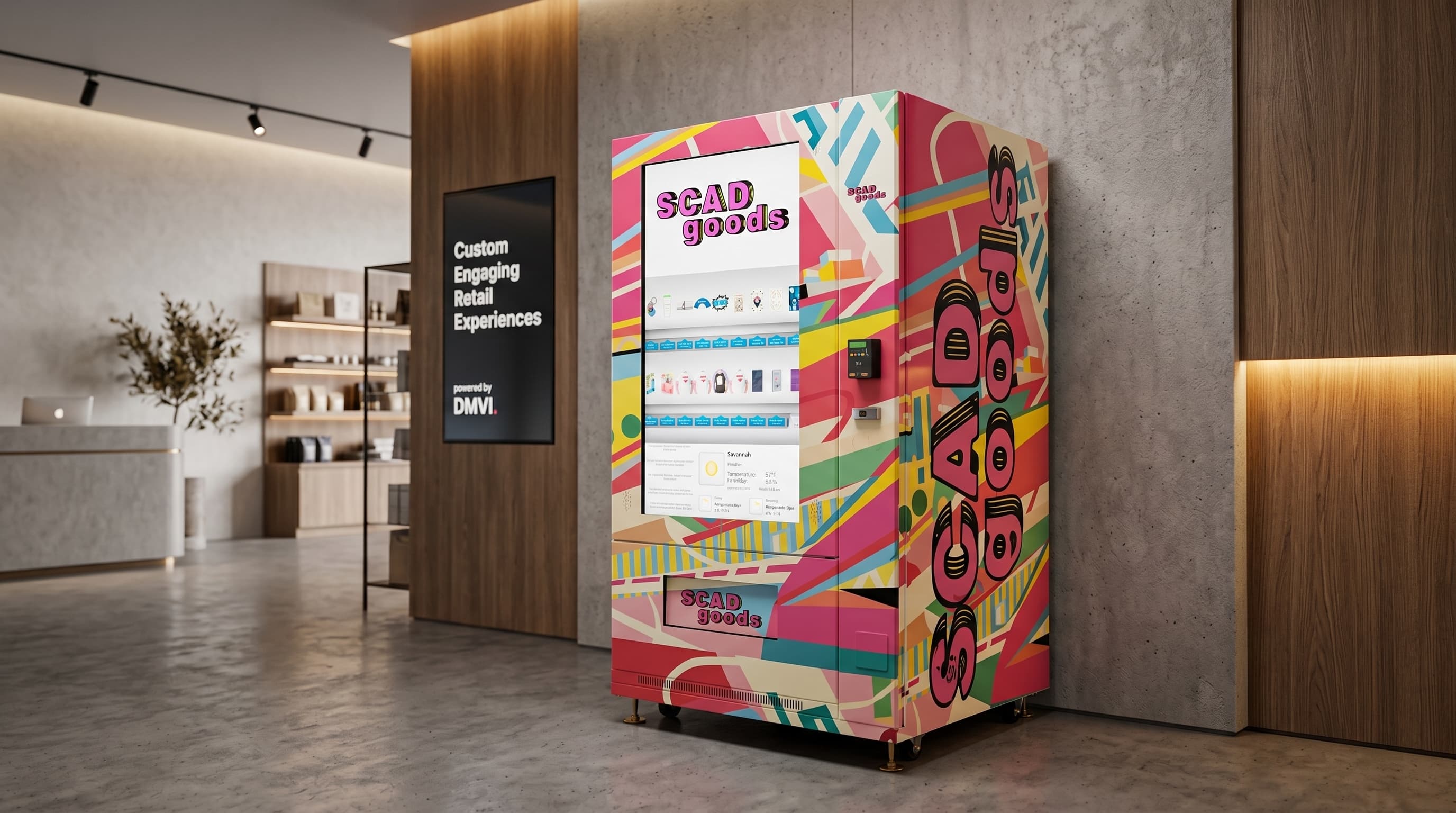
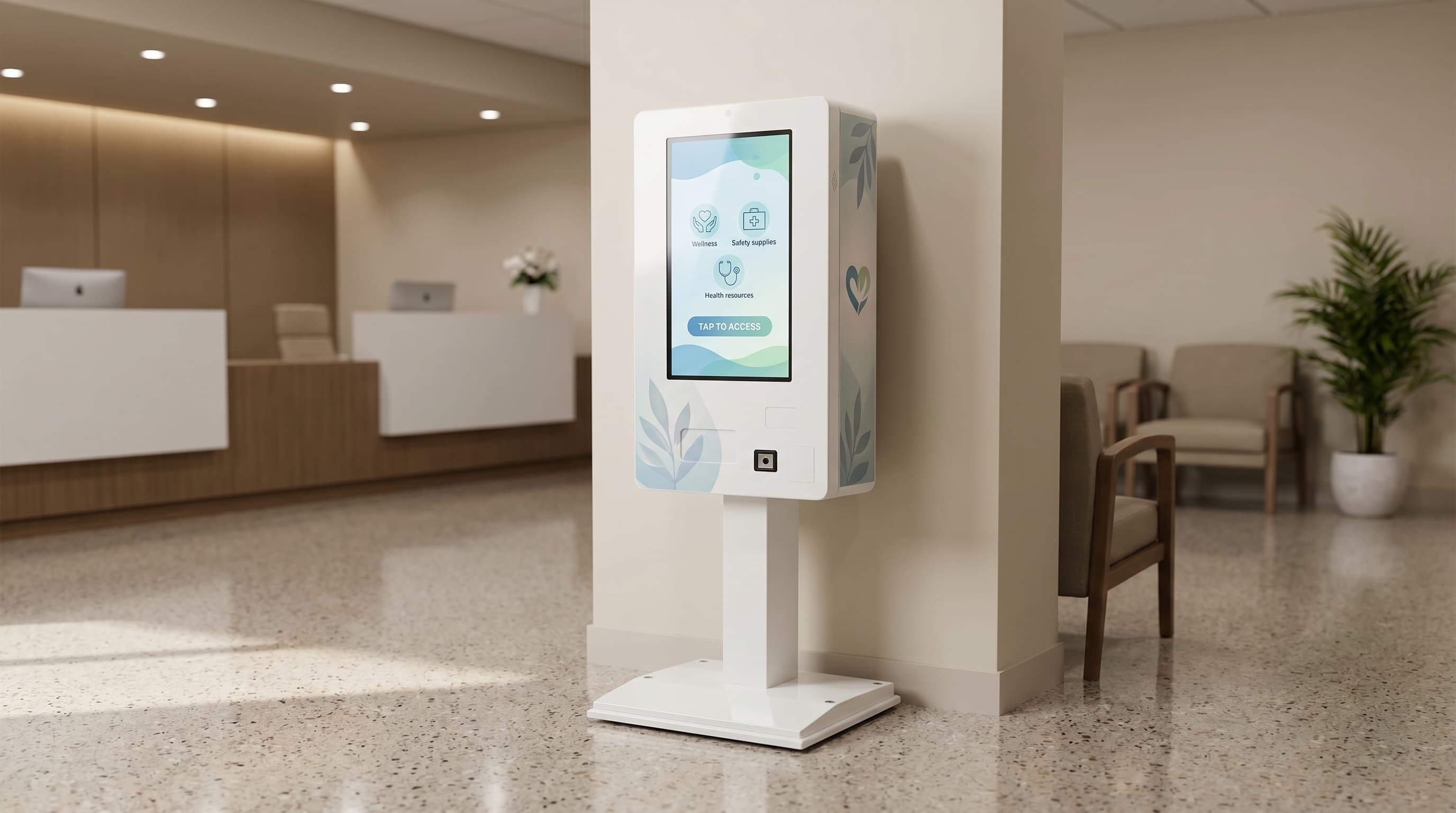
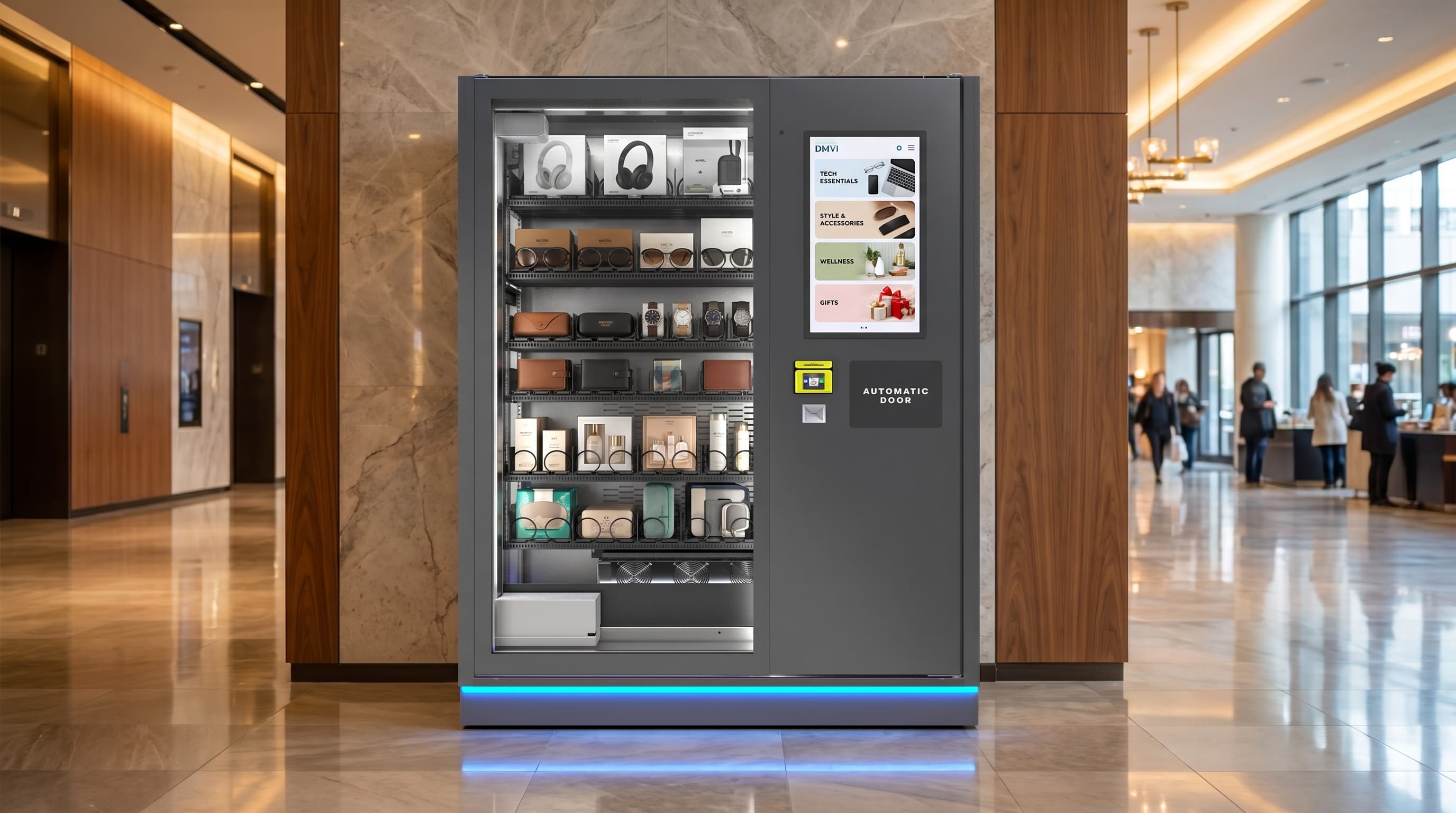
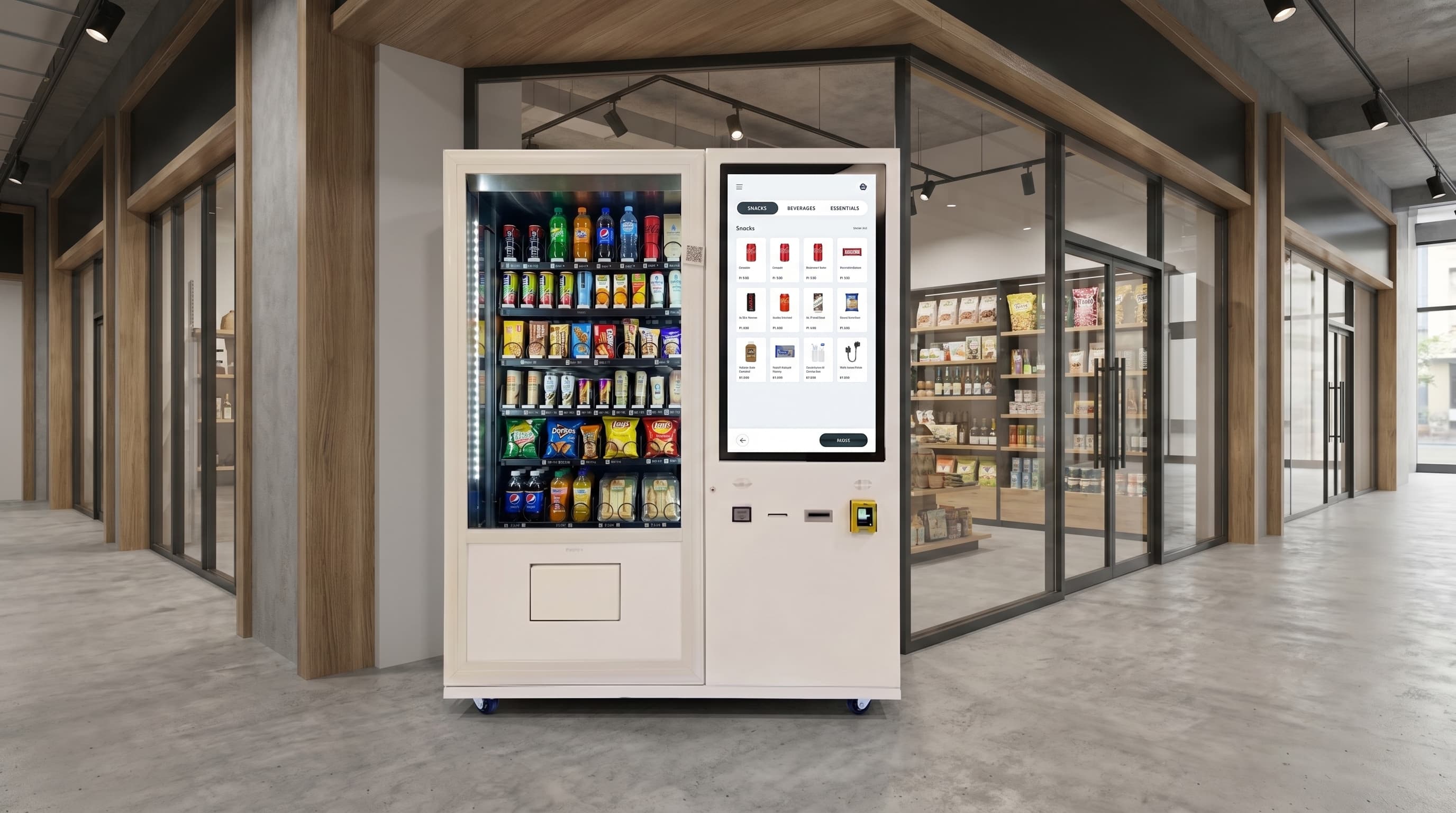
An experiential vending machine is a bespoke automated retail unit built for brand activations, events, and pop-up retail, where the machine itself is part of the campaign rather than a silent back-of-house dispenser. The cabinet, the screen flow, the lighting, the branding, and sometimes even the redemption mechanic are all designed to create attention, participation, and measurable content output.
That makes this category different from ordinary route vending. A conventional machine is built to sell reliably with minimal friction. An experiential machine is built to stop people, pull them in, and create a branded moment without losing operational discipline underneath. When it works, the unit functions as both a product dispenser and a media asset.
This is where custom fabrication, smart vending hardware, and event production all collide.
What makes a bespoke vending machine experiential
A customizable vending machine can be as simple as a re-skinned cabinet with a branded wrap and a tuned product mix. An experiential vending machine goes further. The full interaction is designed to the campaign brief: on-screen prompts, game logic, sound, lighting, dispense choreography, lead capture, redemption rules, and the physical silhouette of the machine itself.
That is why the operator should brief the project like a campaign owner, not like a facilities buyer ordering a stock chassis. Audience flow, dwell time, venue power, connectivity, refill cadence, payment logic, teardown constraints, and content goals all matter before anyone starts arguing about colours.
Custom fabrication is the visible layer, not the whole stack
Most of the public conversation about bespoke vending machines fixates on the theatrical part: strange shapes, oversized doors, gamified screens, or units that hand out products in exchange for a tweet, a dance move, or a social interaction. That is real, but it is only the outer layer.
Underneath, the machine still needs the boring grown-up systems that make it work in the field: stable dispense hardware, an MDB-connected payment stack when the activation is paid, QR or NFC flows where speed matters, DEX-style audit and stock reporting, and a controller that can recover cleanly after 400 half-drunk event attendees have hammered the UI in one afternoon.
DMVI's custom vending machine design work is strongest when those two layers stay honest with each other — spectacle on the outside, operational reliability underneath.
How brands actually use experiential vending
Brands use custom vending activations for more than straight product sampling. The machine can be the front door to a wider campaign: gated giveaways, fan engagement, paid merchandise drops, conference lead capture, branded hospitality moments, or limited-time pop-up retail that needs to look more interesting than a folding table and a card reader.
The best use cases usually share three traits. First, the product is visually legible and easy to redeem. Second, the interaction is intuitive enough that a passer-by understands it in seconds. Third, the moment is worth photographing or filming, because content output is often a major part of the ROI.
If the machine is clever but slow, the queue becomes the story. If it is weird but not obviously branded, the campaign spends money to entertain people for someone else's benefit. Good experiential vending avoids both mistakes.
Payment, redemption, and telemetry still matter
Not every activation is free. Some are product sales in a theatrical wrapper, and some are hybrid models with a paid flow plus a promotional mechanic. Paid activations usually support tap-to-pay cards, NFC wallets such as Apple Pay, and sometimes QR code payment through a standard cashless stack. Free redemption activations still need inventory control and dispense logging so the brand knows what happened and when.
Connectivity is usually cellular because event Wi-Fi is famously unreliable. Telemetry matters because the operator needs to know stock levels, door events, dispense counts, and faults without babysitting the cabinet every second. A machine that looks brilliant but cannot be reconciled cleanly after the event is just a very expensive prop.
How experiential vending is measured for ROI
Activation vending lives or dies on measurable engagement, not just gross sales. The useful numbers are dwell time at the unit, redemption or transaction rate, content output, lead capture where relevant, and downstream sales or awareness lift attributable to the campaign. Unit margin matters, but it is rarely the whole story.
That is why a bespoke activation machine can be commercially rational even when a plain route machine would look cheaper on paper. The comparison is not always against ordinary vending. It is often against a staffed activation, a sampling booth, or some other live campaign format that costs more per engaged customer and scales less cleanly over a multi-day event.
What operators should validate before rollout
Throughput matters. A machine that takes too long to use will create queues in the wrong places and frustrate the venue. Refill logic matters. A product that sells quickly but is awkward to reload can wreck an activation day. Reliability matters because event windows are short and unforgiving. And the user journey matters because nobody reads a manual while standing in a crowded concourse.
The cleanest builds are usually the ones where the interaction is simple, the branding is unmistakable, and the cabinet still behaves like a disciplined piece of vending equipment under the theatre.
If you want the wider custom-and-smart framing around this category, pair this page with DMVI's healthy, custom, and smart vending guide and the core smart vending machines page.
Scoping a custom activation or event vending build?
DMVI can help you match the cabinet format, redemption flow, payment stack, and campaign goals so the machine delivers more than a clever headline.