Healthy, Custom, and Smart Vending Machines: How Operators Should Actually Frame the Category
A smart vending machine is an internet-connected retail unit with a cashless payment stack, touchscreen merchandising, and cloud telemetry that lets the operator change prices, monitor stock, and review audit data without visiting the site. Healthy, custom, and smart are not three unrelated machine categories. They are three overlapping ways to specify the same retail program, and operators who confuse them often buy more hardware than the venue actually needs.
Healthy vending sits at the assortment layer. Custom vending sits at the chassis, merchandising, and branding layer. Smart vending sits at the controller, payment, and software layer. The practical order of operations is simple: decide the SKU strategy first, choose the cabinet around that assortment, then add the smart features that will genuinely improve route economics, visibility, or customer conversion.
This guide lays out how those layers fit together and where operators tend to get the framing wrong.
What a smart vending machine actually adds
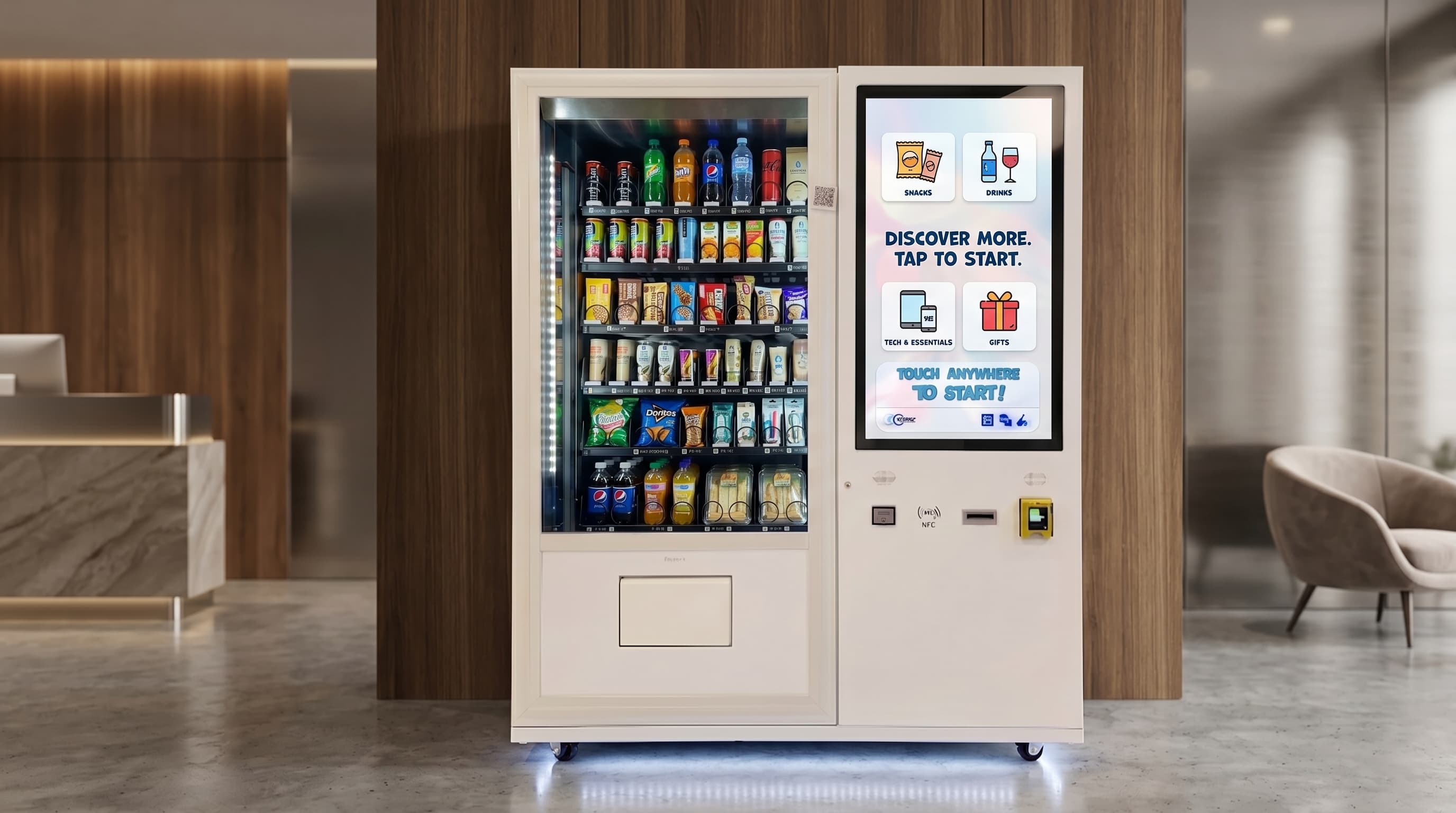
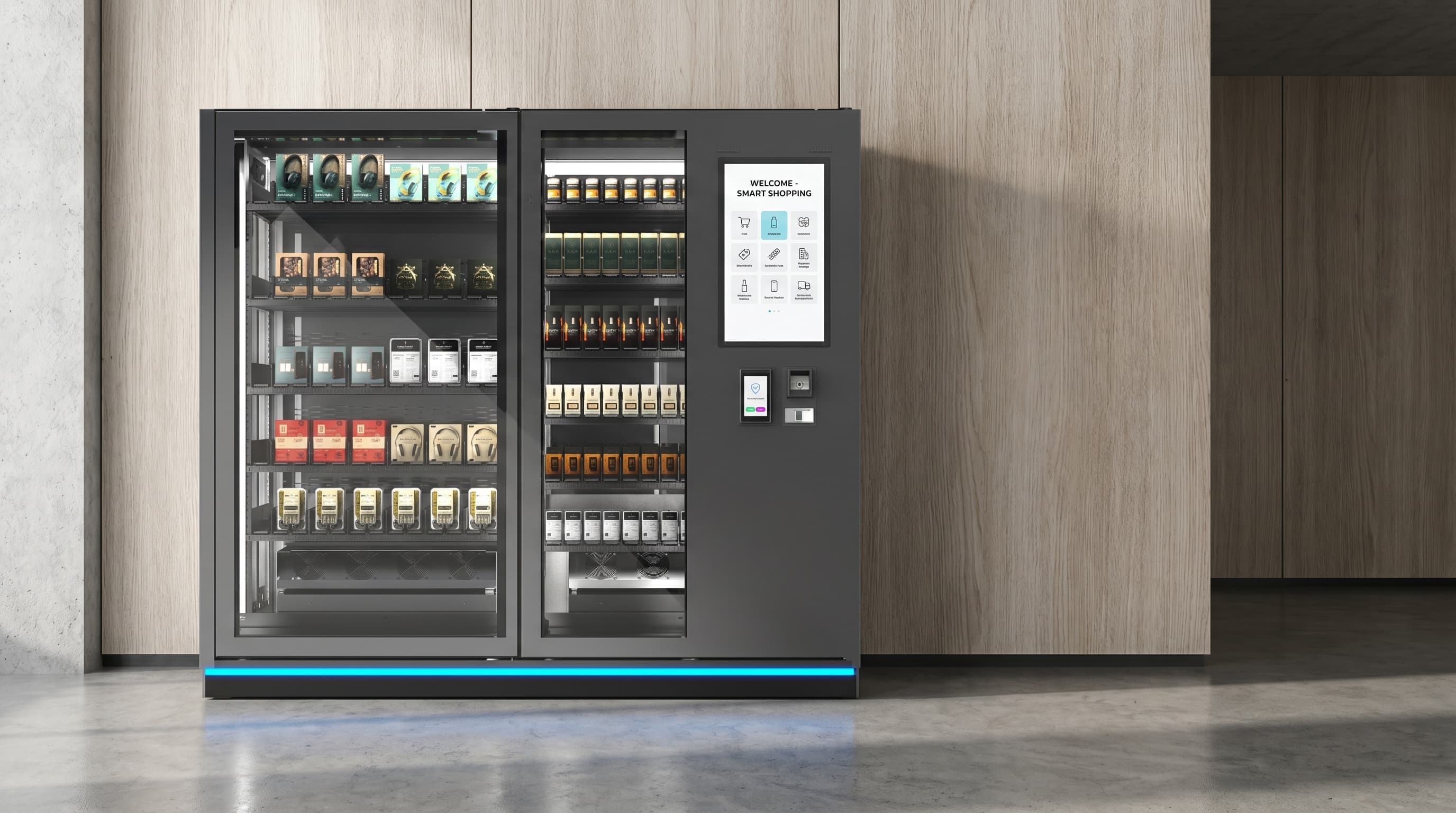
Smart vending is not just a machine with a card reader glued to the front. The meaningful stack usually includes an MDB-connected cashless reader, a touchscreen or digital merchandising surface, remote pricing and planogram control, and cloud reporting that exposes sales, faults, and stockout risk cabinet by cabinet.
That software layer matters because it changes how the route is run. Operators can push price changes remotely, monitor live sell-through, spot dead SKUs before the next service visit, and reconcile card activity without playing archaeological games with machine cashboxes. For multi-site fleets, that is the difference between managing by guesswork and managing by data.
DMVI's smart vending machines are built around that same operator logic: hardware first, then a payment and telemetry stack that makes the machine easier to manage and easier to merchandise.
Healthy vending is an assortment decision, not a magical machine type
Healthy vending does not begin with a special cabinet. It begins with the SKU mix. Low-sugar drinks, sub-200-calorie snacks, supplements, protein bars, better-for-you confectionery, and refrigerated grab-and-go items can all sit inside a conventional or smart vending chassis if the operator actually respects shelf-life, temperature handling, and velocity.
That is the part people romanticise and then promptly ignore. A healthy planogram with poor rotation becomes a shrinkage project wearing a wellness badge. Refrigerated items need disciplined FIFO handling. Slow-moving premium snacks need honest demand testing. If the location does not support the assortment, the word healthy does not rescue the economics.
The correct question is not whether the venue likes the idea of healthy vending. It is whether the venue has enough throughput, price tolerance, and repeat demand for a curated assortment to turn at acceptable gross margin.
Custom vending sits at the chassis and presentation layer
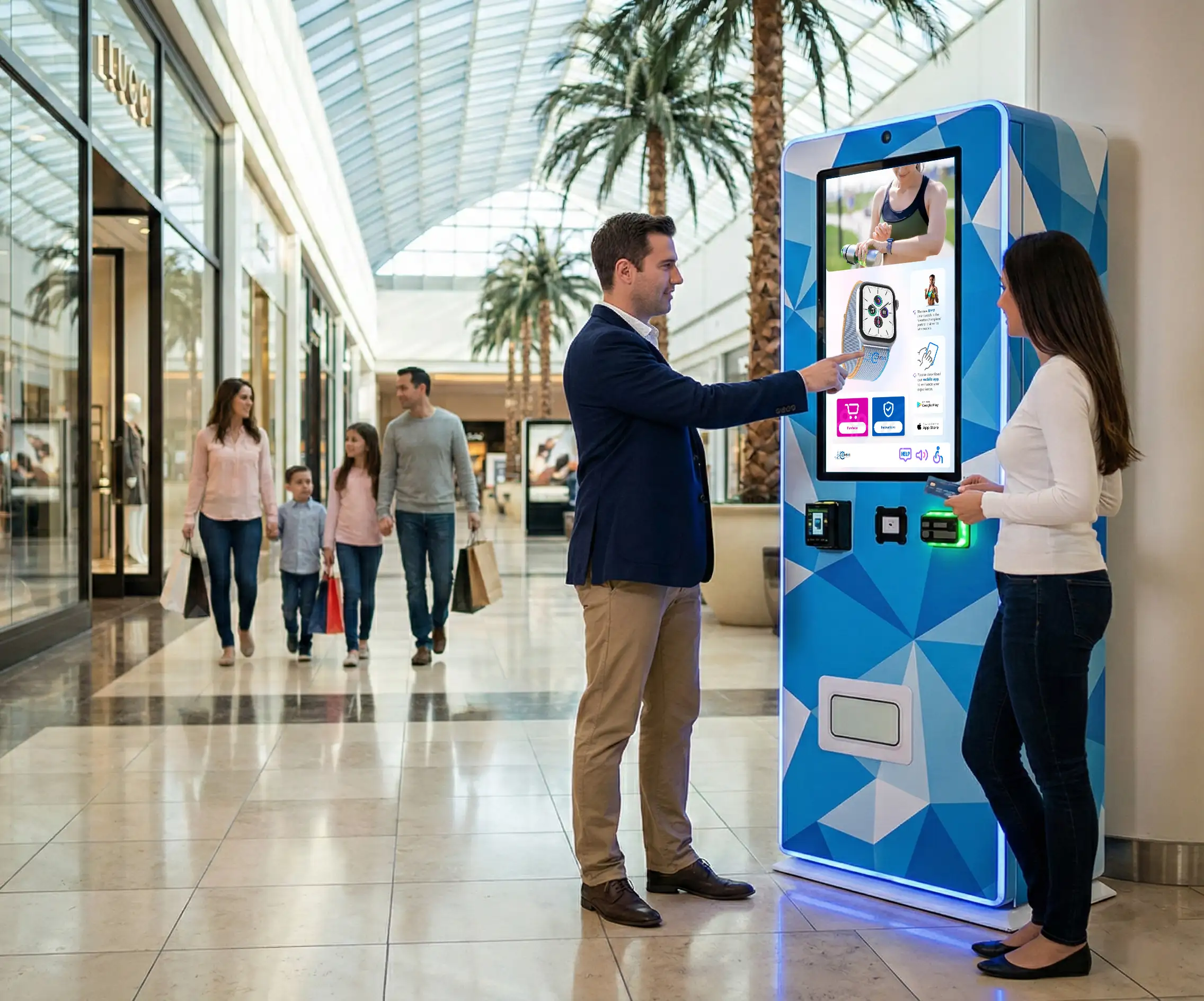
A custom vending machine is specified around the physical reality of the program: SKU dimensions, product fragility, merchandising goals, venue footprint, branding requirements, and service conditions. Sometimes that means a different spiral layout. Sometimes it means lockers, larger trays, a premium enclosure, or a machine wrapped to feel like part of the environment rather than a generic break-room appliance.
Custom does not automatically mean complicated. It means the cabinet is being matched to the program instead of forcing the program to fit whatever standard machine happened to be on a price sheet. DMVI's custom vending machine design work usually starts with assortment and venue fit, then moves into cabinet layout, branding, screen content, and service implications.
How healthy, custom, and smart overlap in the real world
Most worthwhile deployments combine at least two of the three layers.
- Healthy + smart: better-for-you snacks or refrigerated items paired with live telemetry, stock alerts, and price control.
- Custom + smart: a branded cabinet with touchscreen UI and a cashless stack for a venue that wants both design control and operational visibility.
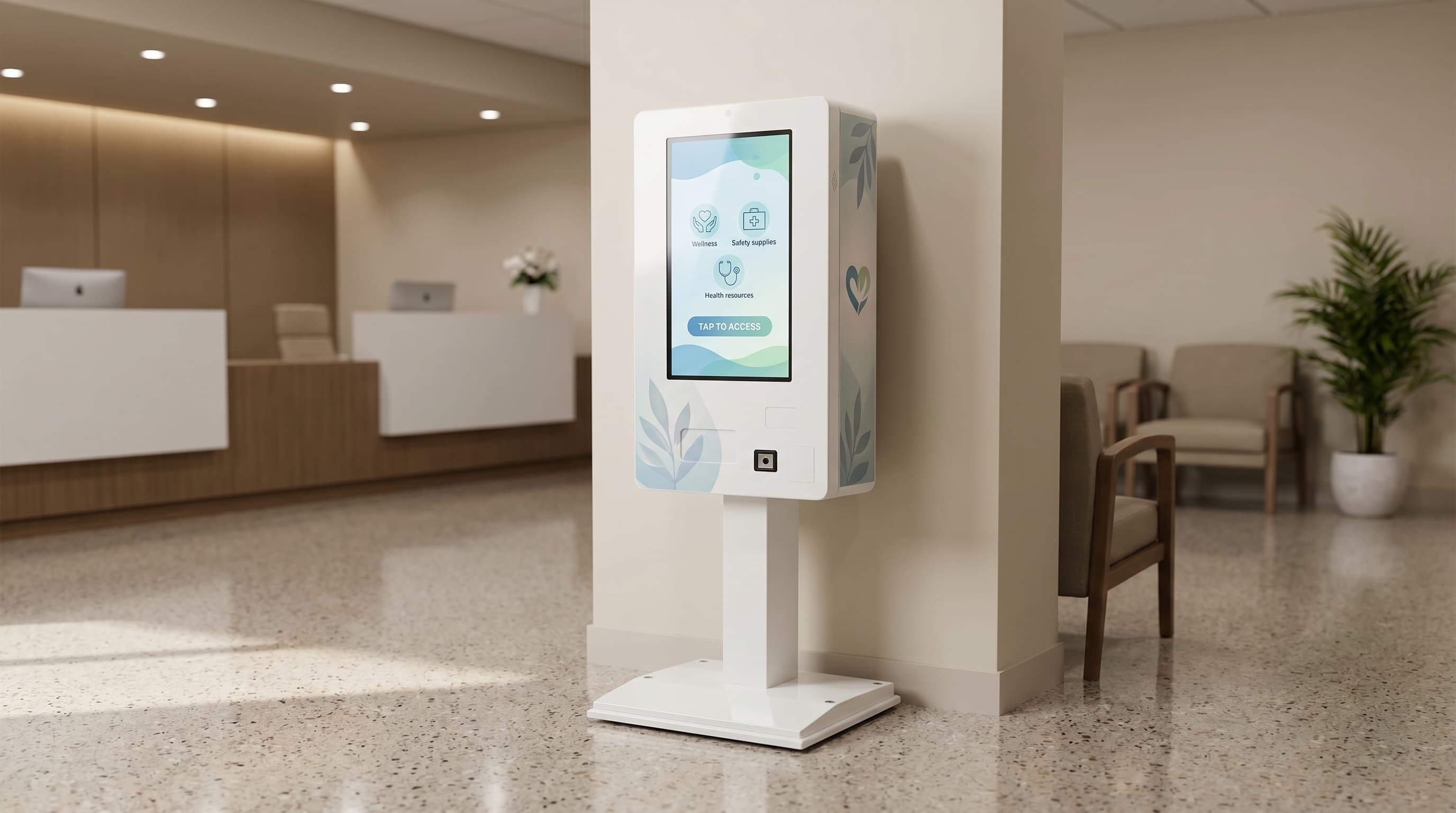
- Healthy + custom + smart: a curated wellness program where the assortment, the machine presentation, and the reporting layer all need to work together.
The trap is treating every project as if it needs all three from day one. Some venues need a clean smart vending deployment with a modest assortment refresh. Some need a custom cabinet because the products or the environment demand it. Some genuinely warrant the full layered approach. The operator's job is to sequence the investment instead of falling in love with a slogan.
What payment and telemetry actually do for the operator
Cashless payment, NFC wallets, QR flows, and cloud telemetry are not decoration. They expand addressable demand, reduce friction, and make the machine legible from a distance. With connected reporting, the operator can see stockouts, reconcile revenue, review machine faults, and plan service routes around real demand instead of fixed weekly superstition.
That is especially important when the assortment is more sensitive than a commodity snack route. Healthy programs and premium custom programs both rely on tighter curation than a generic chips-and-soda fleet. When the machine is connected, the operator can actually manage that complexity instead of hoping the site somehow sorts itself out.
How to specify the right program without overspending
Start with venue economics. Who is buying, how often, at what price band, and from what dwell-time context? Then specify the assortment that genuinely fits that location. Only after that should the cabinet format be locked. Once the physical program is sound, add the smart features that will pay for themselves in better conversion, better route efficiency, or better reporting.
If you reverse that order, you end up with an expensive machine searching for a business model. If you do it properly, you get a vending program that can scale because the hardware, the assortment, and the software were chosen in the right sequence.
If you want the wider connected-retail context, DMVI's AI vending machines page is a useful next read after this category overview.
Planning a healthy, custom, or smart vending rollout?
DMVI can help you match the right assortment, cabinet format, and telemetry stack so the machine fits the venue instead of becoming an expensive science project.