Automated Retail Vending Machines: What the Category Unlocks Beyond Snack and Soda
Automated retail is the unattended, machine-driven sale of physical goods through formats such as vending machines, smart fridges, locker kiosks, and dispensing cabinets. What makes it more than traditional vending is not simply that it looks newer. It is the combination of cashless payment, real-time reporting, better access control, and category-specific hardware that lets operators sell a much wider range of products than the classic snack-and-soda cabinet ever could.
That distinction matters because automated retail is often described so broadly that it becomes useless. The useful question is not whether automation sounds futuristic. It is whether a given machine setup can handle the SKU, venue, and operating model better than a staffed counter or a generic vending cabinet.
What automated retail unlocks that traditional vending often cannot
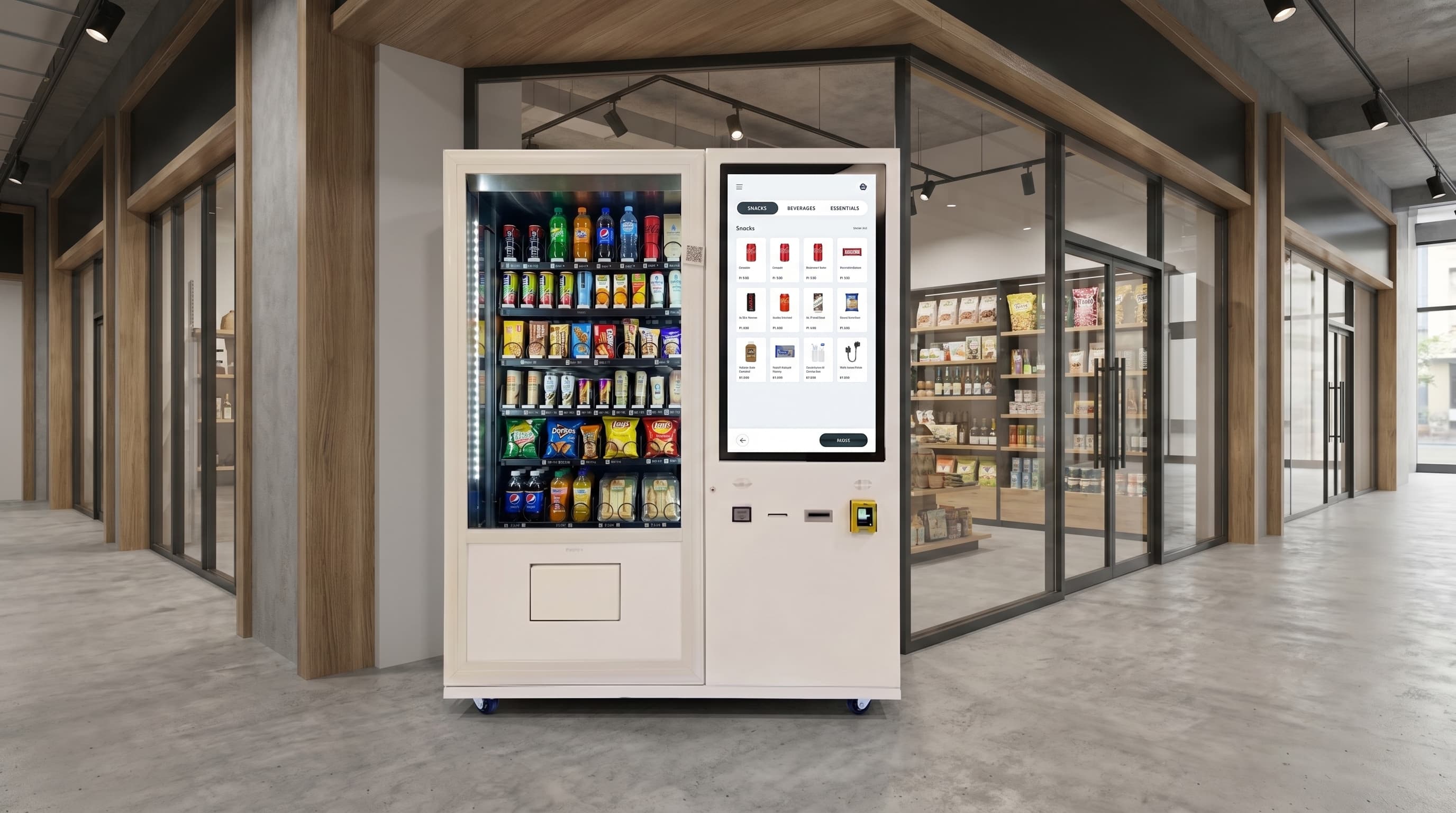
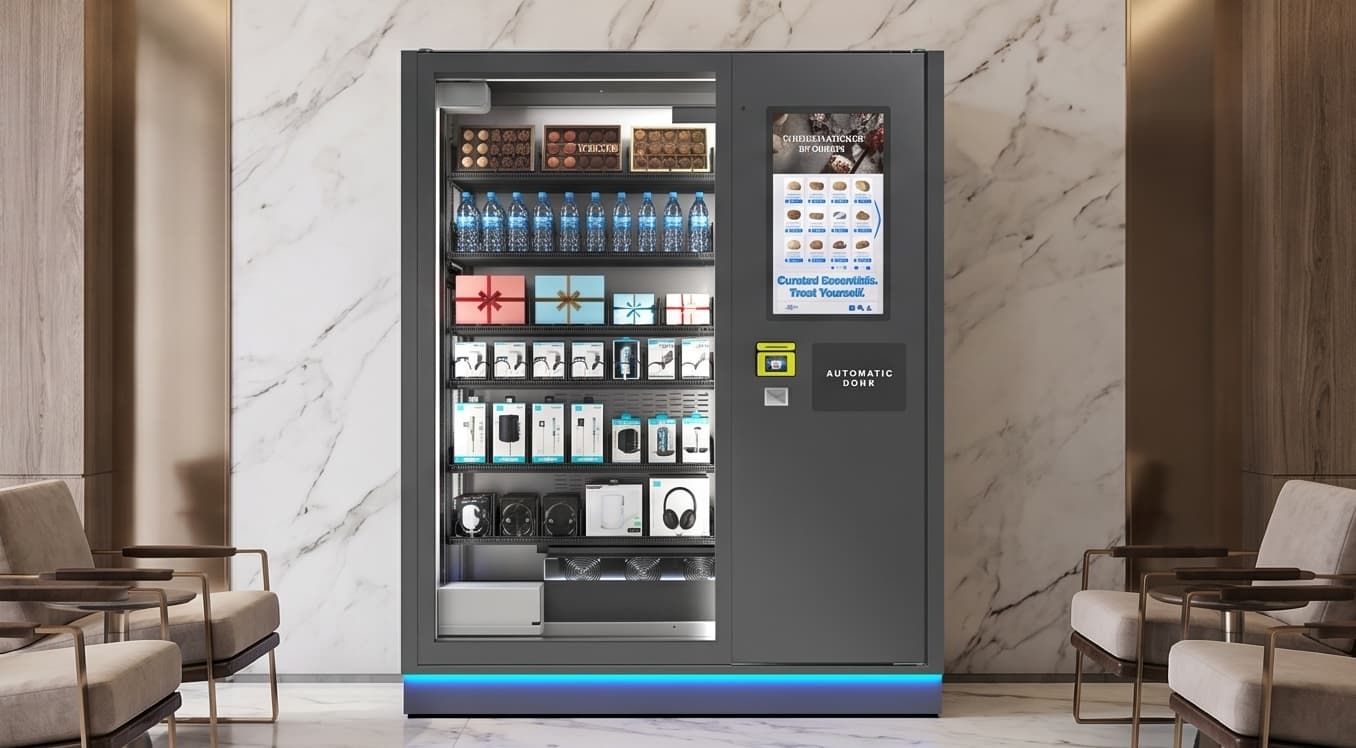
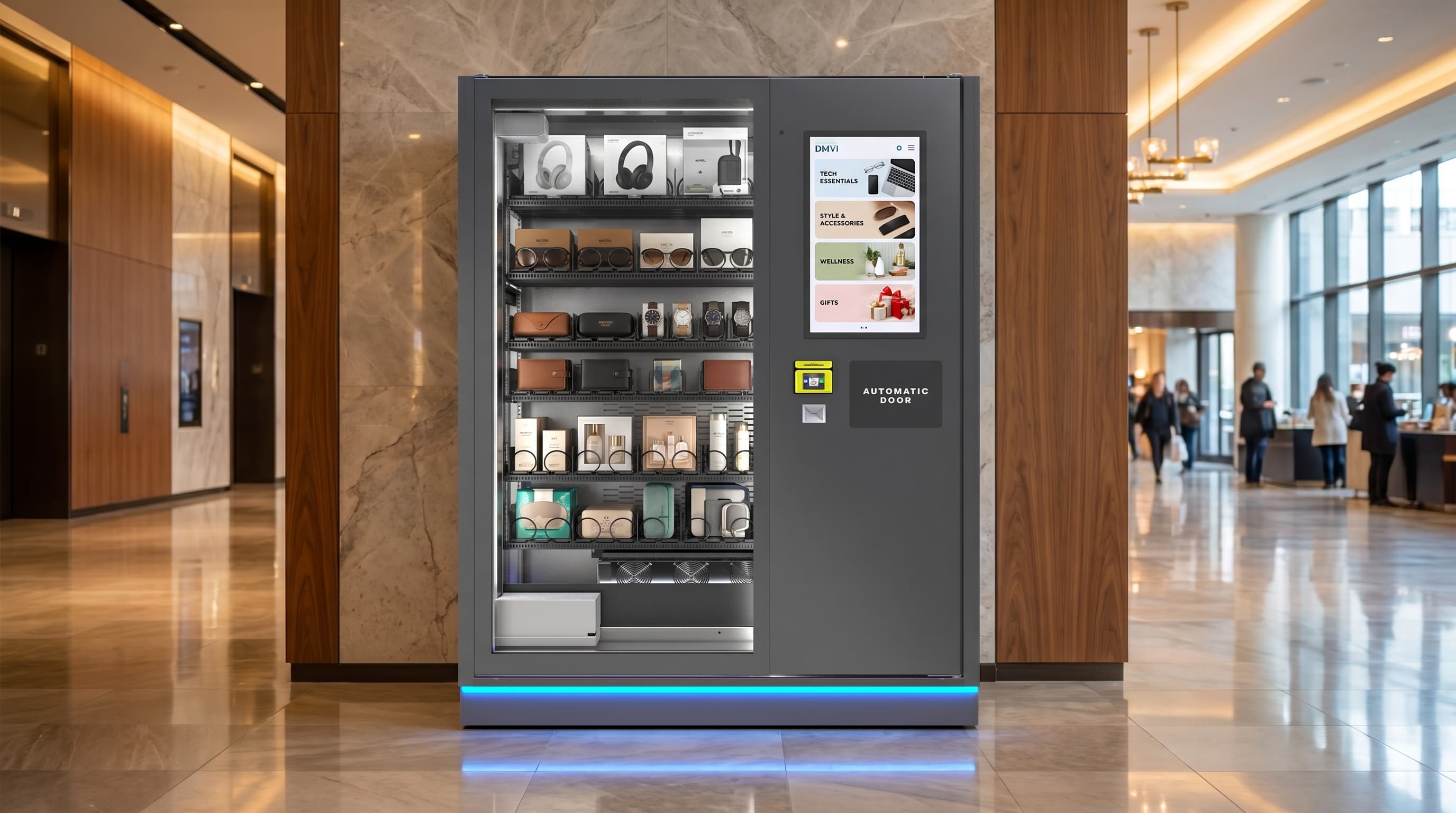
Traditional vending is strongest when the products are standardised, ambient, high-turn, and forgiving of basic coil dispensing. Automated retail expands the envelope. It can support lab supplies, PPE, electronics, beauty products, fresh food, chilled items, click-and-collect pickup, and other categories that need better inventory visibility, access control, temperature management, or product-specific delivery logic.
That is why the category shows up in places far beyond breakrooms and corridors. Universities, hospitals, workplaces, transport hubs, residential developments, and specialist retail environments can all use automated retail when the machine solves an actual availability or convenience problem. A lab-coat or PPE machine, for example, is not trying to be charming. It is trying to put the right item in the right person’s hands at the right time without requiring a staffed issue desk.
The core stack behind an automated retail machine
At an operator level, the stack usually includes cashless payment, connected reporting, and some form of product-control logic that fits the category. That may mean refrigerated storage, weight or sensor validation, locker-door release, or inventory verification linked to a cloud dashboard. Standards such as MDB and reporting layers such as DEX matter because they help the operator integrate payments and telemetry more coherently across machines and routes.
The point is not to worship the acronym soup. The point is that automated retail becomes commercially useful when the operator can see stock, monitor health, push changes remotely, and fit the machine to the product instead of asking every product to behave like a packet of crisps.
Three disciplines determine whether the category scales
First, planogram and product-envelope discipline. SKU dimensions, weight, fragility, and temperature requirements should drive machine selection. If the cabinet and dispense method do not suit the item, the operator will spend a delightful amount of money learning new swear words through service calls.
Second, real-time visibility. Operators need stock, sales, margin, and machine-health data that actually informs restocking and maintenance decisions. If the route team is still guessing what is low and what is broken, the machine may look modern while operating like an old blind route.
Third, compliance and access control where the category requires it. Age-gated products, staff-only inventory, licensed items, and regulated goods may require verification, access logging, or stronger policy controls. Public-space machines also need to be designed with accessibility and reach in mind rather than bolting that thought on later.
Where customisation becomes necessary
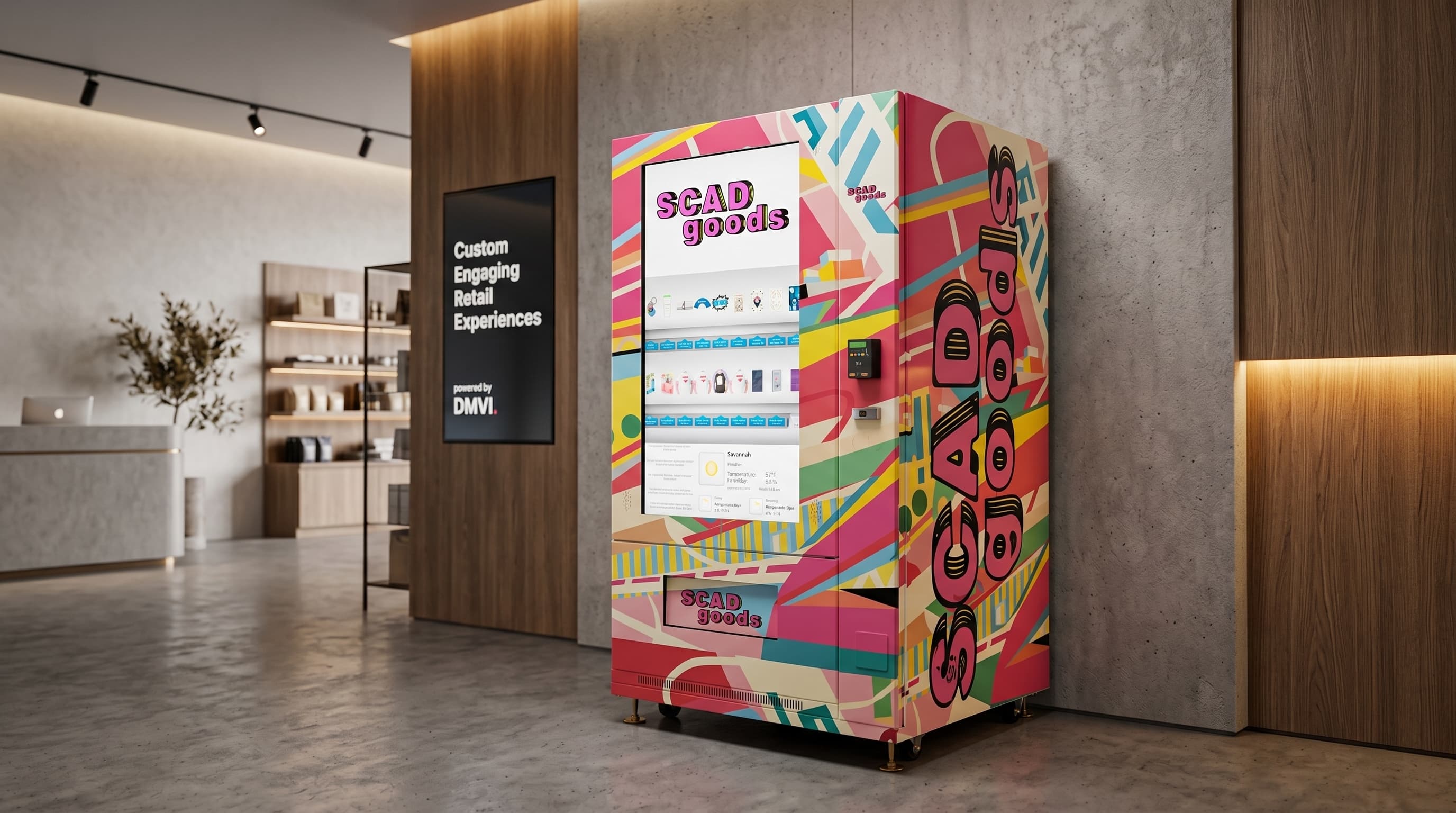
Not every automated retail machine needs to be fully custom, but many automated retail use cases do need more than an off-the-shelf snack cabinet. Product handling, branding, refrigeration, locker architecture, access workflows, and the customer journey may all need to be adapted around the category. That is where custom vending machine design becomes commercially relevant rather than merely decorative.
The smartest customisation is not theatrical. It is practical. It exists to make the machine fit the product, the environment, and the operator workflow better than a generic setup would.
What automated retail still cannot do well
The category is powerful, but it is not magical. Automated retail is weaker where customers need heavy education, extensive assisted selling, complex returns, or a broad tactile browsing experience. Some products still benefit from human help, and pretending otherwise usually creates a machine that is technically impressive and commercially awkward.
The strongest automated retail programs win because they exploit clear advantages: 24/7 access, controlled dispense, lower labour intensity, better stock visibility, and a machine format matched to the job. Where those advantages are marginal, staffed retail may still be the saner answer.
Exploring an automated retail concept beyond ordinary vending?
DMVI helps operators decide when automated retail needs a standard machine, a specialty format, or a custom build, and how the payment, telemetry, and product-handling stack should be matched to the category.