Vending Machine Dynamic Pricing: How It Works, Guardrails, and Venue Fit
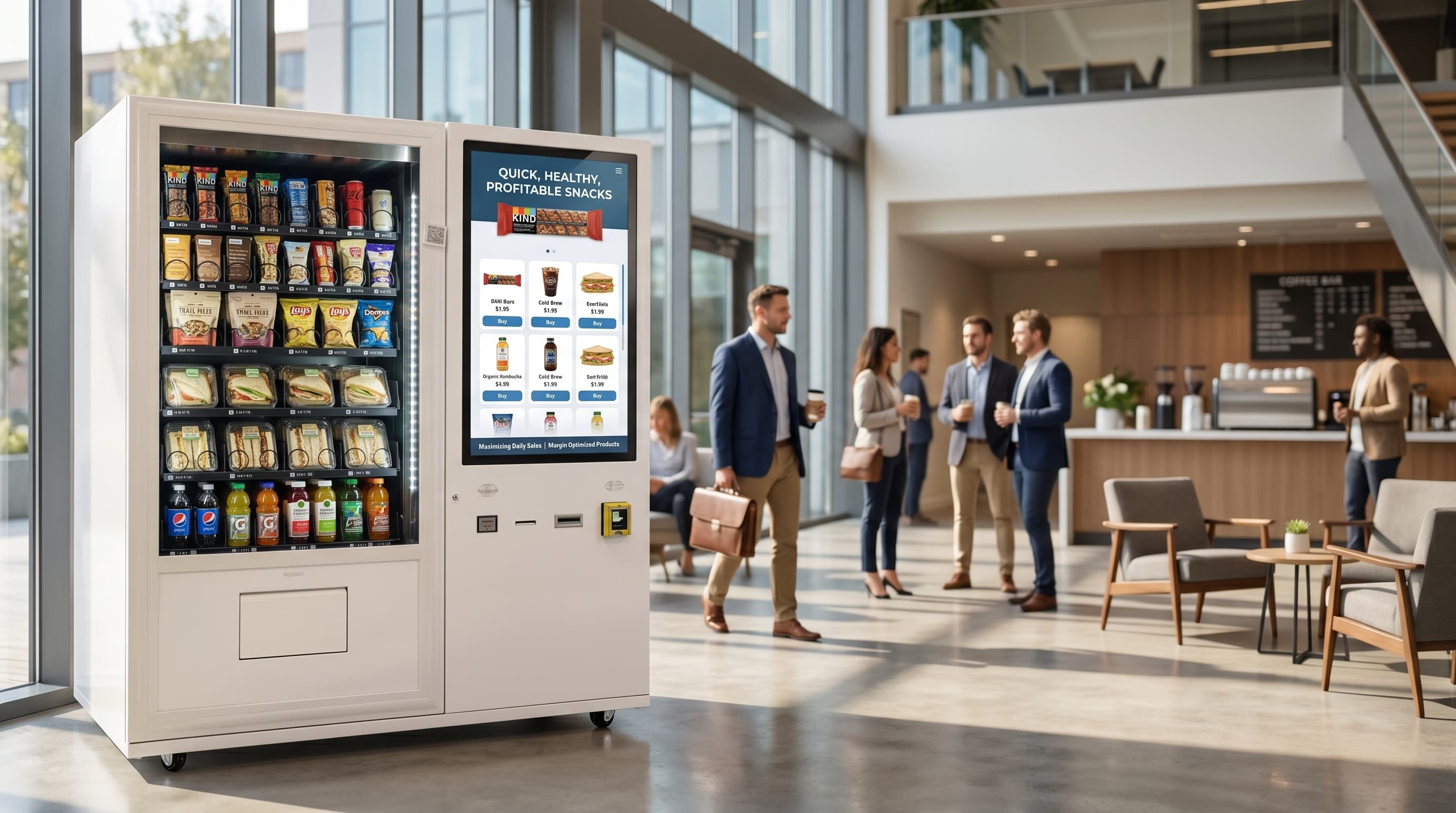
Vending machine dynamic pricing is the practice of changing shelf prices based on time, demand, inventory, or venue conditions instead of holding a single fixed price for the life of the planogram. On a cloud-connected machine, those price changes can be pushed remotely, which means the operator no longer has to visit the site with new labels just to test a pricing decision.
That capability is real, but so is the risk of using it badly. Dynamic pricing is one of those ideas that sounds irresistibly clever in a dashboard demo and becomes much less charming if customers feel ambushed, venue partners lose trust, or the machine starts behaving like a tiny airline fare engine beside the office break room.
What dynamic pricing actually means in vending
Several different pricing behaviours tend to get lumped together under the same label. Time-based pricing shifts prices by hour or day. Demand-based pricing responds to observed sell-through. Inventory-driven pricing discounts products nearing expiry or markdown-worthy stock. Event or venue pricing applies temporary premiums or discounts in environments such as concerts, stadiums, or travel-heavy sites. And the simplest version, remote price management, is just the ability to change prices from a dashboard without a physical service visit.
Those are not all equally risky. Inventory markdowns on fresh food are usually easier for customers to understand than mysterious price jumps on standard packaged items in a workplace machine. The operator’s job is not merely to prove the software can move a number. It is to choose the pricing mode that the venue and customer base can absorb without rolling their eyes or worse.
What hardware and software a machine needs
Dynamic pricing depends on connected hardware. The machine needs a management layer capable of receiving remote price updates, plus a price-display method that shows the current price clearly. Standards such as MDB still matter because the payment and machine-control layers have to work coherently with the connected platform. Telemetry is equally important, because without reliable event and sales data the operator is not running a pricing strategy so much as improvising with extra confidence.
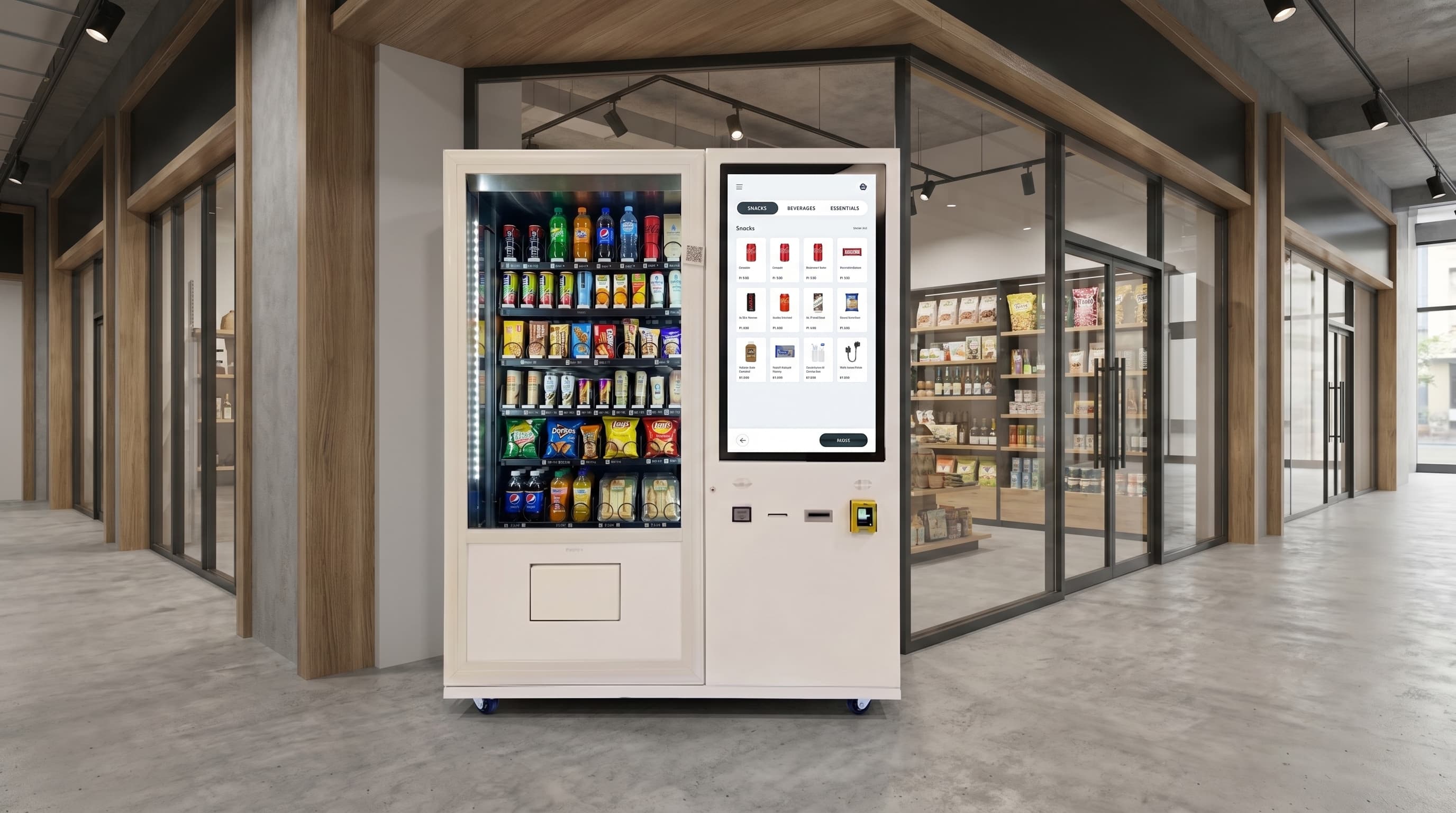
In practice, a touchscreen, LED label, or similar digital pricing surface makes the strategy far more defensible. Older machines with static printed labels can support remote cashless updates in limited ways, but true dynamic pricing is far cleaner when the customer can actually see the correct live price without ambiguity.
Where dynamic pricing makes commercial sense
The strongest use case is perishable or shrink-prone stock. Fresh food, salads, sandwiches, and other expiry-sensitive items can justify late-day markdowns because the alternative is waste. Event-driven or captive venues can also support flexible pricing, especially where demand spikes are predictable and variable pricing is already culturally normal.
Large multi-location operators also benefit from remote price management even when they are not doing anything terribly exotic. The ability to adjust prices across a route from a dashboard is genuinely useful. That alone may justify connected pricing infrastructure before an operator ever experiments with automatic rules.
Why guardrails matter more than the algorithm
Dynamic pricing should never feel deceptive. The displayed price must be accurate at the moment of purchase. Prices should not change during an active selection flow. Maximum and minimum price bounds should be defined per SKU. Emergency or outage periods are a dreadful time to get cute with pricing. And venue partners should understand what sort of pricing logic is in play before it goes live.
That is especially true in workplaces, schools, care settings, and other environments where customers expect stable prices and low drama. A stadium guest may shrug at premium event pricing. An office employee discovering that the oat bar costs more at 3:15 than it did at 3:05 is more likely to regard the machine as a smug little goblin.
What operators should prove before rolling it out broadly
They should prove that the venue tolerates the pricing logic, that the display layer communicates clearly, that the telemetry is reliable, and that the uplift or waste reduction justifies the complexity. Inventory-driven markdowns can be modelled against real spoilage data. Event premiums can be tested against actual sell-through. What should not happen is a fleet-wide rollout based on vague hopes that “AI pricing” will somehow rescue a mediocre planogram.
Dynamic pricing can be useful, but it is a margin tool with trust risk attached. Treated that way, it can be commercially sensible. Treated like magic, it usually becomes a small, self-inflicted reputational wound with a dashboard attached.
Considering dynamic pricing on a smart vending fleet?
DMVI helps operators weigh pricing flexibility against customer trust, venue expectations, and the telemetry discipline needed to make dynamic pricing worth the trouble.