Vape Vending Machine Business in Bars: Compliance, Age Verification, and Venue Setup
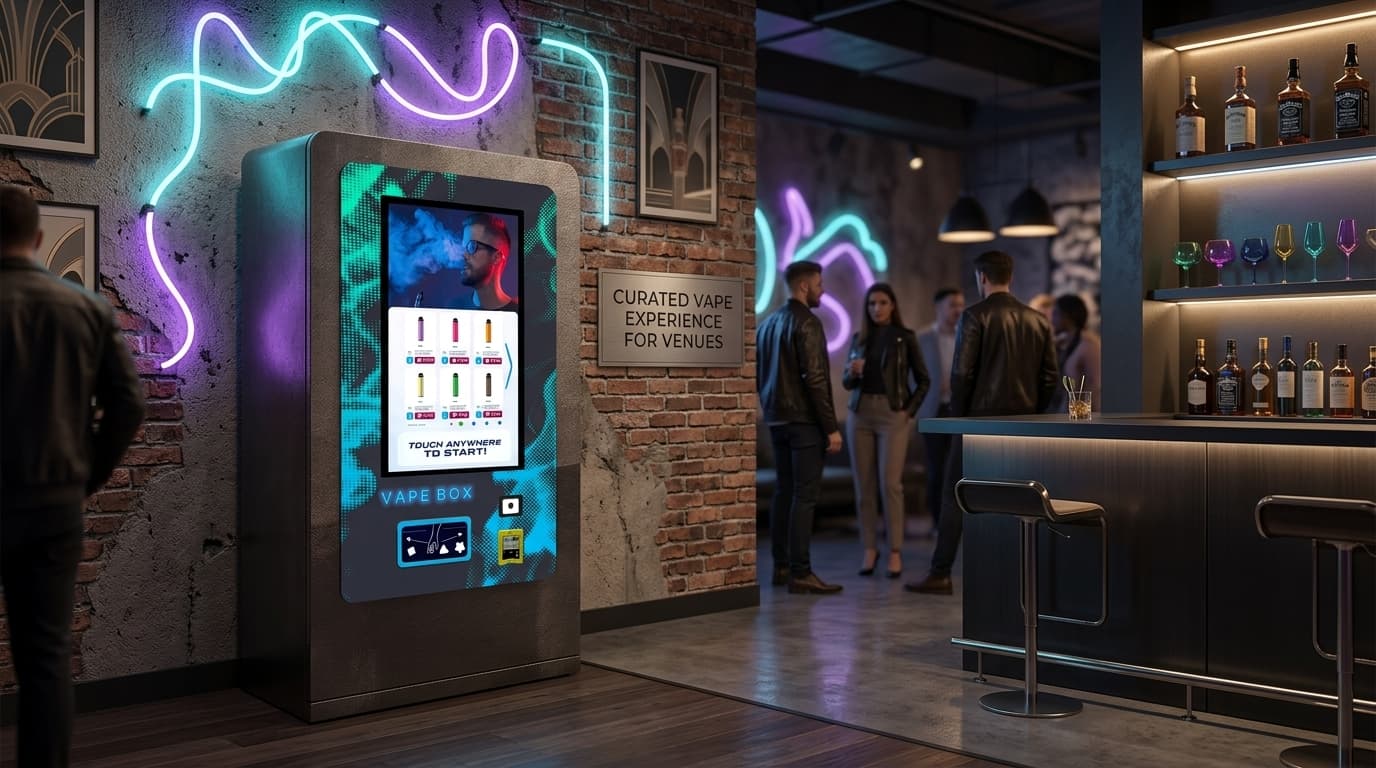
A vape vending machine program is a venue-deployed, age-restricted automated retail kiosk, often wall-mounted in a bar, casino, lounge, or nightlife venue, that sells legal nicotine products only after a customer passes an age and identity check before the machine releases the product. This is not a snack-vending idea wearing a more expensive shirt. It is a compliance, venue-licensing, and staff-workflow decision wrapped around hardware.
Compliance disclaimer. This page is operational guidance for vending operators, not legal advice. Federal, state, and local laws governing the sale of nicotine and vapor products vary widely and change frequently. Every operator should obtain an independent legal review for the specific jurisdiction and venue, and confirm venue licensing, product restrictions, and age-verification obligations before installing a machine.
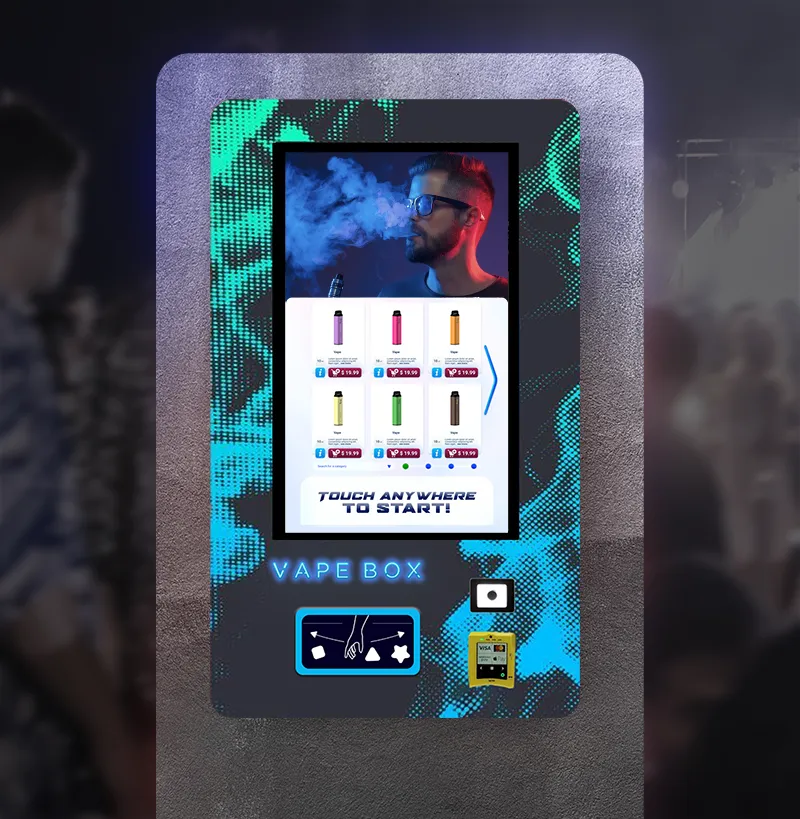
That is why the useful opening question is not “Which machine looks futuristic?” It is “What exactly are we allowed to sell here, to whom, under what supervision, and with what audit trail?” DMVI’s vape vending machines page covers the broader deployment model, while custom vending machine design costs helps frame the economics when the venue needs non-standard hardware or workflow logic.
Age verification is the whole program, not a feature bullet
Operators get themselves into trouble when they talk about age verification as though mentioning it once makes the project compliant. It does not. Age verification is the gate that decides whether the machine may sell at all. Practical implementations typically rely on an ID scan, often a driver’s licence barcode or chip read, with secondary logic or staff intervention for disputed cases. If the customer does not pass the check, the machine should not dispense. Full stop.
That is also why audit-ready logging matters. The age-verification system and the machine transaction layer should create a retained record that the operator and venue can review if a dispute, regulator question, or failed attempt needs explanation later.
Start with venue fit, licensing, and supervision
The strongest sites are adult venues where customers already expect quick, cashless convenience and where staff can still supervise the retail lane. Bars, casinos, lounges, clubs, and event venues are common examples. But even an attractive site can be wrong if the venue licence, local rules, or house policy make nicotine sales awkward or impermissible.
A weak deployment usually announces itself early: poor sightlines, no sensible oversight point, uncertain venue policy, or a product offer that does not belong in the customer flow. A machine cannot fix a venue logic problem. It merely automates it.
Wall-mounted hardware and anti-theft controls matter here
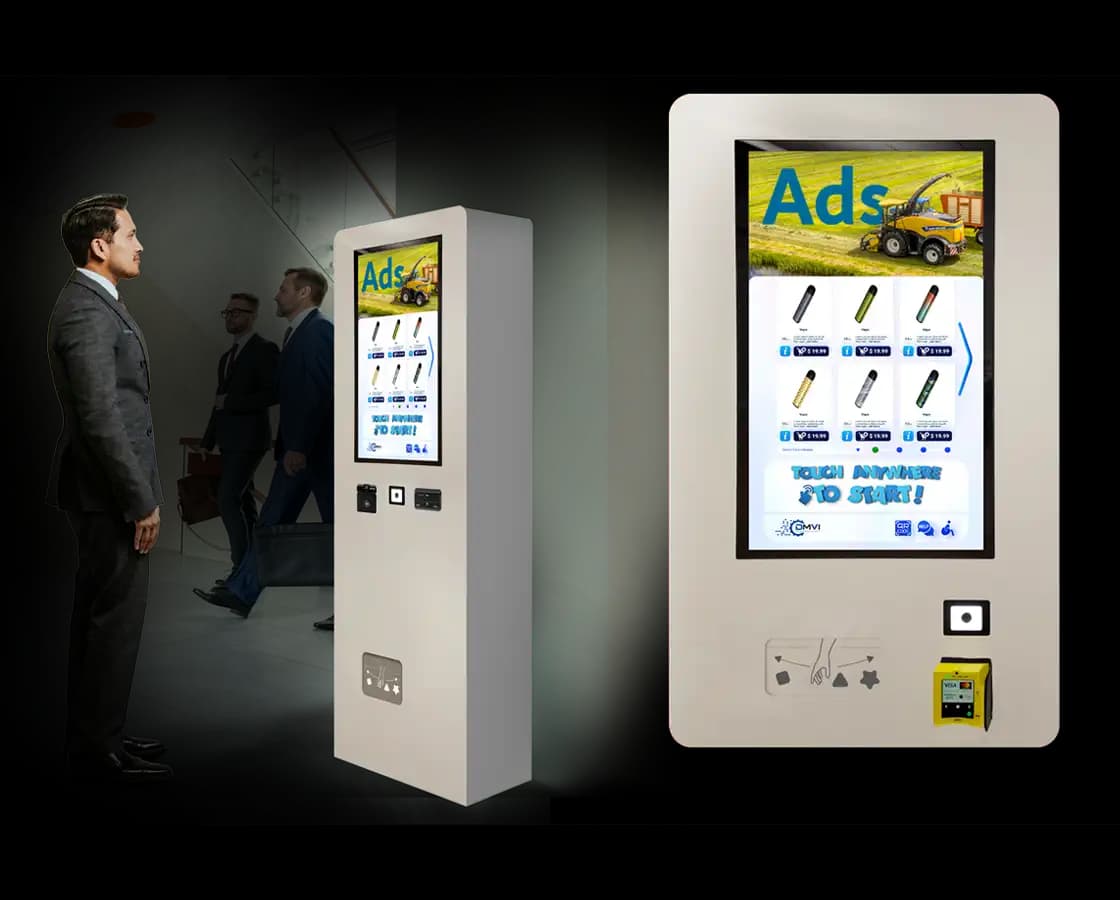
Vape vending often suits a compact or wall-mounted form factor because nightlife venues are tight on space and do not want a full retail cabinet parked in the middle of the room. But the hardware still needs to be treated as regulated, high-value retail equipment, not as a novelty box. Anchored mounting, reinforced fronts, secure access panels, and controlled refill procedures all matter more here than in standard snack deployments.
Cashless-first acceptance is usually the sensible default. It reduces friction for adult customers, gives the operator cleaner refund and dispute records, and fits the transaction values better than coins or notes ever will.
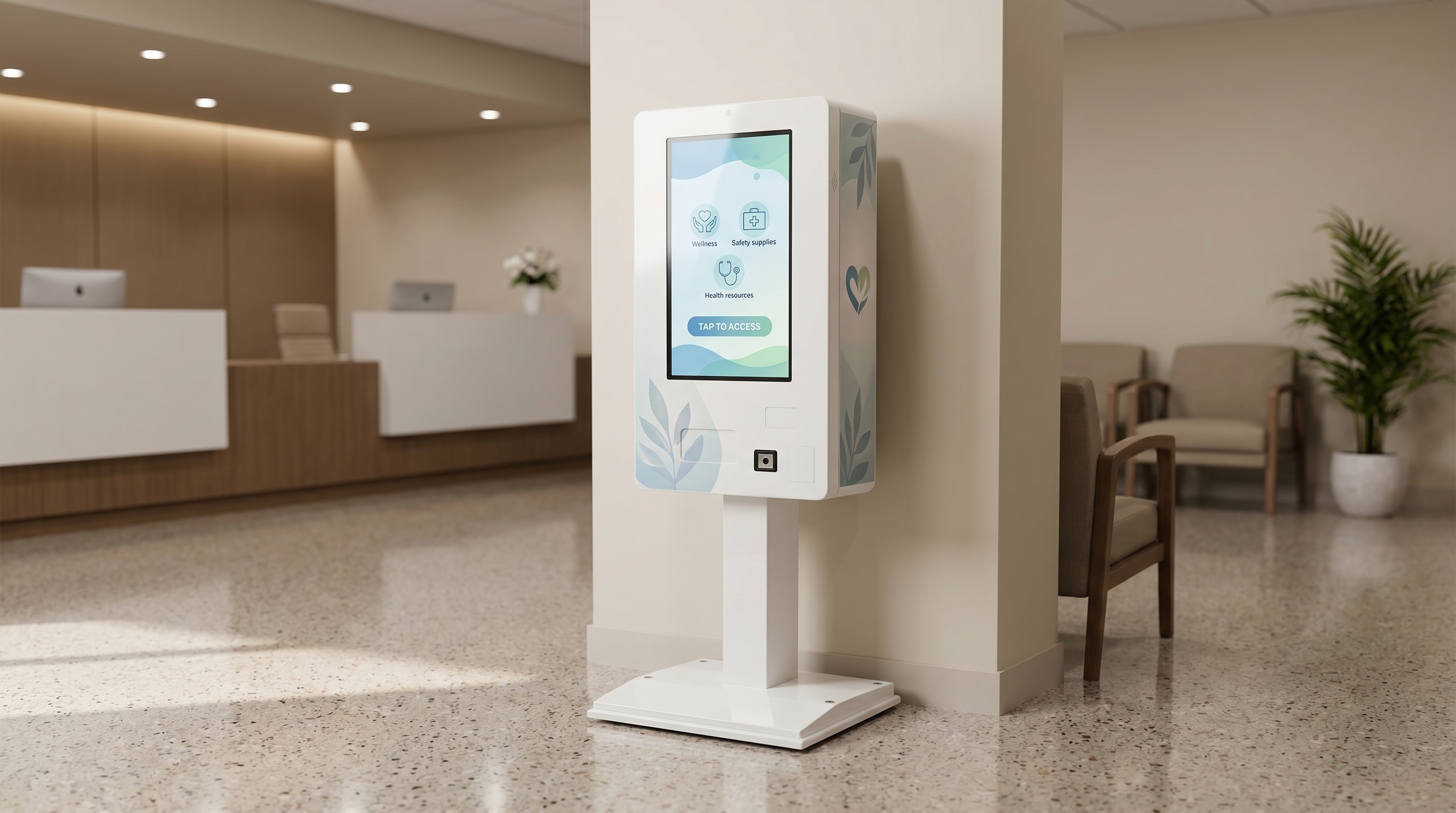
SKU selection must follow the legal review, not the wholesale catalogue
Product range is not just a merchandising question. Flavoured products, disposables, youth-appealing formats, and specific nicotine products may be restricted or prohibited depending on jurisdiction. Operators should decide the legal envelope first, then build an assortment that fits the venue and the machine. Doing it in the opposite order is a lovely way to discover that the most exciting SKUs are the least deployable ones.
The assortment should also stay tight and legible. A nightlife machine usually performs better with a compact, repeat-purchase-focused offer than with a sprawling wall of options that takes too long to understand.
Build the staff workflow before go-live
Even though the machine automates the sale, the venue still needs a defined role in supervision and exception handling. Staff should know how ID disputes are handled, who responds to a failed verification, what happens if a payment is captured but no product dispenses, and who owns escalations between the venue and the operator.
The same goes for stocking and maintenance rhythm. A machine that looks brilliant on opening night and is empty or faulting by the weekend is not a program. It is expensive décor with compliance exposure.
Profitability depends on venue quality and operating discipline
Vape vending is not passive-income folklore. Profitability depends on venue traffic, ticket size, payment costs, shrink control, restocking discipline, and how well the compliance workflow fits the physical site. The right adult venue can support a tidy high-margin lane. The wrong one becomes an awkward argument between the operator, the venue, and the local rules.
The strongest deployments are the least glamorous in one sense: they are the ones where compliance, age verification, venue fit, and product logic were treated seriously before anyone worried about how futuristic the cabinet looked.
Evaluating vape vending for a licensed adult venue?
DMVI helps operators assess machine fit, venue workflow, age-aware controls, product assortment, and whether a compact wall-mounted platform is operationally defensible for the site.