Custom Vending Machines for Customer Service: Queue Relief, 24/7 Self-Service, and Pickup
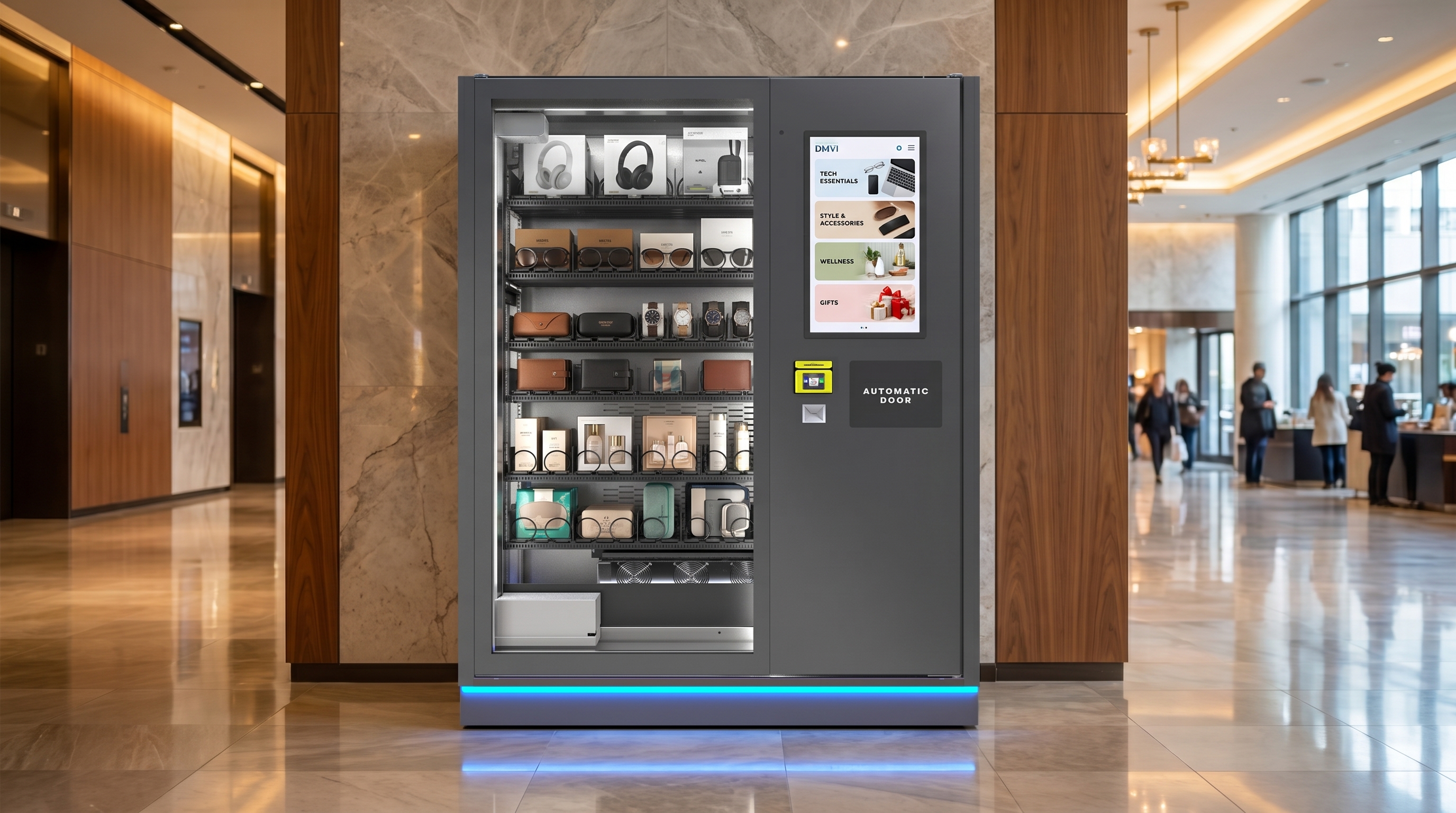
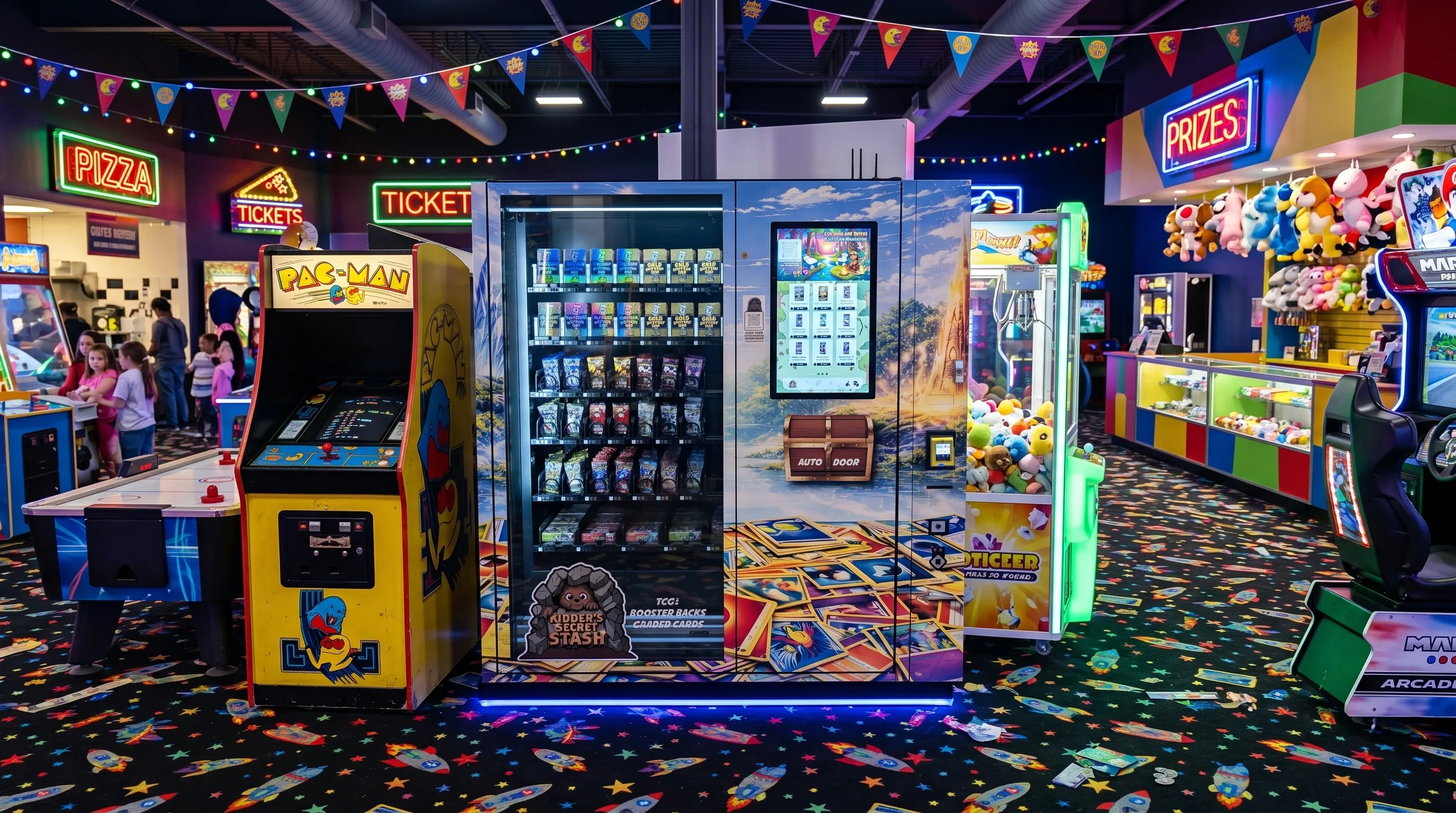
A custom vending machine customer-service program is an automated retail deployment designed to reduce queue friction, extend access beyond staffed hours, and resolve routine product issues without forcing every transaction through a counter. The point is not that a machine replaces human service. The point is that it handles the simplest, most repetitive purchase steps faster, leaving staff available for the cases that actually need a human being.
That is where many articles get this topic wrong. They talk about vending hardware as if the machine itself is the revolution. It is not. The real shift is the service envelope around it: faster checkout, fewer avoidable waits, cleaner pickup workflows, and better visibility for the operator when something breaks.
How custom vending improves customer service in practice
Queue relief. A well-placed self-service machine absorbs low-complexity purchases that do not require a conversation. That can reduce crowding at the main counter during peak periods and make staffed teams more available for support, upselling, troubleshooting, or complex orders.
24/7 access. Many customer-service failures are really availability failures. If the customer needs the item before opening time, after closing time, or during a shift change, a staffed desk is not much help. A machine can keep the transaction available without keeping an entire counter open.
Pickup and controlled release workflows. Custom locker or compartment-based systems are particularly useful for click-and-collect orders, staff distribution, reserved products, and limited returns handling. The machine does not just sell; it verifies the transaction and opens the correct compartment for the correct customer.
Remote support visibility. When the machine is connected, operators can see payment failures, dispense errors, stockouts, and alarm conditions much earlier. That improves customer service because the support team can often intervene before the next frustrated buyer has to explain, in great detail, that the machine has eaten their money and their patience.
Cashless-first service matters more than operators sometimes admit
For most modern deployments, cashless payment is part of customer service rather than a nice extra. Tap-to-pay, cards, and mobile wallets reduce transaction friction and reduce the number of failures caused by note validators, coin handling, and exact-change nonsense. They also create clearer transaction records for refunds and support follow-up.
If the machine is intended for anything above low-value snack impulse purchases, a cash-only or coin-heavy setup usually signals a service model that has not kept up with customer expectations.
Customer service includes accessibility and clear guidance
A custom machine only improves service if customers can actually use it confidently. That means the interface, reach ranges, controls, and on-machine guidance need to support real-world users, including customers with mobility or visual limitations. Accessibility is not some separate bureaucratic appendix to service quality. It is part of whether the service works.
Clear instructions also matter more than flashy screens. The machine should make it obvious how to browse, pay, collect, and get help. When a machine creates uncertainty, the operator has simply replaced one queue with a different sort of annoyance.
What “vending as a service” usually means
Some businesses want the customer-facing benefit of automated retail without wanting to run the machine infrastructure themselves. In that model, the brand may own the product strategy and pricing while the vending operator owns the cabinet, connectivity, maintenance rhythm, support process, and uptime discipline. In practice, that behaves more like a managed service than a simple equipment lease.
That distinction matters because customer service performance depends on who owns the machine health, stock discipline, and support expectations. If those responsibilities are blurry, the customer usually discovers the problem before the contract people do.
When custom vending genuinely helps the customer journey
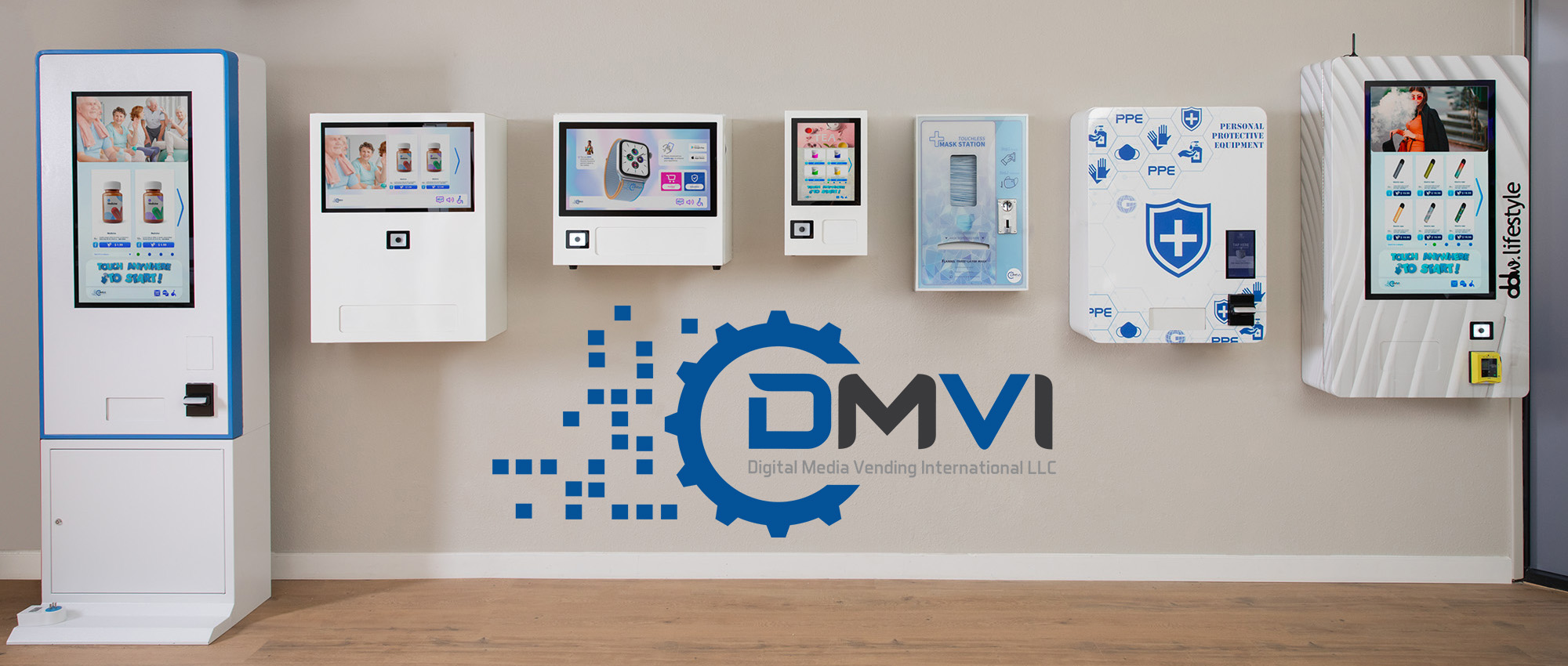
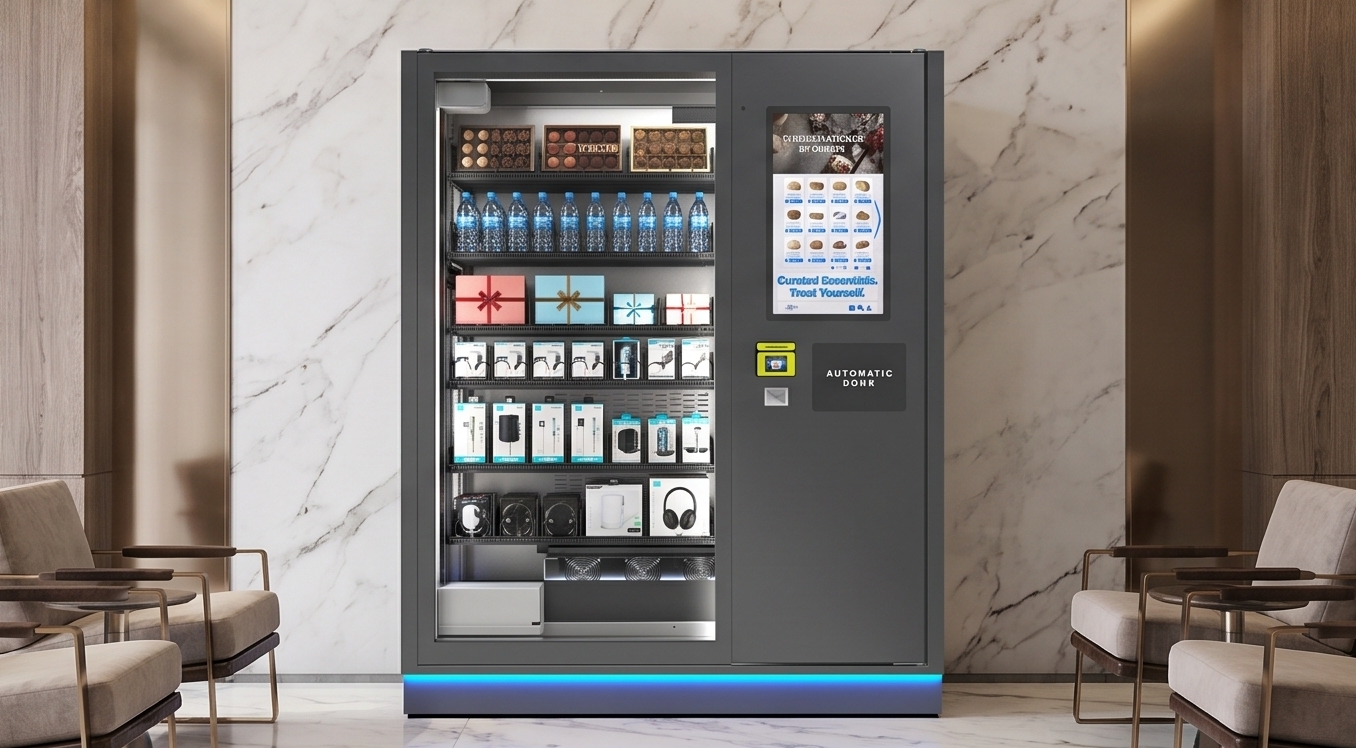
Custom vending works best when the product is straightforward to dispense, the need is time-sensitive or repetitive, and the customer values speed or off-hours access more than a conversational sales process. It is especially useful for accessories, beauty, electronics, PPE, campus or workplace essentials, event merchandise, and controlled pickup programs.
It is less helpful when the product requires heavy education, hands-on comparison, or a complicated returns path. The good operators know the difference and use automated retail to remove friction rather than pretending every purchase journey should be machine-led.
Planning a custom machine with customer service in mind?
DMVI helps brands and operators design automated retail programs around queue relief, access hours, pickup flow, support expectations, and the machine format that best fits the customer journey.