Cupcake Vending Machine: Packaging, Cold Chain, and Shelf-Life Reality
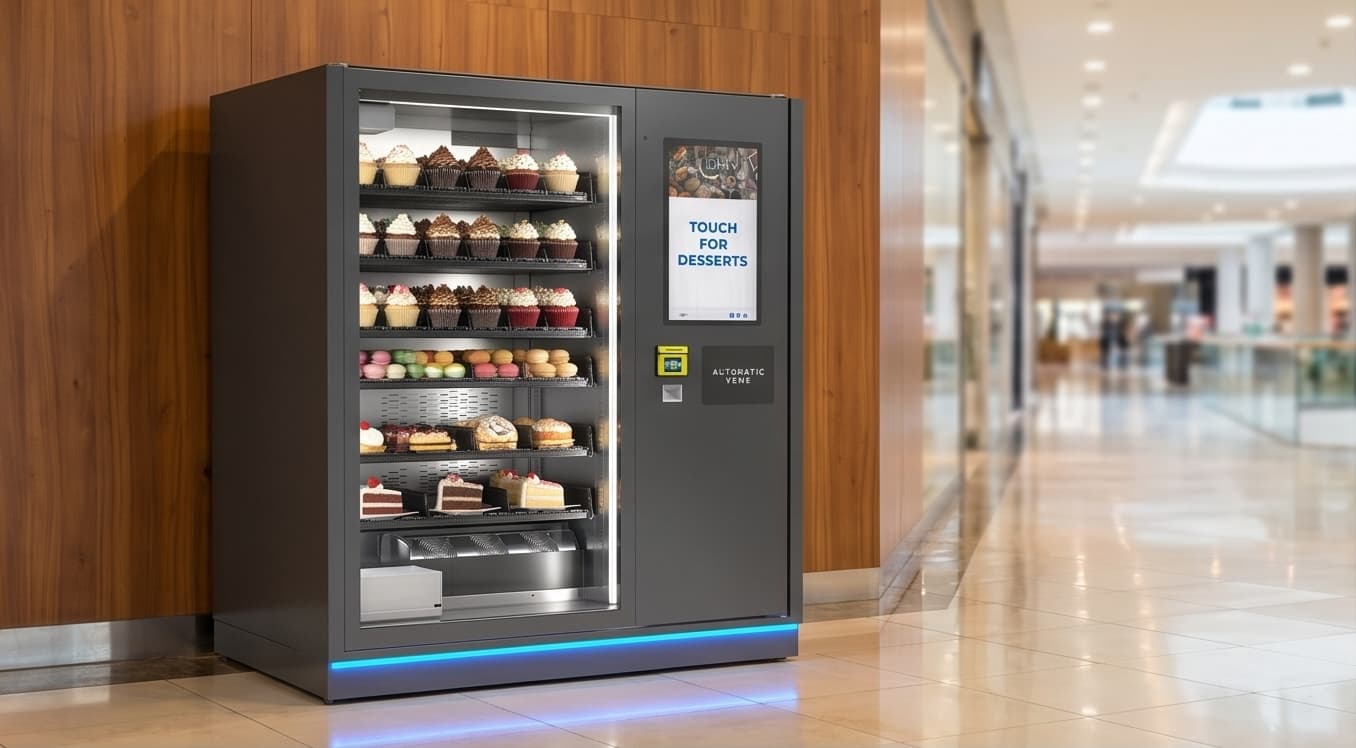
A cupcake vending machine is a refrigerated automated retail unit built to dispense individually packaged cupcakes, muffins, and similar short-shelf-life desserts without destroying the product on the way out. That last bit matters more than the whimsical marketing usually lets on. If the machine drops the product like a standard snack coil, the frosting loses, the packaging loses, and the operator eventually loses as well.
This is why cupcake vending should be treated as a fresh-food and specialty-packaging problem before it is treated as a novelty concept. The dessert may be cheerful. The operating discipline behind it is not optional.
Packaging is the first make-or-break variable
Each cupcake needs a sealed clamshell, rigid box, or similarly protective package that keeps the frosting clear of contact points and holds shape during the vend cycle. A plain paper liner and hopeful attitude are not a packaging strategy. If the product can smear, tip, or open during delivery, the machine spec is wrong or the package is.
Packaging also has to support clear dating, product rotation, and quick visual inspection during service. Operators need to see lot or pull-date status quickly, because this category does not offer the generous shelf life that shelf-stable snacks do.
Cold chain and shelf life drive the route model
Many cupcake formats require refrigeration, especially if fillings, frostings, or toppings contain dairy or other temperature-sensitive ingredients. The machine therefore has to do more than look tidy on a landing page. It has to maintain temperature consistently, recover after door cycles, and give the operator enough visibility to catch faults before product quality slips.
That changes route economics immediately. Cupcake vending means tighter replenishment windows, more frequent freshness checks, and less tolerance for lazy service cadence than a standard candy route. A machine can look full and still be commercially wrong if half the cabinet is racing toward pull date.
Gentle vending is not a luxury feature here
Cupcakes do not belong in a freefall vend path. A proper cupcake vending machine usually relies on elevator, conveyor, or other controlled-delivery hardware so the product reaches the pickup door intact. That is why mechanism choice is central to the category rather than a flashy add-on.
Operators thinking about dessert vending should compare the dispense path as seriously as the cabinet itself. The wrong mechanism creates refunds, product waste, and brand embarrassment faster than almost any copy tweak can compensate for.
Planograms need to stay honest
A short, disciplined planogram usually performs better than a wide fantasy menu. A few cupcake SKUs, perhaps supported by muffins or cookies where the packaging and shelf-life profile make sense, is often more practical than trying to turn the cabinet into a miniature bakery with endless permutations. Freshness beats theatrical choice.
Smaller facings and faster rotation tend to produce a healthier route than stuffing the cabinet with too many variants and then pretending spoilage is an accounting detail someone else will handle later.
Food-safety discipline belongs to the operator
The machine does not absolve the operator of food-handling responsibility. Product quality begins with how the desserts are baked, cooled, packaged, labelled, transported, loaded, and rotated. Cleaning routines, temperature checks, and withdrawal rules for damaged or expired product are part of the model, not bureaucratic extras.
That is why cupcake vending works best for operators who are willing to run it as a controlled food program rather than as a sugary stunt machine parked in a corridor.
Where cupcake vending can work well
When the packaging, refrigeration, and route discipline are correct, cupcake vending can fit hotels, entertainment venues, malls, campuses, and premium workplace amenity environments. It can also complement broader specialty-food or fresh-vend programs where the route already supports short-shelf-life service logic.
The category is viable. It just rewards operational seriousness more than whimsy, which is a cruel disappointment to the brochure writers but helpful for everyone else.
Planning a dessert or specialty-bakery vending concept?
DMVI helps operators match refrigerated hardware, packaging constraints, vend mechanics, and service cadence so the concept works outside the pitch deck as well as inside it.