Digital Vending Machine: Modern Convenience, Explained
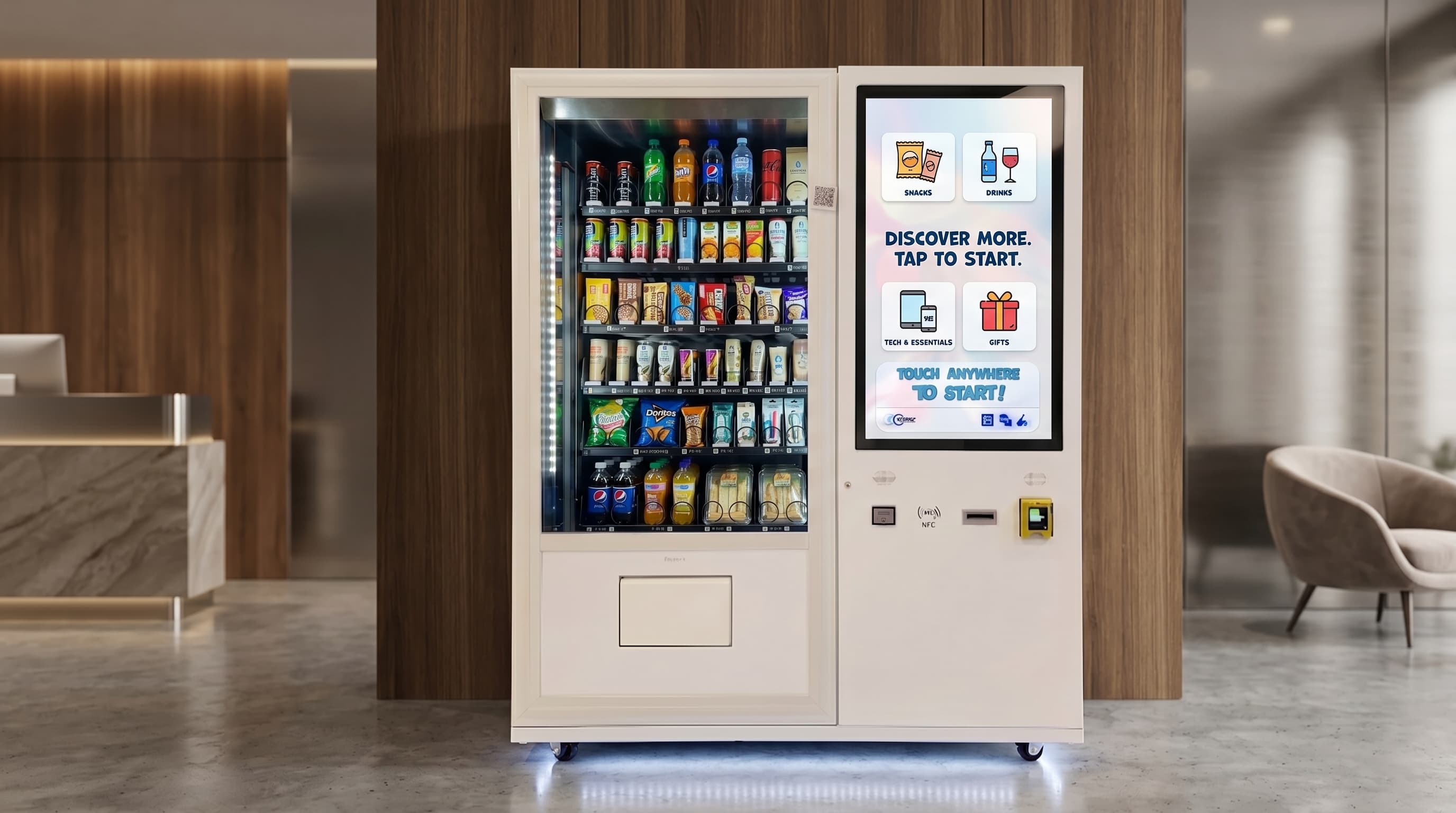
A digital vending machine is a connected automated retail unit that combines a touchscreen interface, cashless payment acceptance, and remote reporting so the buying experience feels faster and more predictable than an old button-and-coin machine. The point of “digital” is not just that the cabinet has a screen. The point is that the whole transaction becomes easier to browse, easier to pay for, and easier to manage behind the scenes.
That distinction matters because plenty of machines look modern without actually improving the customer journey very much. A proper digital vending machine should make selection clearer, checkout faster, and service performance more reliable — not merely glow more impressively in a lobby.
The screen changes how people shop
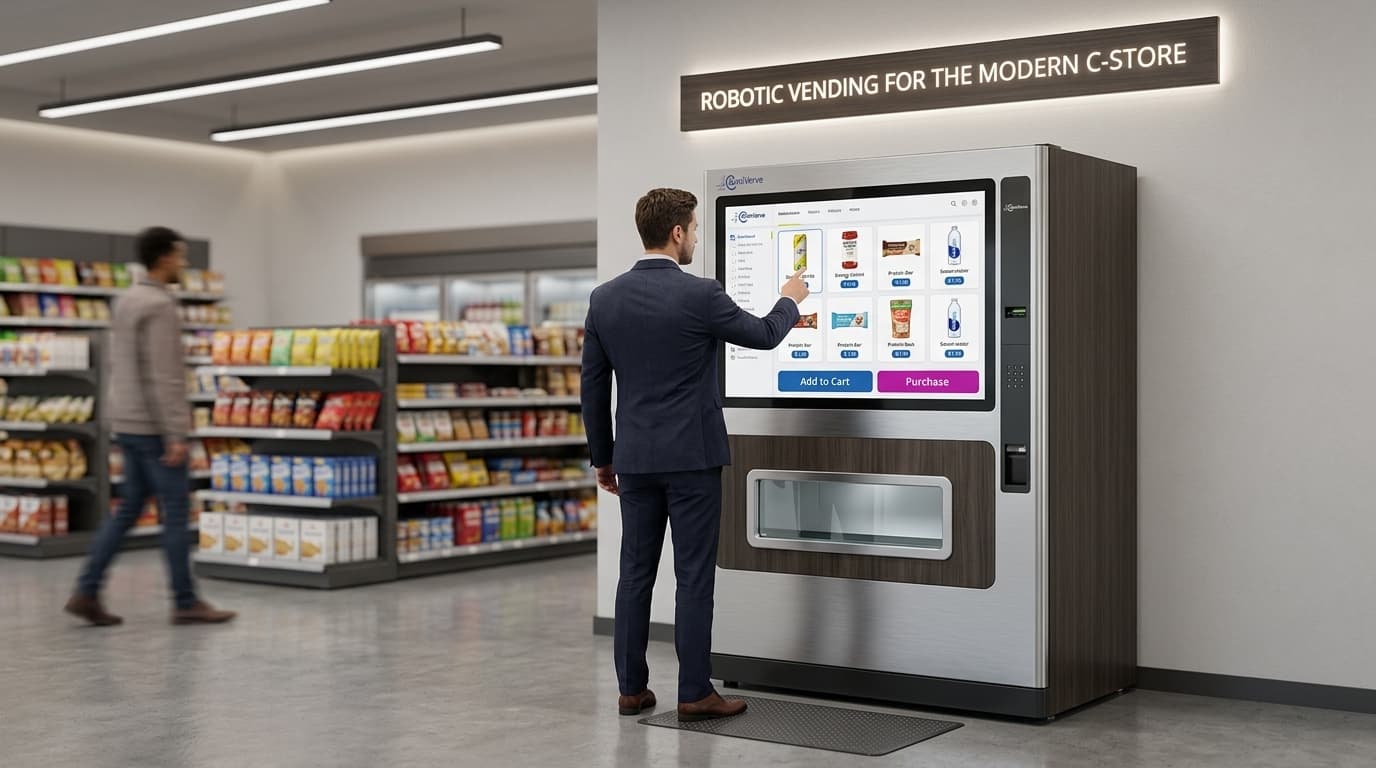
A touchscreen turns a product grid into a browsable catalogue. Customers can see images, categories, pricing, and sometimes product details before they commit. That is especially useful when the machine sells more than basic snacks — electronics accessories, personal care items, premium drinks, or mixed product lines that are harder to decode from a row of spiral numbers.
The screen can also guide people through combo offers, sold-out notices, age-gated flows where applicable, or clearer selection prompts. That reduces the small frictions that make older vending machines feel clumsy.
Cashless checkout is not a luxury anymore
For most customers, the defining digital feature is payment. Tap-to-pay cards, mobile wallets, and other cashless methods remove the old hunt for exact change and make the transaction feel normal in the same way every other modern retail interaction does. If a machine still depends mainly on coins and hopeful nostalgia, it is not particularly digital in any commercially useful sense.
Fast payment matters because vending is a low-patience channel. The shorter the path from selection to approval, the better the machine performs. When the checkout is smooth, customers feel the convenience immediately even if they never think about the underlying hardware.
Real-time visibility improves the experience indirectly
One of the strongest digital advantages happens out of sight. Connected machines can report sales, stock levels, and certain fault conditions remotely, which helps operators service the route based on actual need rather than calendar superstition. The customer does not see the telemetry feed, but they absolutely notice when the machine is in stock and working.
That is why remote visibility matters so much. A digital vending machine should not just look smarter. It should stay stocked better, surface issues sooner, and reduce the gap between a machine needing attention and someone actually giving it some.
Pickup flow still matters at the cabinet
Digital convenience is finished or broken in the pickup moment. The screen should confirm the vend clearly, the door should open in a way that matches the machine’s dispense logic, and the customer should understand when to take the item and when to wait. On machines with elevator or conveyor delivery, this becomes even more important because the process takes longer than a simple drop vend.
If the pickup flow is confusing, the machine feels less advanced no matter how polished the interface looked at the start. A modern front end needs a modern end-to-end experience.
Digital vending works best when format and product line match
The best use cases are locations where fast self-service matters and the product line benefits from catalogue-style browsing or cashless access: offices, hotels, campuses, airports, healthcare settings, and mixed-retail amenity environments. The more varied or premium the assortment, the more useful the digital layer tends to become.
That does not mean every machine needs every possible feature bolted onto it. It means operators should choose digital functions that actually improve the buying flow and service logic for the site in question.
Digital should mean less friction, not more theatre
The strongest digital vending machines are not the ones shouting most loudly about the future. They are the ones removing friction quietly: better browsing, better payment, better service visibility, and a cleaner pickup experience. When all of that works, the machine feels modern for the right reasons.
That is the real secret of convenience here. Not spectacle. Just competent, connected retail doing its job properly.
Planning a digital vending deployment that actually improves convenience?
DMVI helps operators match touchscreen UX, payment hardware, connected reporting, and dispense workflow so the machine feels genuinely modern instead of merely decorated like it is.