Futuristic Vending Machine: The Real Operator Stack Behind the Hype
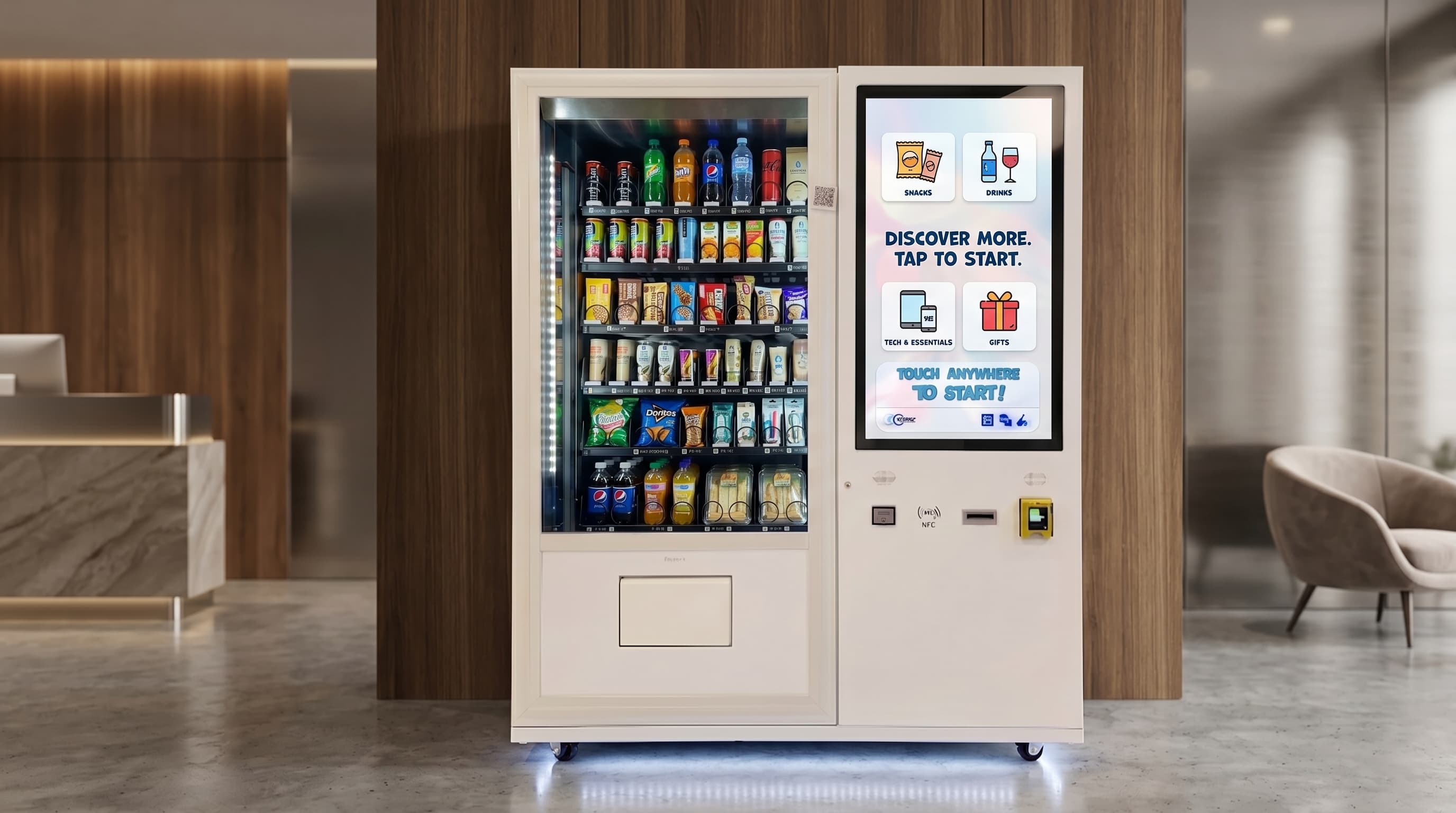
A futuristic vending machine is not defined by neon lighting, glossy renders, or a cabinet that looks as though it has just arrived from a low-budget moon base. It is defined by a connected operator stack: touchscreen browsing, full cashless checkout, telemetry-based reporting, and remote inventory visibility that lets the machine perform like a small unattended retail endpoint rather than a dumb product box.
That is the real meaning of “futuristic” in vending. The future is not aesthetics. The future is operational reliability, better data, and fewer wasted service decisions.
The stack starts with payments, not theatre
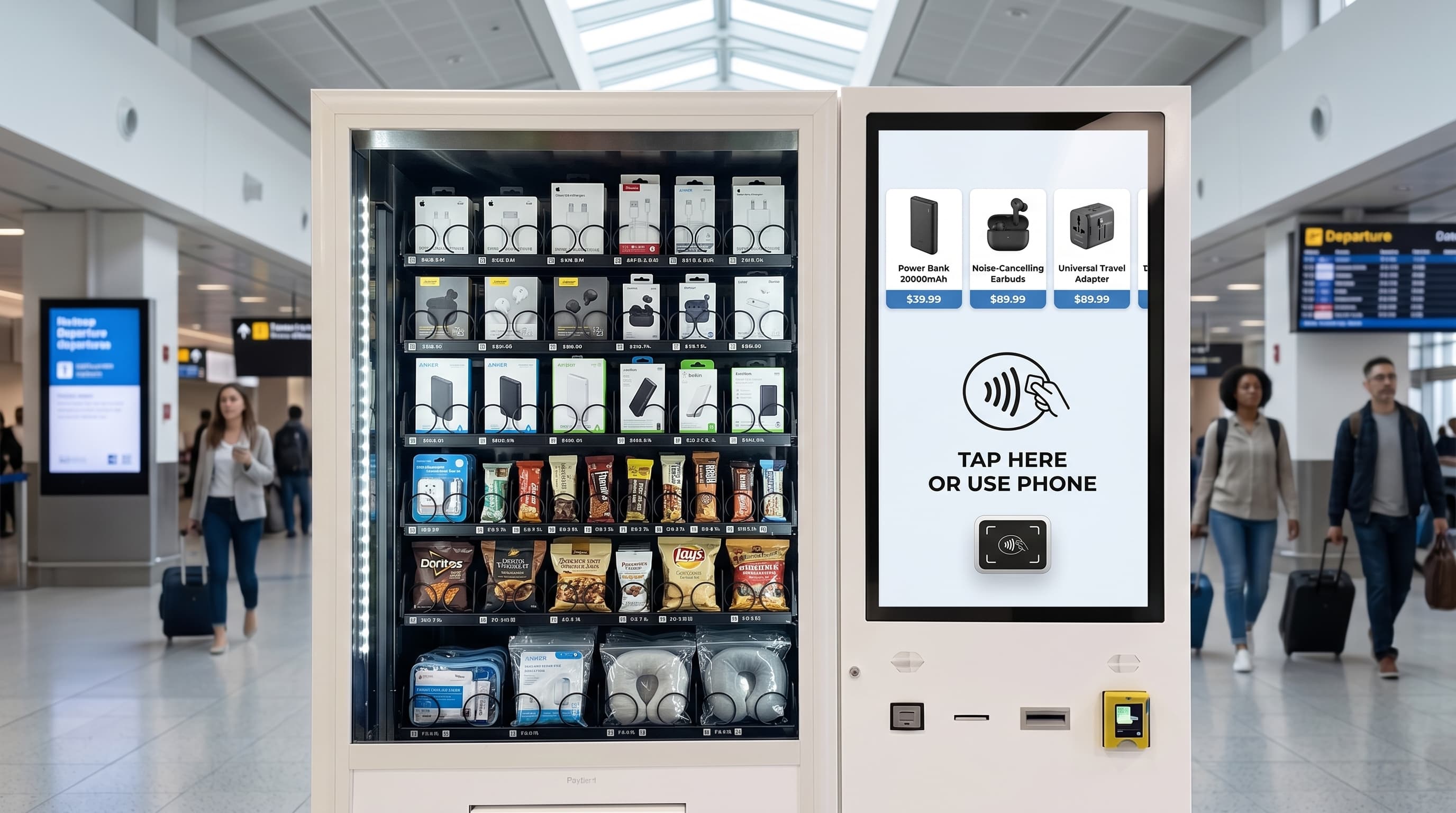
Cashless acceptance is usually the first meaningful upgrade layer. Contactless cards, mobile wallets, and related tap-to-pay flows make the machine behave like a modern retail touchpoint rather than a coin-operated compromise. More importantly for the operator, those transactions generate clean sales data and remove a great deal of the friction that suppresses conversion on older cabinets.
Without that payment layer, most claims about a futuristic vending machine are just cosmetic enthusiasm in a nicer cabinet shell.
Telemetry is what makes the machine truly smart
Once the machine is connected, the operator gains visibility into stock levels, sales patterns, machine health, and certain fault conditions remotely. That changes the route from reactive to informed. Instead of visiting because the calendar says so, the operator can prioritise machines that are actually selling, actually low, or actually misbehaving.
This is the point where “futuristic” starts paying the bills. Better stock control, faster fault response, and fewer wasted site visits are not glamorous, but they are far more useful than pretending the cabinet is a spaceship.
The touchscreen matters because it changes buying behaviour
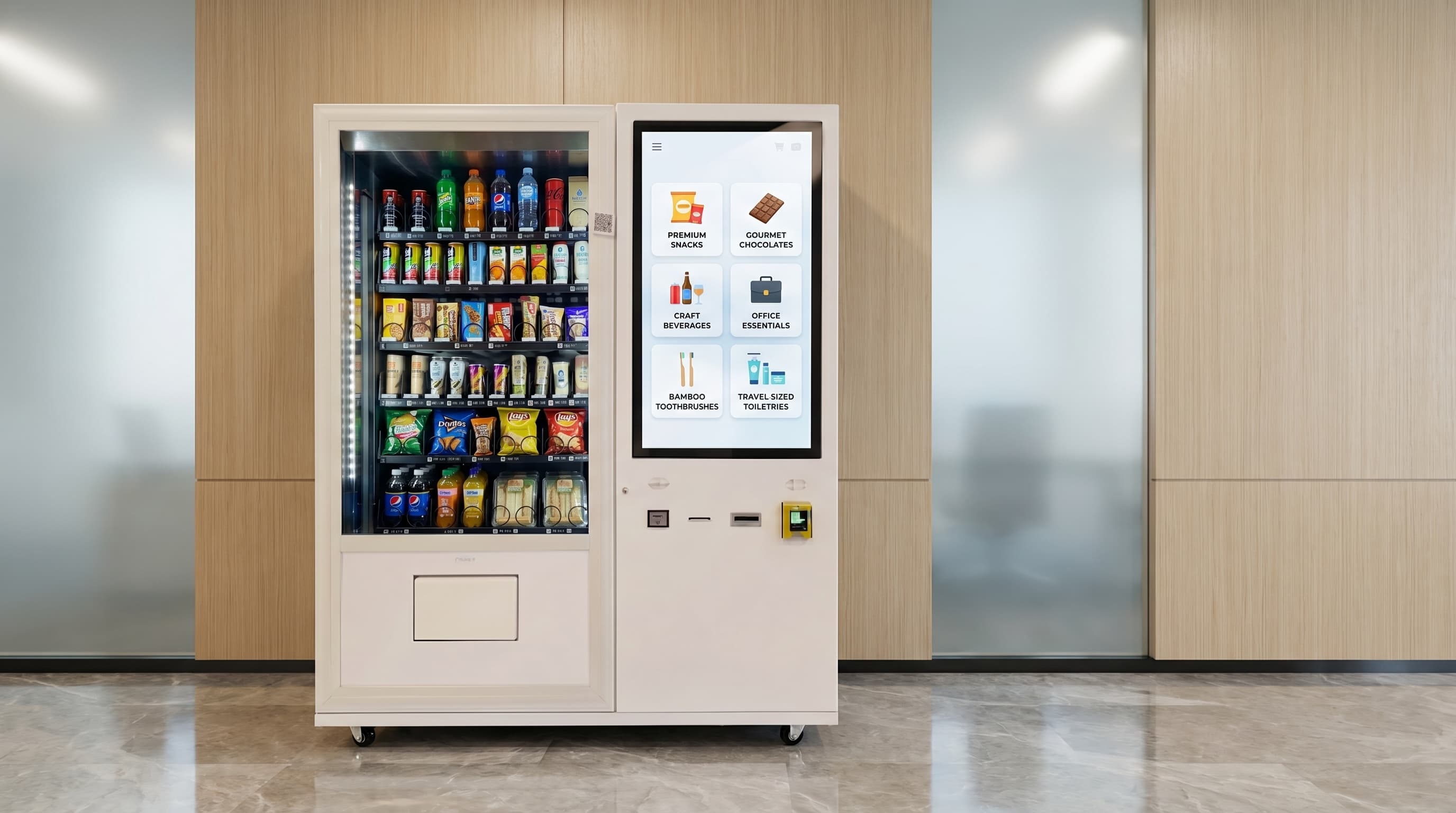
The screen is not just decoration. It turns selection into browsing, which matters far more when the assortment is broader or more premium than a traditional snack machine. Buyers can see product images, names, categories, and pricing clearly. Operators can use the same screen for promotions, product storytelling, and clearer guidance during the vend process.
That makes the customer journey feel more like retail and less like deciphering a vending machine codebook from 1997.
Reporting sits on top of the payment and telemetry layers
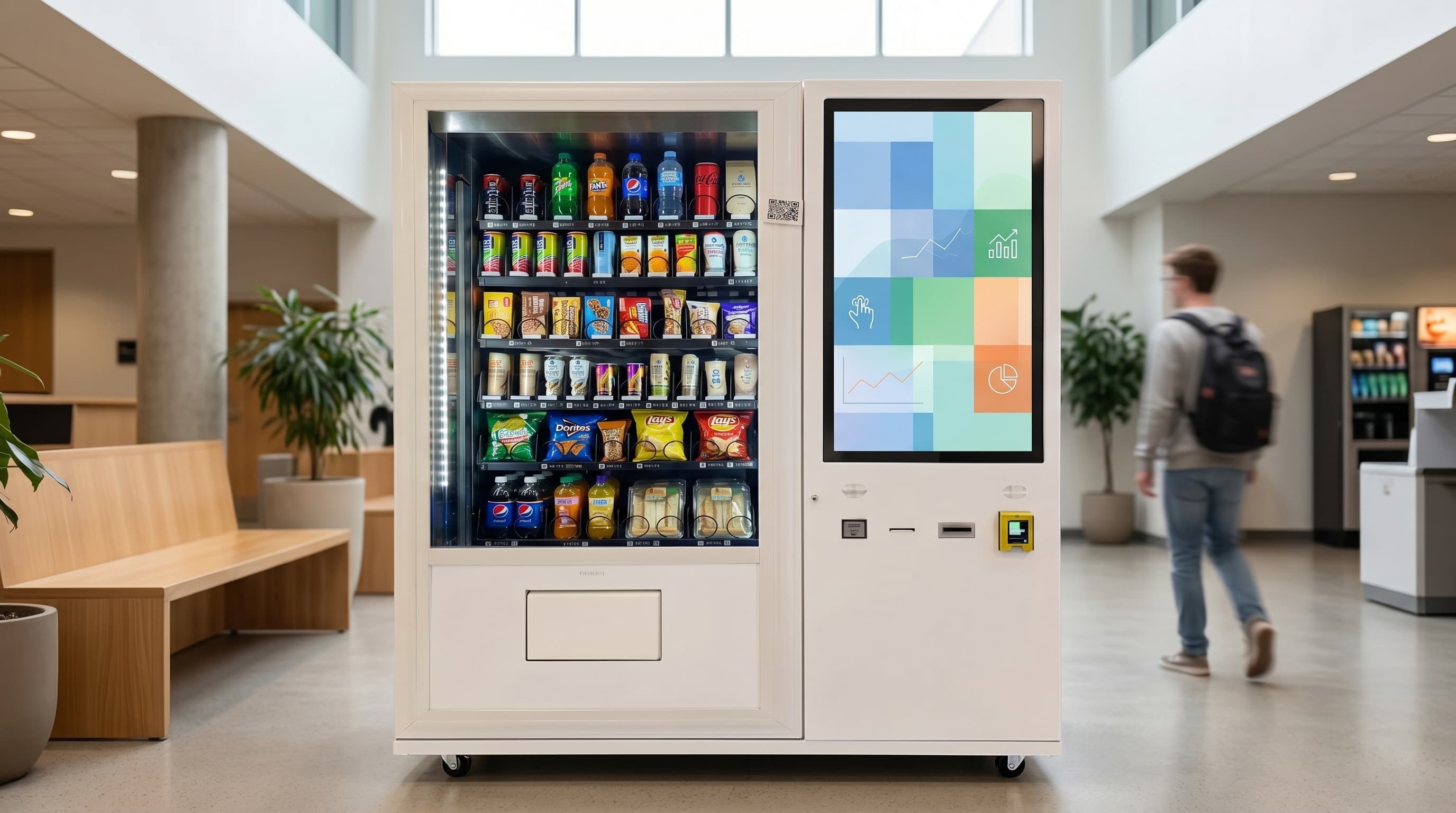
Once cashless and telemetry are stable, reporting becomes useful rather than hypothetical. The operator can review what sells by site, which products stock out too often, which machines need too much service, and whether route time is being spent in the right places. This is where connected vending becomes manageable at scale instead of merely impressive at a demo.
Reporting is not an extra feature bolted on at the end. It is the layer that turns raw machine events into decisions about planograms, service cadence, and site performance.
AI belongs last, after the foundation works
AI features and sensor-heavy upgrades can be useful, but only after the lower layers are sound. If the machine still has payment friction, weak connectivity, or poor stock visibility, adding clever forecasting on top does not make it truly futuristic. It just gives the operator more elaborate ways to misunderstand unstable data.
The right sequence is simple: cashless first, telemetry second, reporting third, and only then the fancier optimisation layers. That order is less sexy than the buzzword version, but it is much more commercially honest.
Cameras and sensors need truthful framing
Some smart vending deployments use cameras, weight sensors, or similar hardware for security, audit, or advanced retail flows. Those features can be valuable, but operators should claim only the capabilities the chosen machine actually supports and should think carefully about signage, privacy expectations, and local rules before turning “smart” into “slightly creepy.”
Customers generally like convenience. They are less fond of feeling studied for science.
What buyers and operators should actually look for
The useful evaluation questions are practical: which payment methods are supported, what telemetry the cabinet exposes, how remotely the machine can be managed, how clearly stock and faults are surfaced, and whether the physical format suits the site and product mix. Those are the factors that decide whether the machine earns its keep.
A futuristic vending machine that cannot be managed properly is merely a modern-looking liability. A connected machine with reliable payments, clear reporting, and strong site fit is the version that actually deserves the label.
Evaluating whether a smart vending deployment is genuinely future-ready?
DMVI helps buyers and operators compare payment rails, telemetry, remote reporting, and machine formats so the connected stack works in the field rather than just in the brochure.