Real-Time Payments in Vending Machines: NFC, QR, Wallets, and Reconciliation
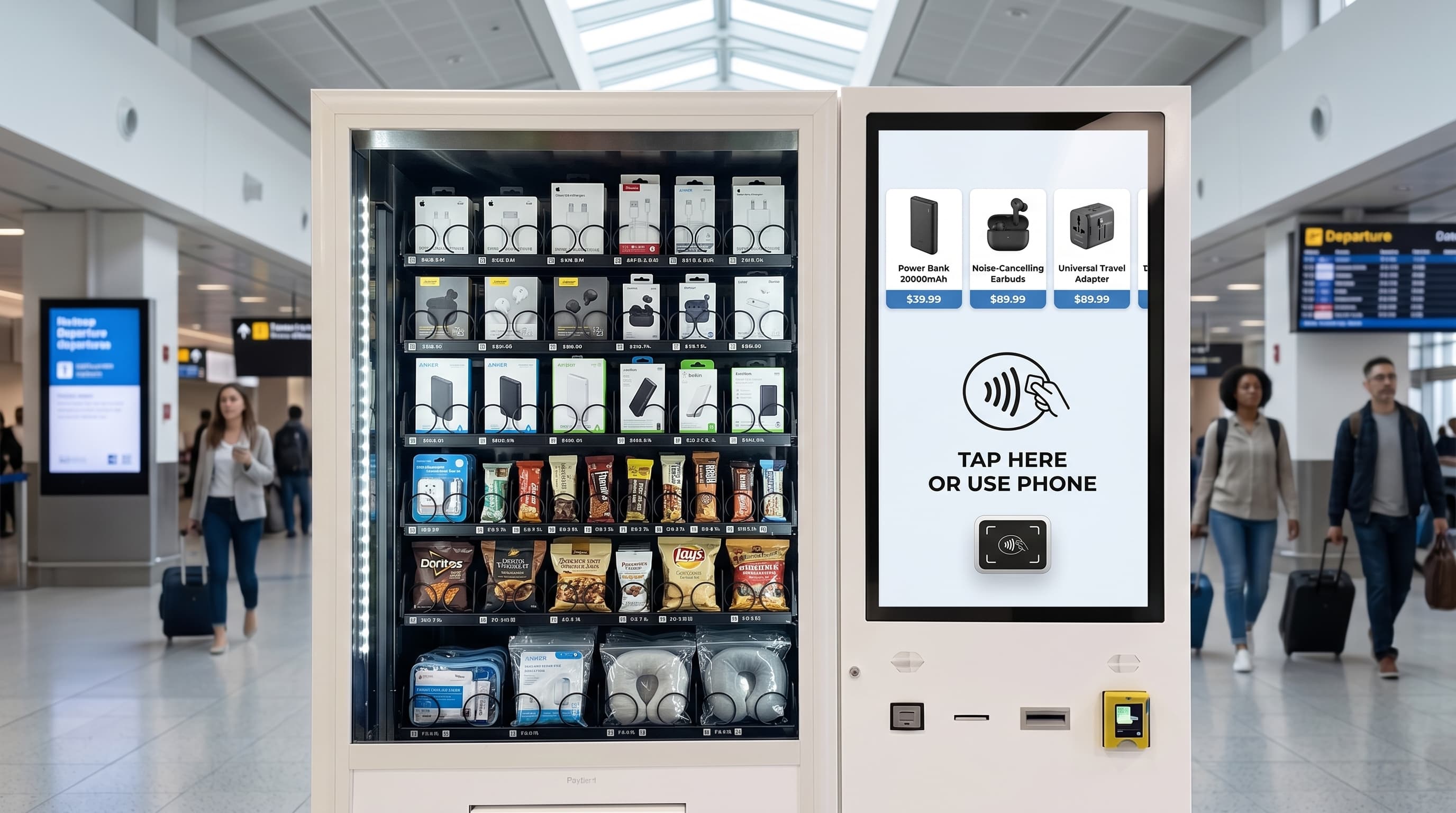
A real-time payment in a vending machine is a cashless transaction that authorises, captures, and reports to the operator’s system within seconds. For the buyer, that usually means a quick tap, wallet confirmation, or QR scan. For the operator, it means transaction visibility, better reconciliation, and far less guesswork than the old ritual of opening a machine and hoping the cashbox tells an encouraging story.
That is why real-time payments matter. They are not just a convenience feature. They are the link between the machine, the merchant account, and the operating decisions that sit behind the route.
NFC is the default rail
For most modern vending deployments, contactless card payments are the core payment path. Mobile wallets such as Apple Pay and Google Pay run through the same contactless reader, while QR-based flows remain useful in markets or locations where code-based payment behavior is strong. A properly specified machine should support the dominant local rails through one coherent payment setup rather than forcing awkward workarounds on the customer.
In practical terms, NFC usually becomes the default because it is fast, familiar, and requires the least buyer effort at the machine.
Real-time tracking is the operator-side win
The bigger operational benefit is not simply that more people can pay. It is that each transaction can be tied to a machine, a time, and often a product context inside the management platform. When payment data, machine status, and inventory visibility sit together, the operator has a much clearer picture of what the route is actually doing.
That turns the machine into a reporting endpoint as well as a sales endpoint. The difference sounds administrative until the first time an operator can spot a dead terminal, a stalled site, or a strange revenue dip before a week disappears into the floorboards.
Settlement and reconciliation are where the grown-up work happens
Real-time payment approval does not mean instant cash in the bank. Processors still settle on their own cycles, and the operator still has to reconcile vendor-reported transactions against processor settlements and bank deposits. If those layers do not line up, someone has to investigate whether the issue is timing, configuration, chargeback, terminal error, or a more awkward little accounting gremlin.
This is why a vending operator should think beyond “does it take tap-to-pay?” and ask how the payment stack reports, settles, and reconciles across the fleet.
Offline policy needs a deliberate choice
Connectivity is not perfect, and vending machines do not always live in signal-rich paradise. When a machine loses connectivity, the operator needs to know whether the terminal will decline transactions cleanly or use a limited store-and-forward mode for later capture. Both approaches carry trade-offs. A decline loses the sale immediately. Delayed capture can create settlement failures later if the transaction cannot be honoured.
There is no magical answer here. There is only an operating policy that should be chosen on purpose rather than discovered during a customer complaint.
Chargebacks and refunds belong in the operating model
Chargebacks may be less common in vending than in some other retail environments, but they are not mythical creatures. Operators need transaction logs, refund rules, and a support process that can respond quickly when something goes wrong. A payment terminal is part of the customer experience, not merely a hardware accessory attached to the cabinet.
If the machine takes digital payments, the operator also inherits digital-payment discipline.
Cashless first is now the practical baseline
Some sites still justify keeping cash acceptance, especially where customer demographics or policy requirements make it sensible. But for most new smart vending deployments, cashless-first is the practical default. It speeds the transaction, reduces cash handling, improves reporting, and aligns the machine with how buyers already expect to pay almost everywhere else.
That is the actual promise of real-time payments in vending: not trendiness, but clearer route economics and better operational control.
Need a payment stack that works in the field, not just on a spec sheet?
DMVI helps operators choose cashless payment options, terminal reporting, and connected vending hardware that support smoother checkout and cleaner route reconciliation.