Smart Dispensing Controversy: An Operator’s Balanced View on Automated Retail Pushback
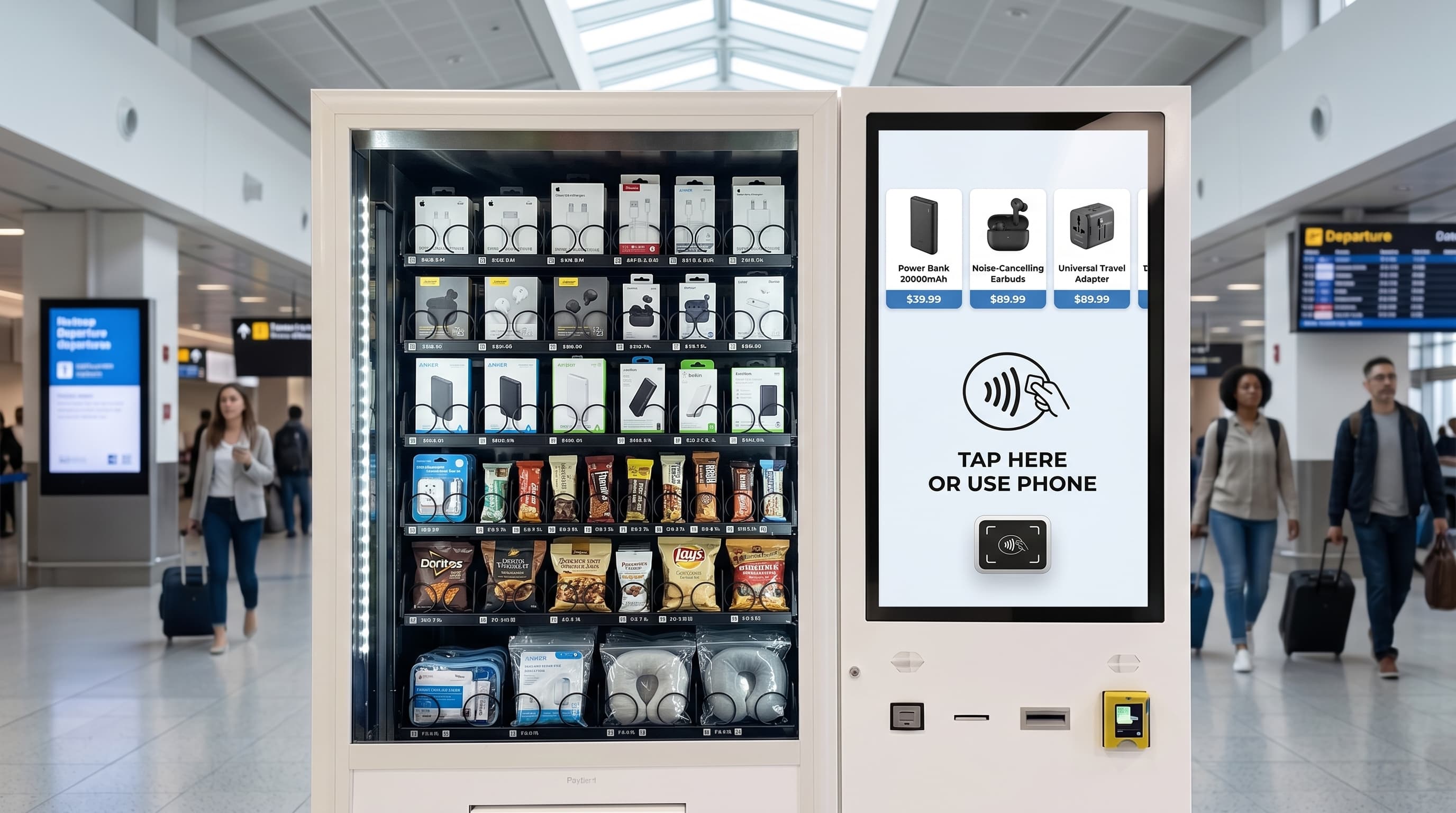
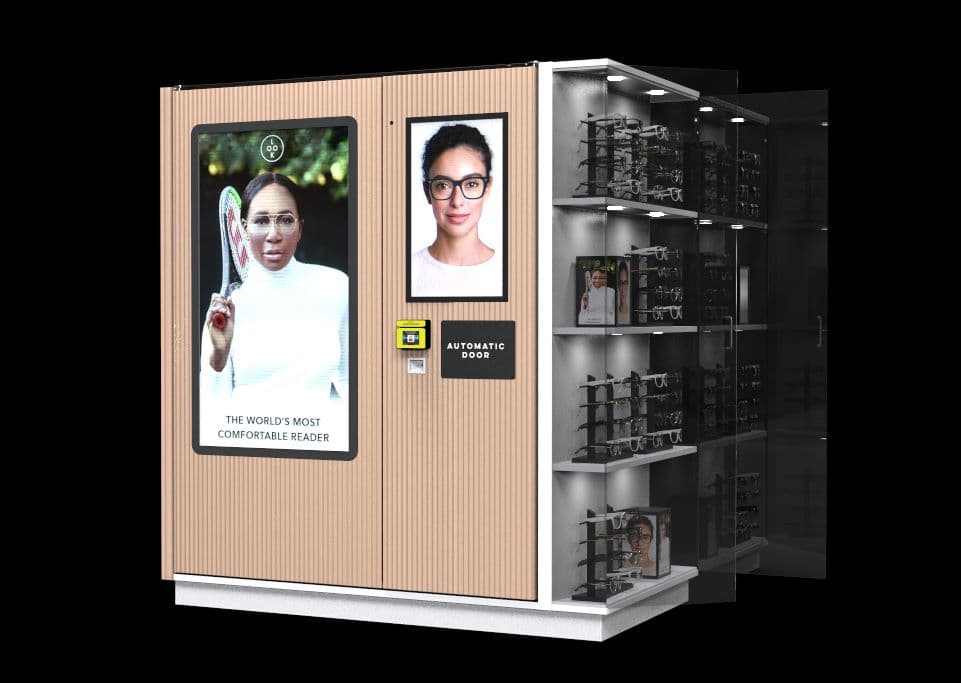
Smart dispensing controversy is the debate around automated retail machines that can sell, verify, track, and sometimes watch without a member of staff standing beside them. The technology itself is no longer exotic. Touchscreens, cashless readers, telemetry, and remote inventory visibility are normal parts of modern vending. The controversy sits elsewhere: who benefits, who loses, what data the machine collects, and which product categories deserve stricter scrutiny before they are placed in an unattended cabinet.
For operators, this is not an abstract culture-war side quest. It affects where machines can be placed, what products should go inside them, what signage belongs on the cabinet, and how ready the operator must be to explain the machine to a venue manager, regulator, journalist, or mildly alarmed member of the public.
The case in favour: convenience and coverage
A well-deployed smart vending machine can serve locations and hours that traditional staffed retail often will not touch economically. Overnight shifts, transit corridors, residential buildings, hospitals, campuses, gyms, and remote workplace settings all benefit from self-service access when there is no sensible case for a full-time clerk. In that sense, smart dispensing often fills a gap rather than launching a coup.
It can also improve the buying experience when the interface is designed properly. Clear product information, cashless checkout, and wider operating hours are not trivial advantages. They are the entire commercial point.
The case against: labour and human replacement fears
Critics worry that automated dispensing replaces frontline retail work, reduces human interaction, and normalises one more version of “do it yourself while a company saves on payroll.” That concern is not invented. In some settings, automation clearly does absorb tasks that a person used to perform.
The more honest operator position is that most vending deployments do not remove a full-time role one-for-one. They usually cover low-volume, off-hours, or otherwise unstaffed demand. But operators should not pretend there is never any labour impact. That sort of spin ages badly and deserves to.
Privacy concerns are no longer optional
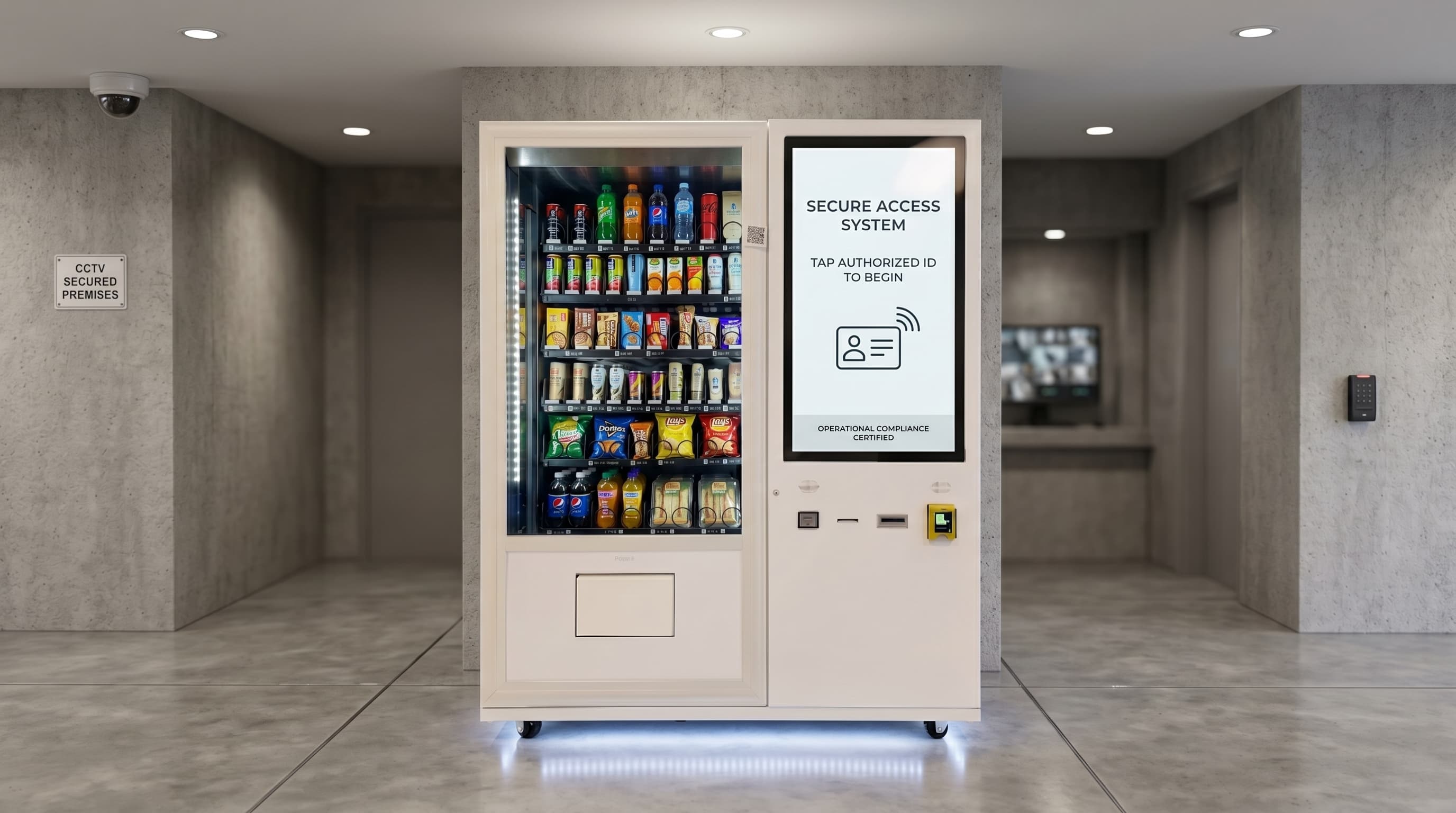
Some smart vending systems use cameras, computer vision, or other sensors for security, planogram checks, or shrink control. Even when the operator sees those tools as practical rather than intrusive, a fair number of customers will treat any camera-equipped retail device with suspicion unless the purpose is clear. That means signage, plain-language disclosure, and a minimum-data mindset matter more than clever vendor demos.
Just because a machine can collect more data does not mean it should. Operators should default to the least invasive setup that still solves the actual business problem.
Age-restricted categories intensify the controversy
Once the machine dispenses nicotine, alcohol, cannabis where lawful, or other regulated products, the debate changes shape. The issue is no longer merely whether automation feels impersonal. The issue is whether the machine’s verification and venue controls are strong enough to justify unattended sales at all.
For regulated categories, operators need more than a vague promise that the machine is “smart.” They need defensible age verification, location control, clear policies, and a willingness to say no to deployments that look commercially tempting but operationally foolish.
Theft prevention can slide into surveillance creep
Machines in public or semi-public settings attract tampering and shrink. The natural response is better locking, cameras, weight sensors, and other monitoring controls. Each layer can reduce loss, but each layer can also increase the amount of data being collected and raise the temperature of the privacy conversation.
The sensible rule is to choose the minimum control set that meaningfully reduces risk rather than the maximum control set a vendor is eager to invoice. More hardware is not automatically more wisdom.
Disclosure is part of the operating model
A defensible smart-dispensing deployment should say who operates the machine, how payment issues and refunds are handled, whether cameras or similar monitoring are in use, and what verification steps apply if the category is restricted. These disclosures are not decorative. They are part of how the operator earns trust and reduces unnecessary friction before someone decides the cabinet is either sinister or incompetent.
In short, the controversy is real, but it is manageable when the operator is candid about trade-offs and disciplined about where the technology belongs.
Planning a smart vending deployment that needs to survive real scrutiny, not just a sales deck?
DMVI helps operators evaluate placement, product category risk, disclosure needs, and connected-machine controls so the deployment is commercially useful and publicly defensible.