Smart Vending Machine Business: 5 Operator Tips
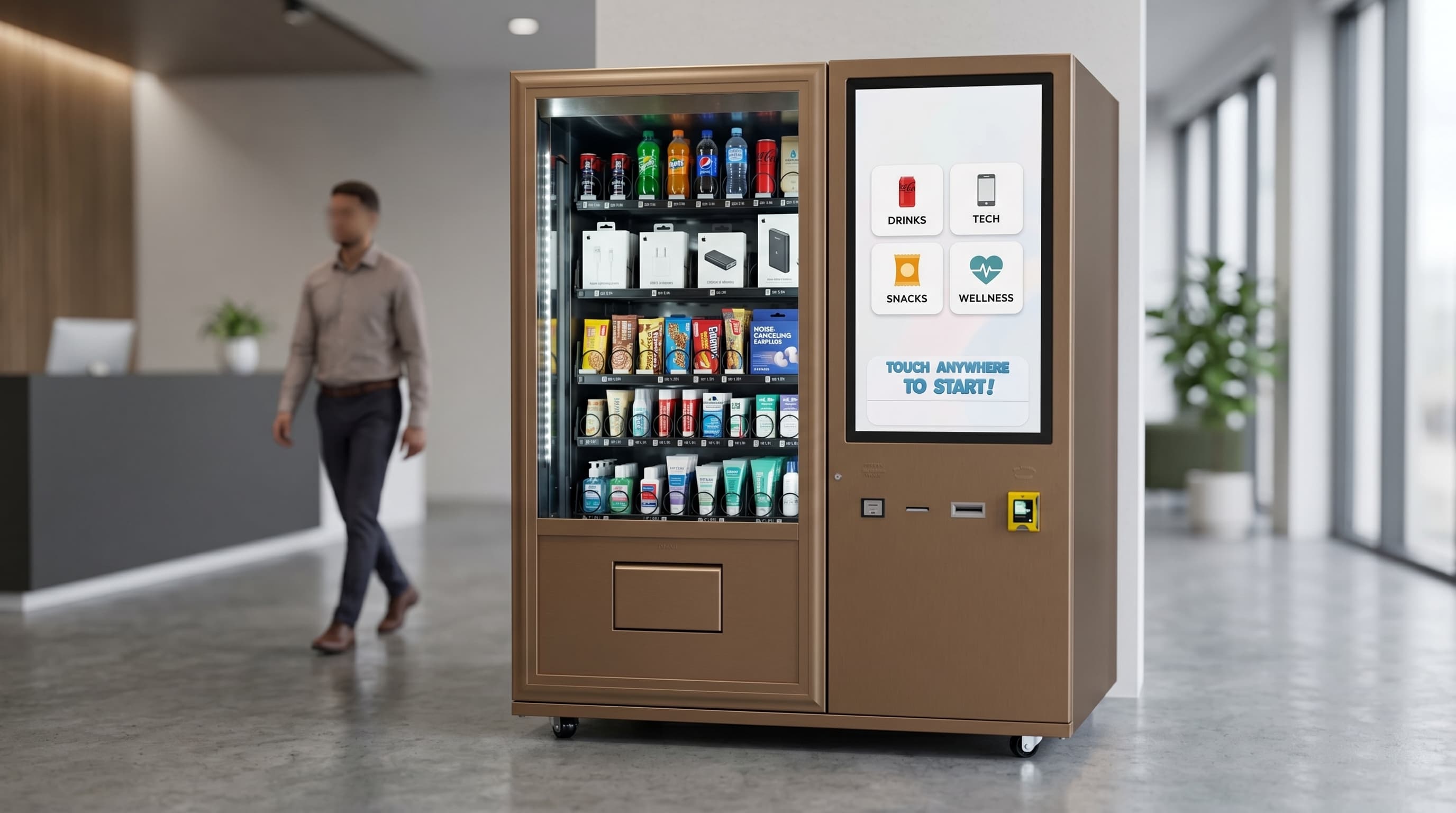
A smart vending machine business is an unattended retail operation that runs cloud-connected vending machines under one or more site agreements, with revenue earned per dispense and operating costs driven by COGS, site revenue share, route service, and machine financing. The model has lower barriers to entry than most small business models—but operators who treat it as purely passive income from day one tend to hit problems quickly.
Wrong machine, wrong location, wrong product mix, or an undefined service rhythm are the usual failure modes. Here are five things worth settling before you commit to hardware, not after.
1. Decide what you are actually selling before you choose a machine
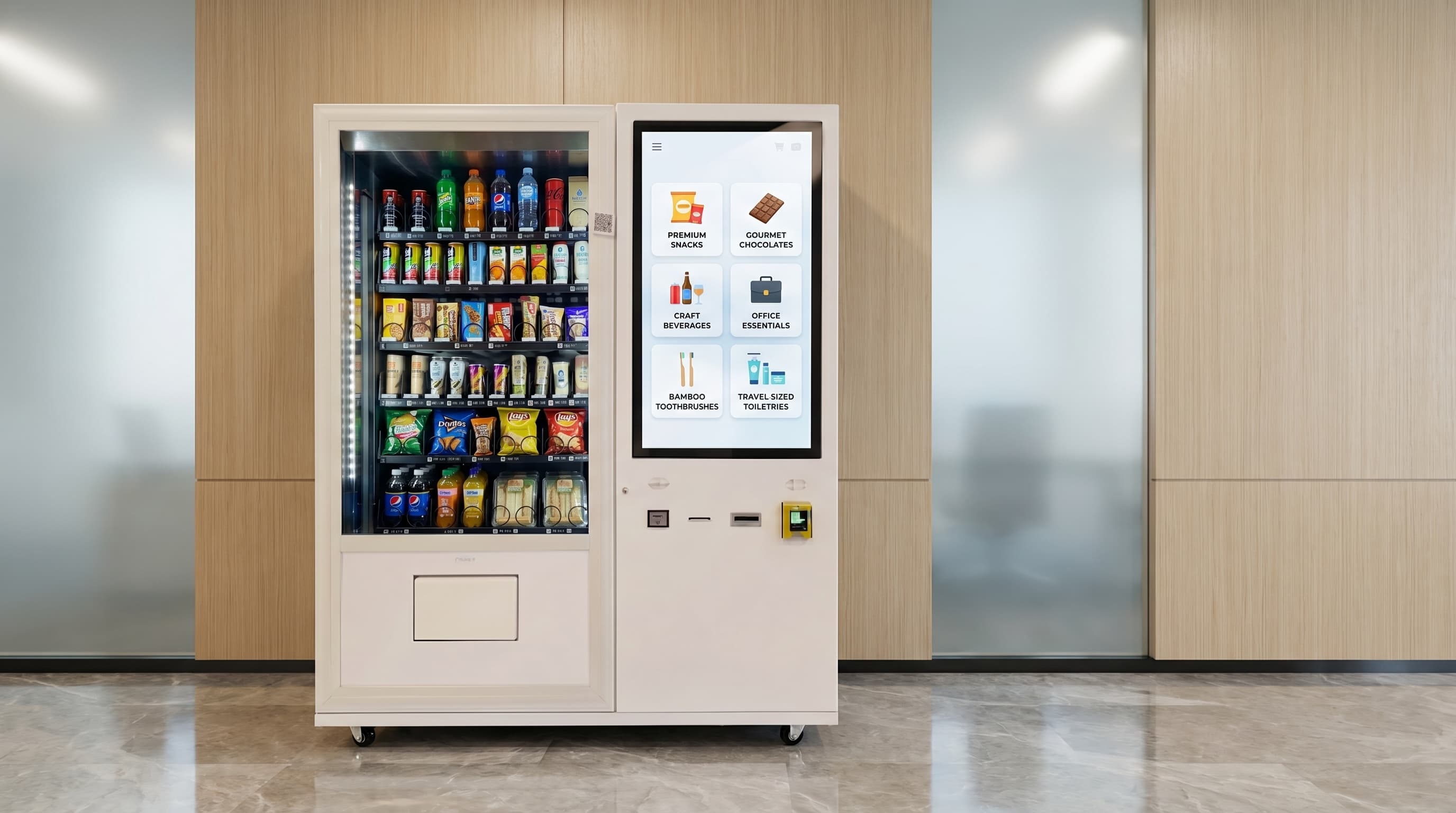
The product determines the machine, not the other way around. Standard packaged snacks and drinks work well in a coil-dispense cabinet. Fresh food, refrigerated items, beauty products, supplements, cupcakes, or specialty retail require a different dispense mechanism, cabinet format, or temperature control.
Most new operators start with food and beverage because the product sourcing is familiar and the demand at most locations is predictable. That is a reasonable starting point. But if you have a specific product in mind—something that does not fit neatly into a standard coil-drop cabinet—you need to find out before purchasing hardware whether a standard machine can handle it or whether a purpose-built solution is required.
Getting this right at the planning stage saves significant money. Getting it wrong usually means discovering the mismatch on the floor after the machine has been delivered.
2. Evaluate the location with the same seriousness you apply to the machine
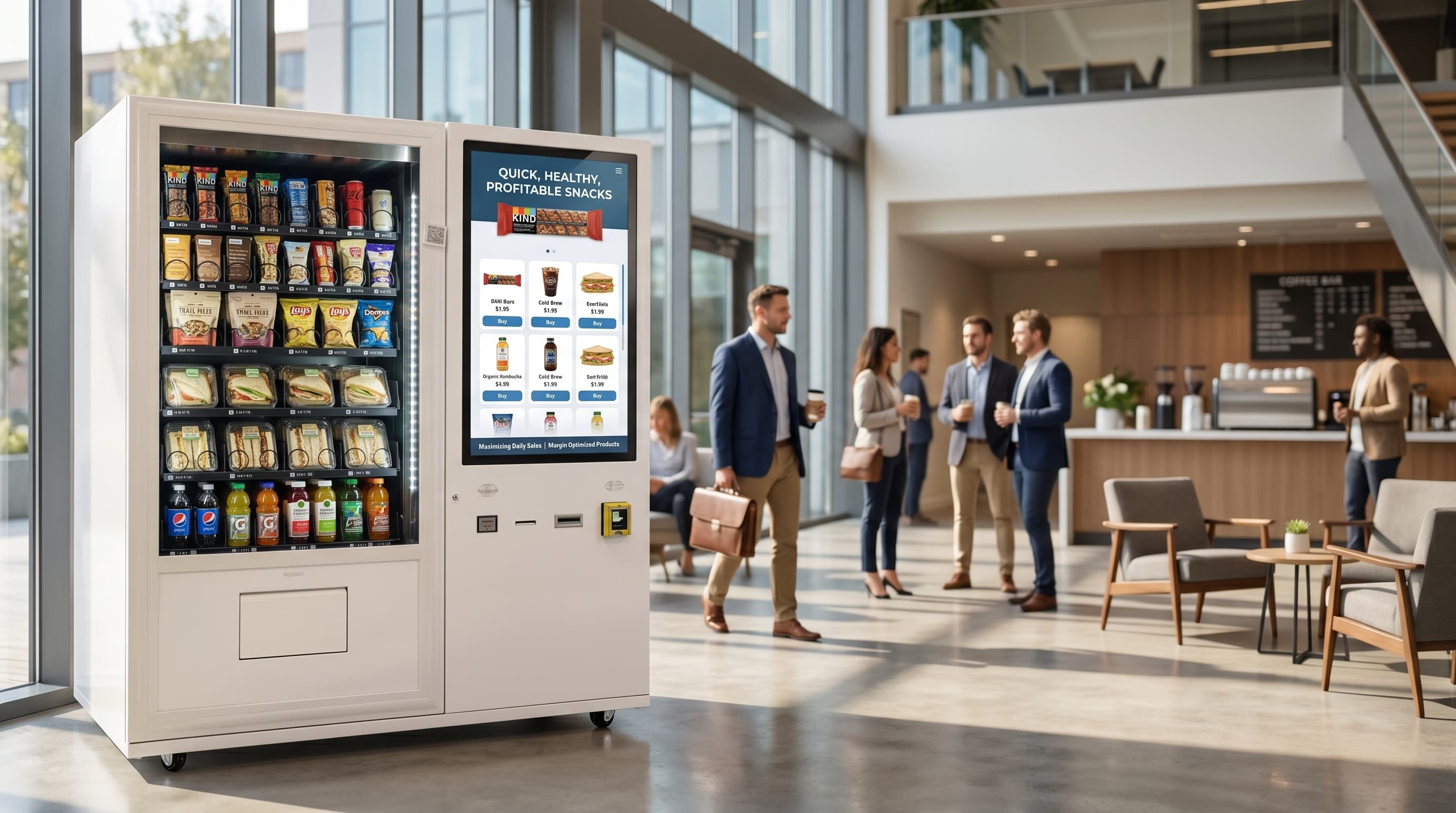
A good machine in a bad location will not produce good results. The locations that reliably perform well share a common quality: there is real demand and limited nearby alternatives. Employees in a building with no convenient food options nearby. Patients and visitors in a healthcare facility at 2 AM. Students in a residential hall between cafeteria hours. Gym members who want a protein drink immediately after training.
Generic high-traffic claims—"there are hundreds of people here every day"—are less useful than understanding whether those people actually have a reason to use a vending machine and what they are likely to want when they do. The strongest placements combine genuine captive demand with a product mix that fits the audience. Neither alone is enough.
3. Read the site agreement carefully before signing
Most venues that host a vending machine expect a share of revenue or a flat site fee in exchange for the placement. Revenue share arrangements typically run between 10% and 25% of gross sales. That comes straight out of your margin at every unit of volume, so the economics at any given location need to account for it.
Beyond the financial terms, the agreement should be clear on a few practical points: how long the contract runs, whether you have exclusive rights at that location, what access you have for restocking and servicing the machine, and what happens to the machine if the relationship ends. Ambiguity in any of those areas tends to create friction at the worst moments—usually when you are trying to service a machine quickly and the site contact has changed or has forgotten the arrangement.
4. Choose the machine with ongoing operations in mind
The machine you choose affects how you run the business every week for years. Operators who focus only on upfront price or appearance often end up with a machine that makes day-to-day management more difficult than it needs to be.
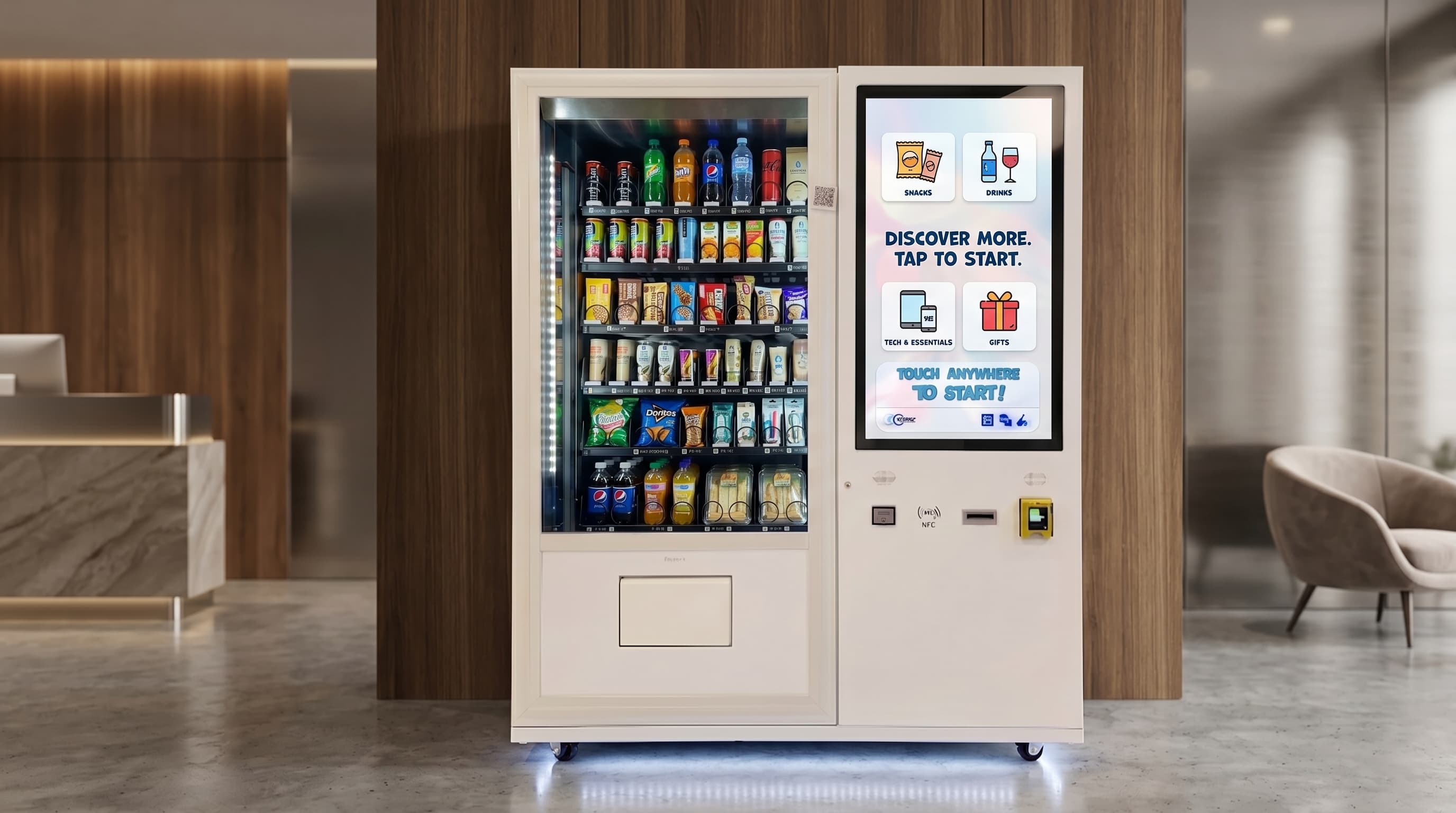
In practice, the features that matter most are the ones that reduce operational drag at scale. A touchscreen interface makes the buying experience cleaner. Cashless payment acceptance—cards, contactless, mobile wallets—removes one of the biggest reasons buyers walk away without purchasing. Cloud-based remote management lets you check machine health, stock levels, and sales data without driving to every site.
DMVI's smart vending machines include these capabilities as standard, because operators who manage a serious route quickly learn that the difference between a manageable business and a chaotic one is usually the quality of the software and telemetry layer, not the cabinet itself.
5. Plan the service rhythm before you go live
The machines that quietly disappoint operators are usually the ones where the operational rhythm was never defined. How often does each location need restocking? Who handles it and when? What happens if the machine flags a fault on a Saturday? How is payment reconciled against inventory counts?
None of this needs to be complicated, but it does need to be decided. A machine that is regularly half-empty, poorly maintained, or slow to respond to faults loses customer confidence quickly. That reputation is harder to recover from than it is to avoid in the first place. Building a simple service schedule before the machines go live costs nothing and saves real money downstream.
Ready to talk through the machine options?
DMVI builds smart vending machines for operators starting a first route and for established operators expanding into new product categories or locations. The fastest way to get an accurate picture is a conversation with the team.