Traditional Snack Dispensers vs Smart Vending Machines: Upgrade Path and Cost
A smart vending machine is a traditional snack or beverage dispenser upgraded with cashless payment, connected reporting, and cloud-managed controls that give the operator real visibility into sales, stock, and machine health. The evolution from a simple snack dispenser to smart vending does not happen in one dramatic leap. It usually happens in layers, with each layer adding more operational control and customer convenience.
That matters because many operators asking about smart vending cost are not actually deciding between an old machine and a futuristic fantasy. They are deciding which upgrade layer makes economic sense for the route they already run.
The four-layer upgrade path from traditional to smart
1. Cashless retrofit. For many MDB-compliant machines, the first smart step is simply adding a card and mobile-wallet reader. That is often the cheapest and fastest upgrade because it removes cash friction, improves convenience, and can lift ticket size without replacing the whole chassis.
2. DEX telemetry and cloud reporting. Once the machine can send performance and sales data back to the operator, restocking and maintenance stop relying on guesswork alone. The operator can see which products move, where faults occur, and which locations deserve more attention.
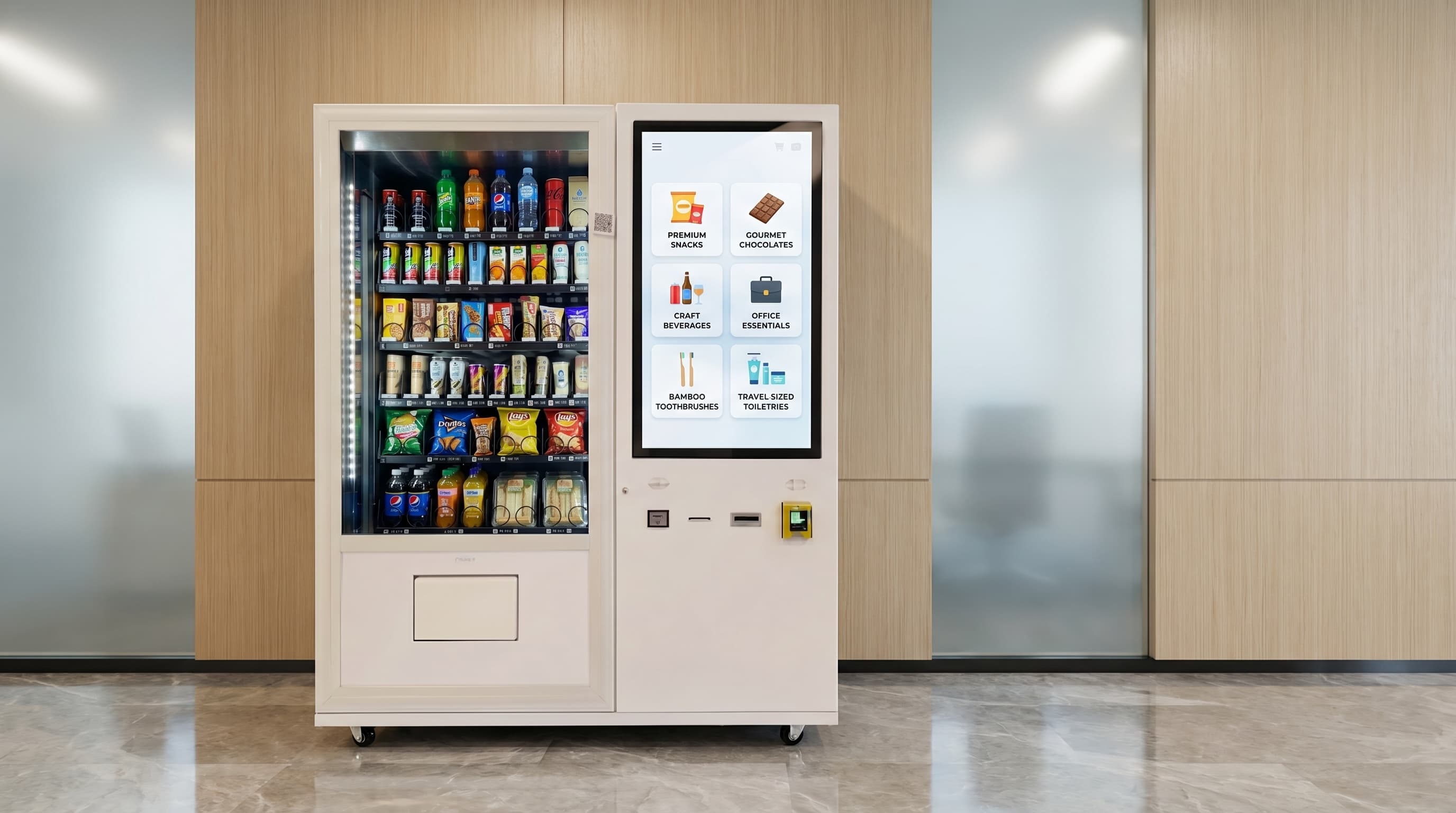
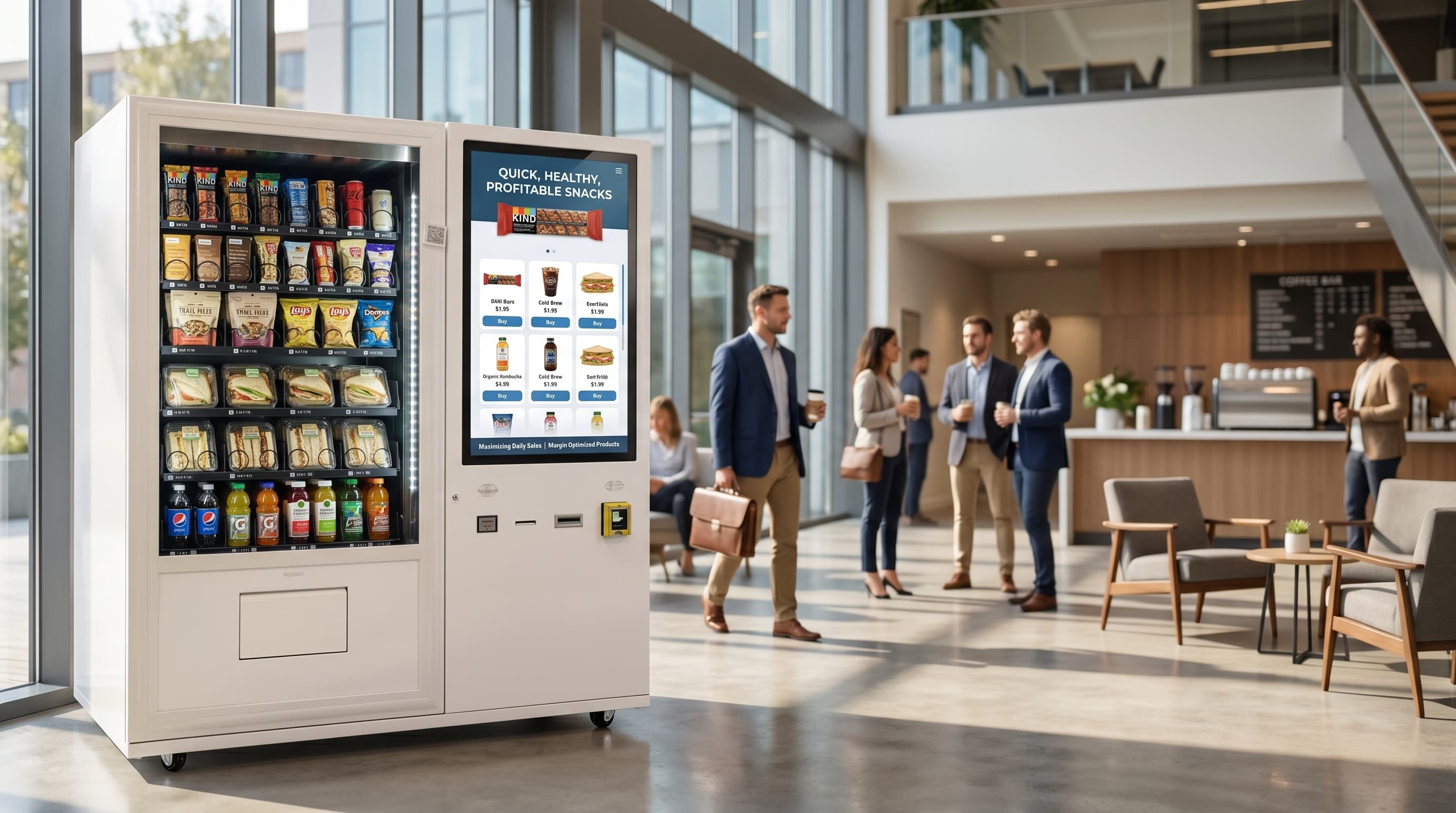
3. Touchscreen and richer UI. A larger screen changes the selling experience by supporting product images, nutrition or allergen information, promotions, and a more guided customer journey than button-and-spiral selection ever could.
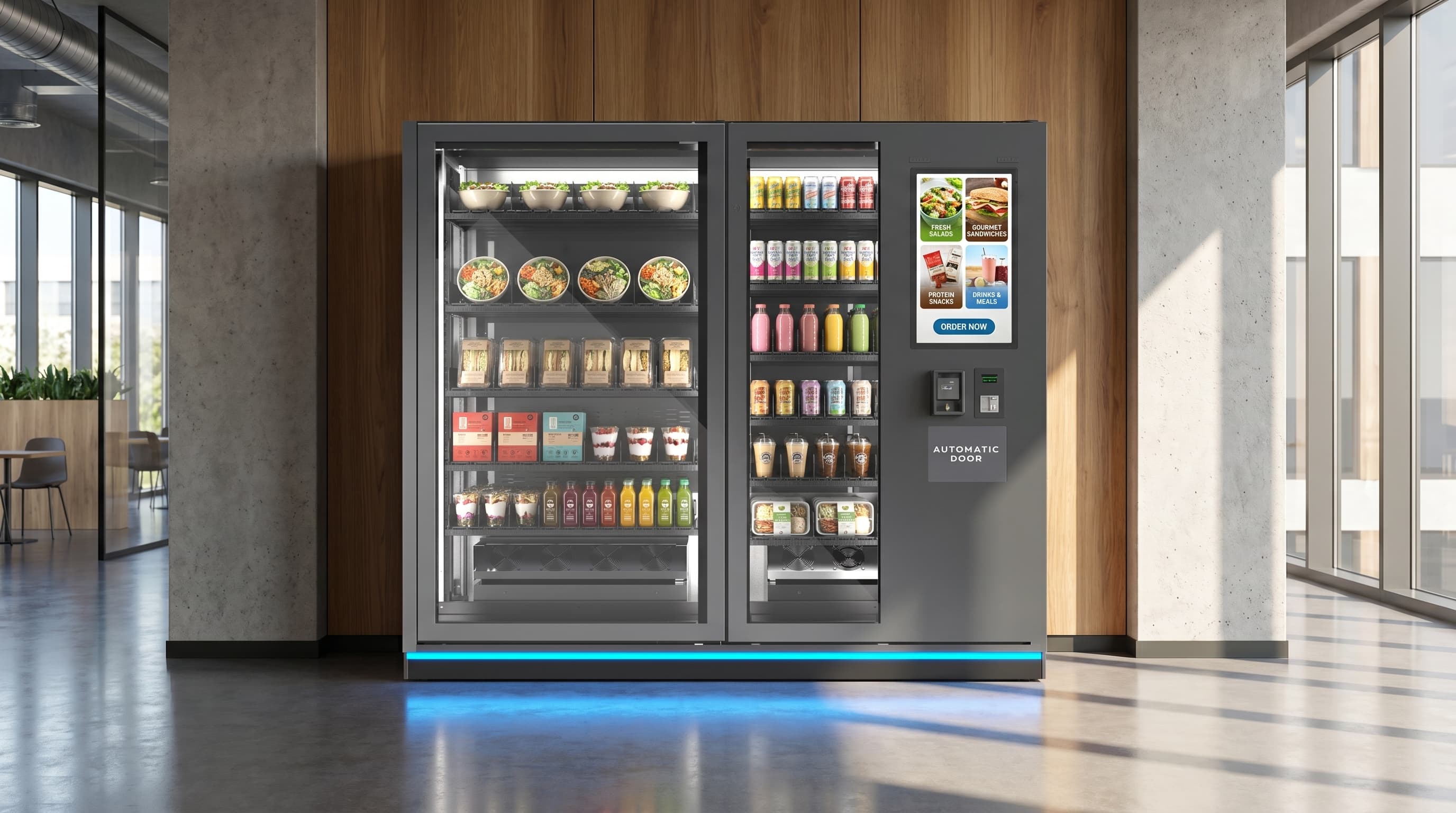
4. Full platform replacement. When the limitations of traditional spirals become the problem, the next step is no longer a retrofit but a different machine category altogether, such as a mixed-temperature or robotic smart vending platform that handles a broader SKU envelope.
Why operators move beyond traditional snack dispensers
The business case is not just that smart machines look newer. Cashless payment is now a customer expectation, route labour is expensive, stockouts damage sales quietly, and old machines provide very little data unless somebody opens the door and checks. Smart vending improves the operator’s ability to price, plan, restock, troubleshoot, and compare locations with evidence rather than folklore.
That is also why traditional machines are not obsolete overnight. If the chassis is sound and the site is simple, retrofit can be more sensible than replacement. The point is to match the upgrade layer to the actual economics of the route rather than buying complexity for the sake of having something shiny to point at.
Cost depends on which problem needs solving
“How much do smart vending machines cost?” is one of the live queries on this page, and the honest answer is that the cost range starts low and climbs quickly depending on ambition. A cashless retrofit is the entry point. A fully connected snack machine with a richer interface sits higher. A robotic or multi-zone machine that expands far beyond snack and soda sits at the top of the range.
The better question is what the operator is buying for that money: fewer wasted service trips, more pricing flexibility, better visibility into machine performance, and a wider product range where the business model supports it. Smart vending pays back when those gains are real enough to measure, not when they live only in a sales brochure with heroic adjectives.
Telemetry changes route economics more than most people expect
Traditional vending often depends on calendar-driven service. Smart vending can shift that toward need-driven service. If one machine is half full and healthy while another is nearing stockout or reporting faults, the route should not treat them as equally urgent. That sounds obvious, but it is the sort of obvious that becomes profitable only once the data exists.
That is why connected reporting often matters more than the flashy UI layer. Screens are useful; route intelligence is usually more valuable.
Accessibility still applies to smart upgrades
An upgraded machine is not an upgrade if it becomes harder to use. Reach ranges, clear floor space, readable guidance, and tactile or audio cues still matter. Smart vending should improve the transaction for more people, not narrow it to whoever happens to enjoy poking at a glossy screen without assistance.
What the evolution is really about
The evolution from traditional snack dispenser to smart vending machine is not mainly a story about AI, magic, or a machine discovering its inner destiny. It is a story about better payment acceptance, better data, better control, and better retail fit. Operators adopt smart features because the route becomes easier to run well, not because the word smart itself pays the bills.
In practice, the strongest smart vending programs are usually the ones that respected the traditional machine’s economic lessons while fixing its blind spots.
Thinking about upgrading a traditional vending route?
DMVI helps operators work out whether cashless retrofit, connected telemetry, smarter interfaces, or full platform replacement makes the most commercial sense for the route they actually have.