PPE Vending Machines: How Automated Safety Supply Dispensers Run in Industrial and Healthcare Sites
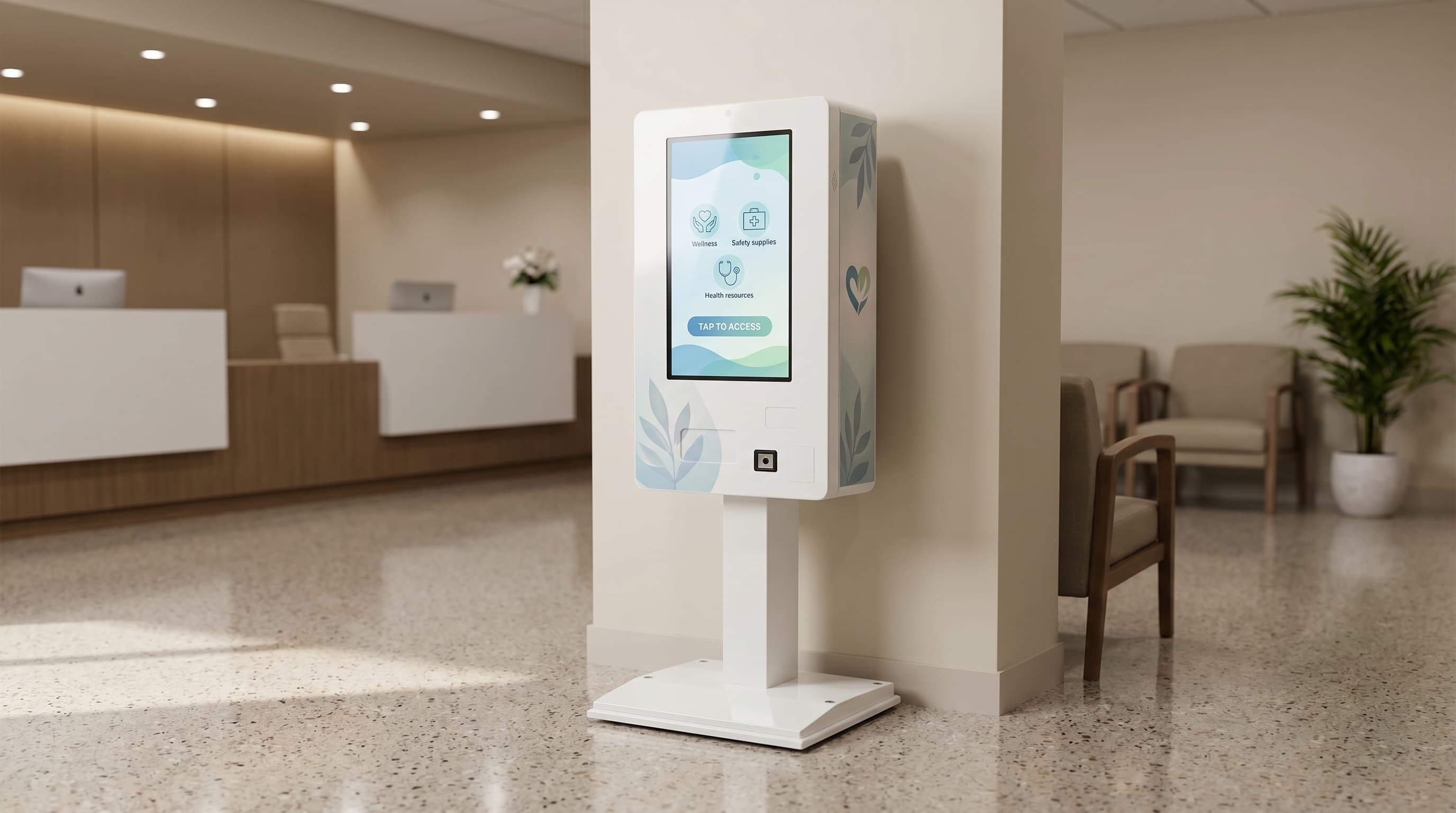
A PPE vending machine is an automated dispenser that issues personal protective equipment—gloves, masks, hearing protection, eye protection, sanitizer, and other safety SKUs—to authenticated workers at the point of use. Industrial deployments tie issuance to an employee badge or PIN so every dispense is logged against a worker, a department, and a job code, turning the machine into both a distribution point and an audit trail for OSHA and compliance reporting.
This is no longer a pandemic-response story. The durable use case is ongoing safety infrastructure: sites that need immediate PPE access, traceable issuance, and better control over waste, hoarding, and replenishment.
This post covers how PPE vending machines work, where they are deployed today, and what operators and safety managers need to evaluate before installing one.
Where PPE Vending Pays for Itself
The strongest PPE vending deployments are not emergency measures—they are permanent infrastructure solving a distribution problem that existed before COVID and will continue to exist after it. The clearest settings are:
Industrial and manufacturing facilities. Factories and warehouse operations require employees to maintain access to disposable PPE throughout shifts. A vending machine that dispenses gloves, hearing protection, disposable masks, and safety glasses on demand—with the purchase recorded against the employee's ID or cost centre—is more efficient than a staffed supply room and creates an automatic restocking and inventory record for compliance purposes.
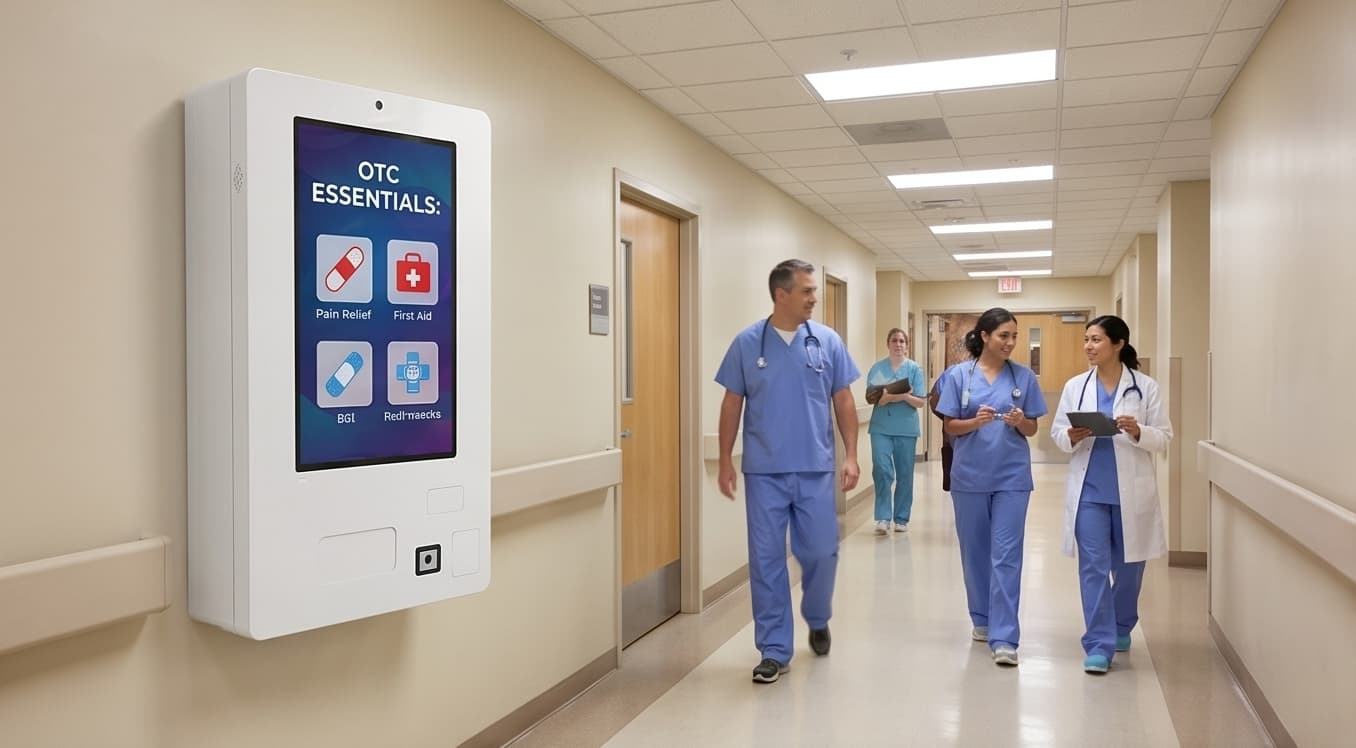
Healthcare and hospital facilities. Staff PPE access is a continuing requirement, not a pandemic-era one. Machines that provide disposable PPE at point-of-need locations throughout a facility—near patient rooms, in treatment areas, at building entry points—reduce the friction of supply room access and ensure availability across shifts.
Construction sites. Site access to PPE needs to be immediate and location-flexible. A machine that can be moved with a site and stocked with the specific safety items required for that project is more flexible than traditional storage room arrangements.
Airports and transit hubs. Post-pandemic, the infrastructure for traveller-facing PPE access remains in some airports and transit systems, though the product mix has shifted toward standard personal care items and hand sanitizer in many cases.
Universities and education facilities. Lab access and some programme-specific requirements maintain demand for PPE access on campus, particularly in science, healthcare, and engineering faculties.
What Makes PPE Vending Different from Standard Snack Vending
PPE products create specific configuration challenges that standard snack vending hardware is not designed to handle:
Product dimensions. Boxes of gloves, safety glasses, hearing protection, and disposable masks come in sizes and shapes that do not fit standard coil slots designed for packaged food. Machine configuration needs to be built around the actual product mix.
Weight and dispensing path. Some safety supply packs are heavier than a typical vending product. The dispensing mechanism needs to handle the weight without jamming or damaging the product.
Access control and accountability. Industrial PPE vending often requires employee ID verification so supply consumption can be tracked per worker or per cost centre. This is different from open-access consumer vending and requires an access control layer in the machine configuration.
A custom vending machine designed around the specific PPE products, access model, and reporting requirements of the deployment avoids these problems. Standard machines adapted for safety supplies often create product-fit and configuration issues that undermine the efficiency the machine was supposed to deliver.
Inventory Control Is the Real Business Case
In industrial settings, running out of PPE is not a convenience problem—it is a safety and compliance problem. Machine management platforms that provide real-time inventory monitoring and low-stock alerts are essential for safety supply vending in regulated workplaces. The operator or facility safety manager needs to know that the machine is adequately stocked before a shift starts, not after someone reports an empty machine mid-shift.
The headline business case is not the cabinet itself. It is the consumption visibility. A site that tracks every issued glove, mask, and respirator against a worker can identify hoarding, short consumable cycles, and SKU substitution patterns that a manual cribroom cannot.
Access Models: Open, ID-Gated, and Chargeback
PPE vending deployments use different access and payment models depending on the context:
- Open access with cashless payment: Standard consumer vending model. Appropriate for public-facing locations like transit hubs or university common areas.
- Employee ID access with chargeback: The machine reads an employee ID card and charges the supply cost to the employee's department or cost centre. Common in industrial settings where PPE is a company-funded requirement.
- Free access with institutional funding: The machine dispenses products without payment. Used in some healthcare settings where staff PPE is a facility cost rather than an individual purchase.
Planning a PPE or safety supply vending deployment?
DMVI builds custom-configured vending machines for safety supply and PPE distribution in industrial, healthcare, construction, and institutional settings—with product-specific dispensing configuration, ID access control options, and remote inventory monitoring. Talk to the team about your deployment requirements.