Plan B and Contraception Vending Machines on College Campuses: How They Work
Important note: This page describes how campus health vending programmes operate from a technology and operations standpoint. It is not medical advice. Students with personal health questions about emergency contraception or any other reproductive-health product should speak with a licensed healthcare provider, their student health centre, or a qualified pharmacist. Product availability, pricing, and access rules are set by the host institution.
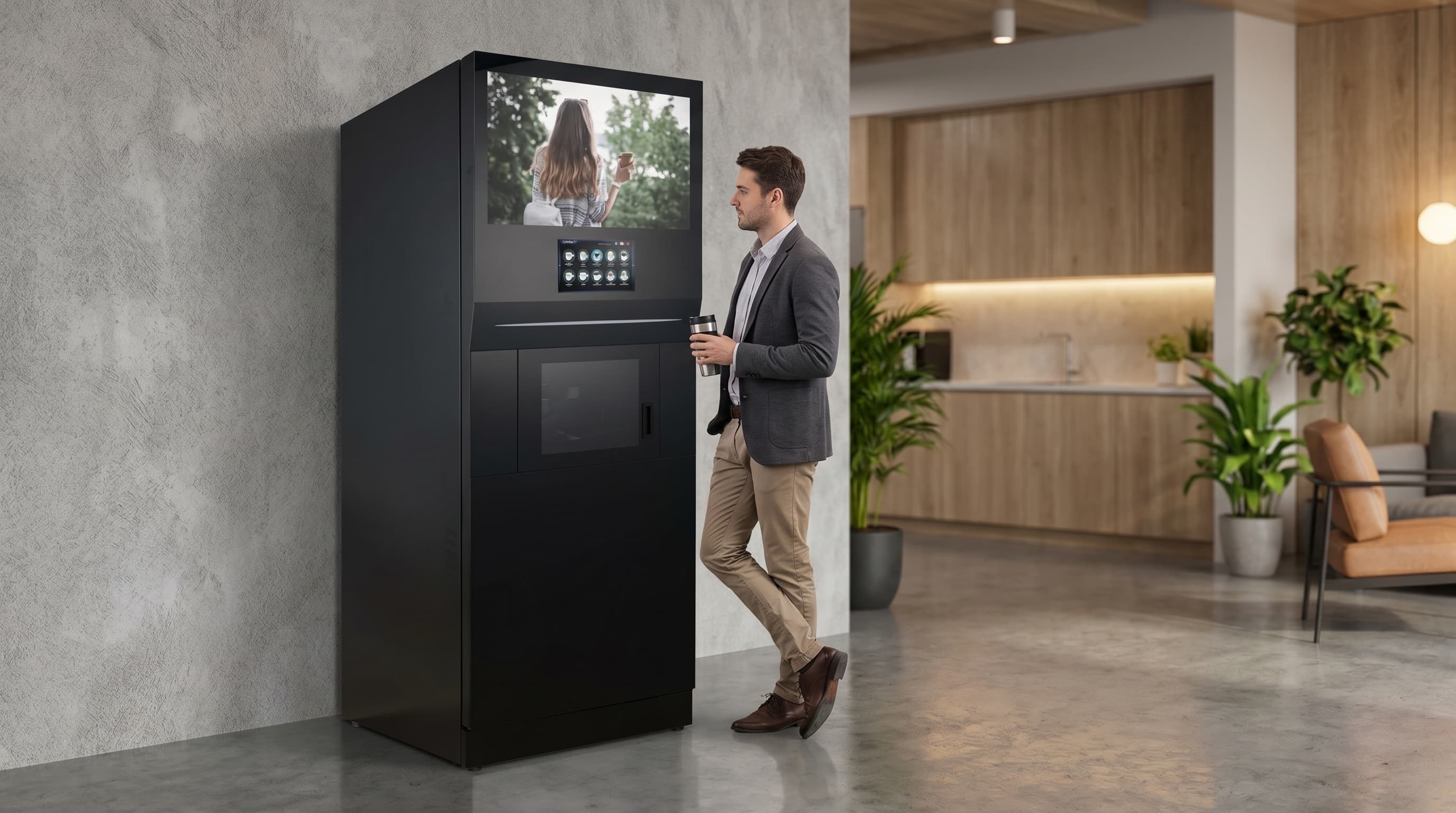
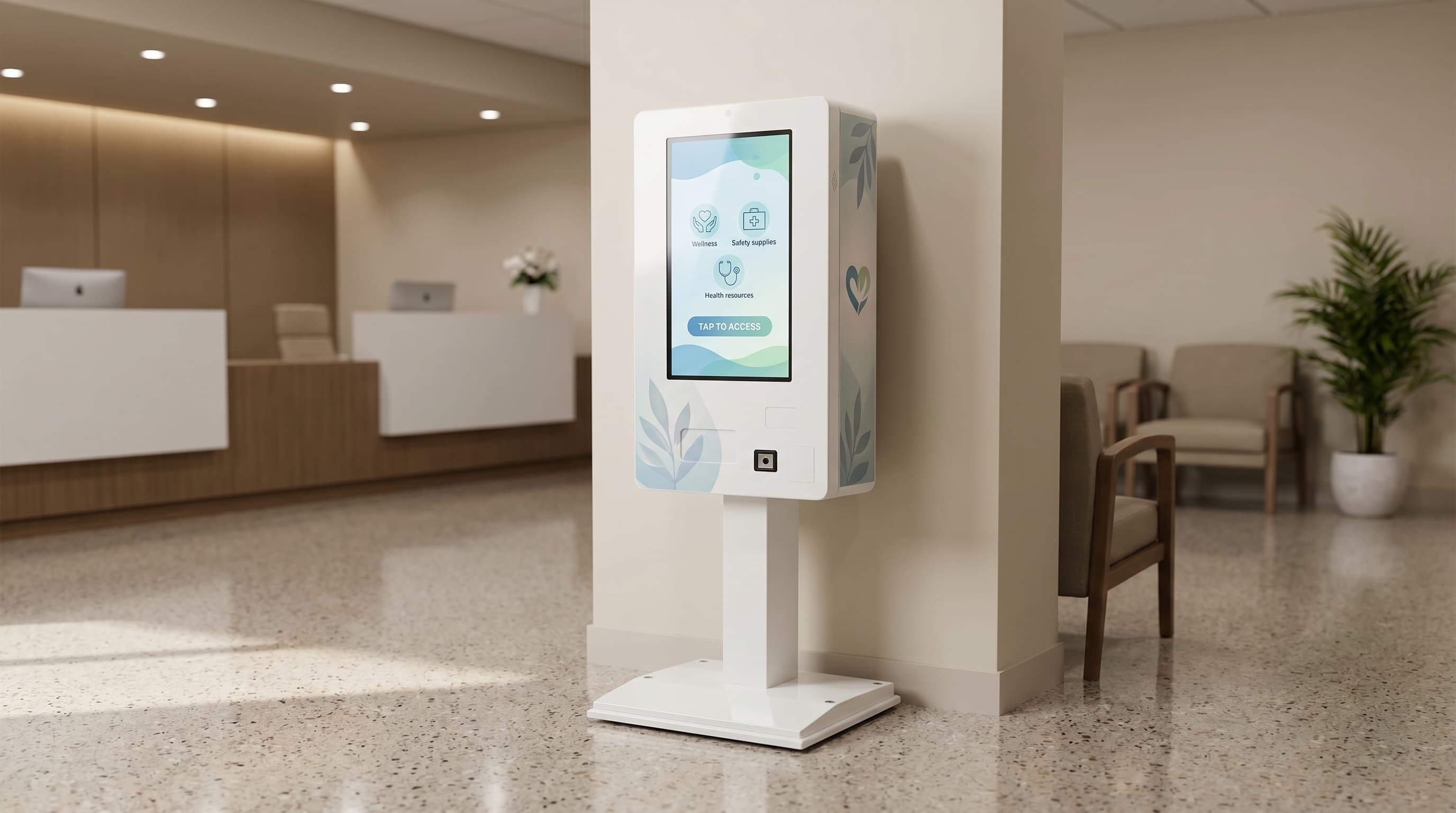
A campus health vending machine is a custom-configured automated retail cabinet that dispenses non-prescription sexual-health and over-the-counter products, including emergency contraception, condoms, pregnancy tests, menstrual products, and related items, as part of a college or university's health infrastructure. The model has moved well past novelty status. Multiple universities now operate these machines as part of student-health access programmes, largely because 24/7 availability reduces friction around time-sensitive purchases and private access matters in the real world (Inside Higher Ed, USA Today, Boston University).
What campus health vending machines actually dispense
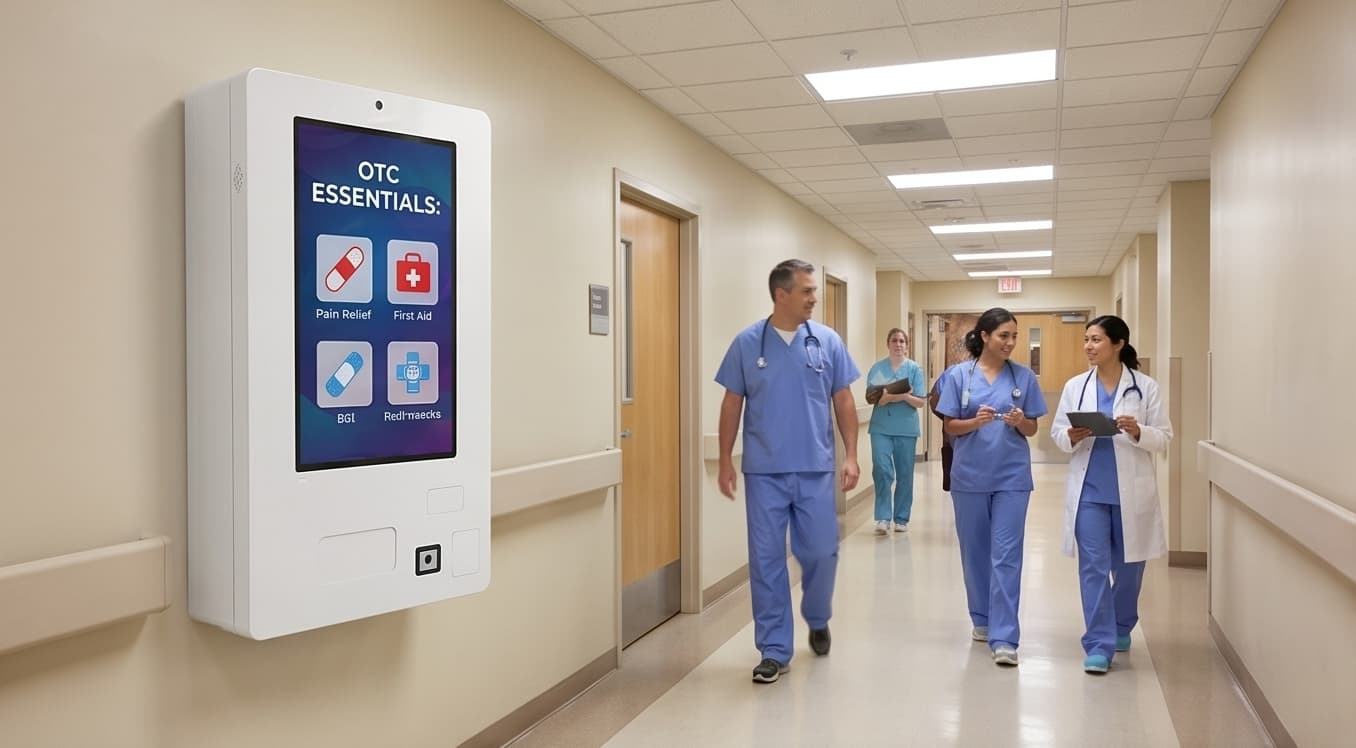
Product mix varies by institution, but the common pattern is broader campus-health access rather than a single-SKU emergency-contraception box. Typical assortments include emergency contraception products such as Plan B One-Step or equivalent levonorgestrel OTC products, condoms, pregnancy tests, menstrual products, basic OTC pain or cold remedies, and related sexual-health items. Some campuses extend the assortment to lubricants, UTI test kits, harm-reduction products, or other wellness items depending on programme design and campus policy.
The practical reason for that broader mix is simple: normalising the cabinet as a health-access point is usually more institutionally sensible than building a machine around one sensitive SKU alone.
Why campuses implement this model
The institutional case is mostly about friction reduction. Campus health centres are not always open at midnight, on weekends, or over breaks. Vending machines are. When access to emergency contraception is time-sensitive, an off-campus pharmacy trip or a wait until business hours can change the outcome. Privacy is the second driver: some students avoid staffed counters for personal-health items because of stigma or discomfort. A machine placed in a health centre, residential hall, or other trusted campus location provides access without a face-to-face interaction.
Cost can matter too. Some institutions subsidise products directly through campus health services or grants, which can lower student pricing below local retail and turn the programme into a public-health access tool rather than a margin exercise.
Machine configuration and product handling
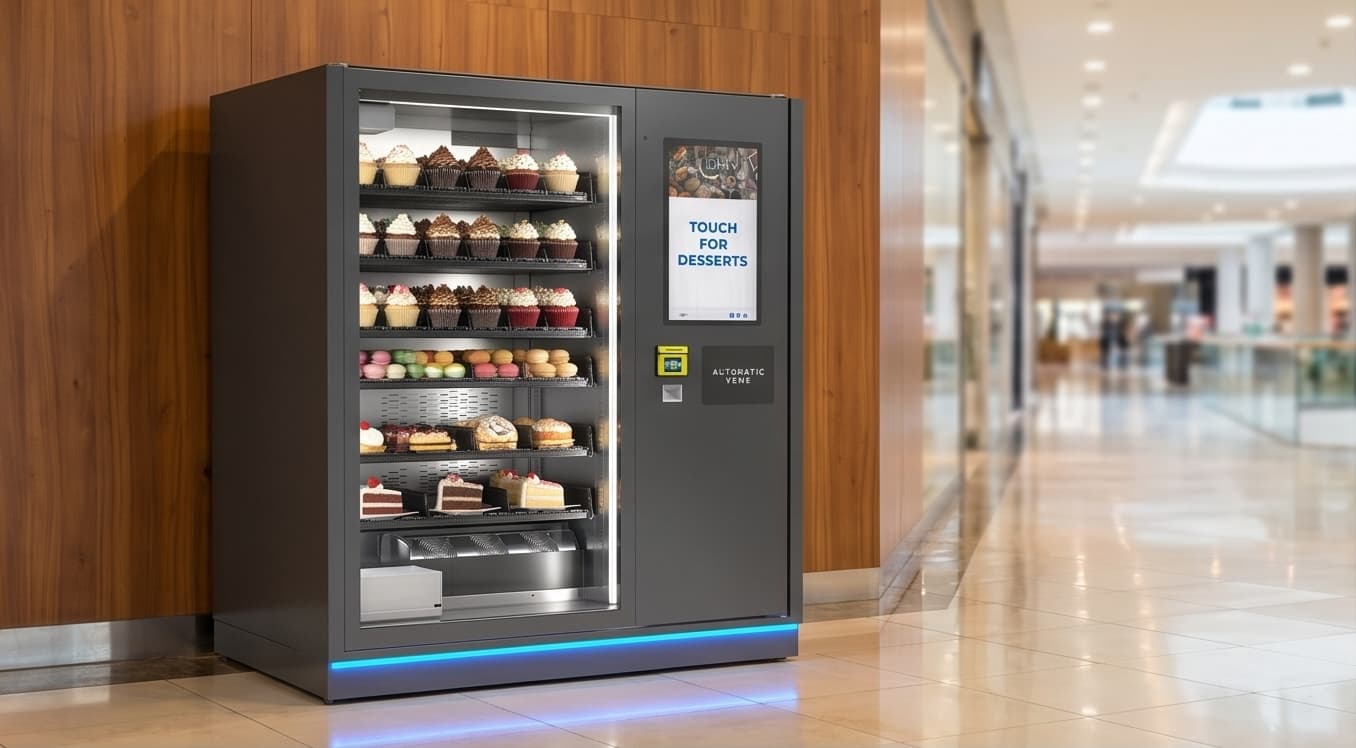
Campus health vending machines are usually custom-configured rather than treated like ordinary snack machines. Product dimensions, packaging integrity, expiry handling, and dispensing reliability all matter more for OTC health products than for snacks. Standard coil machines can handle some products, but the configuration should be tested against the real assortment rather than assumed because the box size, weight, and tamper expectations are different.
A custom vending machine scoped around the institution's actual product mix gives campus health staff a better chance of reliable dispensing, cleaner restocking, and fewer unpleasant surprises after launch.
Pricing, access, and payment models
Campus health vending programmes usually land in one of three models: subsidised or free access funded through health fees or grants, standard retail-style pricing with possible reimbursement paths, or cost-recovery pricing designed to cover product cost without commercial margin. Payment should be contactless-capable and simple. Campus card, mobile wallet, and chip-card support are far more realistic than cash-only access for a sensitive-product cabinet because the wrong sort of friction defeats the point of the programme (MDB/ICP, Nayax vending systems).
Privacy and the small-data discipline
Privacy should be treated as a design principle rather than a footnote. A campus health cabinet should collect the smallest data set that still supports operations: product sold, time, payment authorization, stock level, and replenishment events. Cameras, audience analytics, and identity-linked promotions are usually the wrong fit for a sensitive-product cabinet because the institutional purpose is reducing access friction and preserving privacy, not building a media surface.
If any additional data collection is enabled, the institution should disclose it clearly on the machine and in campus policy materials. A sensitive-product programme should be more explicit than average, not less.
What campus health departments need to evaluate
Five practical decisions usually determine whether the programme works. First, product mix and sourcing: what exactly will the cabinet carry, and who owns procurement and expiry rotation? Second, placement: which location combines access with privacy? Third, restocking ownership: campus health staff, facilities, pharmacy, or an outside operator? Fourth, pricing: subsidised, retail, or cost-recovery? Fifth, verification: most programmes choose open access because requiring an ID can undermine the accessibility rationale, though some subsidised models restrict pricing through campus-card payment rather than identity-linked tracking.
The important framing is that this is a public-health programme with vending technology underneath, not a novelty retail machine with a more delicate product mix.
Planning a campus health or sensitive-product vending programme?
DMVI can scope the machine configuration, product mix, access model, payment flow, and privacy guardrails for institutions building campus health access programmes.