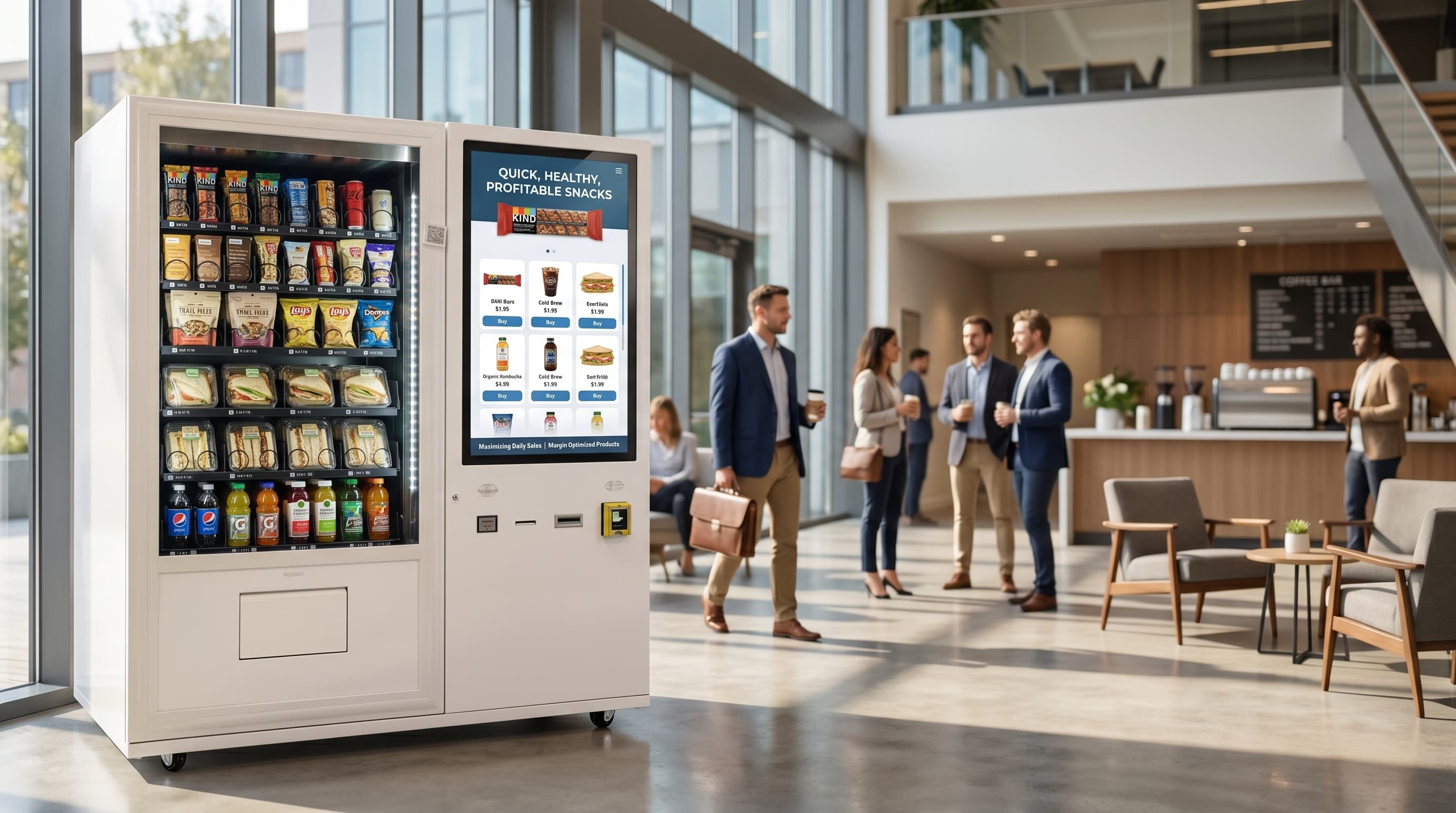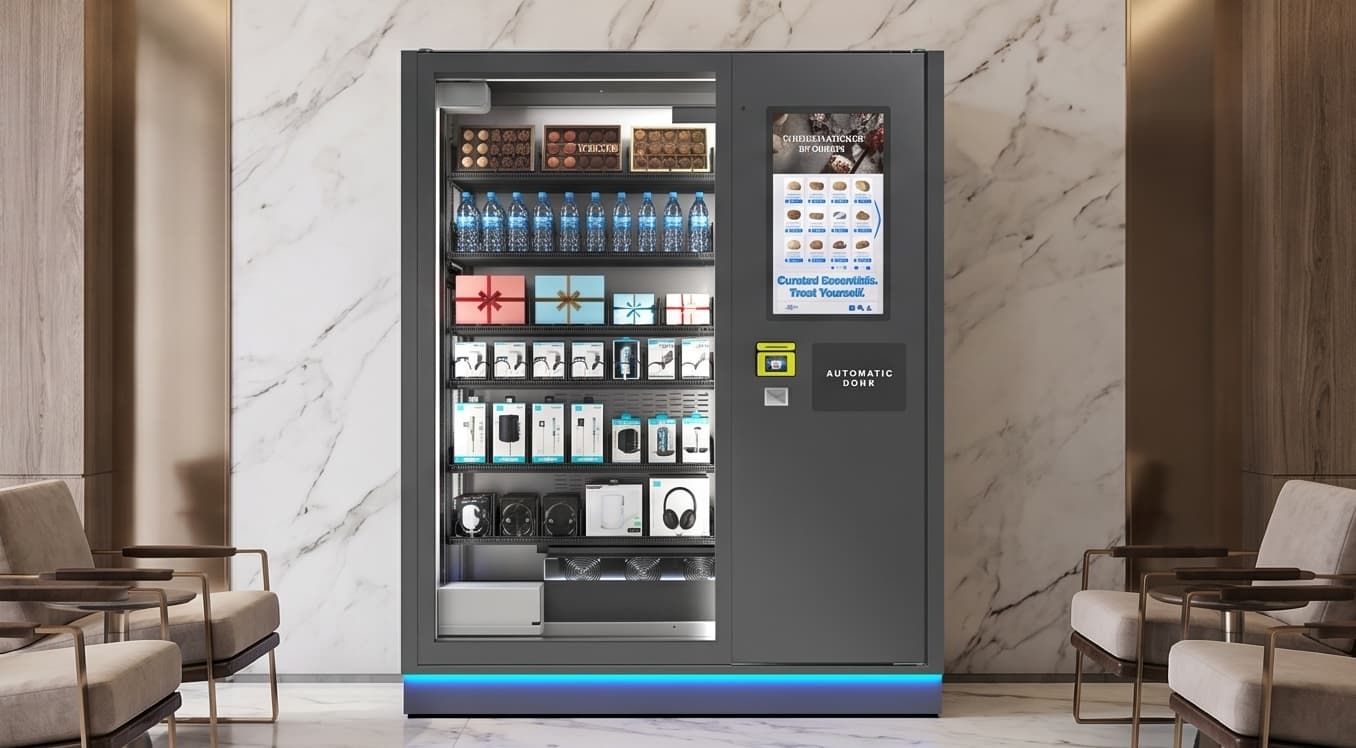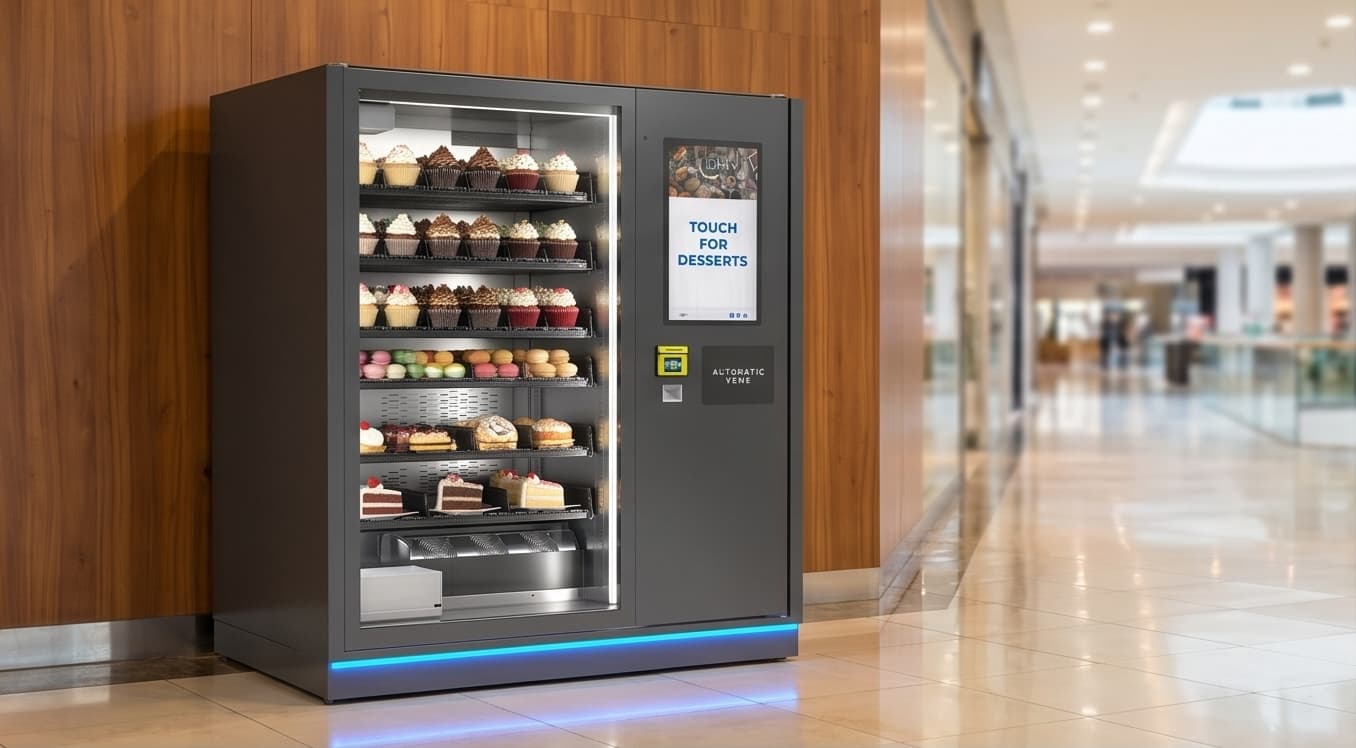
Controlled-Dispensing Vending Machines: How Retailers Reduce Shrink on High-Value Merchandise
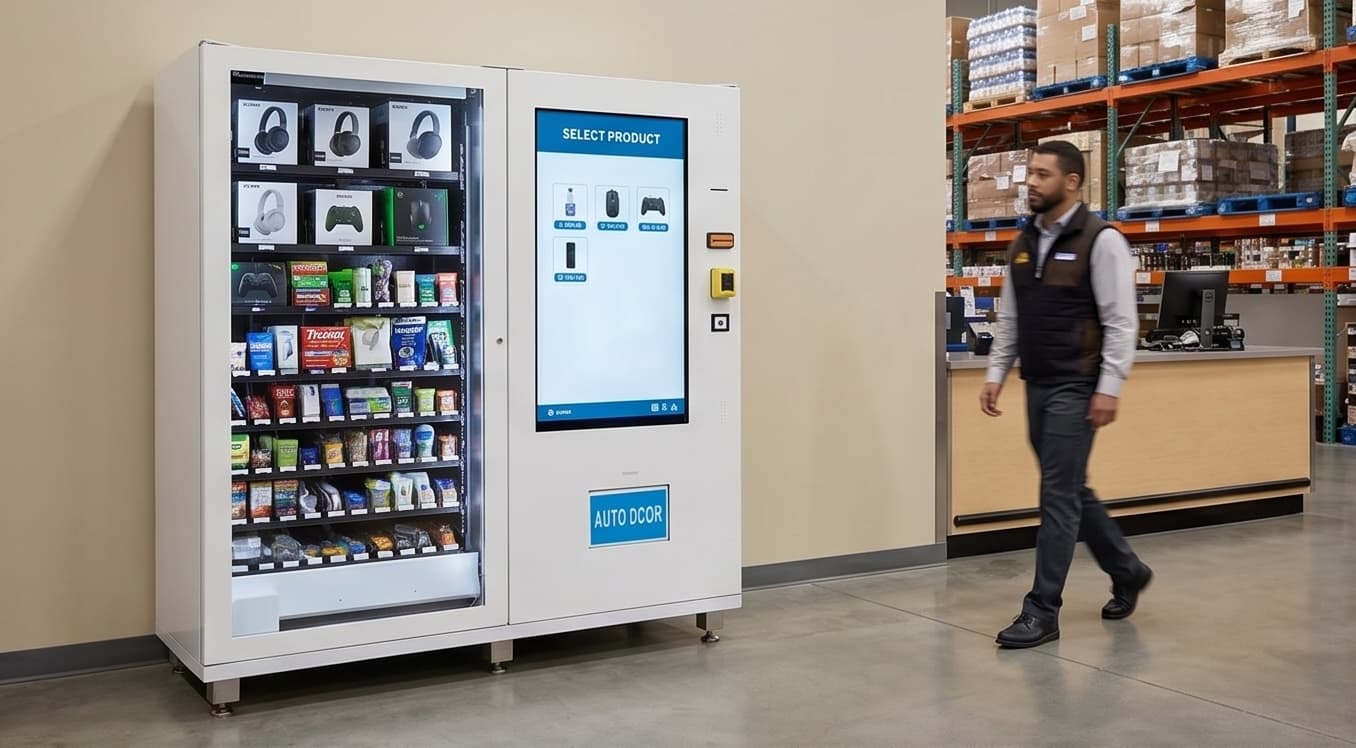
A controlled-dispensing vending machine is an automated retail cabinet designed around access control rather than open-shelf browsing. It keeps high-value or theft-prone merchandise visible on the sales floor while requiring payment before the product is released. That matters because many retailers face the same awkward commercial problem: the items most likely to be stolen are often the same items that need to stay visible to sell properly. Put them behind a service counter and conversion suffers. Leave them loose on a shelf and shrink gets rather sporty.
Controlled dispensing is the middle path. The product stays merchandised in front of the customer, but the actual handoff sits behind cabinet security, cashless payment, and a logged transaction trail. It is not theoretical. Retailers use this model for electronics accessories, OTC health items, beauty, premium tools, PPE, and other categories where open access is simply too generous.
The commercial case for controlled dispensing
Retail shrink is not a rounding error. According to the NRF National Retail Security Survey 2023, average shrink reached 1.6% of sales in fiscal year 2022, with total US retail losses estimated at $112.1 billion. Loss tends to concentrate in compact, high-value, easy-to-conceal products: electronics accessories, OTC products, cosmetics, fragrance, batteries, and similar items. Controlled-dispensing cabinets target exactly that problem by removing the open-access loss vector while preserving self-service selling.
For the right SKU set, that changes the economics materially. The cabinet costs more than open shelving, obviously, but open shelving has the nasty habit of losing inventory.
How controlled dispensing differs from standard vending
Standard snack vending is built for cheap, durable, fast-moving packaged goods. Controlled-dispensing retail cabinets are built around security, higher value, and product protection. The differences show up in three places. First, cabinet security: heavier construction, reinforced access points, sealed internal compartments, and tamper-resistant doors. Second, dispense path: products are released through guided, soft-drop, or controlled retrieval systems instead of simply falling into a chute, which matters for fragile electronics, premium beauty, and other non-droppable products. Third, audit visibility: every dispense, door event, fault, and payment attempt can be logged through connected telemetry instead of waiting for an inventory count to reveal the damage.
So while the cabinet may still look like part of the vending family, operationally it behaves more like a locked, self-service retail fixture with a transaction engine attached.
Where retailers use controlled-dispensing vending in practice
This format shows up wherever shrink and product value collide. Pharmacies and health retail use it for OTC medications, family-planning products, and high-shrink personal-care lines. Electronics retail uses it for chargers, cables, batteries, earbuds, and mobile accessories. Industrial and clinical environments use similar cabinets for tools, PPE, and consumables because the same access-control logic that reduces theft also improves accountability. Beauty and fragrance are another obvious fit because the cabinet protects both the product and the presentation.
The common thread is simple: the merchandise needs to stay available to buyers, but open access costs too much.
What a high-value controlled-dispensing cabinet needs
Specifying the cabinet properly matters more than the label on the brochure. The steel gauge, locks, and internal compartment design have to match the threat profile of the venue. A hospital PPE cabinet, a big-box electronics cabinet, and a convenience-store beauty cabinet do not face identical risks. The payment stack should support modern cashless behaviour, and the telemetry layer should capture enough detail for loss-prevention teams to reconcile events quickly. If the cabinet is protecting fragile or presentation-sensitive items, the dispense mechanism has to move products without punting them down a metal chute like they have offended it personally.
In other words, the machine should be chosen around the SKU, the venue, and the shrink pattern — not just around which rendering looked flashiest in a sales deck.
What controlled dispensing does not solve
Controlled dispensing is not a magic anti-theft charm. It does not replace loss-prevention staff, fix supply-chain leakage, or eliminate the need for basic operational discipline. It reduces a specific kind of in-aisle shrink on the products it actually holds. Retailers still need sensible audit habits, exception review, servicing, and placement logic. Used well, it is a strong tool. Used lazily, it becomes an expensive cabinet with unrealistic expectations pinned to it.
Evaluating controlled dispensing for high-value merchandise?
DMVI builds controlled-dispensing and custom vending solutions for retail, healthcare, workplace, and hospitality environments where open shelving is creating a shrink problem on specific product lines.