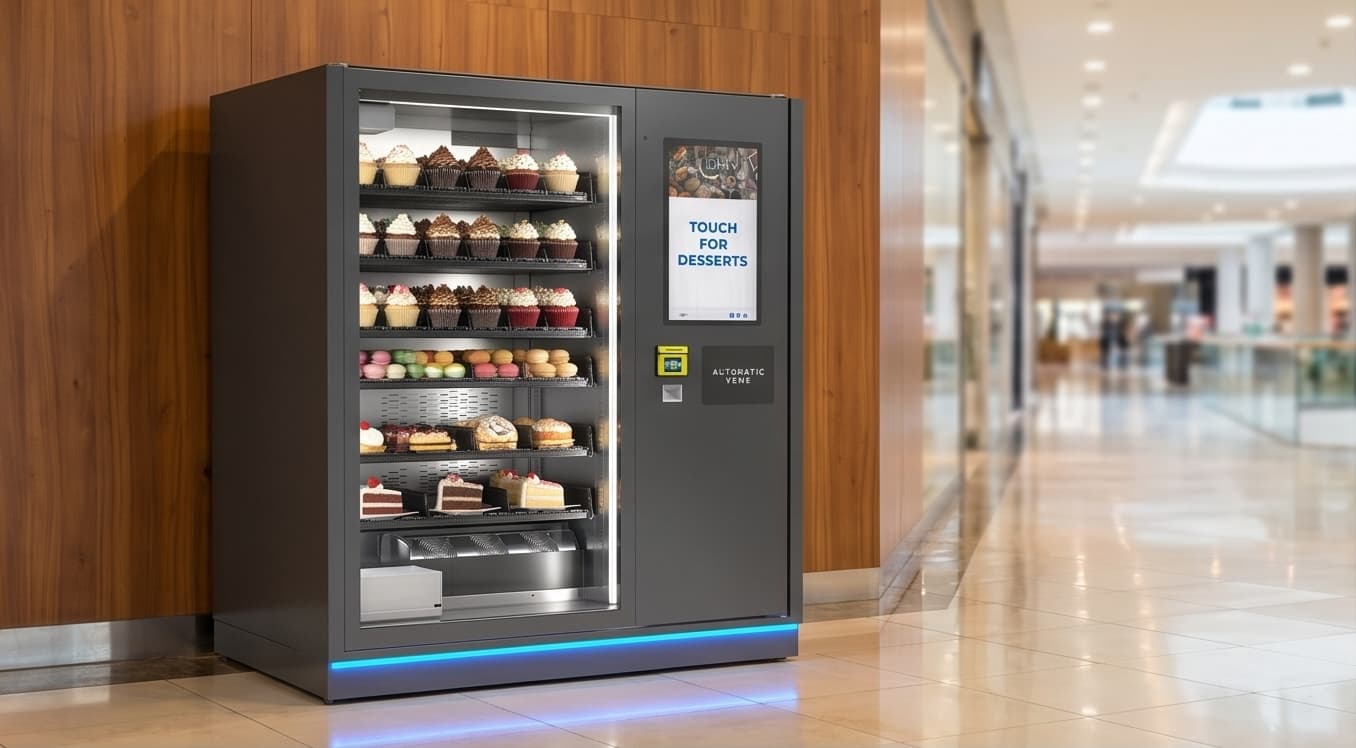
Healthcare Vending Solutions: What Hospitals and Medical Facilities Actually Use Vending Machines For
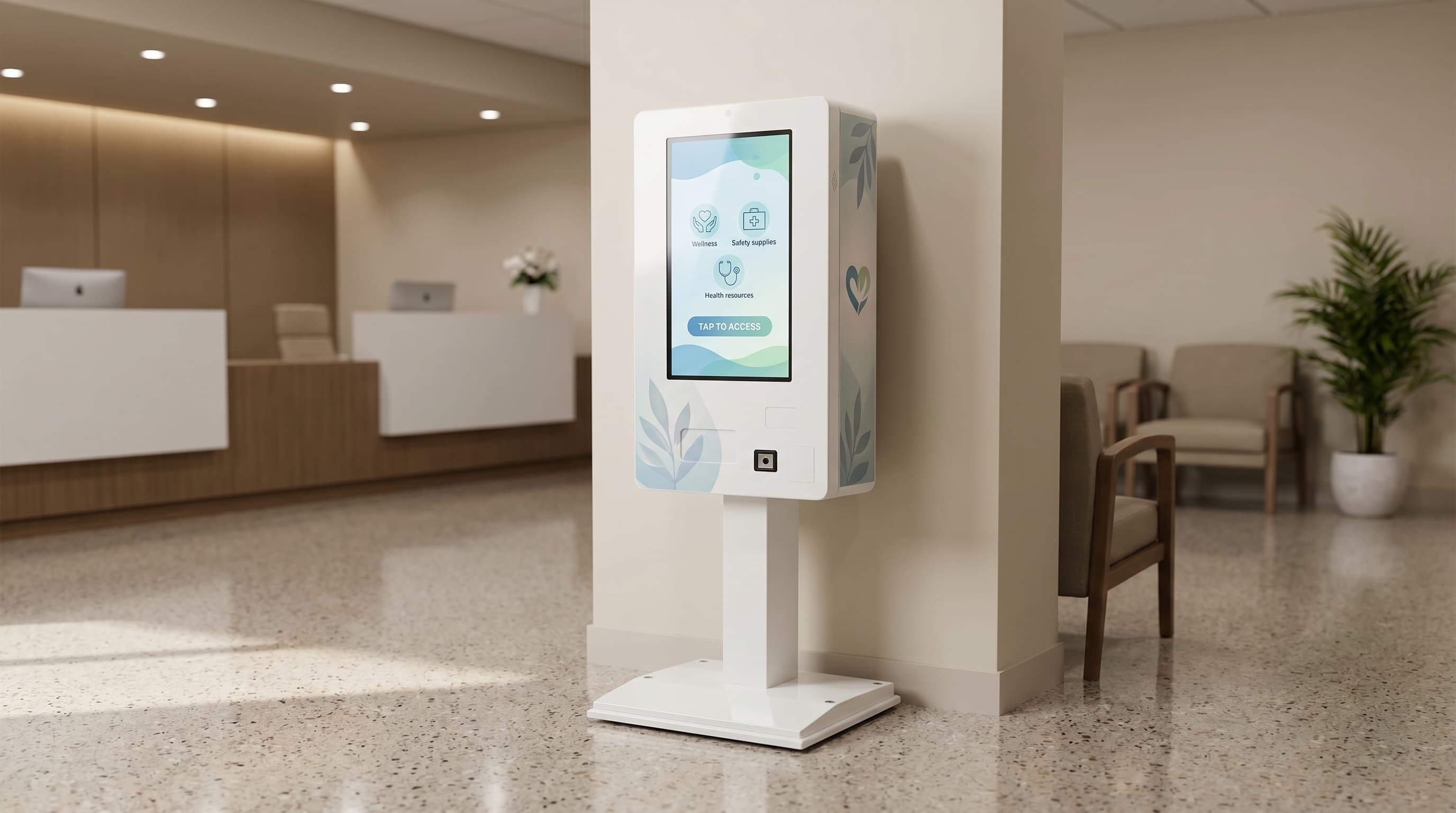
A healthcare vending solution is a vending or controlled-dispensing cabinet placed inside a hospital, clinic, or medical facility to provide food, drinks, personal care, OTC products, PPE, or clinical consumables to staff, patients, and visitors. The basic reason these machines exist has not changed in decades: hospitals never really close, but canteens, gift shops, and staffed retail points very much do.
What has changed is the role the machines can play. Modern healthcare vending is not limited to a sad biscuit and fizzy-drink corner. Smart cabinets now support refrigerated meals for overnight staff, visitor convenience in long-wait environments, personal care access for patients, and controlled dispensing for PPE or medical consumables where accountability matters as much as availability.
Who healthcare vending actually serves
Hospitals and medical facilities have several different user groups, and their needs are not identical. Clinical and administrative staff need reliable off-hours access during nights, weekends, and long shifts. Visitors and family members need convenient food, drinks, and small essentials without trekking out of the building. Patients who are ambulatory may need hydration, snacks, or personal care items without relying on family or ward staff to fetch them. In some settings, the cabinet is also serving clinical teams directly through controlled access to gloves, masks, gowns, and other consumables.
That means a hospital vending planogram should be built around the specific placement zone, not around a one-size-fits-all machine fill. The corridor outside an emergency department wants different products from an overnight staff room or a maternity waiting area.
What healthcare vending machines actually sell
Food and beverage remain the foundation: snacks, hydration, hot drinks, and where the cabinet supports refrigeration, sandwiches, salads, wraps, and meals. Patient- and visitor-facing machines often add OTC and personal-care lines such as pain relief, antacids, toothbrushes, toothpaste, deodorant, baby or parental supplies, and other small necessities. In more operational or clinical lanes, controlled-dispensing cabinets can issue PPE, masks, gloves, gowns, and similar consumables under staff access rules.
The useful distinction is whether the cabinet is functioning as retail, convenience support, or supply-chain infrastructure. Healthcare sites often need all three, just not in the same corridor.
Why smart vending changes the healthcare model
Smart vending machines improve healthcare deployments because the operator can see stock movement, faults, and demand patterns without waiting for a scheduled visit to discover an empty machine or a failed payment reader. Cashless buying also matters more in hospitals than some operators assume. Staff, visitors, and contractors are far more likely to pay by card or phone than to carry coins specifically for the privilege of acquiring a limp granola bar at 2 a.m.
Telemetry also helps facilities and operators decide what belongs in the cabinet. A machine near an inpatient lounge may justify chilled meals and hydration, while a machine near outpatient entrances may need lighter snacks and drinks. Connected data makes that adjustment much less guessy, which is helpful because guesswork is a fairly poor procurement strategy.
Where hospital placements work best
The strongest placement zones are usually emergency department waiting areas, visitor corridors near inpatient floors, overnight staff break rooms, outpatient entrances, and nurse- or supply-adjacent areas where controlled dispensing supports clinical operations. These locations work because they combine access need, dwell time, and limited alternatives. A machine tucked somewhere convenient for the procurement team but useless for the people actually buying from it will, unsurprisingly, perform like a decorative cabinet.
Placement also has to respect hospital realities: approvals, ADA access, electrical and network availability, infection-control expectations, and the facility’s own service standards. Healthcare placement is not a hobbyist vending route with better wallpaper.
Procurement and operating reality
Hospitals buy vending in more than one way. Food-and-beverage cabinets may sit under facilities or food-service agreements. PPE and clinical-consumable cabinets may sit under supply-chain or operational contracts because they are acting as accountability infrastructure rather than pure retail. That matters because the stakeholder list is wider: facilities, procurement, clinical leadership, infection control, food-service, and sometimes public-health or patient-experience teams all get a say.
The operator who understands that internal complexity tends to win better deployments than the one who pitches the entire sector as though it were just another office lobby.
Planning a healthcare vending deployment?
DMVI helps hospitals, clinics, and medical facilities match machine format, product mix, and controlled-dispensing requirements to the actual user population at each placement zone.