Autonomous Convenience Store Vending Machines and Smart Touchscreen Kiosks
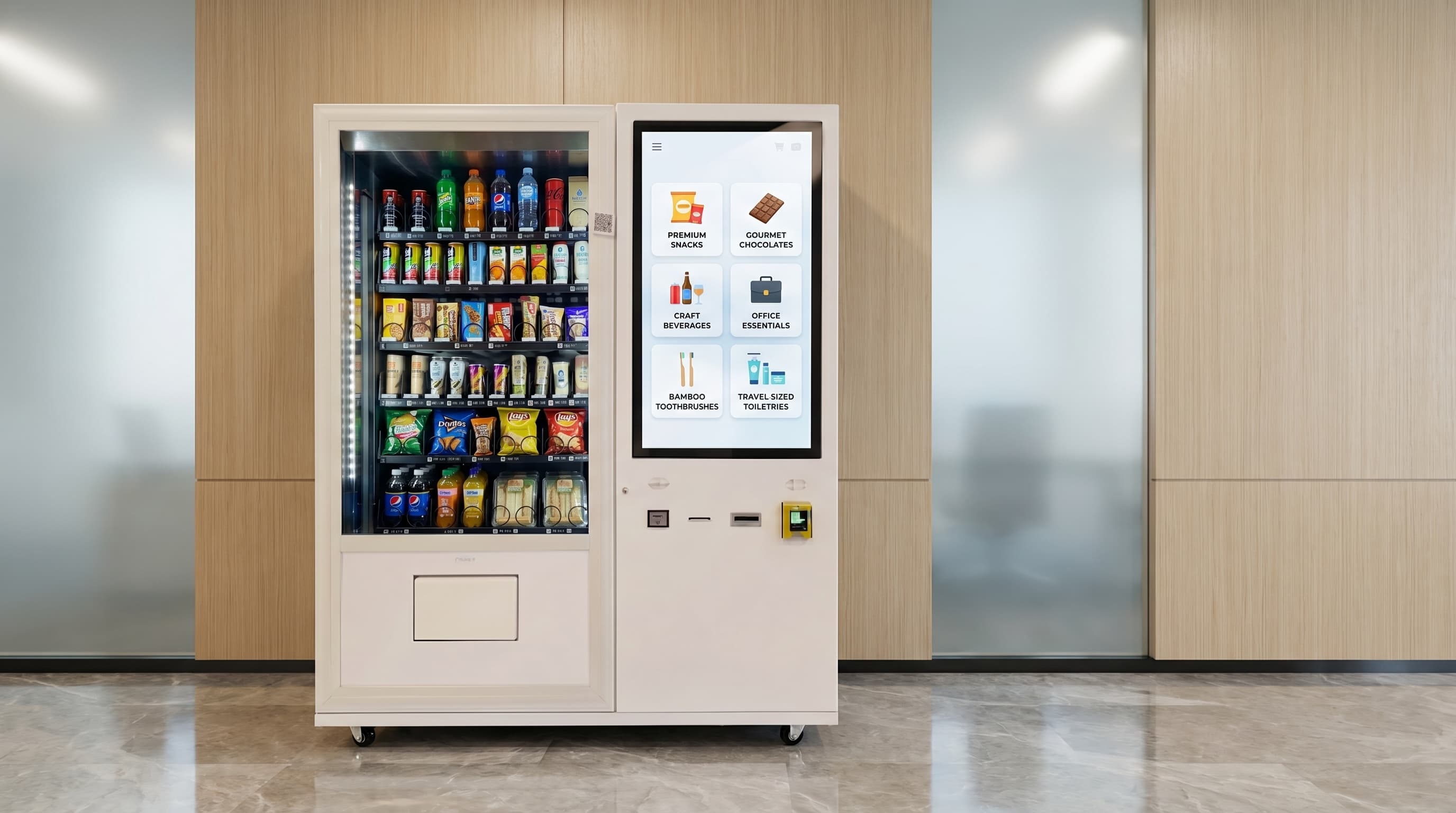
A smart touchscreen vending machine is a self-service automated kiosk that replaces the old button-and-coin-slot interface with a large interactive display, a cashless payment layer, and a connected management platform. When those kiosks are configured to cover a broader convenience assortment — snacks, drinks, fresh food, personal care, and other daily-needs products — they become part of an autonomous convenience-store model rather than just a fancier snack machine.
That distinction matters for operators trying to rank for convenience-store vending and automated vending kiosk searches. This page is not about phones and high-value electronics; that is a different operating problem. Here the real question is how a touchscreen vending format can deliver convenience-store breadth in locations that need 24/7 access but cannot support a full staffed shop.
What makes an autonomous convenience-store vending setup different
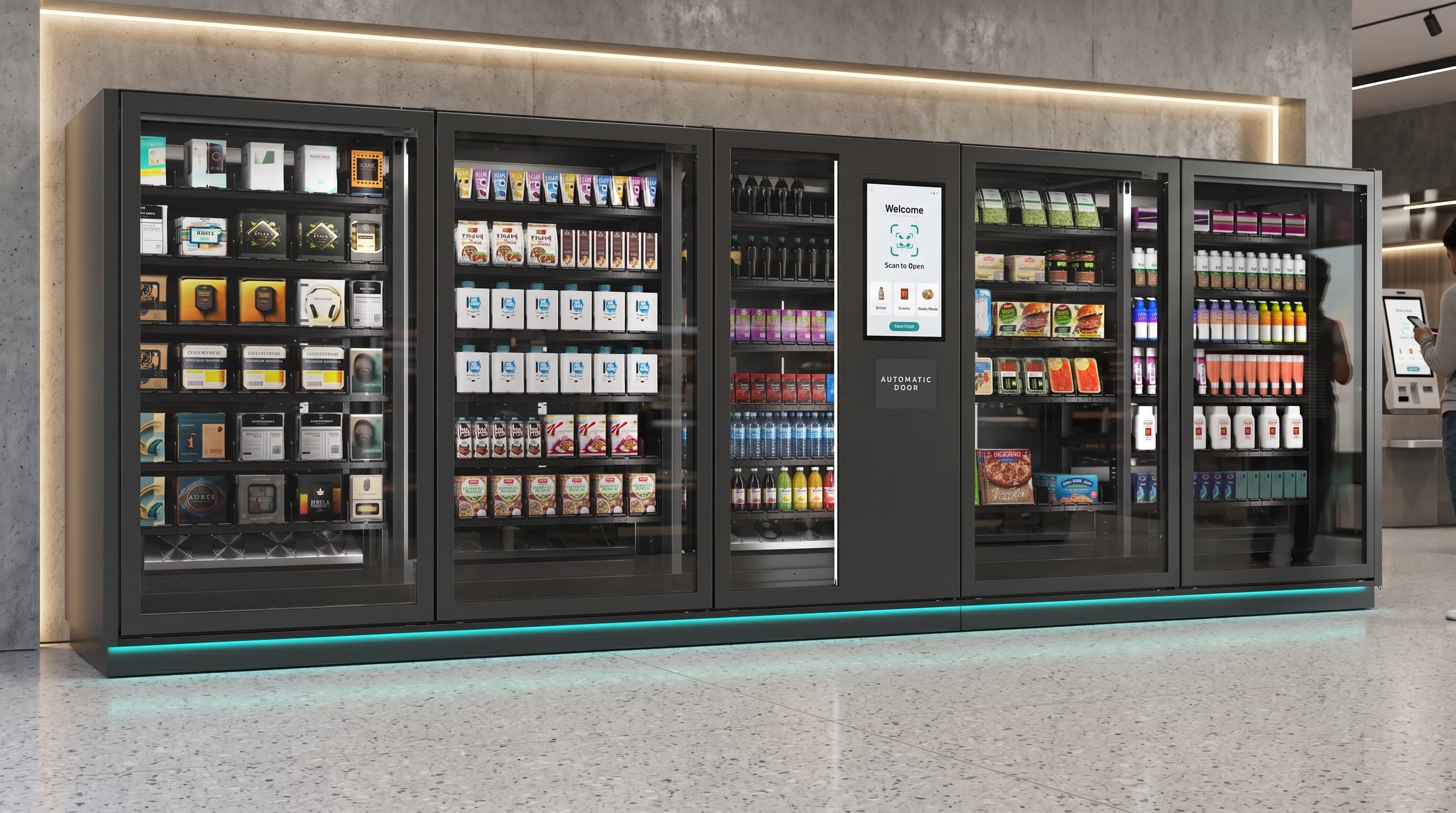
A standard vending machine usually sells a narrow assortment from one cabinet. An autonomous convenience-store setup aims to present a more complete self-service retail offer, often through one larger touchscreen machine or a coordinated cluster of units that share a common experience. The customer sees a kiosk, a broader catalogue, clearer product browsing, and a checkout flow that feels closer to a compact convenience store than to a traditional spiral machine.
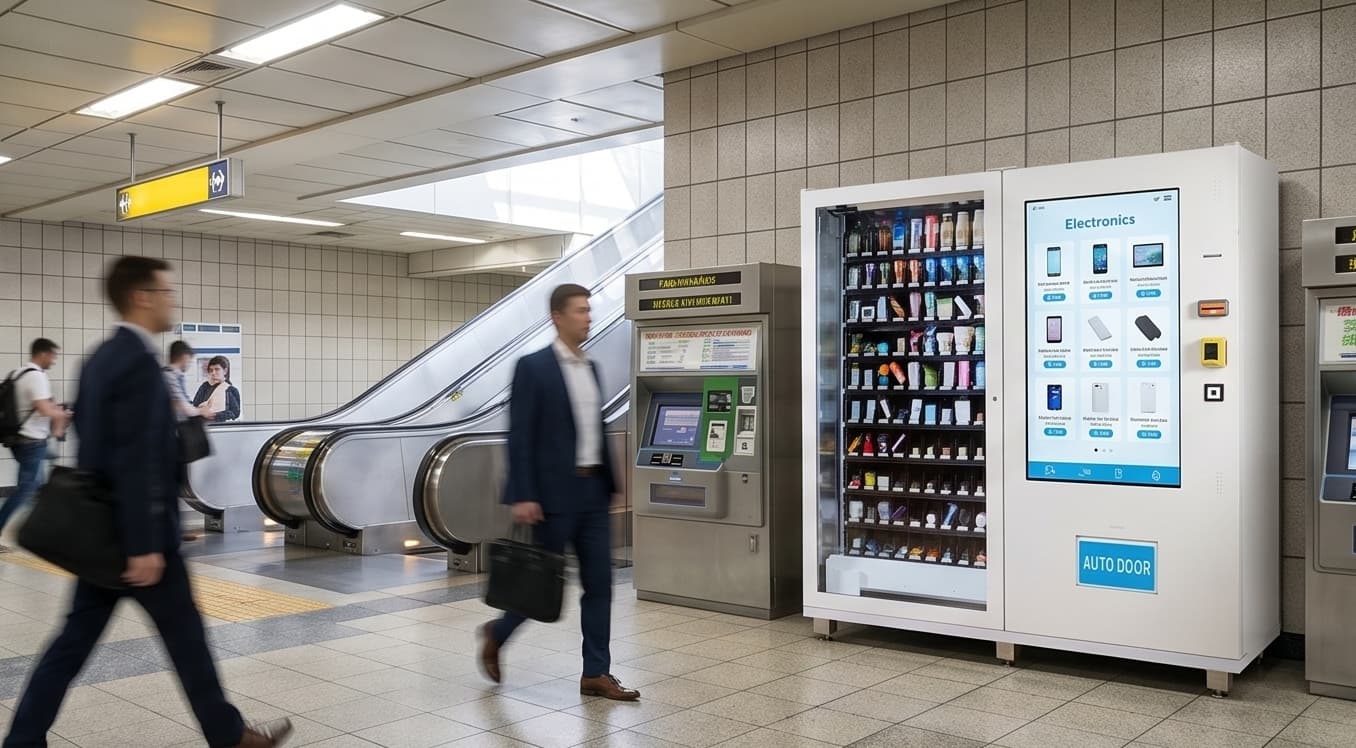
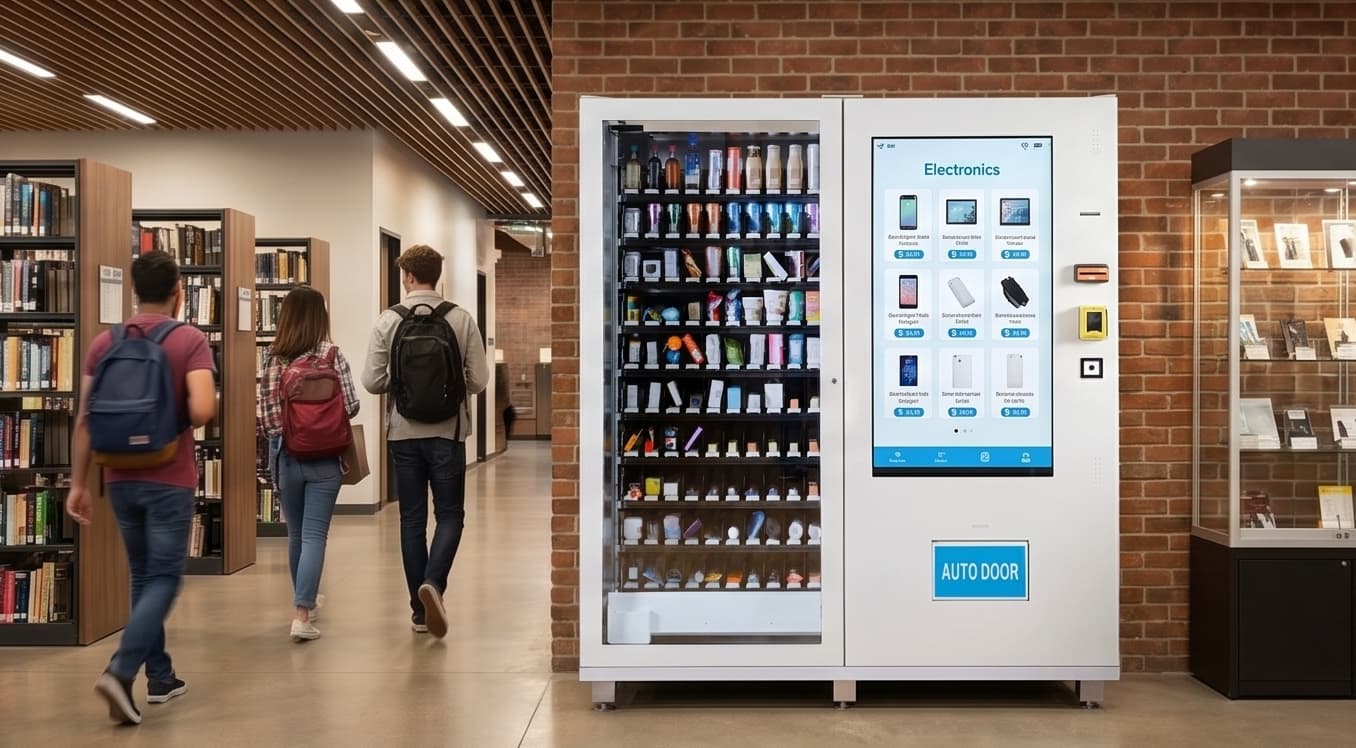
That is why venue fit matters so much. Corporate lobbies, residential buildings, transit nodes, hospitals, universities, and gated industrial sites often have real around-the-clock demand without enough traffic to justify a staffed store. In those environments, an automated vending kiosk can turn dead retail space into a practical service point with far less operating overhead.
What the hardware and software stack needs to do
The touchscreen is not there just to look modern. It has to carry product browsing, pricing, promotions, carts, and checkout clearly enough that a customer can complete a purchase without needing an explanation from a clerk. For multilingual or accessibility-sensitive environments, the interface also needs readable layouts and sensible navigation rather than the usual “surely they’ll figure it out” optimism.
Underneath, the machine still benefits from recognised vending architecture. MDB-style controller communication, cashless readers, and telemetry matter because operators need coherent pricing, payment, and machine-event data. A cloud layer should surface sales, stock status, door-open alerts, and faults in near real time so restocking and service are driven by evidence rather than habit.
Why autonomous convenience-store vending works commercially
The appeal is straightforward: always-on access, smaller footprint, reduced staffing pressure, and the ability to serve locations that are inconvenient for conventional retail. A convenience store vending machine can offer a much broader assortment than a traditional snack unit while still fitting into lobbies, corridors, and smaller retail footprints where a staffed store would struggle.
It also creates a better merchandising surface than old-style vending. Product images, category browsing, bundles, and promoted items can all be managed through the screen, which helps the kiosk behave more like a retail endpoint and less like a row of mysterious rectangles behind glass.
What operators have to get right
SKU breadth matters, but so do refill discipline and shrink control. An autonomous convenience kiosk needs enough assortment to feel useful, yet not so much complexity that replenishment becomes a small tragedy on wheels. Operators should validate demand patterns, planogram density, route cadence, and anti-theft requirements before they congratulate themselves on building the future of retail.
Security is still a grown-up concern. Locking glass, reinforced bins, access controls, and event alerts matter because these machines often run in unstaffed or overnight environments. A kiosk that looks polished but is operationally flimsy is simply a more expensive way to learn the old lessons.
How this differs from other smart vending categories
Not every touchscreen vending machine is an autonomous convenience-store solution. Electronics vending, age-gated retail, wellness programmes, and experiential activations all use related hardware ideas but solve different commercial problems. The autonomous convenience-store angle is defined by broader everyday assortment, 24/7 self-service access, and the goal of replacing or supplementing a small convenience retail footprint.
That is the frame operators should keep in mind. The point is not just to install a nicer machine. It is to create a genuinely useful unattended store format in venues where convenience matters and staffing is awkward.
Planning an autonomous convenience-store vending rollout?
DMVI helps operators match touchscreen hardware, inventory breadth, payments, and route workflows so an automated vending kiosk behaves like a useful unattended store instead of a dressed-up snack cabinet.