Convenience Store Vending Machines: Large-Format Touchscreen Cabinets for Unattended Retail
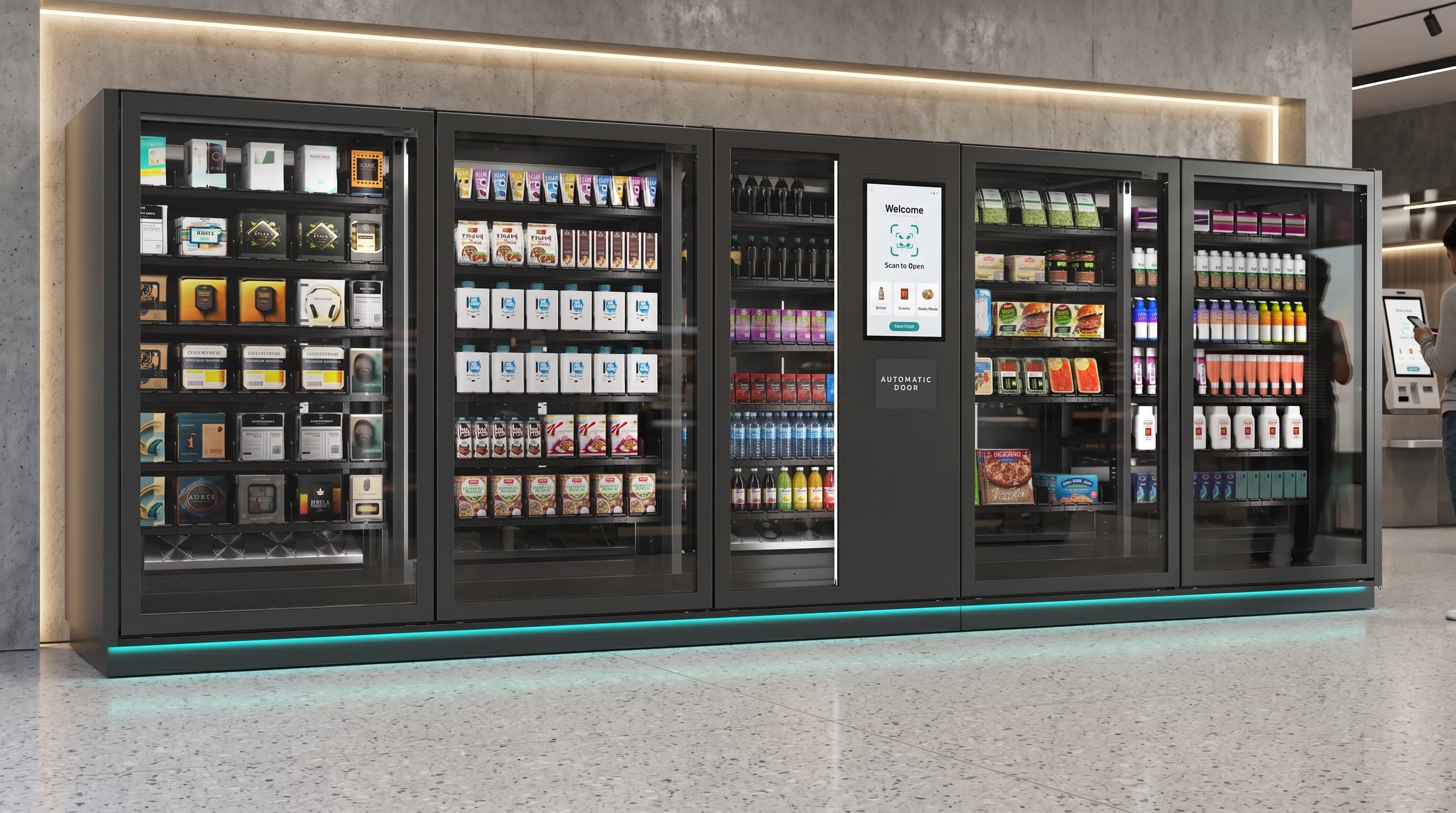
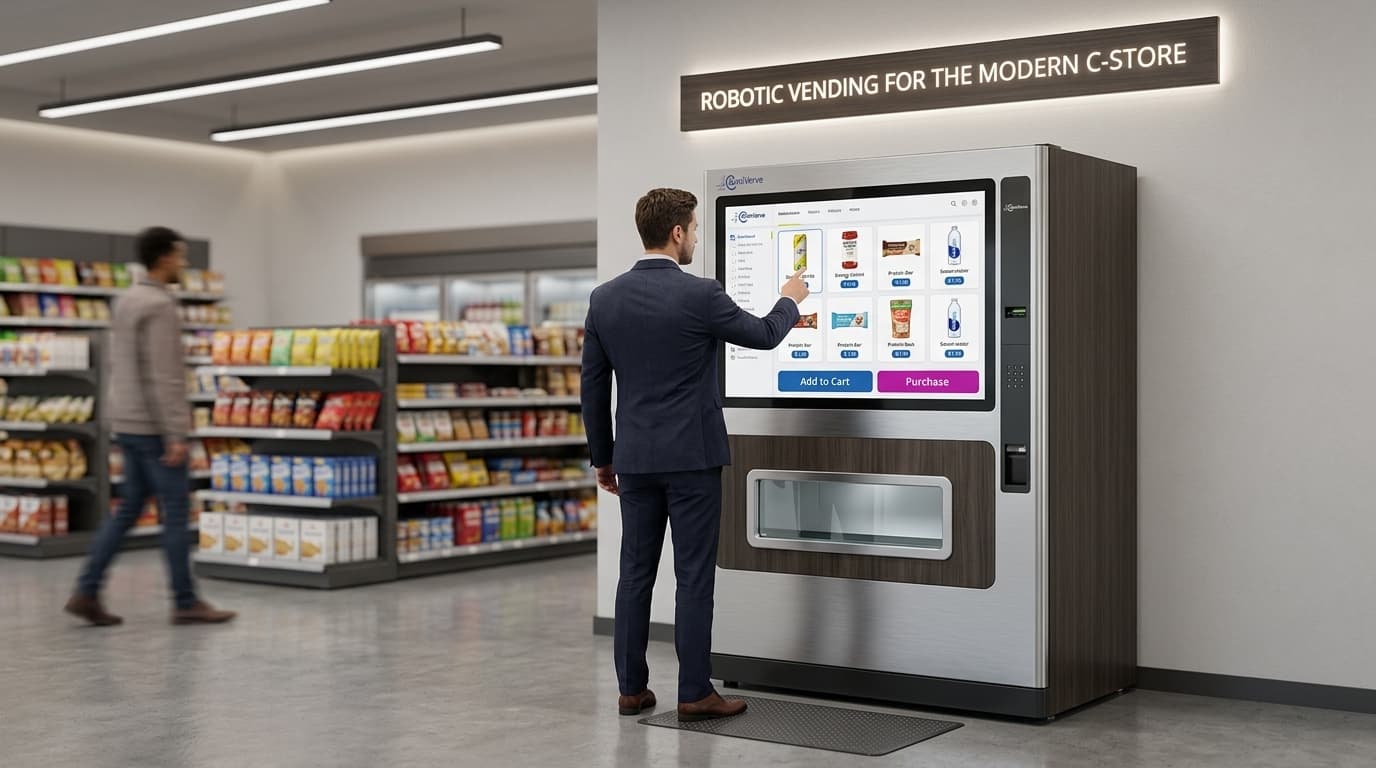
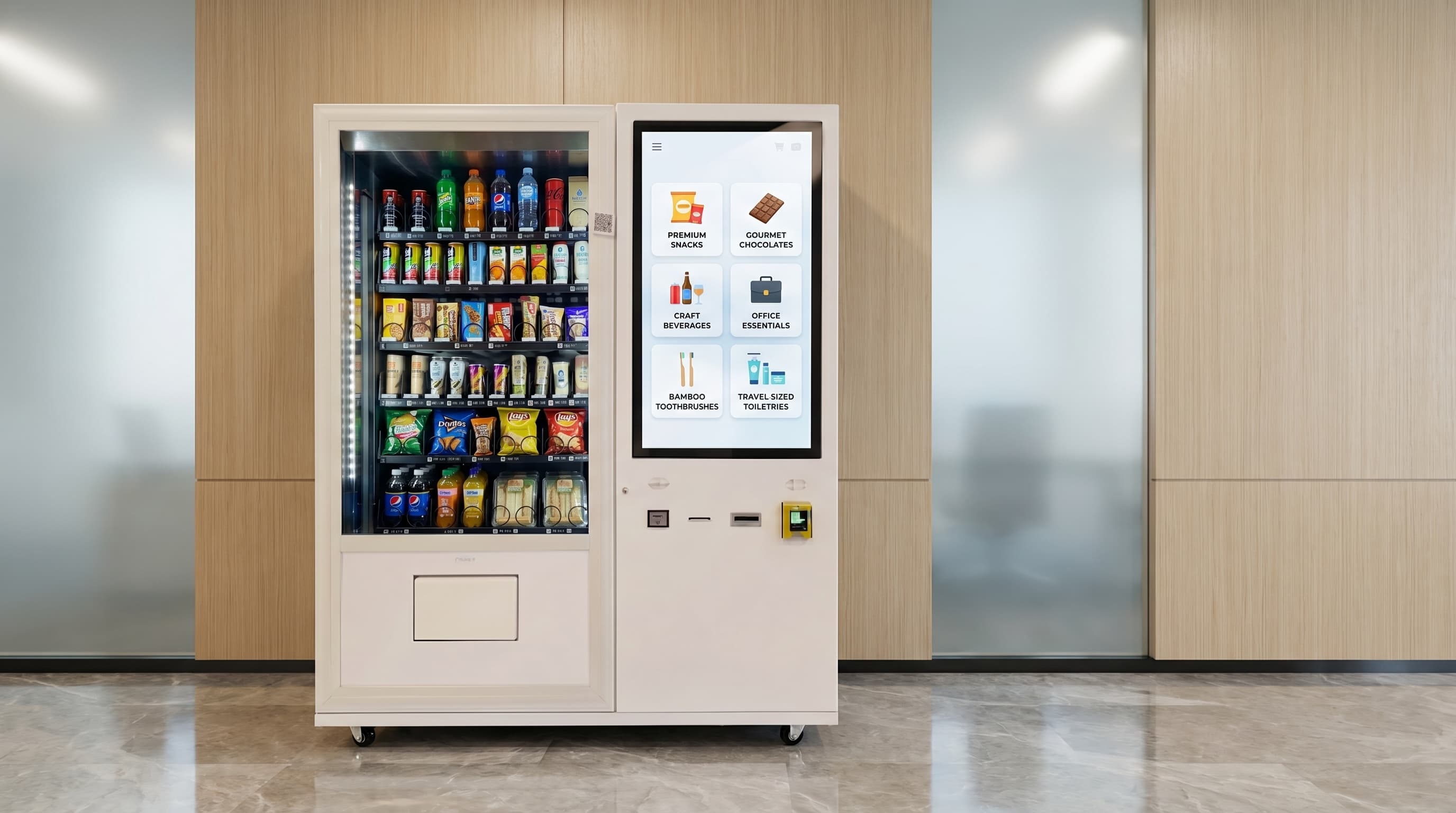
A convenience store vending machine is a large-format unattended retail cabinet that combines a broad planogram, a touchscreen browsing interface, cashless checkout, and remote telemetry to cover the jobs a small staffed store would normally handle. The format makes sense in places where 24/7 demand exists but a traditional convenience store cannot justify the labour, footprint, or operating model. That is why these cabinets show up in transit hubs, hospital concourses, multifamily lobbies, factory floors, and campus zones where a customer still wants something useful at 2am even if no human behind a till is having that sort of evening.
What a convenience store vending machine actually is
This category sits halfway between a classic vending machine and an unattended micro-store. Mechanically, it is still a secure cabinet with controlled dispense, audit trail, and route-service logic. Commercially, it behaves more like an automated convenience store: a wider assortment, product browsing on screen, cashless payment, and more deliberate merchandising. Modern units typically connect payment hardware over MDB/ICP, surface audits through a DEX-style reporting stack, and let the operator manage assortment and pricing remotely.
The point is not theatrical futurism. The point is giving a location a credible unattended retail offer without the cost and shrink exposure of a fully walk-in autonomous store.
When the format earns its footprint
A convenience store vending machine earns its keep when one or more of five conditions is true: the location has unattended hours a staffed store cannot cover; the assortment needs to be broader than a normal snack tower; refrigerated and ambient items need to coexist in one customer journey; product security matters more than an open-shelf format can comfortably provide; or the venue wants stronger brand presence than a row of standard cabinets can deliver.
Outside those conditions, the operator may be better served by simpler equipment. A large-format touchscreen cabinet is not automatically the clever answer just because it looks more expensive. It needs a venue that can use the assortment breadth and a route model that can support the refill and service reality.
How operators should size the cabinet
Operators should think in terms of assortment depth, serviceability, and location fit rather than breathless giant-machine language. Cabinet widths commonly range from roughly 36 to 96 inches depending on category mix and number of zones. A credible unit should support a modern touchscreen UI, real-time planogram visibility, contactless and mobile-wallet payment, remote price changes, and practical stock-out alerts. Ambient and refrigerated zones are common; frozen zones are optional and bring more complexity with them.
The real sizing question is not “how huge can this look?” but “what basket does this venue need, how often can it be replenished, and does the site have the access, power, and floor space to support the cabinet without creating a nuisance for facilities and the route team?” Those boring questions are usually where the commercial truth lives.
Locations where convenience store vending works well
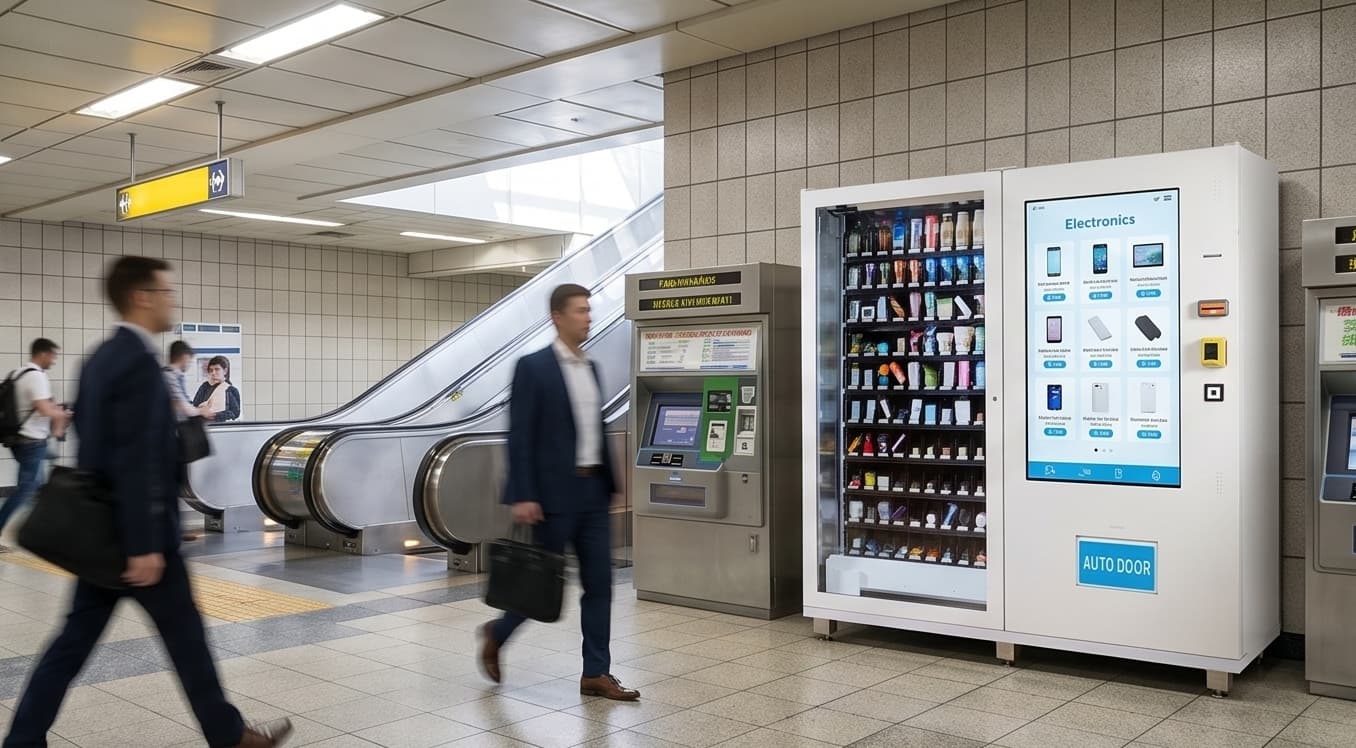
Transit hubs, hospitals, manufacturing facilities with multiple shifts, university residence halls, apartment lobbies, military environments, and truck-stop style corridors are recurring fits because they combine unattended hours with real basket demand. A standard snack machine often cannot cover what the customer wants in those settings, while a full micro-store may be too expensive, too exposed to shrink, or too demanding on floor area.
That is where a large-format touchscreen cabinet can land neatly in the middle: broader choice than a standard machine, stronger control than open-shelf retail, and less deployment pain than a full autonomous store.
Where this page should send a serious buyer next
Readers researching the format usually need one of two next steps. If the question is which cabinet architecture fits the opportunity, the useful follow-on is high-tech vending machines for sale, where smart, digital, and custom configurations are broken down more directly. If the question is route economics and launch reality, the better next stop is starting a smart vending machine business. The format page should do the definitional job cleanly, then hand the buyer toward the real commercial decision.
Ready to plan a convenience store vending format that actually fits the site?
DMVI can help you size the cabinet, assortment, payment stack, and service model around the real venue instead of selling you a giant touchscreen for the sheer drama of it.