Transform a Vending Machine Business: Cashless, Telemetry, and Custom Planograms
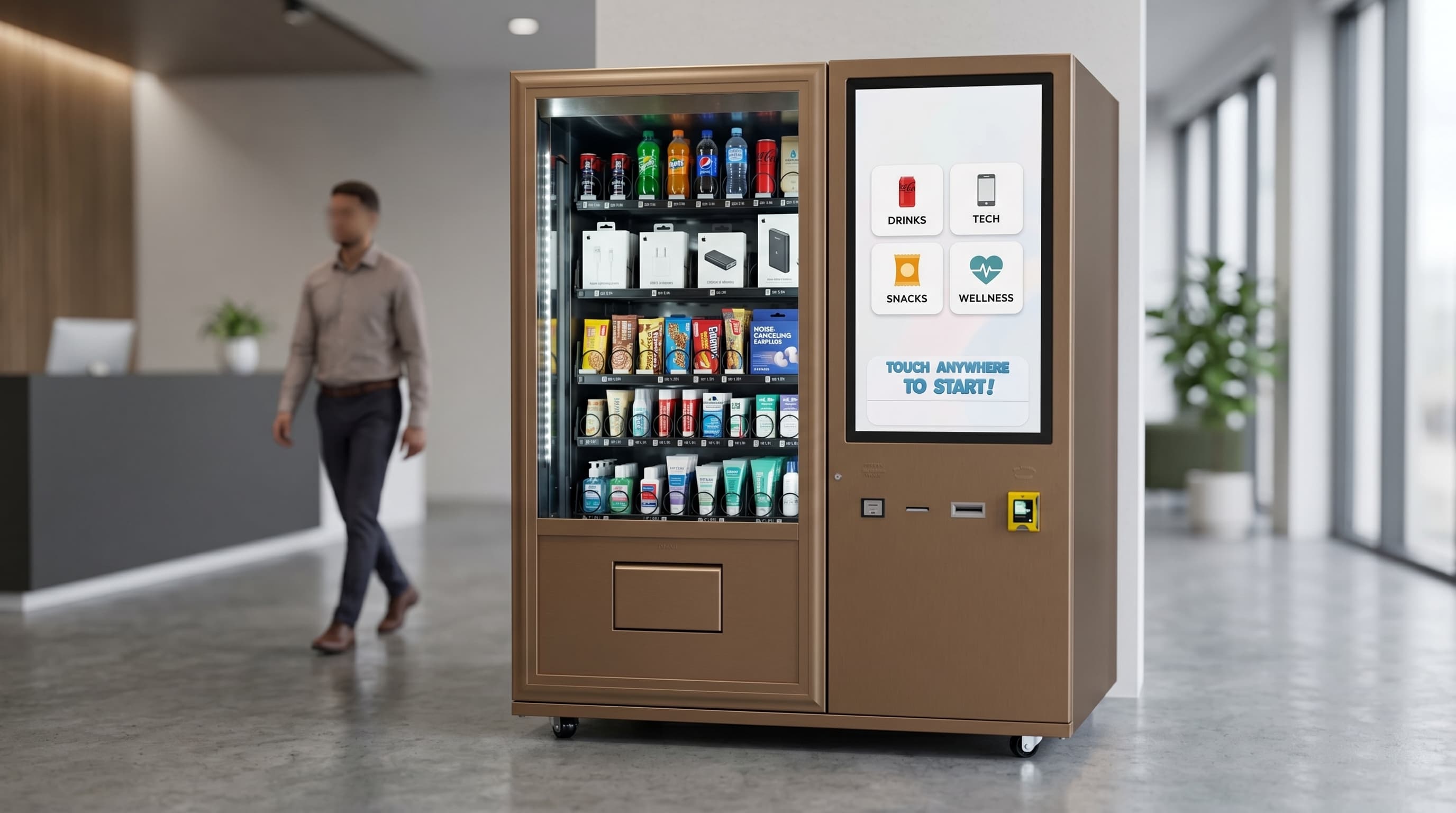
A vending machine business transformation is the operational shift from running cash-led machines on calendar-based routes to running cashless, telemetry-instrumented, location-customized automated retail with real control over price, SKU mix, service timing, and customer flow. This is not the category-potential conversation. It is the implementation conversation: what changes, in what order, when an operator wants the business itself to perform differently.
That distinction matters because “innovative solutions” is one of those lovely phrases that can mean anything and therefore often means absolutely nothing. Useful transformation work is more specific than that.
Start with the upgrades that actually move economics
Cashless-first checkout is usually the first serious move because it changes ticket size, customer convenience, and payment friction immediately. If a route is still relying on cash as the primary payment model, it is leaving both sales and operating clarity on the table.
Telemetry-driven service is the next major shift. When operators can see machine status, stock pressure, and errors remotely, the route stops behaving like a ritual and starts behaving like a business system. Trucks go where they are needed rather than where the calendar says they ought to appear.
Remote price and planogram control is what turns smart features into management tools. Once price changes, slot changes, and product tests become easier to deploy, the operator can respond faster to real-world demand instead of waiting until the next full service cycle to learn the obvious.
Customization usually happens in the planogram, not the metalwork
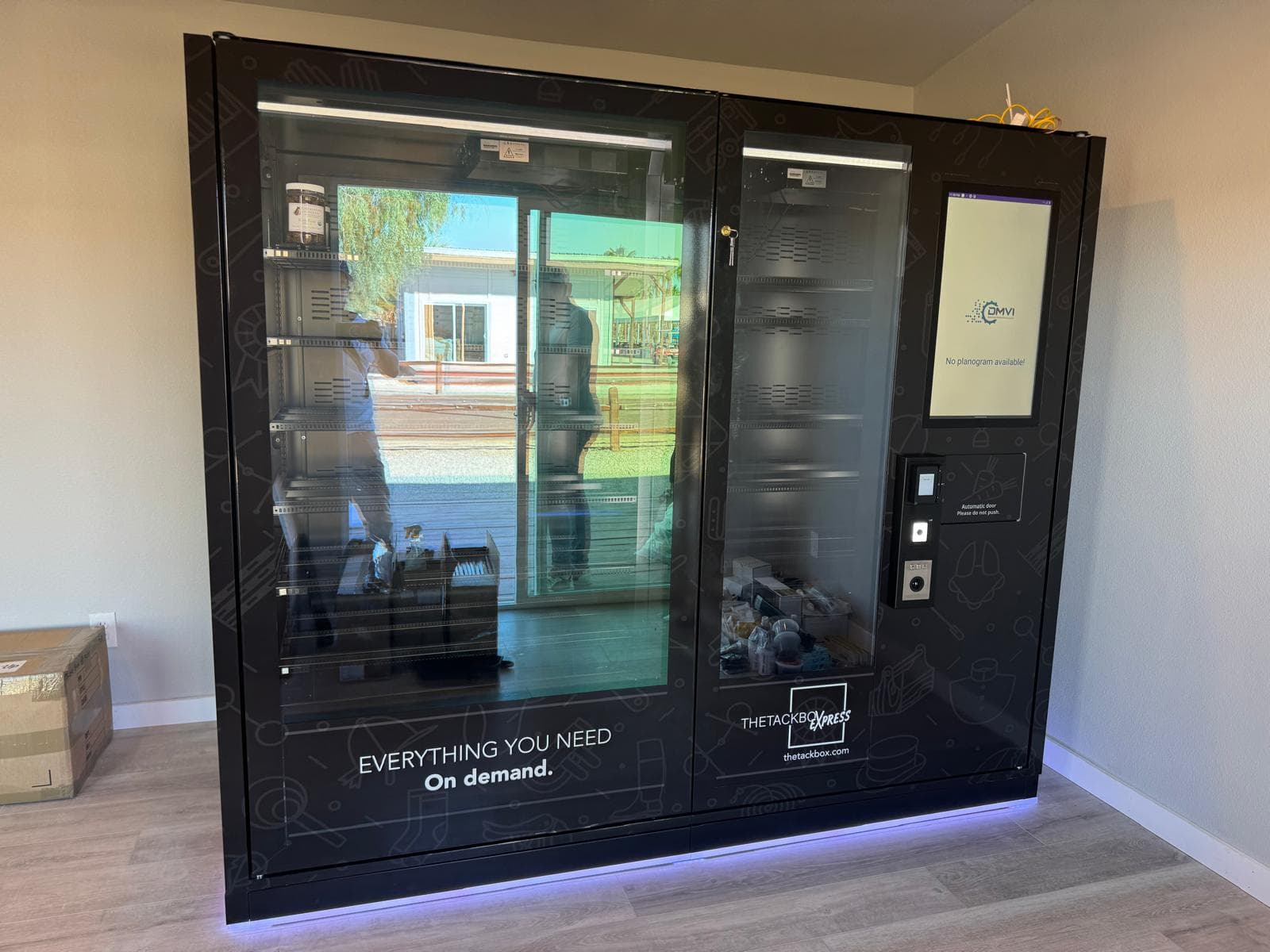
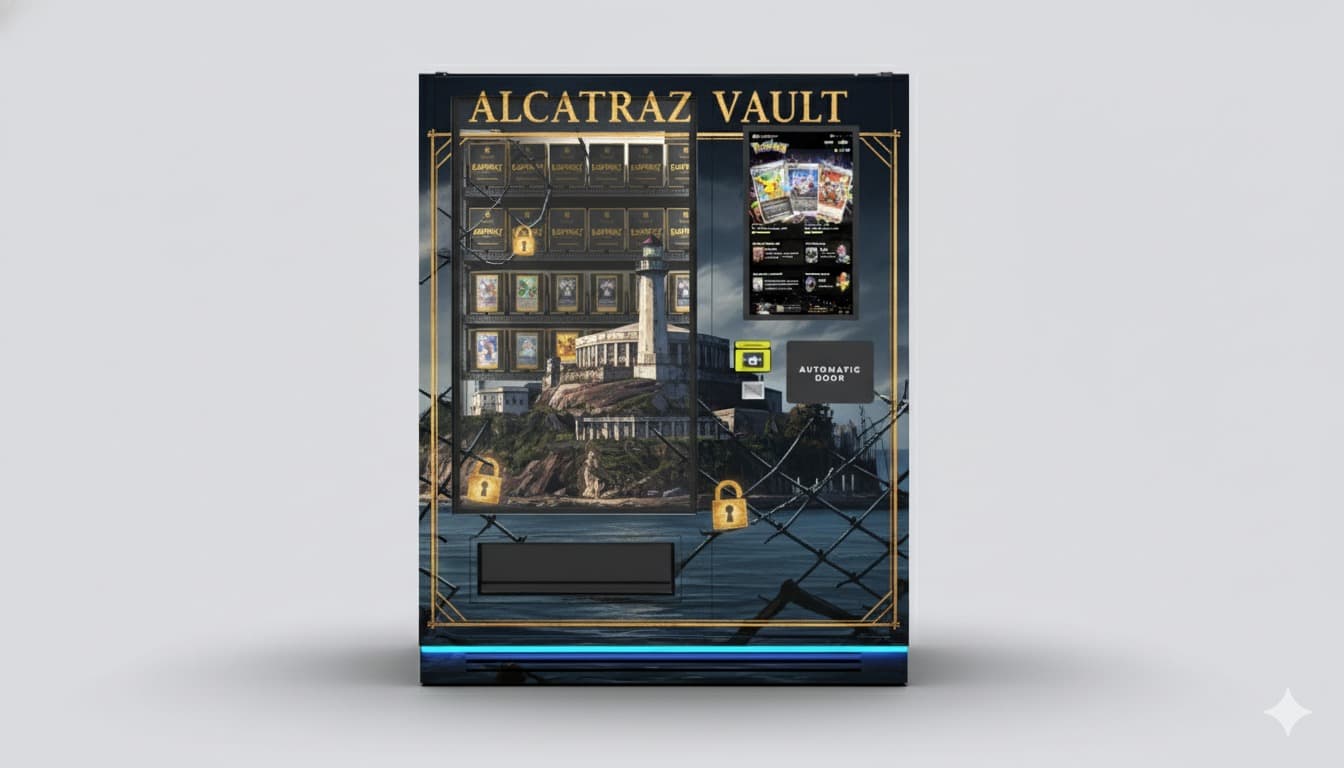
Many operators imagine “customized vending machines” as bespoke hardware projects. Sometimes that is true, but more often the profitable form of customization is simpler: a standard chassis configured with the right SKU mix, shelf setup, branding, and price logic for a specific location. That scales better and usually keeps the capital burden saner than pretending every new venue requires a machine designed by a committee with a paint chart.
The machine becomes more useful when it behaves like the location needs it to behave. A gym, office, hotel, campus, and regulated venue do not want the same assortment or the same customer journey. Transformation means respecting that instead of shoving identical planograms into every address and hoping the public develops better taste.
Data has to lead the rollout, not just decorate it
Every change worth keeping should show up in the data: higher ticket size after cashless rollout, better sell-through after assortment changes, fewer wasteful service trips after telemetry-led dispatch, fewer stockouts after planogram tuning. If the numbers do not improve, the idea may have sounded modern without being particularly useful.
That is why the strongest operators test changes in a measured way and expand only when the evidence supports it. Transformation is not a rebrand. It is a sequence of decisions that should leave visible fingerprints in route performance.
Identity-aware and regulated categories add a second layer of opportunity
Once an operator has payment and data in order, additional category expansion becomes possible. Loyalty programs, account billing, staff-only or member-only access, and age-aware or identity-gated workflows can all extend what the machine can credibly do. But those layers only work well when the core machine economics and support model are already sound.
Put differently: there is little point bolting on clever identity logic to a route that still cannot keep its best machines in stock.
Transformation also means changing how operators think about the route
Traditional route habits are built around manual checking, physical collection, and broad assumptions about what sells. A transformed vending business is more explicit. It treats machines as retail endpoints with performance data, site-specific strategy, and ongoing testing rather than as dumb boxes scattered around town. That change in mindset is often more important than the hardware layer itself.
The operators who benefit most from innovative solutions are rarely the ones chasing novelty for its own sake. They are the ones using better tools to become more disciplined, more responsive, and more commercially precise.
Planning a serious upgrade to how your vending route runs?
DMVI helps operators decide which combination of cashless, telemetry, customization, and expanded workflow capability will actually improve route economics instead of just adding shinier hardware.